
Best dog mange shampoo choices support veterinary treatment rather than replace it. Mange is caused by mites, and clearing them requires a diagnosis and prescription medication from a vet. What a medicated shampoo does well is manage scaling, crusting, and the secondary skin infections that come with it.
Our top picks
 Veterinary Formula Clinical Care Antiparasitic & Antiseborrheic
pH-balanced formula is designed to support dogs safely
Oatmeal and allantoin ingredients are included for gentle hydration
Coal tar and salicylic acid formula targets flakes and odor
Medicinal scent signals active ingredients but is not fragrance-free
Some initial flaking is expected as a normal part of use

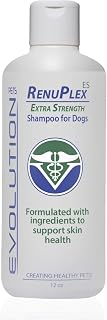
 Veterinary Formula Clinical Care Antiseptic & Antifungal
pH-balanced formula is designed to be paraben and soap free
Suitable for use on both dogs and cats over 12 weeks
Twice-weekly use schedule tapers to weekly for maintenance
Requires a 5 to 10 minute soak for full effect
Spot-checking a small area first is recommended
 Pet Honesty Chlorhexidine Cat & Dog Seasonal
Veterinary-strength formula is made without sulfates or parabens
Aloe-based formula targets itchy and irritated skin
Works for both dogs and cats in one bottle
Medicated formula is more targeted than an everyday cleansing shampoo
Listing does not specify bottle dimensions or weight


As an Amazon Associate we earn from qualifying purchases at no extra cost to you.
As an Amazon Associate we earn from qualifying purchases.
By Laura Simmons
🛒 Best Price Today on Amazon
Prime members get fast, free shipping on everything above, plus member-only deals. New members get a 30-day free trial — cancel anytime.
Start 30-Day Prime Free Trial →See Today’s Amazon DealsHow to Choose the Best Dog Mange Shampoo
Before comparing bottles, be clear about what this category can do. The best dog mange shampoo will not eliminate a mite infestation on its own, and using one instead of seeing a vet delays the treatment that actually works while the dog’s skin gets worse.
Get a Diagnosis First
The best dog mange shampoo is worthless without knowing what you are treating. Sarcoptic and demodectic mange look similar to several other conditions, including allergies, yeast overgrowth, and bacterial infection, and they are treated very differently. A vet confirms which it is with a skin scrape or hair pluck, usually in a single appointment, and prescribes accordingly.
Sarcoptic mange is also contagious to other pets and can cause a temporary itchy rash in people, so it changes how you handle bedding and contact in the household. That is another reason guessing is a poor strategy, and why an accurate diagnosis matters before you spend anything on shampoo.
Understand What Medicated Washes Actually Do
Benzoyl peroxide shampoos flush hair follicles and help lift crusting, which is why they are commonly recommended alongside demodex treatment. Chlorhexidine and antifungal combinations target the secondary bacterial and yeast infections that develop on damaged skin, which are often what makes a dog most uncomfortable.
None of these kill mites reliably. They make the skin more comfortable, reduce odour, and remove the debris that mites and bacteria live in, which supports the prescribed treatment. Framing them as supportive care rather than a cure is the difference between a shampoo helping and a dog suffering longer.
Follow Contact Time and Frequency Instructions
Medicated shampoos work through contact time, typically five to ten minutes on the coat before rinsing, and that step is what most home users skip. A quick lather and rinse does very little regardless of how good the formula is, and it wastes an expensive bottle.
Frequency should come from the vet rather than the label. Medicated washes are drying by design, and over-bathing already damaged skin makes matters worse rather than better. Twice weekly during an active flare and less often afterwards is a common pattern, but the treating vet knows the case in front of them and a printed label does not.
Rinse thoroughly as well, and give it longer than feels necessary. Medicated residue left sitting in a thick coat keeps working on the skin long after the bath is over, and that is a common cause of the fresh irritation owners report a day or two after a wash that seemed to go well.
Watch for Reactions and Handle the Environment
Benzoyl peroxide can bleach fabric and irritate skin at higher concentrations, and lime sulfur products stain and smell strongly, though many people find them effective. Test on a small area, wear gloves, and stop if the skin becomes redder or more inflamed after a wash.
With sarcoptic mange, wash bedding on a hot cycle and treat other pets exactly as directed by the vet, since reinfestation from the environment is a common reason cases drag on for months. Skin usually looks worse before it looks better as crusting lifts, and that alone is not a sign the treatment is failing.
Top Picks: Best Dog Mange Shampoo Options
The best dog mange shampoo is whichever medicated wash your vet pairs with the prescribed treatment, so these six are the ones most commonly used in that supporting role. They are chosen for active ingredients that address follicular debris and secondary infection, not for any claim to kill mites.
| Shampoo | Best For | Active Approach | Key Feature |
|---|---|---|---|
| Davis Benzoyl Peroxide | Follicular flushing | Benzoyl peroxide | Long-standing vet staple |
| Pet MD Benzoyl Peroxide | Widely available option | Benzoyl peroxide | Easy to source |
| Curaseb Medicated Shampoo | Secondary infections | Chlorhexidine plus antifungal | Targets bacteria and yeast |
| Douxo S3 PYO Shampoo | Sensitive damaged skin | Chlorhexidine | Gentler supporting formula |
| Vet Basics Lime Sulfur Dip | Traditional vet approach | Lime sulfur | Used under vet guidance |
| TropiClean OxyMed Anti-Itch | Comfort between washes | Oatmeal, soothing base | Non-medicated relief |
Davis Benzoyl Peroxide Shampoo
A long-established shampoo that vets have recommended for years alongside demodex treatment. The benzoyl peroxide flushes hair follicles and lifts the greasy crusting that builds on affected skin, which makes the prescribed medication’s job easier and the dog considerably more comfortable within a wash or two.
It is drying, so over-use makes irritated skin worse rather than better, and it can bleach towels and bedding. The contact time is essential and often ignored. Always confirm the frequency with the treating vet rather than following the bottle by default.
Pet MD Benzoyl Peroxide Medicated Shampoo
The same active approach in a more widely stocked product, which matters when you need a bottle quickly rather than waiting on a specialist order. It handles crusting and follicular debris well and is straightforward to use as part of a treatment plan.
Being a benzoyl peroxide wash, it carries the same drying effect and bleaching risk. The scent is medicinal rather than pleasant, and dogs with already inflamed skin may find the first wash uncomfortable, which is worth mentioning to the vet before continuing.
Curaseb Medicated Shampoo
A chlorhexidine and antifungal combination aimed at the secondary bacterial and yeast infections that develop on skin damaged by mites. In cases where the smell and the sore patches are the worst part for the owner, this is often the wash that improves things fastest.
It does nothing about the mites themselves, so it only makes sense alongside prescribed treatment. Contact time is important, chlorhexidine can sting on broken or raw skin, and it should be kept well away from the eyes and ears unless a vet has specifically directed otherwise.
Douxo S3 PYO Shampoo
A gentler chlorhexidine formulation designed for repeated use on compromised skin, which makes it a reasonable choice for dogs that react badly to harsher medicated washes. Vets recommend the range frequently for ongoing skin support rather than one-off treatment.
It is expensive per bottle, and the gentleness that makes it tolerable also means it is less aggressive on heavy crusting than a benzoyl peroxide wash. It is a supporting product within a longer treatment plan rather than the answer to an acute flare, and it works best once the worst of the crusting has already lifted.
Vet Basics Lime Sulfur Dip
A traditional preparation still used in veterinary practice, applied as a dip rather than a rinse-off shampoo. Many vets still consider it useful for certain mite and fungal cases, particularly in very young animals where the prescription options are more limited.
It smells strongly of sulfur, stains fabric and light-coloured coats, and must only be used on veterinary instruction with the correct dilution and protective gloves. This is not a product to try independently based on internet advice, and it should never be allowed near the eyes.
TropiClean OxyMed Anti-Itch Shampoo
Not a medicated treatment, but a soothing oatmeal-based wash for the weeks when the skin is recovering and a harsher shampoo would be too drying. It helps with comfort and general cleanliness between medicated washes without adding another active ingredient.
It has no role in treating mange itself and should not be substituted for a prescribed plan. On actively infected skin it will not touch the underlying problem at all, and reaching for it because it is gentler is exactly how mild cases are allowed to become severe ones.
Frequently Asked Questions
These questions come up constantly from owners searching for the best dog mange shampoo, usually before they have a confirmed diagnosis in hand. The answers below cover what a shampoo can realistically do, contagion risk, treatment timelines, and the home remedies to avoid.
Can shampoo alone cure mange?
No. Mange is a mite infestation, and clearing it reliably takes prescription medication from a vet. Medicated shampoo makes the skin more comfortable and helps with secondary infection, which is genuinely valuable, but a dog treated with shampoo alone usually gets worse rather than better.
Is mange contagious to people or other pets?
Sarcoptic mange can spread to other dogs and can cause a temporary itchy rash in people, though it does not complete its life cycle on human skin. Demodectic mange is generally not contagious. Which one you are dealing with is another reason a diagnosis matters.
How long does treatment take?
Usually weeks rather than days, and often several months for demodex in a young dog. Skin frequently looks worse in the early stages as crusting lifts. Follow-up skin scrapes are how the vet confirms the mites are actually gone rather than just less visible.
What about home remedies like oils or vinegar?
They are not effective, and several of them are actively harmful on broken skin. Undiluted essential oils, borax mixtures, and motor oil remedies all circulate widely online and cause chemical burns and poisoning in dogs every year. Anything you are considering putting on raw skin belongs in a conversation with a vet first.
See More:
- Best dog shampoo for Australian Shepherds
- Best natural dog shampoo
- Best slicker brush for dogs
- Best toothbrush for small dog
- Best cat brush for ragdolls
Final Thoughts
The best dog mange shampoo is the one your vet recommends alongside the medication that actually clears the mites. Benzoyl peroxide washes help with follicular debris, chlorhexidine formulas address secondary infection, and a soothing oatmeal shampoo has a place during recovery. Get the diagnosis first, respect the contact time, and let the vet set the frequency.




Write Your Review
No reviews yet. Be the first to share your experience!