
Best dog cologne for a family dog is not the strongest one on the shelf. Most sprays fail because they are applied to a damp coat, used too heavily, or chosen without a glance at the ingredient list. These six are picked for gentle formulation, sensible scent strength, and safety around other pets in the house.
Our top picks
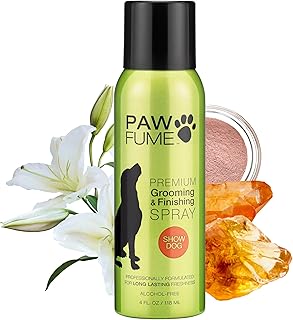
 PAWFUME Dog Cologne Spray for Grooming
- Our dog deodorant spray for smelly dogs, enriched…
- These dog necessities harness probiotic and botanical science…
- With our dog spray for smelly dogs, brushing…
 Poo-Pourri Furrest Fresh Dog Deodorizing Spray
- Instant Freshness, Zero Hassle: A few spritzes of…
- Woodsy, Luxe Scent: Infused with Fir, Amber &…
- Pup Safe & Gentle: Made with carefully selected…


As an Amazon Associate we earn from qualifying purchases at no extra cost to you.
As an Amazon Associate we earn from qualifying purchases.
By Laura Simmons
🛒 Best Price Today on Amazon
Prime members get fast, free shipping on everything above, plus member-only deals. New members get a 30-day free trial — cancel anytime.
Start 30-Day Prime Free Trial →See Today’s Amazon DealsHow to Choose the Best Dog Cologne for Your Household
A cologne sits on the coat for days and gets licked, rubbed on furniture, and breathed in by everyone in the house. That makes the best dog cologne a question of formulation and household context rather than fragrance preference, and four factors decide it before scent ever comes into play.
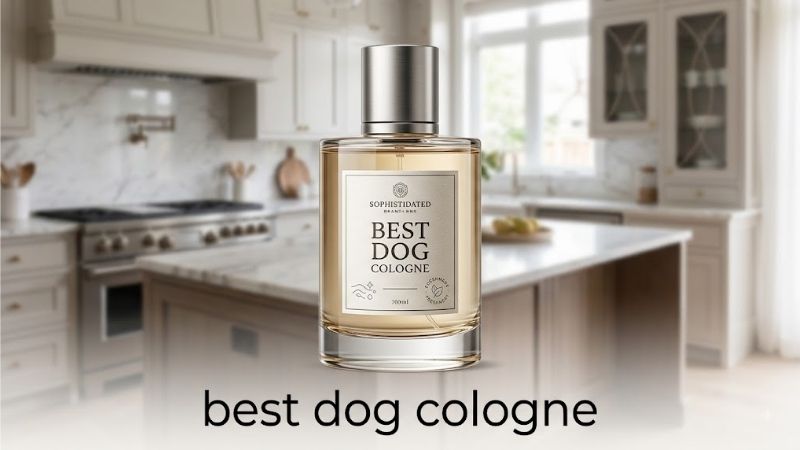
Read the Ingredient List Before the Scent Name
Alcohol-free is the first thing to look for in the best dog cologne, since alcohol dries the coat and stings freshly clipped or broken skin. After that, check for heavy synthetic fragrance, artificial colourants, and essential oils listed high in the panel, all of which are common triggers on dogs that already have grumpy skin.
Deodorising sprays and colognes are not the same category, though they are sold side by side. Deodorisers aim to neutralise odour molecules; colognes add fragrance on top. A dog that genuinely smells is better served by the former, or more often by a bath and a vet check.
Match the Strength to the Coat and the Room
Dense double coats hold fragrance close to the skin and release it slowly, so a light spray goes a long way. Short smooth coats carry less product and lose scent faster, which tempts owners into over-applying. Two or three light passes across the back is enough for almost any dog.
Consider who else lives with the smell. A scent that seems pleasant on a walk can be overwhelming in a small flat with the dog asleep beside the sofa. Sensitivity to fragrance is common in people as well as dogs, and a subtle spray is rarely regretted.
Take Extra Care in Multi-Pet Homes
Cats metabolise several botanical compounds poorly, including some essential oils that dogs tolerate without trouble. A cat that grooms a freshly sprayed dog ingests whatever is sitting on the coat, which is why a product being safe for dogs does not make it safe in a shared household.
The practical approach is to spray lightly, let the coat dry fully, and keep the animals apart for a short while afterwards. Where a cat and dog are inseparable, skipping fragrance altogether and relying on regular bathing and brushing is the cleaner solution.
Apply After Drying, Not During
Fragrance applied to a wet coat leaves with the water. Wait until the dog is fully dry and brushed out, then mist from a distance onto the back and sides and smooth it through by hand. This single change fixes most complaints about a cologne lasting only a few hours.
Keep it away from the face, eyes, ears, and any sore or freshly clipped skin. Never spray toward a dog’s head at all, and stop using anything that produces repeated head shaking, scratching, or a dog that quietly leaves the room whenever the bottle appears.
Top Picks: Best Dog Cologne Options
These six are chosen for gentle formulation and a scent level that suits a family home rather than a show ring. The best dog cologne for you depends mostly on whether you want light freshening, genuine odour control, or something with conditioning benefits.
| Spray | Best For | Type | Key Feature |
|---|---|---|---|
| Earthbath Deodorizing Spritz | Everyday freshening | Deodoriser | Soap-free, gentle base |
| Wahl Dog Cologne | Light lasting scent | Cologne | Alcohol-free formula |
| Vet’s Best Freshening Spray | Sensitive skin | Deodoriser | Plant-based ingredients |
| Burt’s Bees Deodorizing Spray | Budget option | Deodoriser | pH-balanced for dogs |
| Bodhi Dog Natural Cologne | Longer scent life | Cologne | Concentrated fragrance |
| Pet Head Deodorizing Spray | Strong scent lovers | Cologne | Bold fragrance range |
Earthbath Deodorizing Spritz
The safest default for most households. Built on the same gentle, soap-free philosophy as the brand’s shampoos, it freshens a coat between baths without heavy perfume, and it suits dogs whose skin reacts badly to almost everything else sitting on the shelf beside it.
The scent is deliberately light and fades within a couple of days, which disappoints owners hoping for something noticeable. It also does very little on a dog that is genuinely dirty rather than simply overdue a bath, so it works best as maintenance rather than rescue.
Wahl Dog Cologne
Alcohol-free, widely available, and sold in several restrained scents such as lavender and chamomile that suit a family home. It sprays evenly, settles rather than soaking, and holds for two or three days on a clean coat, which is about as much as any spray honestly manages.
The bottle is smaller than the deodorising sprays and gets used up quickly on a large dog. A few of the scents in the range are noticeably sweeter than the rest, so it is worth checking exactly which variant you are ordering rather than buying on the brand name alone.
Vet’s Best Freshening Spray
Aimed at dogs with sensitive skin, using plant-based ingredients in an alcohol-free base. It is a sensible choice for a dog that has recently been clipped short, or one with patches of irritated skin where a conventional alcohol-based cologne would sting.
Odour control is mild rather than powerful, so it will not rescue a dog that has rolled in something. As with every soothing product, it manages the surface only; persistent itching or a smell returning within a day of bathing needs a veterinary opinion rather than another spray.
Burt’s Bees Deodorizing Spray
The budget option that still gets the basics right, with a pH-balanced formula and a very light scent profile. The low price makes it easy to keep a bottle by the door for muddy-walk days, and to use it freely without thinking twice about how much is going on the coat.
The ingredient list is longer than the boutique alternatives and includes conventional preservatives, which will not satisfy owners looking for a minimal formula. Scent life is short, typically a day or two, so it suits frequent light use rather than a single weekly application.
Bodhi Dog Natural Pet Cologne
More concentrated than the deodorising sprays, so the scent holds longer on a clean, dry coat. It is a reasonable middle ground for owners who want something that lasts closer to the salon experience without moving to a professional concentrate that needs diluting.
Because it is stronger, over-application is easy and the result can be overpowering in a small room. Dogs with reactive skin are better served by one of the milder options, and a patch test on the shoulder before spraying the whole coat is worth the extra minute.
Pet Head Deodorizing Spray
For owners who genuinely want a noticeable fragrance, this range delivers it, with bold scents and packaging aimed squarely at that preference. On a short-coated dog it holds well and it does neutralise light doggy odour rather than simply sitting on top of it.
The strength is the drawback as much as the appeal. It is too much for a small flat, for a scent-sensitive household, or for a dog with delicate skin, and the fragrance-forward formulation makes it the least suitable option here for a multi-pet home with cats.
Frequently Asked Questions
These four questions come up repeatedly from owners choosing the best dog cologne for a family pet rather than a show dog. The answers below cover safety, how often to apply a spray, whether one can stand in for a bath, and what to do about puppies that lick everything.
Is dog cologne actually safe?
Alcohol-free formulas applied lightly to a dry coat are fine for most dogs. Keep them away from the face, eyes, ears, and broken skin, and stop at the first sign of scratching or head shaking. Never use human perfume, which is far too concentrated and often contains alcohol.
How often can I spray my dog?
Once or twice a week is plenty for most dogs, and less on a dog with sensitive skin. Daily use builds product on the coat, which dulls the hair and increases the chance of irritation. If a dog needs spraying daily to smell acceptable, something else is going on.
Can cologne replace bathing?
No, though it can stretch the gap between baths on a dog that is basically clean. Fragrance does nothing about grease, dirt, or dander sitting at skin level. On a double-coated dog in particular, brushing does more for how the dog smells than any spray will.
Is it safe to use on puppies?
Check the label for a minimum age and err on the side of waiting. Puppy skin is thinner and more reactive, and a young dog is more likely to lick a sprayed coat. Regular gentle bathing with a puppy-appropriate shampoo is the better approach until the dog is older and the coat has settled.
See More:
- Best dog shampoo for Australian Shepherds
- Best natural dog shampoo
- Best slicker brush for dogs
- Best toothbrush for small dog
- Best cat brush for ragdolls
Final Thoughts
The best dog cologne is a light, alcohol-free spray applied to a fully dried coat once or twice a week, kept off the face and used sparingly in homes with cats. Choose a deodoriser if odour is the real problem and a cologne if the dog is already clean. When a smell keeps coming back within a day of bathing, that is a veterinary question rather than a shopping one.



Write Your Review
No reviews yet. Be the first to share your experience!