
Our Top Picks
 PetPivot Open Top Self Cleaning Cat Litter BoxOne Size21.06 x 15.75 x 21.85 inches20.6 PoundsCheck on Amazon
The best auto kitty litter box for a first-time owner is the Neakasa M1 Plus if you want a roomy open-top box with an app, and the PetSafe ScoopFree Crystal Classic if you want the simplest, lowest-effort setup. The Neakasa suits cats up to roughly 33 pounds and uses ordinary litter, while the PetSafe uses a disposable tray you swap out. This guide is written for people buying their first self-cleaning box, so it covers six picks, three more to consider, and, just as important, how to get a cat to trust a machine. If you are searching for auto kitty litter box reviews, read the “How We Chose” section first so you know what our notes are based on.
This guide is research-based. We compared maker spec sheets, retailer listings and independent reviews, and we did not personally use these products. Anything we could not confirm is marked “not listed.” We also avoid quoting prices or review scores, because both change often; we use price tiers instead.

Mimfam Automatic Self Cleaning Litter Box, with 4 Pairs Infrared Senor, Open-Top Design for Multi-Cat Homes, Comes with Liner Bags and Cat Litter Mat, Grey
Chosen because it specifies with 4 Pairs Infrared Senor and Open-Top Design for Multi-Cat Homes.
View on AmazonPetPivot Open Top Self Cleaning Cat Litter Box, Automatic Litter Box with 7 Pairs of Safety Sensors, Anti-Pinch Protection and Easy Access Step for Senior Cats, Dark Grey
Chosen because it specifies Automatic Litter Box with 7 Pairs of Safety Sensors and Anti-Pinch Protection and Easy Access Step for Senior Cats.
View on Amazon
Cumrige Automatic Litter Box,Safety Sensor,App Control,95L Large Capacity | Detachable waste trays ,Self cleaning litter box for Multiple Cats,Safety Protection, 2 Roll Garbage Bags,White & Grey
Chosen because it specifies Safety Sensor and App Control.
View on Amazon
Automatic Litter Box Self Cleaning, FeelNeedy Open-Top Smart Cat Litter Box with App Control, Odor-Control Safety Sensor Design for Multiple Cats, with Waste Bags
Chosen because it specifies FeelNeedy Open-Top Smart Cat Litter Box with App Control and Odor-Control Safety Sensor Design for Multiple Cats.
View on AmazonTop Picks at a Glance
- Best Overall for First-Timers: Neakasa M1 Plus, for an open top, app control and a big waste bin.
- Best Simple Setup: PetSafe ScoopFree Crystal Classic, a plug-in rake box with disposable trays.
- Best Premium Enclosed Option: PetSafe ScoopFree SmartSpin, a rotating drum with a sealed 6 L drawer.
- Best Budget With App: UPFAS Automatic Cat Litter Box, listed with app control and weight monitoring.
- Best Open-Top Value: Mimfam Automatic Self Cleaning Litter Box, with four pairs of infrared sensors listed.
- Best No-App, No-Wi-Fi Pick: otoging Self Cleaning Litter Box, which you plug in and run with a power button.
What “Auto” Actually Means for a Beginner
An auto kitty litter box is a plug-in box that removes waste after the cat leaves. There are three common styles, and picking the style matters more than any single spec.
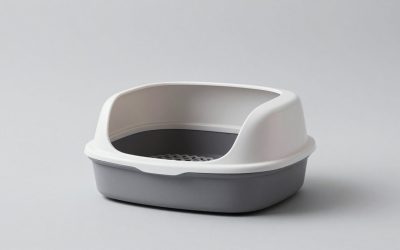
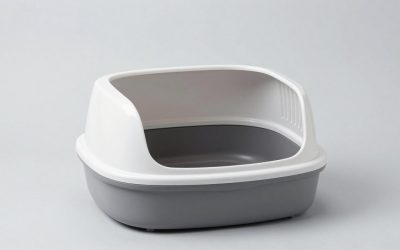
- Open-top scoopers (Neakasa, Mimfam, otoging, UPFAS) move a sifting mechanism through the litter while the cat is away. They feel like a normal pan to a cat.
- Rake-and-tray systems (PetSafe ScoopFree Crystal) comb through a disposable tray of crystal litter. You throw away the whole tray when full.
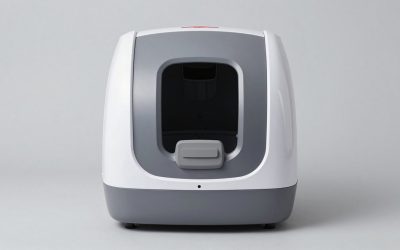
- Rotating drums (PetSafe SmartSpin, Litter-Robot) tip the whole bowl, so clumps fall into a sealed drawer.
For a first auto box, open-top designs are usually the gentlest on the cat, because the entry looks familiar. Drums keep smells more contained but ask the cat to step into an enclosed space.
Comparison Table
| Product | Best for | Key specs | Watch for | Price tier |
|---|---|---|---|---|
| Neakasa M1 Plus | Large cats, first-timers who want an app | Open top, cats about 2.2-33 lb per maker, 11.2 L waste bin, 6 sensors | Large footprint, around 23 lb | Premium |
| PetSafe ScoopFree Crystal Classic | Simple plug-in routine | Disposable crystal tray, hands-free cleaning, no app | Proprietary trays | Budget to mid-range |
| PetSafe ScoopFree SmartSpin | Enclosed look with an app | Cats up to 25 lb, 6 L sealed drawer, up to 2 weeks single cat | Clumping litter only; 2.4 GHz Wi-Fi | Premium |
| UPFAS Automatic Box | Medium cats and kittens | App control, weight monitoring, quiet claim | Assembly required | Budget |
| Mimfam Open-Top | Small budgets, multi-cat homes | 4 pairs of infrared sensors, liner bags and mat included | Bin size and weight limit not listed | Budget |
| otoging Self Cleaning | People who want zero apps | Open top, plug in and press power | Fewer features, specs not listed | Budget |
1. Neakasa M1 Plus: Best Overall for First-Timers
- Cat weight: about 2.2 lb to 33 lb per Neakasa, with a kitten mode that turns off automatic cleaning for the lightest kittens.
- Bin: 11.23 L waste bin and 7.17 L of litter, up to about 14 days for one cat per the maker.
- Entry height: about 13.9 inches.
- Noise: 50 dB or less, per the maker.
- Sensors: six sweeping infrared sensors plus weight sensing; app control on Android and iOS.
Best for: larger cats and owners who want an app. Skip if: your space is tight or you want something under a desk.
The M1 Plus is the easiest of these to recommend because the entry feels like a roomy open pan and it accepts ordinary litter. The kitten mode is thoughtful for a new owner, since you can bring a kitten up to the cleaning cycle gradually. The “Pull and Wrap” waste system seals the bag, which reduces the mess when you take it out.
Plan on a large footprint. At more than twenty pounds empty and about two feet on every side, it needs a dedicated corner and an outlet nearby. If you share a small apartment, measure before you buy.
Pros: roomy open entry; kitten mode; large bin; works with common litter. Cons: big; premium tier; accessories like mats and bags are recurring buys.
2. PetSafe ScoopFree Crystal Classic: Best Simple Setup
- System: plug-in rake, disposable crystal litter tray included.
- Claims: hands-free cleaning and advanced odor control, per the listing.
- App: none (the Complete Smart model of the same family adds Wi-Fi).
- Cat weight and tray life: not listed in this listing; the Crystal Pro family claims up to 30 days per tray.
Best for: one cat, a simple routine, and an owner who will accept buying trays. Skip if: you want data about your cat or you have more than one cat.
The Classic shows why the rake design stays popular. You slide in a tray, plug in, and the rake moves waste toward a covered section. The silica crystals absorb liquid and dry waste, so you are not relying on clumping. The trade is the proprietary tray, and the cat needs to accept the feel of crystals. A good trial is to put a small bag of crystal litter in a regular pan for a week before you commit.
Pros: simplest setup; established maker; low learning curve. Cons: trays are a recurring cost; no app; not ideal for large or multiple cats.
3. PetSafe ScoopFree SmartSpin: Best Premium Enclosed Option
- Size: about 20.9 by 18.9 by 26.4 inches and 25 lb for the white model, per retail specs.
- Cats: up to 25 lb, according to PetSafe.
- Drawer: sealed 6 L, up to two weeks for one cat per PetSafe.
- App: PetSafe Pet Companion app tracks weight and visits; Wi-Fi must be 2.4 GHz.
- Litter: clumping litter. One reviewer warns that crystal and pellets can jam the drum.
Best for: owners who want waste hidden away and an app. Skip if: your cat is wary of enclosed spaces.
The SmartSpin rotates after the cat leaves, with a delay you can adjust. One independent reviewer noted that the interior is tighter than the 25 lb limit suggests, so the large-cat promise deserves caution. Measure your cat before you buy.
Pros: sealed drawer; app; odor containment. Cons: tight for big cats; clumping litter only; premium tier.
4. UPFAS Automatic Cat Litter Box: Best Budget With App
- Control: app control and weight monitoring, per the listing.
- Noise: described as ultra-quiet in the listing; we did not measure it.
- Suited to: medium cats and kittens, per the listing.
- Assembly is required, and bin size is not listed.
Best for: small and medium cats. Skip if: you have a very large cat.
Weight monitoring is more than a gimmick for a first-time owner, because it gives you a baseline for your cat. If the numbers drop or visits spike, that is a prompt to call your veterinarian. Because it is a newer brand, check the warranty before you buy.
Pros: app and weight tracking at a low tier; suits kittens. Cons: assembly; limited published specs; not for large cats.
5. Mimfam Automatic Self Cleaning Litter Box: Best Open-Top Value
- Sensors: four pairs of infrared sensors, per the listing.
- Design: open top for multi-cat homes.
- Included: liner bags and a litter mat.
- Cat weight range and bin size: not listed.
Best for: a budget shopper who still wants an open top. Skip if: you need documented weight limits.
Including bags and a mat is a nice start, since new owners often forget those. As with most budget boxes, ask about parts and support before relying on it long-term.
Pros: open top; bags and mat included; budget tier. Cons: limited published specs; unknown long-term support.
6. otoging Self Cleaning Litter Box: Best No-App Pick
- Setup: no app or Wi-Fi; plug in and press the power button.
- Design: open top.
- Capacity, cat weight limits, sensors and warranty: not listed in the summary.
Best for: anyone who does not want another app. Skip if: you want alerts or tracking.
The listing’s pitch is simplicity. That suits owners who just want fewer scooping chores. The downside is that you will have to check the bin by eye, because nothing will tell you it is full.
Pros: no accounts or apps; open entry; budget tier. Cons: fewer features; limited published detail.
Also Consider
- WARCAT Automatic Litter Box: open top, child lock, ten sensors and a 10 L sealed drawer that the listing says holds ten days.
- Noseeba Automatic Cat Litter Box: open top with app control, an 8 L sealed bin, seven safety sensors and a washable liner.
- Puemin Automatic Litter Box: listed for cats 3-18 lb, with an easy-access step and 8 L waste bin.
How We Chose
We began with the live product store listings, then dropped accessory-only results and boxes without a clear safety description. We checked the leading names against manufacturer pages (Neakasa, PetSafe) and independent reviewers such as Cats.com. We did not personally use any of these boxes. Because many newer brands publish thin specifications, we flagged unknowns as “not listed” instead of guessing. We use price tiers, not numbers, so the guide ages well.
Buying Guide
Start with your cat’s weight and nerves
Weight limits are about sensors. Comfort is about space. A confident 12-pound cat adapts to almost anything. A shy 8-pound cat may not. If your cat is very small, check the minimum weight for automatic mode; many boxes require at least 2.2 to 3 pounds.
Choose open or enclosed
Open tops are simple and leave the cat in control. Enclosed drums contain smell but can feel like a trap. If you are unsure, go open.
Look for two kinds of safety
Prefer boxes that list both infrared sensing and weight sensing, with a delay before cycling. Anti-pinch protection on moving parts is also worth a mention.
Check bin size and your schedule
If you can empty the bin every week, an 8 L bin is fine for one cat. If you travel, the 10 to 11 L bins give you headroom. Multiple cats mean you should assume emptying every few days.
Count consumables
List bags, liners, filters and trays you will buy each month. A box with cheap generic bags is easier on the budget than one that needs branded trays.
Decision Matrix: Match Your Home to a Box
| Your situation | Pick | Reason | Main compromise |
|---|---|---|---|
| Large cat, 15 lb or more | Neakasa M1 Plus | Open top, 33 lb upper range per maker | Takes space |
| Small apartment, one cat | PetSafe ScoopFree Crystal Classic | Compact rake design, one tray at a time | Trays to buy |
| Cat dislikes open boxes | PetSafe ScoopFree SmartSpin | Enclosed drum with sealed drawer | Tighter interior |
| Kitten joining the household | UPFAS or Neakasa kitten mode | Kitten-aware listings | Check minimum weight |
| No smartphone at hand | otoging | No app needed | No alerts |
| Two cats, tight budget | Mimfam or WARCAT | Open top, multi-cat language in listing | Thin specs |
Worked Example: What a Month of Ownership Looks Like
Imagine one adult cat using the box about four times a day. That is about 120 visits a month. In an open-top scooper, each visit triggers one cycle after the delay, so the bin collects roughly 120 small clumps plus the mess from litter that was disturbed. With a bin in the 8 to 11 L range, many makers promise one to two weeks between emptying for a single cat. In practice, plan to empty weekly at first so you learn the real pace.
In a crystal-tray system the same cat leaves the tray in place for up to 30 days, according to PetSafe’s own claim for the Crystal Pro family. That equals twelve trays a year. In a drum system with a 6 L drawer, PetSafe quotes up to two weeks, which means about 26 drawer-empties a year. These are counts, not prices, but they let you plug in the cost of the bags, trays or liners where you shop.
Now compare effort rather than money. A weekly bin empty is roughly five minutes. A monthly tray swap is about the same, but the tray is heavier. A weekly wipe of the sensors and the bowl rim adds a few minutes. Most owners report that the chore shrinks rather than disappears, which is a fair expectation to set.
Where to Put It
Location affects whether the cat uses the box at all. Choose a quiet spot with an outlet, away from the washing machine, food and water bowls. Leave at least a hand’s width of clearance on each side for the moving parts, and make sure the cat cannot be startled by a door slamming near the unit. If you live in a small home, a hallway nook is better than a bathroom with a heavy door. Add a mat in front; open-top models in particular let litter travel out on paws.
From a hygiene point of view, keep grooming tools, towels and shampoo bottles away from the box. Wash your hands after emptying the bin. If anyone in the home is pregnant or has a weakened immune system, ask a doctor about handling cat waste; that is a medical question we cannot answer here.
Troubleshooting Common First-Month Problems
- The cat refuses to enter. Switch the automatic mode off, lower the litter depth only if the maker allows it, and move the box nearer the old spot.
- The box cycles with the cat nearby. Check that the sensors are clean and the litter is at the recommended level. Increase the delay.
- Clumps stick to the bowl. Soft or cheap litter often clings. Switch to a firm clumping litter and wipe the bowl.
- The bin smells even though it is not full. Replace the carbon filter if your model has one and empty the bin on a schedule rather than waiting for the indicator.
- The app disconnects. Many boxes need 2.4 GHz Wi-Fi. A mesh network that merges bands can confuse them.
How to Transition Your Cat Step by Step
- Place it next to the old box. Cats like predictable spots. Do not move the old one yet.
- Keep it off for several days. Let your cat treat it as a plain box. Add some used litter from the old pan so it smells familiar.
- Turn the power on with the longest delay. Stay in the room the first time the cycle runs, so you can pause it if the cat comes back.
- Reduce the delay gradually. Only after the cat is calm about the sound.
- Retire the old box last. If accidents appear, go back a step.
Kittens and older cats take longer. Never use the automatic cycle while a very young kitten is nearby unless the maker lists it for that weight.
Common Mistakes
- Choosing a box that is too small for a growing kitten.
- Skipping the manual mode while the cat gets used to it.
- Using dusty or non-clumping litter in a rotating drum.
- Putting the box near a loud appliance or in a high-traffic hallway.
- Ignoring changes in the waste. Call your veterinarian about any change in urine amount, color or frequency.
Frequently Asked Questions
What is the best auto kitty litter box?
For most first-time owners, the Neakasa M1 Plus is the best all-around choice, with PetSafe ScoopFree Crystal Classic as the simplest. It depends on your cat’s size, your space and how much you want to track. The best auto kitty litter box is the one your cat will actually use.
Do auto kitty litter box reviews agree on a winner?
No. Reviewers weigh noise, size and upkeep differently. Use reviews to spot repeated complaints, such as jams from wrong litter, rather than to find a single champion.
Are self-cleaning litter boxes safe for cats?
Well-made models include sensors and delays, but no box is risk-free. Follow the maker’s minimum weight, keep kittens away from moving parts and never override sensors.
Can a kitten use an automatic litter box?
Only if the maker lists it for the kitten’s weight. Neakasa lists about 2.2 lb for automatic mode and a kitten mode below that. Others require around 3 lb.
How often do I need to clean it myself?
Plan on emptying the waste bin weekly for one cat and wiping the unit monthly or as the maker advises. Deep-clean the bowl or tray with mild soap when you replace the litter.
Are they noisy?
Makers publish figures such as 50 dB or less for some models. Other brands only say “quiet.” Because we did not measure noise, treat claims as approximate and try the box with the cat away first.
What litter should I use?
Use what the maker recommends. Clumping litter suits most open-top and drum designs. Crystal-tray systems need their own trays.
Do I still need to groom my cat differently with an automatic box?
Long-haired cats can carry litter on their coats and between toes regardless of the box. Trim stray fur around the hindquarters if your groomer recommends it, and wipe paws if you notice litter being tracked. A dense mat in front of the box and a weekly brushing routine do more than any box feature.
What if my cat has a medical issue?
Ask your veterinarian before switching boxes if your cat has urinary, kidney or mobility problems. Some conditions make a consistent, easy-to-enter box more important, and a veterinarian may want you to collect samples, which is harder with a fully automatic box.
Is it safe to leave the box running while I am away?
Many owners do, and that is the main appeal. Before you leave for more than a day or two, confirm that the bin has room, the bag is fitted properly, and you have a person who can check on the cat. Never rely only on an app alert.
How long do these boxes last?
Makers rarely publish an expected lifespan. Warranty length is the best proxy: a longer warranty signals more confidence. Moving parts such as motors and gears are the most likely to wear, and dust is the usual cause, so regular cleaning helps.
Which One Should You Buy?
Buy the Neakasa M1 Plus if you have the room and want an app. Buy the PetSafe ScoopFree Crystal Classic if you want the least fuss. Pick the SmartSpin if you want waste sealed away and your cat is comfortable in a drum. The UPFAS and Mimfam are budget entries, and the otoging is for people who want no app at all.
Sources
- Neakasa M1 Plus product page and manual
- PetSafe ScoopFree product pages
- Cats.com independent litter box reviews
- Retailer listings for UPFAS, Mimfam and otoging
Last updated: October 2026




Write Your Review
No reviews yet. Be the first to share your experience!