
Our Top Picks
 Best OverallDr. Elsey's Ultra UnScented Clumping Clay Cat Litter40 lb20 x 14 x 4 inches39.7 poundsCheck on Amazon
 ARM & HAMMER Slide Platinum Easy Clean-Up Clumping18 lbs11.75 x 7 x 13.69 inches18 poundsCheck on Amazon
The best cat litter for cats in most homes is a good unscented clumping clay such as Dr. Elsey’s Ultra Unscented, because it forms firm clumps, has a long track record and rarely bothers sensitive noses. If you want less dust and tracking, tofu litter such as pidan is the runner-up. The honest answer to “which litter is best” depends on your cat’s preferences, your tolerance for dust and tracking, and how you dispose of waste. This guide compares six real products across the four main litter types, adds three more to consider, and gives you a simple way to test what your own cat likes without upsetting the household.
Because this is a grooming and care site, we pay special attention to dust, scent and paw feel, which affect coat and skin hygiene as well as comfort. This guide is research-based. We compared label claims, manufacturer descriptions and independent veterinary-style advice, and we did not personally use these products. We use price tiers, not numbers. For any cat with skin, breathing or urinary concerns, ask your veterinarian before changing litter.
Dr. Elsey's Ultra UnScented Clumping Clay Cat Litter 40 lb. Bag
Picked as a relevant option in this category.
View on AmazonARM & HAMMER Slide Platinum Easy Clean-Up Clumping Cat Litter, 18 lbs | 24/7 Odor Control, Triple-Action Freshness, Non-Stick, Low Tracking, 99.9% Dust Free, Multi-Cat Formula, Scented
Chosen because it specifies 18 lbs and 24/7 Odor Control.
View on Amazon
Arm & Hammer Forever Fresh Clumping Cat Litter Lavender, MultiCat Cat Litter Odor Control 18lb With 20% More Lavender Freshness, With Essential Oils
Chosen because it specifies With Essential Oils.
View on Amazon
Cat's Pride Antibacterial Litter, Odor-Eliminating Scented 12lb
Chosen because it specifies Odor-Eliminating Scented 12lb.
View on AmazonTop Picks at a Glance
- Best Overall: Dr. Elsey’s Ultra Unscented Clumping Clay Cat Litter, for firm clumps without added fragrance.
- Best for Low Tracking and Easy Scooping: ARM & HAMMER Slide Platinum Clumping Litter, a non-stick multi-cat formula.
- Best Fragrance-Free Odor Control: Purina Tidy Cats Free and Clean Unscented, which uses activated charcoal and no fragrance or dye.
- Best Plant-Based Option: pidan Tofu Cat Litter, a clumping, flushable, plant-based pellet per the maker.
- Best Low-Dust Crystal: PetSafe ScoopFree Premium Crystal Cat Litter, a 99 percent dust-free silica gel.
- Best for Keeping an Eye on Habits: Purina Tidy Cats Care Alert Health Monitoring Litter, a non-clumping color-changing crystal.
The Four Main Types of Cat Litter
Choosing a litter is easier when you know the four families, because each solves a different problem.
- Clumping clay (bentonite) forms a ball around urine that you scoop out. It is the most common type, usually the cheapest per use, and works in most boxes. Drawbacks are weight, some dust, and tracking on paws.
- Silica gel crystals absorb liquid and dry solids. They are lightweight and low dust, but the texture feels different underfoot and some cats dislike it. They are the standard litter for crystal-tray automatic boxes.
- Plant-based pellets (tofu, corn, wheat, walnut, pine) are made from renewable materials. They are lighter than clay. Some clump, some do not, and some are flushable per the maker. Check local rules before flushing anything.
- Non-clumping clay and paper are inexpensive but need full changes more often, because urine soaks into the litter instead of forming a ball.
Comparison Table
| Product | Type | Key claims | Watch for | Price tier |
|---|---|---|---|---|
| Dr. Elsey’s Ultra Unscented | Clumping clay | Unscented; 18 lb and 40 lb bags | Heavy; some dust | Budget to mid-range |
| ARM & HAMMER Slide Platinum | Clumping clay | Non-stick, low tracking, multi-cat, 18 lb | Scented | Mid-range |
| Purina Tidy Cats Free and Clean | Clumping clay with charcoal | No fragrance or dye; charcoal for odor | Larger bags are heavy | Mid-range |
| pidan Tofu | Plant-based clumping | Flushable per maker, dust free, less scattering | Pellet feel may not suit every cat | Premium |
| PetSafe ScoopFree Premium Crystal | Silica crystal | 99% dust free, low tracking, fits any box | Non-clumping; unfamiliar texture | Mid-range |
| Purina Tidy Cats Care Alert | Color-changing crystal | Non-clumping, 8 lb bag, ammonia odor control | Not a diagnosis; unfamiliar texture | Premium |
1. Dr. Elsey’s Ultra Unscented Clumping Clay: Best Overall
- Type: clumping clay, unscented.
- Sizes: listed in 18 lb and 40 lb bags.
- Claim: ultra clumping formula, per the maker.
- Fragrance: none added.
Best for: most cats, including those that react to scented products. Skip if: you cannot lift heavy bags or want a plant-based product.
Unscented clumping clay is the default for a reason. It works in every standard pan, hooded box and most automatic boxes that accept clumping litter. Without added fragrance, there is less to bother a cat’s sensitive nose or an owner who is sensitive to perfumes. The sacrifice is that you rely on scooping, rather than perfume, to keep odor down.
For a first trial, the smaller bag is better: you will find out whether your cat accepts the texture before committing to the large one.
Pros: firm clumps; unscented; available in two sizes; works in most boxes. Cons: heavy; some dust; tracks on paws.
2. ARM & HAMMER Slide Platinum Easy Clean-Up Clumping Litter: Best for Low Tracking
- Type: clumping clay for multi-cat homes, 18 lb.
- Claims: non-stick, low tracking, 99.9 percent dust free, 24/7 odor control.
- Fragrance: scented.
Best for: owners who dislike scraping litter off the pan. Skip if: your cat or household avoids scented litter.
The non-stick idea is aimed at the most annoying part of clumping litter: urine clumps that cement themselves to the bottom of the pan. If scooping is a chore you put off, a formula that releases cleanly helps you do it daily, and daily scooping is the best odor control there is. The claims on dust and tracking come from the label; we have not measured them.
Pros: easier scooping; multi-cat formulation; low-dust claim. Cons: scented; not suitable if your cat dislikes fragrance.
3. Purina Tidy Cats Free and Clean Unscented: Best Fragrance-Free Odor Control
- Type: clumping clay with activated charcoal.
- Fragrance and dye: none, per the listing.
- Sizes: 16 lb bag and 38 lb box listed.
Best for: households that want odor control without perfume. Skip if: you prefer a heavier, simple clay with no added ingredients.
Activated charcoal is a long-standing odor absorber, and using it in place of fragrance means the litter does not mask smell, it tries to absorb it. This is a good bridge for people who want something stronger than plain clay but cannot tolerate scented products.
Pros: fragrance-free; charcoal odor absorption; two sizes. Cons: bags are heavy; charcoal can show as dark flecks.
4. pidan Tofu Cat Litter: Best Plant-Based Option
- Type: plant-based tofu pellets, clumping.
- Claims: flushable, dust free, less scattering, fast drying, natural ingredients.
- Pack: two or four bags of 5.3 lb each.
Best for: owners who want a lighter, lower-dust litter and a plant-based material. Skip if: your cat refuses pellets or you live somewhere that restricts flushing.
Tofu litter has a loyal following because pellets are lighter and tend not to cloud when poured. The pellets are larger than clay, which many cats accept easily, though some prefer a sandier feel. If you plan to flush clumps, check your local plumbing and municipal guidance first. Many guides advise against flushing any cat waste, because of parasite risks to waterways, so treat the flushable claim with care.
Pros: low dust; light; plant-based. Cons: pellet texture; premium tier; flushing may be restricted.
5. PetSafe ScoopFree Premium Crystal Cat Litter: Best Low-Dust Crystal
- Type: silica gel crystal.
- Claims: 5x faster odor control than clumping clay, 99 percent dust free, low tracking.
- Compatibility: refills any cat box or tray, per the maker.
Best for: a cat that tolerates crystals and an owner who wants minimal dust. Skip if: your cat has a strong preference for sandy litter.
Crystals absorb liquid inside the granule rather than clumping around it, so you scoop solids and stir the crystals. A tray lasts a good while for one cat, but eventually the crystals need replacing. A tip: introduce them by mixing a handful into familiar litter first.
Pros: very low dust; light; strong absorption. Cons: non-clumping; many cats dislike the feel; full replacement required.
6. Purina Tidy Cats Care Alert Health Monitoring Litter: Best for Watching Habits
- Type: non-clumping, color-changing crystal litter, 8 lb.
- Claim: long-lasting ammonia odor control, per the listing.
- Purpose: the litter changes color in response to changes in urine, per the maker.
Best for: owners who like extra information. Skip if: a color change would cause worry without any medical support.
A color change is a prompt, not a diagnosis. If it appears, contact your veterinarian and describe what you saw, the cat’s habits and how long it has been going on. Do not treat your cat based on the litter alone.
Pros: prompts attention to changes; low-dust crystals. Cons: can cause anxiety; non-clumping; premium tier.
Also Consider
- Cat’s Pride Total Odor Control Max Power: an unscented clumping litter in a 15 lb bag aimed at odor.
- FUKUMARU Tofu Cat Litter: a clumping tofu and corn fiber blend in an 18 lb bag, listed with low dust and firm clumps.
- COCOYO Crystal Cat Litter: a silica gel litter in a 17.2 lb value pack.
How We Chose
We chose products from the main litter families and from brands with widely available sizes. We read the label claims, compared them with the maker pages, and noted where claims were about dust, tracking or odor rather than facts we could confirm. We did not personally use these litters. Because cats differ, we prioritized litters that are easy to sample in small bags and that work in standard boxes.
Buying Guide
Start with your cat’s feet
Cats are particular about texture. Most prefer fine, sandy litter because it is close to natural soil. Pellets and crystals can feel hard. If your cat is older, declawed or has sore paws, choose a softer, finer texture.
Decide on scent
Unscented is safest. Fragrance is mostly for humans, and some cats avoid scented litter. If you want odor control, look for baking soda or charcoal rather than perfume.
Think about dust
Dust is a consideration if anyone in the home has respiratory sensitivities. Look for low-dust claims, pour slowly close to the pan, and talk to a doctor or your veterinarian if there are concerns.
Match the litter to your box
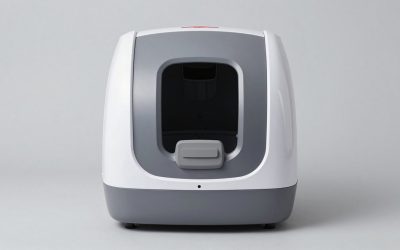
Automatic boxes often require specific litters. Rotating drums usually need clumping litter. Crystal-tray systems need crystals. Check the maker’s guidance.
Consider weight and storage
A 40 lb bag is cheaper per pound but hard to lift. Smaller bags are easier to store and give you a way to test a new litter.
Worked Example: How to Compare Cost Per Month Without Guessing
List the bag size, how many weeks one bag lasts for your pan, and the number of bags you need per year. Suppose an 18 lb bag lasts about four weeks for one cat in a standard pan. That is thirteen bags a year, or about 234 lb of litter. A lighter plant-based litter in a 5.3 lb pack might last two weeks, which is twenty-six packs a year, or roughly 138 lb. Then multiply each count by your local price. The point is to compare per-week cost, not per-bag cost, because lighter litters can look expensive per pound but be used less heavily, or the reverse.
These numbers are examples, not predictions. Your results will depend on the depth you maintain, the number of cats and how often you scoop. Keep a note of the date you open each bag to calculate your own figure.
Decision Matrix: Which Litter for Which Household
| Your situation | Pick | Why | Compromise |
|---|---|---|---|
| One healthy adult cat, standard pan | Dr. Elsey’s Ultra Unscented | Firm clumps, no fragrance | Heavy bags |
| Several cats, scooping fatigue | ARM & HAMMER Slide Platinum | Non-stick, multi-cat formula | Scented |
| Fragrance-sensitive household | Tidy Cats Free and Clean | No fragrance or dye | Dark charcoal specks |
| Dust-sensitive owner | pidan Tofu or PetSafe Crystal | Low-dust claims | Texture change |
| Crystal-tray automatic box | PetSafe Premium Crystal | Designed for trays | Not for clump-only boxes |
| Habit monitoring | Tidy Cats Care Alert | Color-change prompt | Not a diagnosis |
Litter, Paws and Coat: A Grooming Perspective
Litter does not stay in the box. It rides out on paws, collects in the fur between toes and clings to long coats. A few habits reduce the problem more than the choice of brand.
- Trim between the toes. Long-haired cats gather litter in the tufts between pads. A groomer or your veterinarian can show you how to trim carefully.
- Keep the rear tidy. Fur around the hindquarters can pick up clumps. Regular brushing and, where recommended by a groomer, sanitary trims help.
- Use a mat. A textured mat in front of the box catches litter as the cat steps out. Wash it weekly.
- Watch for irritation. If you see redness, licking of the paws or chin acne near the box, check the litter and tell your veterinarian. Fragrance and dust are common suspects, but only a professional can say.
- Check nails. Overgrown claws catch in some crystal and pellet litters, which can make the box uncomfortable.
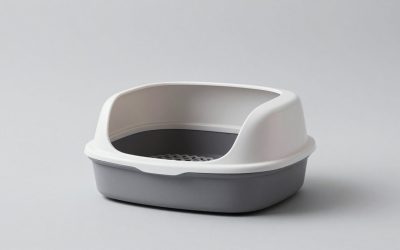
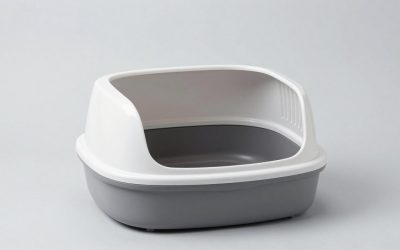
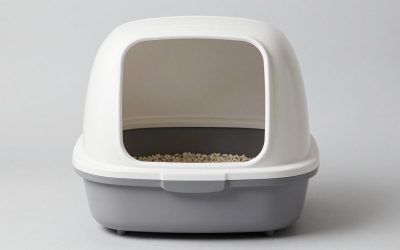
Pellet and crystal litters generally track less than fine clay, but they can scatter when a cat digs. A high-sided pan, or a hooded one, reduces that.
Kittens, Seniors and Multi-Cat Homes
Kittens explore with their mouths, so ask your veterinarian which litter is appropriate while they are very young. Older cats with sore joints need a low entry to the box and a litter that is soft underfoot. In a multi-cat home, the ideal is one box per cat plus one extra, in different places, filled with the same litter at first so no cat feels forced. If cats disagree about litter, offer two types side by side and see how each cat votes. Stress and conflicts around boxes can cause accidents, so keep the setup simple and calm.
A Two-Week Litter Trial You Can Run at Home
Rather than trusting a label, let your cat vote. Set up two pans side by side in the same quiet spot, each with about two inches of a different litter. Keep everything else the same: the same pan type, the same scooping schedule, the same room. For two weeks, note which pan your cat uses first, how often each is used and whether any accidents occur outside the pans. A cat that consistently ignores one pan is giving you a clear answer.
Record two practical numbers as well: how many minutes the daily scoop takes in each pan and how much loose litter appears on the floor. The litter your cat prefers and your household can tolerate is the winner, even if it was not the one you expected.
Litter Myths Worth Dropping
- “Scented means cleaner.” Scent covers smell for people. Cats read it as a strong, sometimes unpleasant, signal.
- “More expensive means better.” Premium litters can be excellent, but a basic unscented clay that your cat accepts will beat a fancy litter it avoids.
- “Flushable means safe to flush.” Local plumbing, septic systems and environmental rules vary. Follow the strictest guidance you have.
- “A color-changing litter can diagnose illness.” It cannot. It can only prompt you to call a professional.
- “The litter should last a month.” Even the best litter needs scooping every day and a full change on a schedule.
Storing and Disposing of Litter
Store bags in a cool, dry place with the lid closed. Moisture makes clay clump in the bag and can allow mold. Use a lidded bin for scooped waste and empty it often. Check local rules before you compost or flush any litter; many areas advise placing cat waste in sealed bags in the trash. Wash your hands after scooping, and ask a doctor for advice if anyone in the home is pregnant or has a weakened immune system.
How to Switch Litter Without Upsetting Your Cat
- Days 1-3: mix about a quarter new litter with three quarters old.
- Days 4-6: go to half and half.
- Days 7-9: go to three quarters new.
- Day 10: use only the new litter if the cat is comfortable.
- Offer a choice: put a small pan of the new litter beside the old pan for a few days and see which your cat prefers.
If your cat starts eliminating outside the box, return to the old litter and call your veterinarian to rule out a medical cause.
Common Mistakes
- Switching litter abruptly.
- Choosing a scented litter to mask poor scooping habits.
- Filling the pan too shallow. A depth of roughly two to three inches is a common starting point for clumping litter.
- Flushing waste without checking local rules.
- Ignoring changes in urine clumps. Larger or more frequent clumps can signal a health problem; mention them to your veterinarian.
Frequently Asked Questions
What is the best cat litter for cats?
An unscented clumping clay litter is the best starting point for most cats. Dr. Elsey’s Ultra Unscented is our top pick. If dust and tracking bother you, a tofu or crystal litter may suit better.
Is clumping litter safe for kittens?
Many veterinarians suggest non-clumping litter for very young kittens, since they may eat litter. Ask your veterinarian which type is appropriate for your kitten’s age.
Is unscented litter better than scented?
For most cats, yes. Cats have a strong sense of smell, and many dislike perfumed litter. Choose unscented and control odor by scooping.
Can I flush cat litter?
Only if the maker says it is flushable and your local rules allow it. Many authorities advise against flushing cat waste. When in doubt, bag and bin it.
How often should I change the litter?
Scoop daily. For clumping litter, a full change roughly every two to four weeks is typical, depending on the number of cats. Non-clumping litters need more frequent changes.
How much litter should be in the box?
Follow the maker’s instructions. For clumping clay, many guides suggest around two to three inches, enough for urine to clump without hitting the pan floor.
Does litter cause allergies?
Dust can irritate some cats and people. Low-dust litters and slow pouring can help. If your cat coughs or sneezes, or you have respiratory symptoms, talk to a veterinarian or doctor.
Which One Should You Buy?
Buy Dr. Elsey’s Ultra Unscented if you want a dependable all-rounder. Choose ARM & HAMMER Slide Platinum if scraping the pan is your complaint. Pick Tidy Cats Free and Clean for charcoal odor control without perfume. Try pidan for a plant-based, lower-dust option, the PetSafe crystal for minimal dust, or the Care Alert if you want extra signals to discuss with your veterinarian.
Sources
- Manufacturer pages and listings for Dr. Elsey’s, ARM & HAMMER, Purina Tidy Cats, pidan and PetSafe
- General veterinary guidance on litter selection and litter box management
- Municipal waste guidance on flushing cat litter
Last updated: October 2026



Write Your Review
No reviews yet. Be the first to share your experience!