
Our Top Picks
 Best OverallTevila XL Enclosed Stainless Steel Litter Box withX-Large23.62 x 15.74 x 15.74 inches8.6 PoundsCheck on Amazon
 Arm & Hammer Pet Scents Deodorizing Gel Beads12 Ounce (Pack of 1)4.3 x 3.5 x 3.5 Inches0.8 poundsCheck on Amazon
The best litter box for odor control is usually an enclosed stainless steel box or a hooded box with a replaceable carbon filter, paired with daily scooping. Our top pick is the Tevila XL Enclosed Stainless Steel Litter Box because steel does not hold on to smells the way scratched plastic can, and the runner-up is the Nature’s Miracle Hooded Flip Top with a charcoal filter for people who want a low-cost plastic option. No box removes odor by itself, though. Smell comes from urine and waste sitting in the pan, so the best design is the one that makes it easier to keep the pan clean. This guide compares six manual boxes, three alternatives, and the habits that matter more than the shell.
This guide is research-based. We compared listing details, maker descriptions and independent advice on cat hygiene, and we did not personally use these products. Where a size or material could not be confirmed we write “not listed.” We use price tiers instead of numbers.
Tevila XL Enclosed Stainless Steel Litter Box with Lid,Black | Scoop & Step & Mat Included ,covered, High Sided, Rustproof & Leak Proof, Easy Clean, Odor Control
Chosen because it specifies Black and Scoop & Step & Mat Included.
View on AmazonArm & Hammer Pet Scents Deodorizing Gel Beads, Fresh Breeze, 12 Oz | Long-lasting odor control for rooms, closets, and small spaces, no plug-in or spray needed
Chosen because it specifies Fresh Breeze and 12 Oz.
View on Amazon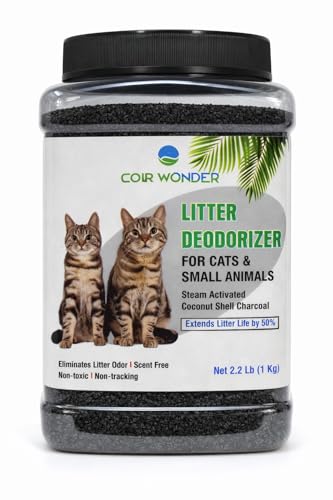
Coir Wonder Cat Litter Deodorizer – 2.2 Lb Activated Charcoal Carbon – Odor Eliminator for Litter Box, Chicken Coop, Small Animal Enclosures – Extends Litter Life – Natural Pet Odor Control Granules
Chosen because it specifies 2.2 Lb Activated Charcoal Carbon and Odor Eliminator for Litter Box.
View on AmazonTop Picks at a Glance
- Best Overall: Tevila XL Enclosed Stainless Steel Litter Box, for a non-porous pan, high sides and a lid.
- Best Value Hooded Box: Nature’s Miracle Hooded Flip Top Cat Litter Box with Charcoal Filter, with a flip top and replaceable filter.
- Best for Big Cats: ZHHUYTDFC Extra Large Enclosed Hooded Dome with built-in steps and a carbon filter.
- Best Compact Steel Box: Powools Stainless Steel Enclosed Cat Litter Box, about 17 by 13 by 15 inches with a carbon pack.
- Best Sifting Design: Yoochee XL Stainless Steel Sifting Litter Box, built for pine pellets.
- Best Budget Sifter: ARM & HAMMER Large Sifting Litter Box with Microban.
Why Cat Litter Boxes Smell, and What a Box Can Do About It
Most of what you smell is ammonia from urine, plus sulfur compounds from waste. Three things make it worse: moisture left in the pan, waste left too long, and surfaces that absorb odor. A box can only help with the third. Stainless steel and smooth, non-stick plastic are easier to wash than scratched, porous plastic. A lid or hood traps smell inside, and a carbon filter absorbs some of what escapes. The trade-off is that enclosure also holds ammonia near your cat’s nose, so scooping matters even more. Sifting systems remove clumps or pellet dust through the base, so urine does not sit against the pan floor.
- Material: stainless steel is non-porous and can be scrubbed hard; plastic is cheaper but can scratch.
- Enclosure: hoods contain smell and scatter but need airflow and cleaning.
- Filter: carbon pads help only if you replace them on schedule.
- Sifting: separates waste from clean litter, which cuts how much you replace.
- Size: a bigger pan spreads urine across more litter, reducing smell at the surface.
Comparison Table
| Product | Best for | Key specs | Watch for | Price tier |
|---|---|---|---|---|
| Tevila XL Enclosed Stainless | Overall odor control | Stainless steel, lid, high sides, scoop, step and mat included | Exact interior size not listed in summary | Mid-range |
| Nature’s Miracle Hooded Flip Top | Budget hooded box | Charcoal filter, flip-top lid, non-stick surface | Plastic; replace filter regularly | Budget |
| ZHHUYTDFC XL Hooded Dome | Large cats | Built-in steps, carbon filter, carry handle | Takes floor space; dimensions not listed | Budget to mid-range |
| Powools Stainless Enclosed | Small spaces | 17.1 x 13.2 x 15 in, carbon pack, elevated step | Smaller interior | Mid-range |
| Yoochee XL Stainless Sifting | Pine pellets, multi-cat | Sifting pan, lid, liners and scoop included | Needs pine pellet litter | Mid-range |
| ARM & HAMMER Large Sifting Box | Easy sifting on a budget | Sifting tray, Microban, made in USA | Plastic; dimensions not listed | Budget |
1. Tevila XL Enclosed Stainless Steel Litter Box: Best Overall
- Material: stainless steel, described as rustproof and leak proof.
- Design: enclosed with a lid and high sides.
- Included: scoop, step and mat.
- Listing claim: easy clean with odor control.
Best for: households that want a pan that stays smell-free after washing. Skip if: your cat dislikes a lid, or you need the exact interior measurements before buying.
Steel has no pores for urine to soak into, which is the most practical odor advantage a box can give. You can wash it with hot water and mild soap and it will not retain scratches that trap smell. The lid helps contain scent between scoops, while the step helps older or smaller cats get in. Included extras such as a mat reduce tracking, another source of litter smell around the room.
Because this is a lidded box, give it a regular airing out, and scoop at least once a day. If your cat starts avoiding it, remove the lid for a few days and see whether acceptance improves.
Pros: non-porous surface; high sides; lid; extras included. Cons: some cats dislike lids; steel can be noisy under claws; heavier to wash.
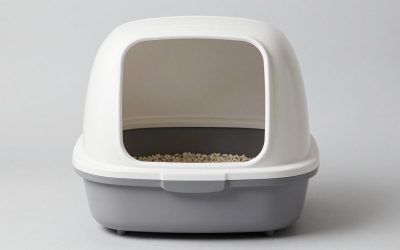
2. Nature’s Miracle Hooded Flip Top Cat Litter Box with Charcoal Filter: Best Value Hooded Box
- Design: hooded with a flip-top lid and simple latches.
- Filter: charcoal filter to absorb odor, per the listing.
- Surface: non-stick finish intended to prevent litter build-up.
- Dimensions: not listed in the summary.
Best for: a first enclosed box on a modest budget. Skip if: you have a large cat or prefer metal.
The flip top is the useful part. Scooping a hooded box can be awkward, and a lid that opens wide makes the daily job quicker, which in turn controls odor better than any filter. The charcoal filter is a consumable, so check that replacements are easy to find. A non-stick surface helps with cleanup but will eventually scratch with use.
Pros: flip top for easy scooping; replaceable filter; low-cost entry to hooded boxes. Cons: plastic can hold odor once scratched; filter needs replacing; size not listed.
3. ZHHUYTDFC Extra Large Enclosed Hooded Dome: Best for Big Cats
- Design: extra large dome with built-in steps and a carry handle.
- Odor features: carbon odor filter, per the listing.
- Litter control: anti-scatter and anti-tracking design.
- Pan: easy-clean with a carry handle.
Best for: larger cats that need more headroom than a standard hood. Skip if: your floor space is tight.
Odor control suffers when a cat feels cramped and kicks litter out. A roomy dome reduces that. Built-in steps keep litter on a mat-like surface instead of the floor. The brand is lesser known, and the dimensions are not given in the summary we reviewed, so measure your space and check the product details before you order.
Pros: roomy; steps and filter included; carry handle. Cons: large; limited published specs; plastic.
4. Powools Stainless Steel Enclosed Cat Litter Box: Best Compact Steel Box
- Size: 17.1 by 13.2 by 15 inches.
- Material: stainless steel with a non-stick finish, per the listing.
- Included: scoop and an activated carbon pack, plus an elevated step.
Best for: small apartments and single cats. Skip if: your cat weighs over about 12 pounds, or you share the box between cats.
The footprint is the draw. In a studio, a compact steel box tucked into a corner can control smell without dominating a room. The trade-off is interior space: smaller pans need more frequent changing, because urine concentrates in less litter.
Pros: compact; steel; carbon pack included. Cons: small interior; may be tight for large cats.
5. Yoochee XL Stainless Steel Sifting Litter Box: Best Sifting Design
- Design: stainless steel sifting pan with lid, for pine pellets and big cats.
- Included: sifting liners and a scoop.
- Litter: designed for pine pellets, not clumping clay.
Best for: multi-cat homes already using, or willing to switch to, pine pellets. Skip if: you want to keep clay clumping litter.
A sifting system is built around a simple idea. Pellets that absorb urine break down into sawdust and fall through to a lower tray, while whole pellets stay above. You remove the dust and top up the pellets. This keeps urine away from the pan surface, and pine has its own scent, which some owners like and some do not. If a cat is sensitive to scented litters, ask your veterinarian before switching.
Pros: separates waste efficiently; steel; large. Cons: only for certain litters; more parts to wash.
6. ARM & HAMMER Large Sifting Litter Box with Microban: Best Budget Sifter
- Design: sifting tray system with antimicrobial treatment, per the maker.
- Origin: made in USA.
- Dimensions and litter type: not listed in the summary.
Best for: people who want a low-cost sifting pan. Skip if: you prefer a lid.
The Microban treatment is designed to inhibit bacterial growth on the plastic surface, which is not the same as controlling odor in the litter itself. Treat it as a bonus, not a substitute for scooping. Check the instructions for compatible litters before you buy.
Pros: low-cost; sifting action; antimicrobial surface. Cons: plastic; no lid; limited specs.
Also Consider
- LCZLBRRD Covered Cat Litter Box: covered, anti-splash design with three modes for kittens to medium cats, mat and scoop included.
- Whisker Litter-Robot 4: a self-cleaning globe with a sealed waste drawer and carbon filter, for owners who want to reduce scooping altogether.
- PetSafe ScoopFree Crystal Classic: a rake system with disposable crystal trays and advanced odor control per the listing.
How We Chose
We selected boxes that list a material or feature related to odor: stainless steel, a carbon filter, a lid, or a sifting design. We compared listing details with maker descriptions and general veterinary hygiene advice. We did not personally use these products, and we avoided any claim of odor measurement. Several newer brands do not publish interior dimensions, which we flag as “not listed.” We placed more weight on cleanability than on filter claims.
Buying Guide
Steel or plastic
Steel resists odor retention and survives scrubbing. Plastic is lighter and cheaper, and a smooth, non-stick surface cleans well when new. If you already own a plastic pan that smells even after washing, moving to steel is the most direct fix.
Open, covered or hooded
Covered boxes hide waste and reduce scatter. Open boxes allow airflow and let you see problems at once. Many cats prefer open pans, so watch behavior after any switch.
Size the pan to your cat
A common rule is a pan about one and a half times your cat’s length. Bigger pans give urine more litter to spread through.
Litter depth and type
Fill clumping litter to roughly two to three inches unless the maker says otherwise, so urine forms clumps instead of reaching the floor of the pan. Pine pellet systems need their own depth guidance.
Plan your cleaning
Scoop daily, top up litter as needed, and do a full empty-and-wash at least monthly, sooner for multiple cats. Use mild, unscented soap; strong fragrances can put some cats off.
A Sample Weekly Odor Routine
- Every day: scoop clumps and waste. If you have a hooded box, open the lid fully and check the filter area.
- Twice a week: top up litter to the recommended depth and wipe the rim.
- Weekly: check the carbon filter. If it is discolored or the box smells even after scooping, replace it.
- Monthly: empty the pan completely, wash with hot water and mild soap, dry fully and refill.
- Every few months: inspect the pan for scratches, cracks and odors that no longer wash out. Replace plastic pans that hold smell.
Worked Example: How Much Litter a Pan Holds and Why It Matters
Pan size affects odor because litter is the sponge. Take the Powools footprint of 17.1 by 13.2 inches. Fill it to a depth of three inches and the litter volume is about 17.1 x 13.2 x 3, or roughly 677 cubic inches, which is close to 11 liters. Now compare a pan with a footprint of 22 by 15 inches at the same depth: about 990 cubic inches, or around 16 liters. The larger pan holds roughly 45 percent more litter for the same depth.
What does that mean for smell? If a cat produces the same amount of urine in each pan, the larger one spreads it through more litter, so each clump is less saturated and the pan stays fresher between full changes. That is why small hooded boxes often need a full empty-and-wash more often than big open ones. It also explains why multi-cat homes feel the smell sooner: the same volume of litter has to absorb more.
The numbers are approximate and depend on the actual interior measurements, which many listings do not state. If a listing says “not listed,” ask the seller or measure the pan yourself once it arrives.
Decision Matrix: Which Odor-Control Style Fits Your Home
| Your situation | Lean toward | Why | Trade-off |
|---|---|---|---|
| You scoop daily and want a pan that washes clean | Tevila or Powools | Steel does not hold odor | Heavier, can be noisy |
| Low budget, first box | Nature’s Miracle | Cheap hood and filter | Plastic wears |
| Big cat or two cats | ZHHUYTDFC or Yoochee | More room and volume | Floor space |
| You want to cut litter waste | Yoochee or ARM & HAMMER sifter | Sifting separates waste | Needs compatible litter |
| You travel often | Litter-Robot 4 (Also Consider) | Sealed drawer, automatic removal | Premium tier |
| Cat dislikes lids | ARM & HAMMER sifter or open pan | Open airflow | Less scent containment |
How to Deep-Clean a Smelly Litter Box
If a box still smells after you scoop, a deep clean usually fixes it. The reason for each step matters, because skipping one often brings the odor back.
- Empty it completely. Old litter underneath fresh litter is where much of the smell lives.
- Remove filters and liners. Carbon filters cannot be washed; replace them. Liners go in the bin.
- Wash with hot water and mild, unscented soap. Scrub corners and the lid edge where residue gathers.
- Rinse and dry fully. Moisture left in the pan causes litter to stick and smell.
- Refill to the maker’s depth. Too shallow and urine reaches the floor; too deep wastes litter.
- Replace the pan if it still smells. Deep scratches in plastic can hold odor; this is the moment steel earns its place.
Avoid strong-smelling cleaners. A cat that dislikes the scent may avoid the box, which creates a bigger problem than the smell you started with.
Pairing the Box with the Right Litter
A box and a litter work as one system, so match them. Clumping clay litter suits standard pans and hooded boxes, because you remove clumps and leave clean litter behind. Silica crystal litter suits crystal-tray systems and absorbs liquid rather than clumping. Pine pellets suit sifting pans, where used pellets crumble and fall through. Tofu and other plant-based litters clump but may be lighter and track differently. Using the wrong pairing is a common cause of odor complaints: pellets in a plain pan turn into a damp sawdust layer, and non-clumping litter in a hood can hold urine against the floor.
If you change litter, mix the new with the old for a week. Cats are sensitive to texture and scent, and a sudden switch can cause avoidance. If your cat has any urinary history, talk to your veterinarian before changing litter type.
Seniors, Kittens and Mobility
Older cats with stiff joints may struggle with high sides and lids. Look for a low entry or a built-in step, such as those on the Powools and ZHHUYTDFC listings, and be ready to remove the lid if the cat hesitates. Kittens need a low entrance and a small pan; a large steel box with high sides can be hard to climb into. Whichever stage your cat is in, watch for hesitation, perching on the edge or eliminating outside the box. These are signs to adjust the setup, and if they persist, to call your veterinarian.
Multi-Cat Homes
A common guideline is one box per cat plus one extra, placed in different rooms. Several boxes in one spot count as one box to a cat. In multi-cat homes, odor control depends more on frequency of cleaning than on box choice. Daily scooping of every box and a monthly full wash is a reasonable baseline. If you cannot keep up, an automatic box with a sealed drawer may reduce the burden, but it still needs regular attention.
Common Mistakes
- Leaving waste in the box for several days because a lid hides it.
- Using harsh cleaners with strong scents that discourage the cat.
- Choosing a hood too small for the cat, which causes litter to be kicked out.
- Ignoring a sudden strong smell. Changes in urine odor or amount can signal a health issue, so mention it to your veterinarian.
- Skipping a second box in a multi-cat home. A common guideline is one box per cat plus one.
Frequently Asked Questions
What is the best litter box for odor control?
A stainless steel enclosed box such as the Tevila XL is our top pick, with a hooded box and carbon filter as the budget route. Whichever you choose, daily scooping controls most of the smell.
Do hooded litter boxes really reduce smell?
They contain smell and scatter, and a carbon filter absorbs some odor. But a hood can also trap ammonia inside, so you need to scoop at least daily and keep the filter fresh.
Is stainless steel better than plastic for odor?
Generally yes, because it is non-porous and easy to scrub. Scratched plastic can absorb odors over time, so replace old plastic pans.
How often should I change the carbon filter?
Follow the maker’s schedule. Many filters need replacing every few weeks to a couple of months, and sooner if you have multiple cats.
Do sifting litter boxes control odor?
They help because waste is separated from clean litter and urine does not sit against the pan. They work best with the litter type the maker specifies, such as pine pellets.
Where should I put the litter box to reduce smell?
Choose a ventilated, quiet area away from food and water. Avoid closets with no airflow. Keep it accessible so the cat does not look for another place.
My cat’s litter smells stronger than usual. Should I worry?
A strong change in smell can be a sign of a urinary or digestive issue. Call your veterinarian, especially if your cat is straining, going more often or has changed habits.
Which One Should You Buy?
Choose the Tevila XL if you want a durable steel pan with a lid. Choose Nature’s Miracle if you want a low-cost hooded option with a charcoal filter. Pick the ZHHUYTDFC for large cats and the Powools for a small home. If you want to move away from clay litter, the Yoochee sifting box is the practical steel choice, and the ARM & HAMMER sifting box is the budget version. If you are tired of scooping altogether, look at the Also Consider section.
Sources
- Retailer and maker listings for each named product
- Nature’s Miracle and ARM & HAMMER product pages
- Whisker Litter-Robot 4 and PetSafe ScoopFree product pages
- General cat litter box hygiene guidance from veterinary clinics
Last updated: October 2026




Write Your Review
No reviews yet. Be the first to share your experience!