
Best brush for ragdoll cat owners is usually whichever one the cat will actually sit still for. A Ragdoll is large, laid-back, and easy to over-brush, so tool choice is as much about handling and tolerance as it is about pulling hair. Here are six picks organised around body zones and daily routine.
Our top picks

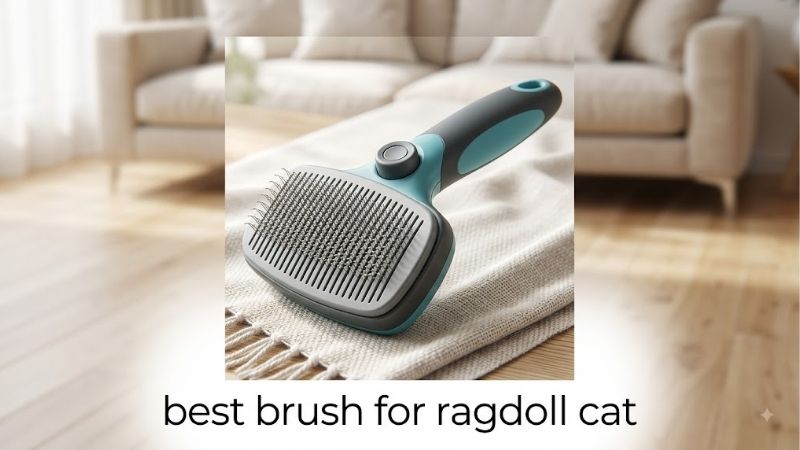
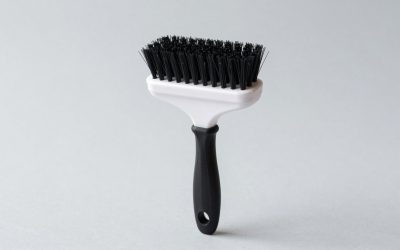
 Aumuca Cat Brush for Shedding
- Hair Type: All
- Item Dimensions L x W x H: 4.05"L x 1.54"W x 9.64"H
- Bristle Material: Stainless Steel


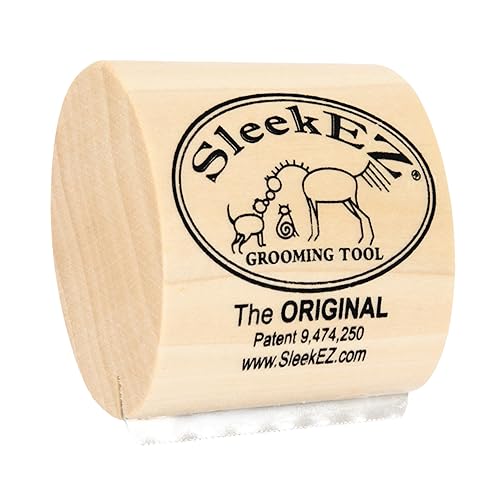
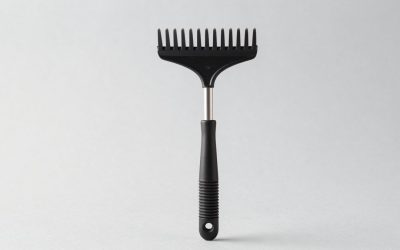
 Docrok Pet Grooming Combo
2-in-1 rake and comb combo covers dematting and deshedding in one set
Soft, protective edges are designed to avoid hurting the pet
Stainless steel teeth and TPR handle add durability and comfort
Geared toward medium and long-haired coats, less so short fur
Combo tools need periodic cleaning to clear trapped hair

As an Amazon Associate we earn from qualifying purchases at no extra cost to you.
As an Amazon Associate we earn from qualifying purchases.
By Laura Simmons
🛒 Best Price Today on Amazon
Prime members get fast, free shipping on everything above, plus member-only deals. New members get a 30-day free trial — cancel anytime.
Start 30-Day Prime Free Trial →See Today’s Amazon DealsHow to Choose the Best Brush for Ragdoll Cat Grooming
Most grooming plans fail because they treat the cat as one surface. A Ragdoll’s back needs a different tool from its armpits, and a cat that is comfortable on its side is a different proposition from one lying on your lap. Choosing the best brush for ragdoll cat routines starts with matching the tool to the zone and the position.
Split the Coat Into Zones
The back, sides, and tail carry the easiest hair to work with, and almost any soft brush handles them. The ruff, armpits, britches, and belly are where friction builds tangles, and those areas need a tool narrow enough to reach skin without pinning the cat down.
Working zone by zone also makes a session finishable. Two minutes on the back today and two on the britches tomorrow beats a twenty-minute full groom that ends with a scratched hand. Ragdolls are patient by reputation, not by guarantee, and patience runs out fastest on the belly.
Judge Tools by Tolerance, Not Yield
A tool that removes twice as much hair is worthless if the cat leaves after thirty seconds. Rubber brushes and grooming gloves remove less per stroke than wire, but many cats accept them immediately because the sensation resembles being stroked rather than combed, which makes them ideal for the first weeks.
Watch the tail and the skin, not the pile of hair. A flicking tail tip, rippling skin along the back, or a sudden head turn are all early signals to stop before the cat decides grooming is unpleasant. Ending a session while the cat is still relaxed is how you get the next one.
Prioritise Soft, Flexible Contact
Cat skin is thin and moves under the coat, so brushes with rigid wire and a stiff pad transmit far more pressure than they appear to. Soft slickers, coated-tip pins, and rounded bristles all follow the body better and are much less likely to leave the pink irritation that makes a cat refuse the brush next time.
Silky Ragdoll hair also breaks more easily than a woolly coat felts. Long, dragging strokes with a firm tool snap guard hairs and leave the coat looking fluffy but thin. Short strokes, in the direction the coat lies, keep the hair intact, which is why the best brush for ragdoll cat coats is nearly always a soft one.
Build the Habit Around Feeding Time
Attaching two minutes of brushing to a fixed daily event does more for coat condition than any single tool. Most owners find just after a meal works best, when the cat is settled rather than mid-play. Hairball season pays that habit back twice over, since hair caught in a brush is hair the cat never swallows.
Kitten owners get the biggest return here. A Ragdoll coat is still developing through the first two to three years, so a cat that learns to enjoy handling at six months is far easier to groom once the ruff and britches fill out and mats become possible.
Top Picks: Best Brush for Ragdoll Cat Owners
These six are chosen for tolerance and reach rather than raw hair removal, which is what the best brush for ragdoll cat grooming actually needs. Between them they cover the back and sides, the tricky friction zones, bath time, and the cat that has decided brushes are the enemy.
| Tool | Best Zone | Type | Why It Works |
|---|---|---|---|
| JW Pet GripSoft Cat Slicker | Back and sides | Soft slicker | Flexible pins, low pressure |
| DELOMO Grooming Glove | Whole body, nervous cats | Silicone glove | Feels like being stroked |
| Millers Forge Steel Comb | Ruff and britches | Greyhound comb | Finds tangles at skin level |
| Bass Bamboo Pin Brush | Finishing the topcoat | Pin brush | Rounded tips, no snagging |
| KONG ZoomGroom Cat | Bath and loose hair | Rubber brush | Works wet or dry |
| Pet Republique Cat Slicker | Everyday maintenance | Budget slicker | Small head, easy to store |
JW Pet GripSoft Cat Slicker Brush
Softer pins than a dog slicker and a small head sized for a cat make this the safest daily brush on the list. It lifts loose hair from the back and sides efficiently, and the rubber handle stays put when a large cat shifts position halfway through a stroke, which is more useful than it sounds.
The softness that makes it safe also limits it. It will not clear a formed tangle, and on a really heavy spring shed it moves less hair than a dedicated deshedding tool. It also needs cleaning by hand, since there is no retraction mechanism to release the collected hair.
DELOMO Pet Grooming Glove
The tool for the Ragdoll that has decided brushes are suspicious. Silicone tips on a glove mean the cat feels a hand, so most accept it immediately, and it doubles as a way to reintroduce grooming after a bad experience with a wire brush. For nervous cats it is often the only tool accepted in the first fortnight.
Hair yield is modest and it does nothing useful for tangles, so treat it as a bridge rather than a solution. The gloves also collect a mat of hair on the palm that needs peeling off every minute or so, and the one-size fit is loose on smaller hands, which costs you some control.
Millers Forge Steel Comb
A plain greyhound-style steel comb is the only reliable way to check the ruff, armpits, and britches for tangles forming out of sight. Millers Forge builds them with well-finished teeth that pass through silky hair cleanly, which matters on a coat that snags on rough edges.
It demands technique. Dragging it into a knot hurts and teaches avoidance, so hold the hair at the base and work from the tips inward in small sections. Bare metal also offers no cushioning for your hand, so long sessions are less comfortable than with a padded brush.
Bass Bamboo Pin Brush
A bamboo-handled pin brush with rounded tips, used as the last step once combing is done. It separates and smooths the topcoat without pulling, and on a well-maintained Ragdoll it produces the soft, open finish the breed is known for in about a minute per side.
It is purely a finishing tool. It will not remove significant undercoat, break a tangle, or help during a heavy shed, so it only earns its place alongside a comb. The bamboo handle also needs to stay dry between uses, which rules it out for post-bath work and for anyone who likes rinsing tools under the tap.
KONG ZoomGroom for Cats
Rubber nubs that work equally well on a dry coat and during a bath, which is unusual. Used dry it pulls a surprising amount of loose hair from the back and flanks; used with shampoo it helps the product reach skin level through a dense ruff without any risk of scratching.
It is bulky for precise work and useless in the armpits or behind the ears. Loose hair also clings to the rubber in clumps that need pulling off by hand. As a bath tool and a low-stress everyday option it is excellent value, but it cannot be your only brush.
Pet Republique Cat Slicker Brush
An inexpensive small-headed slicker for households that want a second brush to keep in another room, which quietly raises how often grooming actually happens. Fine bent pins clear loose surface hair well enough on a coat that is already being combed regularly.
Build quality reflects the price. The plastic body flexes, the pins are less consistently finished than the branded options, and it will not survive being dropped repeatedly. Keep the pressure light, because a cheap slicker used firmly is the fastest route to an irritated patch of skin.
Frequently Asked Questions
Owners searching for the best brush for ragdoll cat care usually have the same practical worries, especially in the first year when the coat is still filling out. The four answers below cover session length, what to do with a cat that objects, whether bathing is necessary, and when to start with a kitten.
How long should a brushing session last?
Two to five minutes is plenty if it happens most days. Long sessions test a cat’s patience and rarely end well, while short daily ones keep the coat in order and build tolerance. Stop while the cat still looks relaxed rather than waiting for the moment it walks away.
My Ragdoll hates being brushed. What now?
Go back a step. Start with a grooming glove or your hand, pair it with food, and work only on the back and cheeks for a week. Reintroduce the brush for a few strokes at a time in the same spot. Most refusal traces back to one uncomfortable session near the belly or armpits.
Do Ragdolls need bathing as well as brushing?
Rarely. A well-brushed Ragdoll keeps its own coat clean, and baths are mostly reserved for a genuine mess or a vet recommendation. If you do bathe, comb thoroughly first, because any tangle present when the coat gets wet will tighten considerably as it dries.
When should I start brushing a Ragdoll kitten?
As soon as it is settled in the home. The kitten coat barely needs it, which is exactly the point: you are training tolerance while there is nothing to pull. A cat that has been handled daily from twelve weeks is dramatically easier to groom at three years old.
See More:
- Best dog shampoo for Australian Shepherds
- Best natural dog shampoo
- Best slicker brush for dogs
- Best toothbrush for small dog
- Best cat brush for ragdolls
Final Thoughts
The best brush for ragdoll cat grooming is rarely one item. A soft slicker or glove for the back, a steel comb for the friction zones, and a pin brush to finish covers the whole cat between them, and none of it takes more than a few minutes a day. Keep the pressure light, work in short sessions, and stop before the cat asks you to.



Write Your Review
No reviews yet. Be the first to share your experience!