
Our Top Picks
Pros & cons
- Works across short, medium, and long coat lengths
- Patented design grabs hair tips to reduce painful tugging
- Doubles as a tool for removing pet hair from furniture and cars
- 5-inch size may be small for grooming large dogs quickly
- Metal construction requires careful storage away from small children
Pros & cons
- Dual-sided design pairs a 9-tooth and 17-tooth comb in one tool
- Rounded teeth are designed to reduce irritation while deshedding
- Non-slip rubber base helps keep the brush steady during use
- Dense double coats may require repeated passes for full deshedding
- Metal teeth need periodic cleaning to clear trapped hair
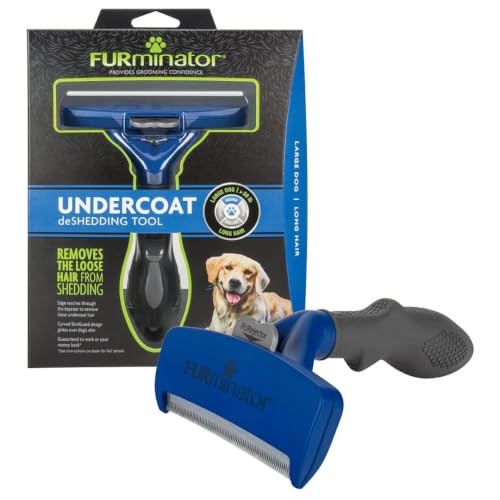 Best Overall (edged tool)FURminator Large Dog Undercoat deShedding Tool for LongLarge6.5 x 2 x 8.75 inches0.6 poundsCheck on Amazon
The best deshedding brush for dogs is the one that matches your dog’s coat length and that you will use gently, and for most double-coated dogs the FURminator Large Dog Undercoat deShedding Tool is the most recognized option, while the Mars Coat King Double Wide Undercoat Rake is a professional-style alternative that is kinder to coats prone to thinning. For smaller dogs and cats, the EquiGroomer 5-Inch Undercoat Deshedding Brush is a compact pick. This guide compares six deshedding brushes from the current product store, explains how each type works, and puts technique first, because how you use a deshedding brush matters as much as which one you buy.
A deshedding brush is a grooming tool built to pull loose undercoat out of a dog’s coat before it ends up on your floor. That sounds simple, but the category is mixed: some tools have a fine metal edge, some have rows of rake teeth, and some are a hybrid of brush and comb. Used well, they cut shedding noticeably in a heavy season. Used too often or too hard, they can strip healthy hair and irritate skin. We cover six tools, the way each one works, a safe routine, and the mistakes groomers see most often. This guide is research-based; we did not personally use these products, specs come from the listings, and anything not stated is marked “not listed”. Costs appear only as tiers. If your dog’s shedding seems excessive or patchy, talk to your veterinarian before grooming.

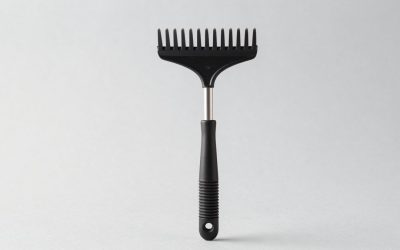
SleekEZ Dog Brush for Shedding | Patented Deshedding Dog Brush | Pet Hair Remover for Short, Medium & Long Coats | Made in USA | 5 Inch
Chosen because it specifies Patented Deshedding Dog Brush and Pet Hair Remover for Short.
View on Amazon
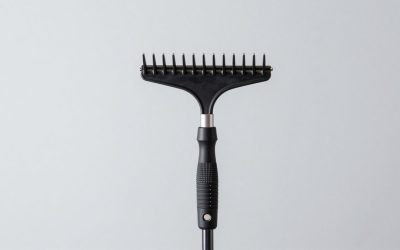
Maxpower Planet Dog Grooming Rake, Deshedding Undercoat Brush, Dogs & Cats | Blue Deshedding & Dematting, Extra-Wide Double-Sided Comb, Long-Haired Coats, Reduces Shedding, Original Design
Chosen because it specifies Deshedding Undercoat Brush and Dogs & Cats.
View on Amazon
Professional 3PCS Self Cleaning Slicker Brush & Pet Grooming Rake & Flea Comb for Dogs,Cats and Horses | Double-Sided Dematting Comb & Skin Friendly Deshedding Grooming Tool | Pet Supplies
Chosen because it specifies Cats and Horses and Pet Supplies.
View on AmazonFURminator Large Dog Undercoat deShedding Tool for Long Hair | Reduces Loose Hair From Shedding, Easy Clean-Up, For Dogs Over 50 lbs, Use Weekly, Ergonomic Handle For Comfort
Chosen because it specifies Reduces Loose Hair From Shedding and Easy Clean-Up.
View on AmazonTop Picks at a Glance
- Best Overall (edged tool): FURminator Large Dog Undercoat deShedding Tool for Short Hair.
- Best Rake for Thick Coats: FURminator Grooming Rake Tool for Dogs and Cats with Thick Coats, with rotating metal teeth.
- Best Professional-Style Rake: Mars Coat King Double Wide Dematting Undercoat Grooming Rake, stainless steel with a wooden handle.
- Best Compact Option: EquiGroomer 5-Inch Undercoat Deshedding Brush, for dogs up to 50 pounds and cats of any size.
- Best Extra-Large Rake: KIZO ESLO XL+ Undercoat Rake, a two-sided rake for big dogs.
- Best Budget Wooden-Handle Brush: Cooncicy Deshedding Dog Brush with Wood Handle.
Comparison Table
| Product | Tool style | Best for | Key specs (from listing) | Watch for | Price tier |
|---|---|---|---|---|---|
| FURminator Large Dog Undercoat deShedding Tool (Short Hair) | Edged tool | Large dogs with short topcoat and dense undercoat | Large dog size; short hair version; easy clean-up | Over-use thins coat | Mid-range |
| FURminator Grooming Rake | Rake with rotating teeth | Thick coats and tangles | Rotating metal teeth; for dogs and cats | Can pull on mats | Budget to mid-range |
| Mars Coat King Double Wide Rake | Rake, stripper-style | Heavy undercoat on larger dogs | Stainless steel; wooden handle; double wide | Firm; use light strokes | Premium |
| EquiGroomer 5-Inch | Brush with fine pins | Dogs up to 50 lb and cats | 5-inch width; purple handle per listing | Small for big dogs | Mid-range |
| KIZO ESLO XL+ Undercoat Rake | Two-sided rake | Large and giant breeds | XL+ size; two-sided; EU-registered design per listing | Heavy to hold | Mid-range |
| Cooncicy Deshedding Dog Brush | Comb-style brush | Low-cost trial | Wood handle; for dogs and cats | Specs minimal | Budget |
1. FURminator Large Dog Undercoat deShedding Tool for Short Hair: Best Overall Edged Tool
- Size class: large dog
- Coat type: short hair version (a long-hair version is sold separately)
- Function: reduces loose hair from shedding; easy clean-up
- Edge length and handle material: not listed in the short title
Best for: large short-coated dogs with a dense undercoat, such as Labradors and Shepherd mixes. Skip if: your dog has a single-layer silky coat, sensitive skin, or mats.
An edged tool has a row of tiny teeth set in a metal strip. The teeth slip through the topcoat and catch loose undercoat. Because it grabs hair directly, it takes out a surprising amount in a few strokes, which is why owners reach for it in the heavy shed. The same feature is why groomers urge caution: a firm stroke on a coat that is not ready can cut healthy guard hairs, and repeated passes in one spot can irritate skin.
Choose the size to match your dog and the coat length to match the topcoat. If you are not sure, ask a groomer to show you the technique once; a ten minute demonstration prevents most mistakes.
Pros: effective on undercoat; clear sizing; easy to clean. Cons: can overdo; not for every coat; mid-range tier.
2. FURminator Grooming Rake Tool for Dogs and Cats with Thick Coats: Best Rake for Thick Coats
- Design: rake with rotating metal teeth
- Use: removes loose hair and tangles; for dogs and cats with thick coats
- Width and handle: not listed in the short title
Best for: thick coats, feathering, and light tangles. Skip if: your dog has a short smooth coat, since the rake teeth have little to catch.
The rotating teeth are meant to glide through tangles rather than snag. A rake works on a different layer than an edged tool: it loosens the undercoat from the root and combs it out in longer strokes. It is gentler than an edged tool and a good choice for coats that are fluffy rather than dense.
Pros: rotating teeth; works on tangles; lower tier than many options. Cons: not for short coats; can pull on knots.
3. Mars Coat King Double Wide Dematting Undercoat Grooming Rake: Best Professional-Style Rake
- Material: stainless steel with a wooden handle
- Design: double-wide, dematting and undercoat rake for dogs and cats
- Blade count and tooth length: not listed in the short title
Best for: experienced owners with a heavily coated dog, or those who want a tool that groomers recognize. Skip if: you are looking for a budget tool.
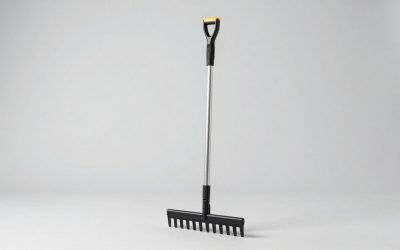
The Coat King design is a well-known grooming tool: a row of widely spaced teeth set in a handle. It is used to strip dead undercoat and open up light mats. The wide head covers more coat per stroke, which suits larger dogs. Use it with a light hand: it is firm.
Pros: sturdy build; wide head; professional tool. Cons: premium tier; takes practice; too large for small dogs.
4. EquiGroomer 5-Inch Undercoat Deshedding Brush: Best Compact Option
- Width: 5 inches
- Suited to: dogs up to 50 pounds and cats of any size, per the listing
- Color: purple
- Material: not listed in the short title
Best for: small and medium dogs, and households with a cat as well. Skip if: you have a large breed; the narrow head will take a long time.
A smaller head means more control around legs, tails, and tight spots. The listing names a weight limit of 50 pounds for dogs, which is a handy sizing guide. Because it works on cats too, it can be a single tool for a mixed household, though you should use light pressure on cats.
Pros: compact; sizing guidance in the listing; works for dogs and cats. Cons: narrow for big dogs; mid-range tier.
5. KIZO ESLO XL+ Undercoat Rake: Best Extra-Large Rake
- Design: XL+ two-sided rake, described as an EU-registered design
- Use: undercoat removal and dematting for dogs and cats
- Material and tooth spacing: not listed in the short title
Best for: large and giant breeds that shed heavily. Skip if: you have a small dog, since the head is too big to maneuver.
Two sides usually mean two tooth spacings, so you can start wide and finish fine. For giants like Newfoundlands and Great Pyrenees, a tool with a large head cuts grooming time noticeably. Check the weight and the grip before buying, since a big rake can tire the wrist.
Pros: large head; two-sided; mid-range tier. Cons: heavy; details limited in the short title.
6. Cooncicy Deshedding Dog Brush with Wood Handle: Best Budget Wooden-Handle Brush
- Design: deshedding comb and undercoat brush with a wood handle
- Use: dogs and cats
- Size and tooth material: not listed in the short title
Best for: trying a deshedding brush at the lowest tier. Skip if: you need a verified size or want a long-term tool.
It is a basic option for owners who want to see whether their dog tolerates deshedding before spending more. Check the pin ends for roughness out of the box.
Pros: budget tier; wooden handle. Cons: little detail in the listing; build quality at this tier varies.
Also Consider
- DOGI Deshedding Brush Undercoat Rake: a double-row stainless pin rake for dogs and cats at a low tier.
- Staltwo Deshedding Dog Brush: an orange, extra-wide, double-sided undercoat rake.
- MIU COLOR Pet Grooming Brush: a low-cost deshedding tool for dogs and cats; check the full listing before relying on its claims.
How We Chose
This guide is research-based. We did not personally use these products. We searched the current product store for deshedding brushes and undercoat rakes, grouped them by tool style, and read the listing details for size, material and intended coat type. We reviewed general grooming guidance from veterinary and grooming sources on technique and frequency. We limited each brand to two picks and noted where details are not listed. Price tiers are general ranges. This article takes a technique-first angle and is not a general ranking of every brush type; for slicker brushes and fall-shedding schedules see our other grooming guides.
Buying Guide
Know the three tool shapes
Edged tools (FURminator style) have fine teeth in a metal strip and pull undercoat in a few strokes. Rakes (Coat King, KIZO ESLO, EquiGroomer) have teeth of varying length and loosen undercoat with less force. Comb-style brushes (Cooncicy and similar) sit between the two. Edged tools remove the most per stroke but need the most care.
Match the width to the dog
For dogs under 25 pounds, a head of 3 to 5 inches is easier to control. Over 50 pounds, 6 inches or more saves time. Giant breeds benefit from XL heads.
Check the coat is ready
Brush only a clean, dry, mat-free coat. Mats must be worked out first, because a rake or edged tool pulling on a mat hurts. If your dog has heavy mats, ask a groomer.
Use light pressure and short sessions
Let the tool do the work. Hold it at a shallow angle and use short, overlapping strokes with the grain. Stop when you stop getting fur, usually in ten to fifteen minutes. Do not keep going over the same patch.
Frequency
For edged tools, one or two sessions a week during heavy shedding, and less at other times. For rakes, a few times a week is usually safe. Follow the maker’s directions.
Safe Routine in Seven Steps
- Inspect the coat and skin. Look for mats, scabs, or hot spots. Reason: tools should not pass over irritated skin.
- Bathe and dry if your groomer recommends it. Clean, dry coat releases undercoat more easily.
- Brush with a slicker first. Reason: it removes surface hair and small tangles so the deshedding tool does not snag.
- Use the deshedding tool in sections. Start at the shoulder, work along the back, then the sides and thighs. Avoid the belly, face and genital area.
- Clean the tool as you go. Fur builds up in the teeth and makes strokes less effective.
- Stop at the first sign of redness. Reason: redness means the skin is irritated.
- Reward and clean up. Finish with a treat and sweep or vacuum.
Common Mistakes to Avoid
- Using an edged tool daily, which can thin the coat.
- Pressing hard to get more fur out.
- Brushing a wet or matted coat.
- Shaving a double-coated dog to cut shedding; ask a groomer or veterinarian first.
- Ignoring patchy hair loss, itching or flaky skin; see your veterinarian.
Reading Your Dog’s Coat Before You Brush
The same tool can be right for one dog and wrong for another, so take a minute to read the coat. Part the hair with your fingers on the shoulder or the back. If you see a dense, woolly layer under longer guard hairs, the dog has a double coat and a deshedding tool has something to work on. If the hair lies flat and single-layered and you can see skin through it, there is little undercoat and a deshedding tool will mostly pull healthy hair. Smell and feel matter too: a coat that is greasy, flaky, or smells strongly needs a veterinary look before grooming, not a tool.
| What you see | What it means | Tool direction |
|---|---|---|
| Dense woolly layer under longer hair | Double coat | Rake or edged tool, light pressure |
| Short single layer, skin visible when parted | Single smooth coat | Rubber curry or soft brush; skip edged tools |
| Long silky hair with tangles | Long single coat | Slicker and comb; rake only on thick feathering |
| Wiry texture | Wire coat | Hand stripping or a groomer; avoid edged tools |
| Mats against the skin | Matted coat | Groomer or veterinarian; do not rake |
Worked Example: A 60 Pound Dog in Spring
Take a 60 pound Labrador mix with a short double coat in a heavy spring shed. A good plan is a bath and thorough dry on day one, a slicker pass to lift the surface hair, and then a deshedding tool pass on the back and sides for ten minutes. Repeat the deshedding session on day four, then once a week while the shed lasts, which is usually three to six weeks. Between sessions, a rubber curry in the shower or a slicker most days keeps the loose hair moving. If you do the sessions outdoors, expect a pile of fur roughly the size of a small cushion for the first pass, and less each time after. When the pile shrinks to a few tufts, the shed is ending and you can back off.
The cost of the plan is time and one tool. By contrast, a professional deshedding service may be worth one visit at the start of a big shed if your dog is large, anxious, or has a very heavy coat. Ask a groomer what they use and why, and ask them to show you how to hold the tool.
Cleaning and Storing Deshedding Tools
Pull the hair off the teeth after every few strokes and again at the end. Wipe the metal with a damp cloth, dry it, and store the tool with its guard on if it came with one. Check the teeth for bends and the handle for cracks. A damaged edge can scratch. Wooden handles should be wiped rather than soaked. Keep sharp-edged tools out of reach of children, and store them where dogs cannot chew them.
Breed Examples: What Each Coat Tends to Need
Breed is a rough guide only, but examples help you picture the match. A Siberian Husky or Alaskan Malamute has a thick double coat that blows twice a year; a rake or an edged tool used in short sessions is the standard approach. A German Shepherd sheds year-round with heavier seasons; an edged tool for the undercoat and a slicker for the topcoat work well. A Golden Retriever has long feathering plus an undercoat; a rake handles the feathering and thighs, while an edged tool or a slicker covers the body. A Labrador has a short, dense double coat; a short-hair edged tool or a rubber curry usually suffices. A Corgi sheds heavily from a short but thick undercoat and does well with a compact rake or an edged tool in the small size. A Pomeranian or Samoyed has a fluffy coat that mats; a rake and a comb, used daily during the shed, keep it open. A Greyhound, Boxer, or Doberman has little undercoat and rarely needs a deshedding tool at all; a soft brush is enough. If your dog is a mix, use the coat test above rather than guessing from the breed list.
Troubleshooting
The tool takes out almost no hair
Your dog may not be in a shed, or the coat may be single-layered. Try a different angle, check that the coat is clean and dry, and consider whether a slicker would suit better. Do not press harder.
The dog flinches or pulls away
Stop. The tool may be catching a mat, the skin may be sensitive, or the dog may simply be tired of the session. Check for mats and redness, shorten the next session, and use a softer tool. If the sensitivity is new, ask your veterinarian.
The coat looks thin or patchy after brushing
This can mean over-brushing. Take a break for at least two weeks, switch to a gentler tool, and talk to your groomer. Patches that do not grow back, or that are accompanied by itching, call for a veterinary visit.
The brush clogs after a few strokes
That is normal in a heavy shed. Clear the teeth with your fingers or a comb. If it clogs with every stroke, the coat may be damp or tangled, so dry and detangle before continuing.
The dog refuses to stand for grooming
Short, calm sessions with treats work better than long sessions with restraint. Let the dog sniff the tool, touch it to the shoulder, reward, and build up from there. A professional trainer or groomer can help dogs that are fearful.
Keeping Shedding Under Control Between Sessions
Brushing is the main tool, but a few habits reduce the load. Feed a complete diet suited to your dog’s life stage and keep fresh water available; your veterinarian can advise on whether a supplement is useful. Bathe only as often as your groomer or veterinarian recommends, because too many baths strip natural oils. Vacuum furniture and floors a few times a week in a heavy shed, and wash dog bedding weekly. Brush outdoors when you can, and wear clothes you do not mind covering in fur.
When to Book a Professional Instead
Some jobs are better left to a groomer. A dog with a coat matted down to the skin, a dog that bites or panics when handled, a dog with sore or flaky skin, and a giant breed in a heavy shed are all cases where a professional session saves time and protects the dog. A groomer can also show you which tool suits the coat and how to hold it. Ask for a demonstration, and ask how often to repeat the treatment. Many groomers are happy to teach owners the basics, and an hour spent learning technique often prevents the over-brushing that does the most harm.
Frequently Asked Questions
What is the best deshedding brush for dogs?
It depends on the coat. A FURminator edged tool suits dense short undercoats, while a rake such as the Mars Coat King or KIZO ESLO suits thick fluffy coats.
How often should I use a deshedding brush?
Edged tools once or twice a week during heavy shedding, rakes a few times a week. Less often at other times.
Can a deshedding brush damage my dog’s coat?
Yes, if used too often or too hard. Use light pressure, short sessions, and stop at signs of skin irritation.
Are deshedding brushes safe for puppies?
Puppy coats are soft and skin is delicate. Ask your veterinarian or groomer before using one.
Which dogs should not be deshedded?
Dogs with single silky coats, hairless dogs, and dogs with skin problems usually should not. Ask your veterinarian.
Do I need a slicker as well?
A slicker is useful for finishing and for daily brushing, and many groomers use both.
Which One Should You Buy?
For a short-coated large dog, the FURminator undercoat tool. For thick fluffy coats, the FURminator rake or the Mars Coat King. For a small dog or a cat, the EquiGroomer. For a giant breed, the KIZO ESLO XL+. For a trial at the lowest tier, the Cooncicy. Whatever you choose, use it gently, keep sessions short, and let your groomer or veterinarian know about any skin concerns.
Sources
- Manufacturer and store listings for FURminator, Mars Coat King, EquiGroomer, KIZO ESLO and Cooncicy
- American Kennel Club grooming guidance
- American Veterinary Medical Association pet care information
Last updated: October 2026



Write Your Review
No reviews yet. Be the first to share your experience!