
Key takeaways
- Best overall grooming versatility: UGNEL 2PCS Pet Grooming Tools — combines a double-sided pin-and-nylon brush with a separate silicone bath brush.
- Best for dematting and checking the feathering: Docrok Pet Grooming Combo — pairs a deshedding rake with a metal comb for knots and loose hair.
- Best self-cleaning slicker option: Aumuca Skin Friendly Self-Cleaning Slicker Brush — has coated pin tips, a cleaning button, and a hanging loop.
- Best for a simple self-cleaning design: Swihauk Self Cleaning Slicker Brush — a straightforward slicker-style choice for shedding and general grooming.
- Best for a compact soft-pin design: Paw Brothers Soft Pin Curved Slicker Brush — uses coated tips and a curved shape intended to provide broad coverage.
- Best for loose-hair removal beyond the coat: SleekEZ Dog Brush — is described for short, medium, and long coats and can also collect hair from household surfaces.
Cavalier King Charles Spaniels need more than a brush that simply lifts loose hair. Their coat combines shorter body hair with longer feathering around the ears, chest, legs, and tail, where knots can form quickly. The most useful grooming setup usually includes a gentle brush for routine coat care and a comb or dematting tool for checking the hair close to the skin.
These six picks cover the main jobs a Cavalier owner is likely to face: everyday brushing, loose-hair removal, light detangling, dematting, bathing, and finishing the feathering. The right choice depends on whether your priority is skin-friendly brushing, a multi-tool kit, a compact dematting tool, or a brush that can also be used around the home to collect pet hair.
Our top picks
 Swihauk Self Cleaning Slicker Brush
Release-bottom design helps clear collected hair with one press
Soft, round-tipped bristles are designed to avoid hurting the pet
Stainless steel construction is built for sturdy, long-term use
Large size may be less maneuverable for small pets or tight spots
Press-button cleaning mechanism adds a moving part that could wear over time
 Aumuca Skin Friendly Self-Cleaning Slicker Brush for
One-click cleaning button ejects collected hair without hand-pulling
Rounded plastic-tipped pins are designed to avoid scratching skin
Silicone loop strap at the base aids secure handling
Thicker wire bristles may feel firmer on very sensitive skin
ABS body construction is less durable than metal alternatives
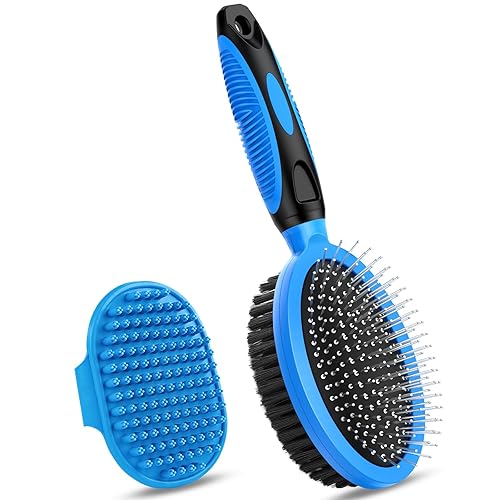 2PCS Pet Grooming Tools
- Package Dimensions : 9.65 x 2.99 x 2.64 inches; 7.36 ounces
Double-sided brush pairs pin and nylon bristles in one tool
Adjustable ring handle fits a range of hand sizes
2-year warranty backs the set for long-term use
Listing does not include dimensions or weight specifications
Mane and tail combs suit horses mainly, not small pets
 Docrok Pet Grooming Combo
2-in-1 rake and comb combo covers dematting and deshedding in one set
Soft, protective edges are designed to avoid hurting the pet
Stainless steel teeth and TPR handle add durability and comfort
Geared toward medium and long-haired coats, less so short fur
Combo tools need periodic cleaning to clear trapped hair


 SleekEZ Dog Brush for Shedding
Works across short, medium, and long coat lengths
Patented design grabs hair tips to reduce painful tugging
Doubles as a tool for removing pet hair from furniture and cars
5-inch size may be small for grooming large dogs quickly
Metal construction requires careful storage away from small children
As an Amazon Associate we earn from qualifying purchases at no extra cost to you.
Quick Answer: The Top Picks
- Best overall grooming versatility: UGNEL 2PCS Pet Grooming Tools — combines a double-sided pin-and-nylon brush with a separate silicone bath brush.
- Best for dematting and checking the feathering: Docrok Pet Grooming Combo — pairs a deshedding rake with a metal comb for knots and loose hair.
- Best self-cleaning slicker option: Aumuca Skin Friendly Self-Cleaning Slicker Brush — has coated pin tips, a cleaning button, and a hanging loop.
- Best for a simple self-cleaning design: Swihauk Self Cleaning Slicker Brush — a straightforward slicker-style choice for shedding and general grooming.
- Best for a compact soft-pin design: Paw Brothers Soft Pin Curved Slicker Brush — uses coated tips and a curved shape intended to provide broad coverage.
- Best for loose-hair removal beyond the coat: SleekEZ Dog Brush — is described for short, medium, and long coats and can also collect hair from household surfaces.
How We Researched This Guide
This guide compares the product descriptions, stated materials, advertised brush functions, and available manufacturer claims shown on several listings. We focused on the grooming problems that matter most for a Cavalier coat: maintaining longer feathering, separating light tangles, checking hair at the skin, removing loose hair, and minimizing unnecessary pulling.
We did not treat every “deshedding” claim as proof that a brush is suitable for every grooming task. A slicker, pin brush, metal comb, rake, silicone bath brush, and specialized shedding tool do different jobs. Where a listing did not provide features, we identify what shoppers should verify rather than filling in missing specifications. The products are ranked according to their apparent usefulness as part of a Cavalier grooming routine, not as a claim that one tool can replace every other tool.
How to Choose a Brush for a Cavalier King Charles Coat
1. Match the Tool to the Job
The first mistake is searching for one brush that promises to detangle, deshed, massage, smooth, and groom the entire dog. Those functions overlap, but they are not identical. A slicker or pin brush is generally intended to separate hair and remove some loose coat. A comb is better for checking whether the feathering is clear all the way through. A dematting tool is designed for more resistant knots, while a silicone brush is more relevant to bathing and massage.
The product descriptions reflect these distinctions. The UGNEL set includes a stainless-steel pin-brush side, a nylon-brush side, and a separate bath brush. The Docrok combination includes a two-sided rake and a two-sided metal comb, with the wide sides intended for dematting or working through knots and the denser sides intended for loose-hair removal. Those formats are more versatile than a single-purpose brush, but they also require you to select the correct side for each task.
Before buying, decide whether you primarily need:
- A daily brush for maintaining the body and feathering.
- A comb for finding small knots that a brush may glide over.
- A dematting tool for occasional established tangles.
- A shedding tool for loose hair.
- A bath brush for shampooing and massage.
For many Cavaliers, a gentle brush plus a comb is a more useful starting point than an aggressive deshedding tool. If the coat already develops knots, add a dematting option rather than trying to force every tangle out with a slicker.
2. Look Closely at Pin and Bristle Safety
Pin design matters because the brush is used close to the skin, especially around the ears, chest, legs, and tail. The Aumuca listing specifies stainless-steel pins with round protective plastic tips and describes them as suitable for sensitive skin. The Paw Brothers listing describes coated tips and a curved slicker format. The UGNEL brush is described as having an air-cushioned stainless-steel pin side, while its separate bath brush uses food-grade silicone and TPR rubber.
These details are more useful than a vague “gentle” label. When comparing an unlisted brush, check whether the product page identifies the pin material, whether the tips are coated or rounded, and whether the brush is intended for long-haired pets. Also check whether the pins are fixed, flexible, or described as air-cushioned. A product listing that omits these details may still be suitable, but you will have less information with which to judge it.
Use light pressure regardless of the advertised safety features. Protective tips do not make forceful brushing harmless, and a brush that feels comfortable on the body may still be too intense when repeatedly dragged through ear feathering. Stop if the dog shows discomfort, and separate a difficult mat rather than repeatedly pulling at it.
3. Add a Comb for the Long Feathering
A brush can make the surface look smooth while leaving a knot underneath. A comb provides a more direct way to check the hair in sections, particularly around the ears and other areas where longer hair rubs together. The Docrok combo is the clearest match for this role because its metal comb has wide and dense sides. The listing describes the wide side as suitable for working through knots and the dense side as suitable for removing loosened hair, including around the legs, head, and tail.
When evaluating a comb, look for information about tooth spacing, tooth finish, handle shape, and whether it has both wide and dense sections. A compact design may be easier to control around a small dog, but the available listing does not provide a full size specification for the Docrok comb. Confirm the dimensions and tooth arrangement before ordering if those details affect how you groom.
Do not push a comb directly into a tight knot. Start at the outer ends of the hair, use small sections, and support the hair near the skin so the pulling force does not transfer to the dog. If a mat is close to the skin or cannot be loosened safely, professional grooming is the safer solution.
4. Decide Whether Self-Cleaning Is Worth Prioritizing
Self-cleaning buttons can make routine grooming less frustrating because collected hair is released without picking through the pins by hand. The Aumuca brush has a one-click cleaning button: its listing says a shutter moves outward to separate brushed hair from the metal pins. The Swihauk and Dipoo products are also identified as self-cleaning shedding brushes, although the listings do not provide further details about their mechanisms.
A self-cleaning feature is most useful when you expect to brush frequently or when loose hair builds up quickly. It is not a substitute for rinsing or inspecting the brush. Hair, skin debris, and product residue can still collect around the pin base, and any moving part may need careful cleaning to remain functional.
Before buying a self-cleaning model, verify how the release button works, whether the brush head can be cleaned, and whether replacement parts are available. Also check the handle and button placement. A mechanism that is easy to activate accidentally may interrupt brushing, while one that requires too much force can be inconvenient for regular use.
5. Choose a Detangling Strategy Instead of Relying on “Deshedding”
“Deshedding” describes loose-hair removal, not necessarily the ability to open a knot. Cavaliers need both coat maintenance and detangling, but the appropriate tool depends on the condition of the hair. The Docrok listing specifically addresses dematting and includes a wide-sided rake and comb. The SleekEZ listing emphasizes loose-hair removal across short, medium, and long coats, with a design intended to grab hair near the tips and remove it without painful tugging.
A deshedding tool can be useful when loose hair is the main concern, but it should not automatically be used on every tangle. Look for a tool whose teeth or edge are described for dematting if knots are your main problem. Conversely, if your dog has little matting but leaves hair on furniture, a shedding-focused design may be more relevant.
Do not assume that a tool advertised for all hair lengths is equally appropriate for every area of a Cavalier. The body, ear feathering, tail, and legs may respond differently. Begin with a small area and use short, controlled strokes. Avoid repeatedly scraping the same patch simply because loose hair continues to appear.
6. Consider Whether a Double-Sided Brush Adds Value
Double-sided tools can reduce the number of separate items in a grooming drawer. UGNEL’s brush has a stainless-steel pin side for removing hair and an air-cushioned design, plus a nylon side intended to add shine. Its separate bath brush expands the set beyond dry brushing. The Docrok combo takes a different approach by combining a rake with a metal comb, giving more emphasis to dematting, deshedding, and working in areas a brush may not reach.
The advantage of a multi-sided tool is convenience. You can use one side to separate or lift hair and another to smooth the coat. The trade-off is that no side may be as specialized as a dedicated tool. A nylon finishing side will not replace a comb for finding a hidden knot, and a rake will not necessarily provide the same gentle finishing effect as a soft pin brush.
Check how the sides are separated and whether the handle is comfortable when changing direction. For the UGNEL set, the listing identifies an ergonomic handle on the double-sided brush and an adjustable ring handle on the bath brush. If a product does not provide handle or grip details, consider whether the design will be easy to control around ears and legs.
7. Prioritize Control Around Small, Sensitive Areas
A Cavalier’s coat includes awkward grooming zones: behind and beneath the ears, around the legs, and along the tail. A brush that covers a large area quickly may be efficient on the body but cumbersome around these smaller sections. The Paw Brothers listing identifies its brush as a small model with a stated size of 3 inches by 5.5 inches. That information can help shoppers judge whether its head is likely to suit their preferred level of control, although brush-head dimensions alone do not determine comfort.
Look for a handle that you can hold without squeezing hard. The Aumuca brush has a soft silicone loop strap for hanging, while the UGNEL brush is described as having an ergonomic handle. These storage and grip details may matter if the tool is used often, but they do not tell you how flexible the pins are or how well the brush will move through a particular coat.
For an unspecified product, check the total length, head dimensions, handle material, and whether the manufacturer identifies the intended pet size. If those details are missing, treat the brush as a less predictable choice for precise work around the ears and feet.
8. Check Cleaning, Durability, and Support Details
Grooming tools collect hair and should be easy to clear between sessions. Self-cleaning mechanisms help with hair removal, while simple pin and comb designs may be easier to inspect manually. Stainless steel appears in the UGNEL pin brush and Docrok tools, and Docrok also describes a TPR handle. Aumuca identifies ABS construction and a silicone hanging loop. These stated materials offer useful clues about intended durability and storage, but they do not guarantee how long a product will last in a particular household.
Warranty and return information can also distinguish otherwise similar tools. UGNEL lists a two-year warranty and after-sales support. Aumuca lists a 90-day money-back guarantee. Confirm the current terms on the product page before purchasing, since warranty conditions may apply only to particular defects or circumstances.
Inspect a new brush before using it. Check that pins are secure, tips are intact, moving cleaning parts operate smoothly, and metal comb teeth do not have rough edges. Clean the tool according to the manufacturer’s instructions, and store it where the dog cannot chew the handle or exposed teeth.
Common Brush-Buying and Grooming Mistakes to Avoid
- Buying only for shedding: Loose-hair removal does not guarantee that the long feathering will be free of knots. Include a comb or detangling tool when needed.
- Using the strongest tool everywhere: A tool designed for dematting or deshedding may be unnecessary for routine finishing. Match pressure and tool choice to the area.
- Skipping the underside of the ears: Brush the visible surface, then check beneath and behind the ear feathering in small sections.
- Dragging through a knot: Support the hair near the skin and work from the ends. If the tangle is tight or close to the skin, ask a groomer for help.
- Assuming coated tips eliminate irritation: Coated or rounded tips can be a useful design feature, but excessive pressure can still bother sensitive skin.
- Ignoring missing specifications: If a listing does not state brush size, pin design, or cleaning details, verify those points before ordering rather than guessing.
- Failing to clean the brush: Remove collected hair after grooming and inspect the tool regularly for bent pins, rough edges, or residue.
Bottom Line
The best dog brush for a Cavalier King Charles coat is usually the one that fits your grooming routine rather than the one with the longest list of claims. Choose a gentle brush for regular maintenance, use a comb to check the feathering, and keep a dematting tool available if knots develop. Among these options, the UGNEL and Docrok sets provide the broadest mix of grooming functions, Aumuca offers the most detailed skin-friendly self-cleaning design, and Paw Brothers provides a compact coated-tip slicker format. SleekEZ is the more specialized choice for loose-hair removal, while Swihauk is worth considering if a simple self-cleaning slicker is your priority.
Detailed product breakdowns
1. Swihauk Self Cleaning Slicker Brush
The Swihauk Self Cleaning Slicker Brush is positioned as a general-purpose slicker for dogs and cats, with a focus on shedding, deshedding, and routine grooming. The listing identifies it as a skin-friendly tool for both shedding and haired pets and shows it in blue. However, no detailed feature information is available on the listing. That makes it difficult to confirm the points that matter most for a Cavalier King Charles Spaniel, including pin construction, whether the tips are coated, the brush head size, the cleaning mechanism, and whether it is intended for sensitive skin or long feathering.
For a Cavalier, a slicker can be useful for separating the silky hair on the ears, chest, legs, and tail, as well as collecting loose hair from the body. It should be used with short, light strokes rather than forceful brushing. The brush should not replace a fine comb, because a comb is better for checking whether the hair is clear at skin level.
- Key specifications: Self-cleaning slicker design; intended for dogs and cats; marketed for shedding and haired pets; blue color. Pin material, tip design, dimensions, and cleaning mechanism are not provided.
- Strengths: The general slicker format may suit routine coat maintenance, and the self-cleaning description suggests a more convenient cleanup process than a brush that must be cleared manually.
- Trade-offs: Buyers cannot confirm from the listing how gentle the pins are, how large the brush is, or whether it can work effectively through Cavalier feathering without pulling.
- Best for: Owners seeking a general slicker and willing to verify the construction details before purchase.
- Skip it if: You specifically need coated tips, a small head for ears and feet, or a clearly documented dematting capability.
See the Swihauk Self Cleaning Slicker Brush on Amazon
2. Aumuca Skin Friendly Self-Cleaning Slicker Brush
The Aumuca is a self-cleaning slicker designed for shedding, deshedding, and grooming both long- and short-haired pets. Its most relevant feature for a Cavalier is the combination of metal pins and protective plastic tips. The listing says the pins are intended to massage without scratching, including on sensitive skin. That is useful for a breed with relatively delicate skin, although technique still matters: protective tips do not make pressing hard or repeatedly brushing one spot safe.
The stainless-steel bristles are described as 1.2 times thicker than those of other dog shedding brushes, with a 150-degree bend intended to improve the design. The listing says the pins are sturdy and less likely to deform. Its one-click cleaning button moves a shutter outward to separate collected hair from the pins. The body is made from ABS, and a silicone loop allows the brush to be hung for storage. An advertised 90-day money-back guarantee is also stated on the listing.
- Key specifications: Self-cleaning slicker; stainless-steel pins; round protective plastic tips; 150-degree bent needles; ABS body; silicone hanging loop; designed for long and short hair; check current owner ratings on the product page.
- Strengths: Protective tips address the main concern with wire slickers, while the stainless-steel pins are described as sturdy. The one-click release can make frequent grooming easier to manage.
- Trade-offs: The product is still a slicker, not a dedicated fine-tooth comb, so it may not reveal small knots hidden at the base of the ear or inside dense feathering. The stated pin thickness does not by itself establish how flexible the brush feels on a small dog.
- Best for: Cavalier owners wanting one self-cleaning slicker for regular shedding and light tangles across the body and feathering.
- Skip it if: You need a tool specifically for severe mats, or if you prefer a soft pin brush rather than metal slicker pins.
See the Aumuca Self-Cleaning Slicker Brush on Amazon
3. UGNEL 2PCS Pet Grooming Tools
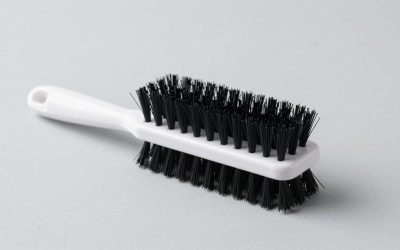
The UGNEL set is broader than a single brush. It includes a double-sided dog hair brush and a dog bath brush, making it an option for owners who want separate tools for dry grooming and bathing. The double-sided brush has stainless-steel pins on one side and nylon bristles on the other. According to the listing, the pin side has an air-cushioned design for massaging, while the nylon side adds shine. An ergonomic handle is included.
For a Cavalier, the pin side may help separate and finish the feathering, while the nylon side can be used after the coat has been cleared to smooth the surface. The bath brush has an adjustable ring handle and is made for massaging and removing loose hair during shampooing. The listing describes the set as using food-grade silicone, TPR rubber, and other materials, and it includes a two-year warranty and stated 24/7 after-sales service.
- Key specifications: Two-piece set; double-sided brush with stainless-steel pin and nylon-bristle sides; air-cushioned pin side; ergonomic handle; separate silicone or TPR rubber bath brush with adjustable ring handle; two-year warranty; check current owner ratings on the product page.
- Strengths: The set covers dry brushing, finishing, and bathing rather than concentrating on only one grooming task. The cushioned pin side may be more forgiving than a rigid pin brush, and the nylon side provides a finishing function.
- Trade-offs: The listing does not give the pin length, tip construction, brush-head dimensions, or tooth spacing. It is therefore unclear whether the pin brush is small and precise enough for behind the ears and around the legs. The bath brush is not a substitute for a comb when checking feathering.
- Best for: Owners who want a versatile grooming set and regularly bathe their Cavalier at home.
- Skip it if: Your priority is a dedicated dematting tool or a fine comb for detecting knots close to the skin.
See the UGNEL 2PCS Pet Grooming Tools on Amazon
4. Docrok Pet Grooming Combo
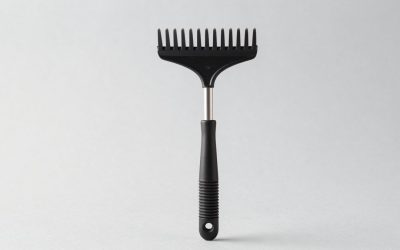
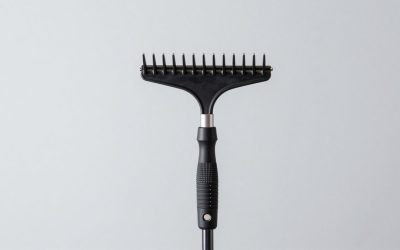
The Docrok combo is the most explicitly targeted option here for detangling and dematting. It combines a blue deshedding brush with a metal comb and is described for long, matted fur on cats and dogs. Its two-part approach is relevant to Cavaliers because the breed’s feathering can develop small knots behind the ears, on the legs, and in the tail while the shorter body coat needs less intensive work.
The brush is described as a two-in-one undercoat rake: its wide side is intended for dematting and its dense side for deshedding. The metal comb also has wide and dense sides. The wide side is for working through knots and smoothing, while the dense side is intended to remove loose hair. The listing says the tools have protective edges, stainless-steel teeth, and lightweight TPR handles.
- Key specifications: Brush-and-comb combination; two-sided undercoat rake; wide and dense sections; stainless-steel metal teeth; protective edges; TPR handles; intended for medium- and long-haired and double-coat pets; check current owner ratings on the product page.
- Strengths: The combination gives owners both a working detangling tool and a comb for areas the brush cannot reach, including legs, head, and tail. The wide and dense sections offer different levels of spacing for knots and loose hair.
- Trade-offs: A tool marketed for matted fur can be more aggressive than a soft everyday brush. The listing does not specify tooth length, tooth sharpness, or exact dimensions, so buyers should inspect those details and use light pressure on a Cavalier’s thin skin. Severe mats may still require professional help.
- Best for: Owners who want one combo for occasional knots, light dematting, and checking the feathering after brushing.
- Skip it if: Your dog is highly sensitive to metal tools or you mainly need a gentle finishing brush for already-clear hair.
See the Docrok Pet Grooming Combo on Amazon
5. Dipoo Self Cleaning Shedding Brush
The Dipoo Self Cleaning Shedding Brush is described as a skin-friendly grooming and hair-removal tool for dogs, cats, and puppies. It is intended for both long- and short-haired pets and is shown in black. The self-cleaning format may appeal to owners who groom frequently and do not want to pull collected hair from the pins after every section. However, detailed feature information is not available on the listing.
That missing information is especially important for Cavalier owners. The listing does not establish whether the brush has coated or rounded tips, how flexible the pins are, how large the head is, or whether the release mechanism clears hair completely. Those details determine whether a shedding brush is comfortable for a small dog and useful around the ears and feathered legs.
- Key specifications: Self-cleaning shedding brush; intended for dogs, cats, and puppies; suitable for long and short coats; black color. Further construction details are not provided; check current owner ratings on the product page.
- Strengths: The stated skin-friendly positioning and broad coat-length compatibility suggest a general maintenance role. Self-cleaning functionality can be convenient during regular sessions.
- Trade-offs: Buyers cannot verify the pin material, tip protection, head size, or whether the brush is better suited to shedding than detangling. Its ability to work safely through Cavalier feathering should not be assumed from the product title alone.
- Best for: Owners looking for a general self-cleaning brush and prepared to check the current listing for detailed pin and sizing information.
- Skip it if: You need documented specifications for sensitive skin or a specialized tool for mats and knots.
See the Dipoo Self Cleaning Shedding Brush on Amazon
6. Paw Brothers Soft Pin Curved Slicker Brush
The Paw Brothers brush is a soft-pin curved slicker with coated tips. The stated size is 3 by 5.5 inches in the small version. Those details make it one of the more obviously relevant choices for a Cavalier: coated tips are intended to reduce the chance of sharp wire contact, while the curved shape and stated maximum-coverage design may help follow the body and feathering.
A soft pin slicker is best treated as a maintenance and finishing tool. It can separate loose hair and help keep already-combed feathering neat, but the listing does not claim that it is a dematting brush or provide a self-cleaning mechanism. Owners should still lift the ears, work in small sections, and use a comb to check the hair at the skin.
- Key specifications: Soft-pin curved slicker; coated tips; maximum-coverage design; intended to be gentle on skin; small size measuring 3 by 5.5 inches.
- Strengths: The coated tips and soft-pin description address comfort, and the small size may be manageable on a Cavalier’s body, legs, and feathering. A curved slicker can provide broad contact for routine brushing.
- Trade-offs: Soft pins may be less useful against formed knots, and the listing does not identify the pin material, spacing, handle design, or cleaning method. The listed dimensions should be checked against the actual brush head and total brush size before ordering.
- Best for: Regular maintenance, finishing, and owners who prioritize gentle contact over aggressive deshedding.
- Skip it if: You want a one-tool solution for mats, heavy shedding, or close inspection of the coat at skin level.
See the Paw Brothers Soft Pin Curved Slicker Brush on Amazon
7. BioSilk for Pets Eco-Friendly Detangling Pin Brush
The BioSilk for Pets Eco-Friendly Detangling Pin Brush is presented as a gentle grooming brush for dogs. Its stated purpose is removing knots and tangles while supporting healthy coats across all dog breeds. That positioning fits the maintenance needs of a Cavalier’s silky feathering, particularly when the hair has only light tangles and does not need a more specialized dematting tool.
The listing does not provide the brush’s dimensions, pin material, pin-tip treatment, handle construction, or cleaning method. Buyers should verify those details before choosing it for delicate areas such as behind the ears. “Eco-friendly” is also a broad product description on the listing; the specific material or sustainability claim is not given, so it should not be treated as a confirmed specification beyond the listing title.
- Key specifications: Pin brush; marketed as eco-friendly; intended for detangling dogs of all breeds; described as gentle; designed to remove knots and tangles. A buyer rating and detailed construction specifications are not provided on the listing; check the product page for current reviews.
- Strengths: The detangling focus and gentle positioning make it a plausible everyday option for Cavalier feathering that is brushed regularly. A pin brush can also be useful after a comb has opened small tangles.
- Trade-offs: There is not enough information on the listing to confirm whether the pins are coated, rounded, flexible, or appropriately spaced for silky hair. The brush may not be suitable for established mats, and buyers should not assume it includes self-cleaning features.
- Best for: Owners seeking a gentle, general detangling brush for routine coat care.
- Skip it if: You need clearly documented dimensions, protective pin tips, or a tool built specifically for heavy shedding or dematting.
See the BioSilk for Pets Eco-Friendly Detangling Pin Brush on Amazon
8. SleekEZ 5-Inch Dog Brush for Shedding
The SleekEZ is a 5-inch patented deshedding brush intended for short, medium, and long coats. The listing says its design removes loose hair without irritation and grabs hair at the tips to extract it from the skin without painful tugging. It is also described as useful on couches, cars, blankets, beds, and other surfaces, giving it a secondary pet-hair-removal role beyond grooming.
For a Cavalier, this is primarily a loose-hair and shedding tool rather than a finishing pin brush. It may help reduce loose hair from the body and coat, but it should not be treated as a replacement for a comb through the ear feathering, leg furnishings, or tail. The listing does not explain the tool’s tooth or edge construction in technical detail, so buyers should pay attention to current instructions and owner feedback about use on small dogs and silky feathering.
- Key specifications: 5-inch brush; patented deshedding design; intended for short, medium, and long coats; marketed as suitable for all hair and fur types; made in the USA; check current owner ratings on the product page.
- Strengths: Broad coat-length compatibility and a design focused on loose-hair removal make it useful for shedding maintenance. The ability to collect hair from household surfaces adds versatility to a grooming kit.
- Trade-offs: Deshedding tools can be less suitable for untangling silky feathering than a pin brush and comb. The listing does not give exact edge dimensions, handle details, or guidance specific to Cavaliers. Owners should use controlled passes and stop if the dog shows discomfort.
- Best for: Owners who want a dedicated loose-hair remover for the body and household cleanup, alongside a comb for feathering.
- Skip it if: Your main problem is knots behind the ears, mats on the legs, or a need for a soft finishing brush.
See the SleekEZ 5-Inch Dog Brush on Amazon
How the Top Dog Brushes Compare
Cavalier King Charles Spaniels typically need more than one grooming approach because their coats combine shorter body hair with longer feathering around the ears, chest, legs, and tail. A brush can smooth, massage, or remove loose hair, but a comb is often more useful for checking whether a knot remains close to the skin. The table below compares the listed products using only the information shown on their listings. Where important specifications were not stated, check the current Amazon listing before buying.
| Product | Best suited to | Tool type or included tools | Notable available features | What to verify |
|---|---|---|---|---|
| Swihauk Self Cleaning Slicker Brush | Routine brushing and loose-hair removal | Self-cleaning slicker brush | Listed for dogs and cats, including shedding and haired pets; blue finish | Check listing for pin-tip design, brush dimensions, handle details, and cleaning mechanism |
| Aumuca Skin Friendly Self-Cleaning Slicker Brush | Regular slicker brushing with a self-cleaning feature | Self-cleaning slicker brush | Stainless-steel pins with round protective plastic tips; pins described as 1.2 times thicker than those of other shedding brushes; 150-degree bent needles; one-click cleaning button; ABS body; silicone hanging loop; 90-day money-back guarantee | Check the listed dimensions and whether the pin spacing suits delicate feathering |
| UGNEL 2PCS Pet Grooming Tools | Owners wanting separate brushing and bathing tools | Double-sided brush plus dog bath brush | Stainless-steel pin side with air-cushioned design; nylon brush side; adjustable ring handle on bath brush; food-grade silicone and TPR rubber; ergonomic handle; two-year warranty | Check brush dimensions and whether the pin side is sufficiently gentle for your dog’s skin |
| Docrok Pet Grooming Combo | Detangling, dematting, and checking longer coat sections | Deshedding brush or undercoat rake plus metal comb | Two-sided rake with wide side for dematting and dense side for deshedding; two-sided comb for knots, smoothing, and loose hair; stainless-steel teeth; protective edges; TPR handle; intended for medium- and long-haired or double-coat pets | Check how the metal teeth are shaped and use extra care around thin skin and established mats |
| Dipoo Self Cleaning Shedding Brush | Routine shedding and hair removal | Self-cleaning shedding brush | Listed for dogs, cats, and puppies with long or short coats; black finish | Check the pin material, tip protection, brush size, and release-button design |
| Paw Brothers Soft Pin Curved Slicker Brush | Gentle finishing and everyday brushing | Curved slicker brush | Soft pins with coated tips; curved shape; maximum-coverage description; listed size of 3 by 5.5 inches; small size | Check whether the brush head and handle are comfortable for your hand and your dog’s smaller areas |
| BioSilk for Pets Eco-Friendly Detangling Pin Brush | Gentle detangling and general coat maintenance | Pin brush | Described as an eco-friendly detangling brush for dogs; intended to remove knots and tangles; marketed for all dog breeds | Check pin tips, pin length, head size, handle construction, and whether the pins are flexible |
| SleekEZ Dog Brush | Loose-hair removal from coats and household surfaces | Patented deshedding brush; 5-inch version | Listed for short, medium, and long coats; designed to remove loose hair without irritation; described as grabbing hair at the tips to reduce tugging; also intended for couches, cars, blankets, beds, and carpets; made in the USA | Check whether its scraping-style design is appropriate for your dog’s skin and feathering |
Best Pick by Need
Best for a self-cleaning slicker
Choose the Aumuca Self-Cleaning Slicker Brush. Its listing provides the clearest information about skin-contact features: the stainless-steel pins have round protective plastic tips, and the design includes a one-click cleaning button. The ABS body and silicone hanging loop may also appeal to owners who want a brush that stores neatly and releases collected hair without picking it out by hand. Use light pressure around the ears, legs, and other areas where a Cavalier’s skin is close to the surface.
Best for a grooming-and-bathing set
Choose the UGNEL 2PCS set. This is the most versatile choice for owners who want two different tools rather than a single everyday brush. The double-sided brush combines a stainless-steel pin side with a nylon side, while the separate bath brush has an adjustable ring handle and silicone and TPR rubber construction. It makes sense for households that want one tool for dry brushing and another for shampooing, although it is not described as a dedicated metal comb for inspecting hidden knots.
Best for knots, dematting, and checking the feathering
Choose the Docrok Pet Grooming Combo. The included metal comb is useful for checking whether the hair behind an ear, under the chest, or around the legs is clear all the way through. Its two-sided rake offers a wider side for dematting and a denser side for deshedding. Because metal teeth can pull when forced through a knot, separate small tangles with the wider side and work from the ends of the hair toward the roots rather than dragging the tool through an intact mat.
Best for soft, coated-tip pins
Choose the Paw Brothers Soft Pin Curved Slicker Brush. The available information specifically identifies soft pins and coated tips, features that suit owners prioritizing gentle contact. Its curved shape and small size may be helpful when working around a smaller dog’s ears, feet, legs, and other limited areas. It is best viewed as a brushing and finishing tool, not as a substitute for a comb or a specialized dematting tool.
Best for a straightforward detangling pin brush
Choose the BioSilk for Pets Eco-Friendly Detangling Pin Brush. The product is described as a pin brush for removing knots and tangles and is marketed for all dog breeds. It may suit buyers who want a conventional brush without a stated rake or deshedding mechanism. Since the available data does not specify pin tips, spacing, or flexibility, check those details before using it on sensitive skin or dense feathering.
Best for loose hair on the dog and around the home
Choose the SleekEZ Dog Brush. Its listing emphasizes removal of loose hair from short, medium, and long coats, along with household surfaces such as couches, cars, blankets, beds, and carpets. That makes it a practical option when the main concern is hair cleanup rather than finishing the coat. Its design is different from a soft pin brush, so introduce it cautiously and stop if your dog shows discomfort, especially on thinly coated or sensitive areas.
Best when you want a self-cleaning shedding brush but need to compare alternatives
Compare the Swihauk and Dipoo with the Aumuca before choosing. Both are listed as self-cleaning brushes for shedding or hair removal and are marketed for multiple coat lengths or pet types. However, detailed feature information was not stated for either model. Review the current listings for tip protection, brush-head dimensions, pin length, and the cleaning action. Those details matter more than the self-cleaning label when the brush will be used on long, silky feathering.
Care and Setup Tips
- Start with a dry, calm coat. Let your dog settle before brushing. If the coat is wet, muddy, or heavily soiled, remove debris first; brushing through grit can increase friction and discomfort.
- Divide the feathering into small sections. Lift the ear or leg hair so you can see the area underneath. Work on a small section at a time rather than repeatedly brushing the surface of the whole coat.
- Use short strokes. Begin at the ends of the hair and gradually move toward the roots. Hold the hair near the skin to reduce pulling, and do not force a brush through a knot.
- Use a comb as a final check. A brush can make the surface look smooth while leaving a small tangle underneath. If you choose the Docrok combo, use its metal comb gently to check the ears, chest, legs, and tail.
- Keep pressure light. Slicker pins, rakes, and metal teeth can irritate skin when pressed down. A few gentle passes are preferable to repeatedly scraping one spot.
- Clean the tool after each session. Remove trapped hair from pins, teeth, or the cleaning mechanism. For washable silicone or rubber tools, follow the manufacturer’s care instructions and allow the tool to dry fully before storage.
- Inspect pins and tips regularly. Do not continue using a brush if pins are bent, missing protective tips, or developing sharp edges. Check self-cleaning buttons for hair buildup if the release plate stops moving smoothly.
- Do not cut close to the skin without guidance. A tight mat may conceal skin. If you cannot separate it gently with the appropriate tool, ask a professional groomer or veterinarian for help instead of pulling at it.
Frequently Asked Questions
Is a slicker brush enough for a Cavalier King Charles Spaniel?
Usually, it is better treated as one part of the routine. A slicker can separate hair and remove some loose coat, but a comb is more useful for checking whether the long feathering is clear close to the skin. A self-cleaning slicker can be convenient for regular brushing, while a metal comb or suitable detangling tool helps identify knots that a brush may skim over.
Which listed brush is safest for sensitive skin?
No single product can be declared safest without knowing your dog’s skin condition and using the correct technique. The Aumuca listing specifies round protective plastic tips on its stainless-steel pins, and the Paw Brothers listing specifies soft pins with coated tips. Those features are relevant when comparing gentle options, but pressure, angle, and the condition of the coat also affect comfort.
Can I use a deshedding brush on the long hair behind the ears?
Use caution. The hair behind the ears is often fine, easily tangled, and close to the skin. A deshedding tool may be useful for loose hair in suitable areas, but it should not be forced through a knot or used aggressively on delicate feathering. A gentle pin brush and a comb may give you better control there. Always check the manufacturer’s instructions for the specific tool.
What is the advantage of a self-cleaning brush?
A self-cleaning mechanism can make it easier to release hair collected during brushing. The Aumuca uses a one-click button that moves a shutter to separate hair from the metal pins. Swihauk and Dipoo are also listed as self-cleaning models, but their detailed mechanisms were not provided. Self-cleaning improves convenience; it does not automatically make a brush gentler or more effective at removing mats.
Should I buy a brush or a comb first?
If your dog’s coat is already maintained and you want a finishing tool, a brush may be the more convenient first purchase. If you are trying to prevent hidden knots in the ears, legs, chest, or tail, a comb is important because it tests the coat more thoroughly. The Docrok set is the listed option that combines a brush or rake with a metal comb.
Can the SleekEZ be used on a Cavalier’s whole coat?
The listing says it is intended for short, medium, and long coats and is designed to remove loose hair without irritation. Even so, coat length compatibility does not guarantee that every body area will respond the same way. Introduce it on a less sensitive area, use minimal pressure, and avoid repeated passes over the same patch. Use a different, gentler tool if your dog shows discomfort.
Are the UGNEL tools only for bathing?
No. The set includes a double-sided brush for dry grooming and a separate dog bath brush. The dry brush has a stainless-steel pin side and a nylon side, while the bath brush is described for removing hair or massaging during bathing. Check the dimensions and handle fit before buying, particularly if you prefer a small brush for ears and legs.
When should a professional groomer handle a tangle?
Seek professional help when a mat is tight, large, close to the skin, painful to touch, or located where you cannot see the skin clearly. Do not keep pulling with a comb or rake when the dog is resisting. A groomer can assess whether the coat can be safely separated, and a veterinarian may be appropriate if the skin is sore, inflamed, or broken.
Final Verdict
The best overall approach for a Cavalier King Charles coat is a small combination of tools rather than a single brush expected to handle every task. Among these products, the Aumuca Self-Cleaning Slicker Brush is the most clearly specified everyday slicker for buyers who value protected pins and one-click hair release. The Docrok Pet Grooming Combo is the strongest choice when hidden tangles and dematting are the priority because it includes both a rake-style tool and a two-sided metal comb. For a gentler finishing brush, consider the Paw Brothers Soft Pin Curved Slicker; for combined dry grooming and bathing, the UGNEL 2PCS set is the broader kit.
The Swihauk and Dipoo can be worth considering if self-cleaning shedding brushes match your preferred routine, but their available descriptions do not provide enough detail to compare their pin protection or brush dimensions confidently. The BioSilk pin brush is a straightforward detangling option, while SleekEZ is particularly appealing when loose hair on furniture and other surfaces is part of the problem. Whichever tool you choose, brush gently, inspect the feathering with a comb when possible, and treat any tight or painful mat as a grooming problem rather than something to force through.



Write Your Review
No reviews yet. Be the first to share your experience!