
Best brush for bernese mountain dog coats has to handle a lot of dog. This is a heavy double-coated breed with dense undercoat, long feathering on the legs and tail, and two full coat blows a year. One tool will not cover all of that, so these six are picked as a working set rather than as competing alternatives.
Our top picks
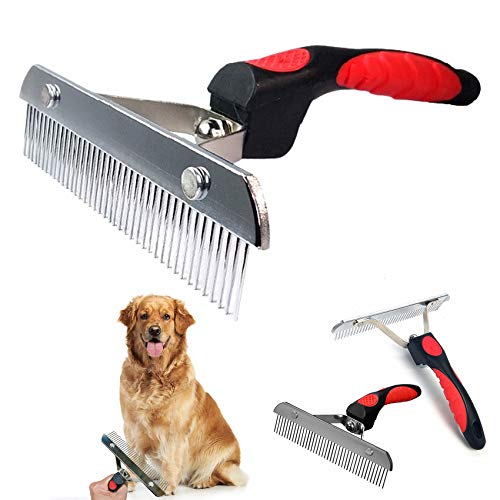 Dog Brushes for Grooming Large Dogs
- The long tooth undercoat rake brush has smooth…
- This large dog grooming comb has an ergonomic…
- Got to brush regularly for 5 minutes to…
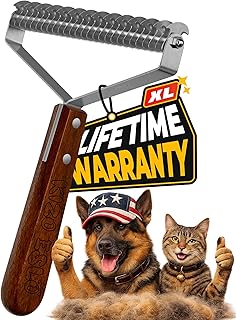

 Dog Slicker Brush for Large Dogs
- Professional for Grooming: It works well for poodles,…
- The Size: The size of brush is suitable…
- Highly Efficient for Remove Tangle and Mats: Petqueen…

 Maxpower Planet Hair Brush
- Our grooming brush is perfect for dematting and…
- Our dog brushes are designed with sharpened but…
- Our dematting and deshedding tool gently removes loose…


As an Amazon Associate we earn from qualifying purchases at no extra cost to you.
As an Amazon Associate we earn from qualifying purchases.
By Laura Simmons
🛒 Best Price Today on Amazon
Prime members get fast, free shipping on everything above, plus member-only deals. New members get a 30-day free trial — cancel anytime.
Start 30-Day Prime Free Trial →See Today’s Amazon DealsHow to Choose the Best Brush for Bernese Mountain Dog Coats
A Berner typically weighs 70 to 115 pounds and carries a long outer coat over a thick woolly undercoat. The best brush for bernese mountain dog grooming has to reach that undercoat without wrecking the guard hairs, and it has to cover a large area without taking an hour.
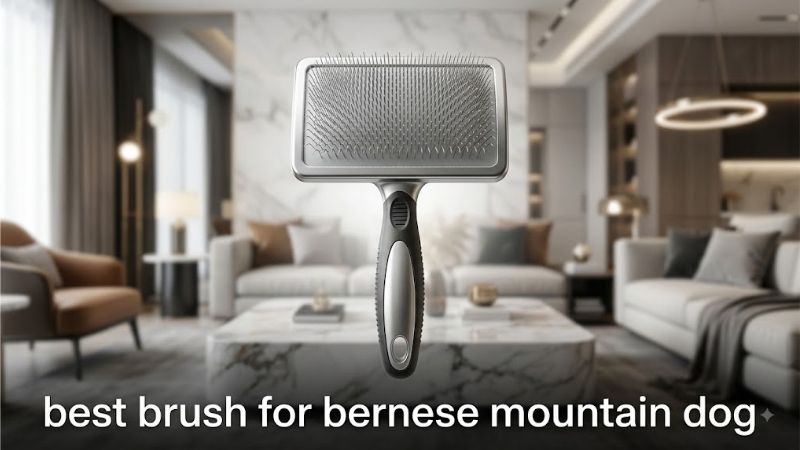
Reach the Undercoat, Not Just the Surface
The dense layer beneath the guard hairs is where dead coat collects and where mats begin. A brush that glides across the top feels productive and leaves that layer untouched, which is why owners are so often surprised by how much a rake pulls out after a thorough brushing.
Undercoat rakes with long, widely spaced teeth are the answer here, and the best brush for bernese mountain dog shedding is usually one of them. They pass through the outer coat and pull loose wool from underneath, and on a Berner in full shed a single session can fill a bin bag without removing anything the dog still needs.
Give the Feathering Separate Attention
The long hair on the back of the legs, behind the ears, and around the tail behaves nothing like the body coat. It tangles rather than felts, and it collects burrs, mud, and whatever else gets picked up on a walk, so it needs a steel comb worked through slowly rather than a rake.
Check those areas every session even when the body coat looks perfectly fine. Behind the ears in particular forms tight knots very quickly, and a mat there is uncomfortable for the dog and genuinely hard to clear once it has felted down against the skin.
Use Deshedding Blades Sparingly
Blade-style deshedding tools genuinely work on this coat, since there is plenty of undercoat to remove. During the spring and autumn turnovers they clear dead wool faster than anything else, and the reduction in hair around the house is immediate and obvious.
The limit is frequency. Used weekly all year they shorten guard hairs and thin the coat, which changes the look of the dog and takes many months to recover. Keep them to the peak of a shed, avoid the feathering entirely, and stop when the yield drops off.
Size the Session to the Dog
A full brush-out on a Berner is a genuine job, not a five-minute task, and a large head on the brush cuts it down substantially. Working in sections across several short sessions is usually more realistic than attempting the whole dog at once, especially with a young or restless dog.
The autumn turnover from September onward is when this gets serious, and it lands at the same time as the early-October sale window when grooming tools are commonly discounted. Buying a rake and a comb together before the shed starts is cheaper and considerably less stressful than doing it mid-blow.
Top Picks: Best Brush for Bernese Mountain Dog Grooming
The best brush for bernese mountain dog owners is really a small kit, so treat these six as a set. Most Berner households end up using three regularly: a rake for the undercoat, a large slicker for the body, and a steel comb for the feathering and the final check.
| Tool | Best For | Type | Key Feature |
|---|---|---|---|
| Safari Undercoat Rake | Bulk undercoat removal | Rake | Long teeth, wide head |
| Chris Christensen Big G | Body coat and finishing | Large slicker | 20 mm pins, pro build |
| Master Grooming Greyhound Comb | Feathering and checks | Steel comb | Fine and coarse ends |
| FURminator Large Long Hair | Peak shedding season | Deshedding blade | Highest hair yield |
| Mars Coat King 20-Blade | Dense ruff and back | Stripping rake | Strips wool, keeps topcoat |
| Pat Your Pet Dematting Rake | Early tangles | Double-sided rake | Rounded blade edges |
Safari Undercoat Rake
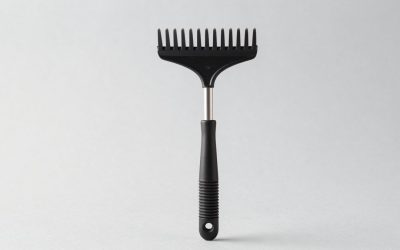
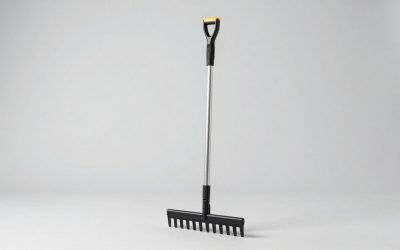
The workhorse of Berner grooming. Long, widely spaced teeth pass through the outer coat and pull dead undercoat from beneath, and the wide head means a full body pass takes a fraction of the time a slicker would need on a dog of this size and coat density.
It does nothing for the top coat, so a slicker or pin brush is still needed to finish. The teeth can catch if you drag them straight through a knot rather than working the tangle apart with your fingers first, and the plastic handle is comfortable rather than premium.
Chris Christensen Big G
A large professional slicker with long pins that reach through a heavy coat to skin level and lift the topcoat into shape after rake work. On a Berner the sheer width of the head is what justifies the price, since it covers an enormous amount of dog in relatively few passes.
It costs several times what a pet-store slicker does, and the long pins demand a light hand, since pressing down on a tool that already reaches skin causes brush burn very quickly. It is also far more brush than a smooth-coated dog would ever need, so it only makes sense on a genuinely heavy coat.
Master Grooming Greyhound Comb
A plain steel comb with fine teeth at one end and coarse at the other, used to work through the leg feathering and to check whether the body brushing actually reached skin level. It is easily the cheapest item on this list and the one owners skip most often, usually to their cost.
It is slow across a large dog, which is why it is a checking and detailing tool rather than a main brush. Bare steel offers no cushioning for your hand during a long session, and dragging it straight into a formed knot will hurt the dog and set the routine back.
FURminator for Large Long Hair Dogs
During a coat blow this removes more dead undercoat per minute than anything else on the list, and the drop in hair on floors and furniture is immediately noticeable. On a Berner in full shed it is the one tool that makes the whole season feel manageable rather than endless.
Overuse is the risk. Weekly year-round use shortens guard hairs and thins the coat, and the effect takes months to grow out. Keep it to the peak of a shed, use short strokes on the body only, and stay well away from the leg feathering and the tail entirely.
Mars Coat King 20-Blade
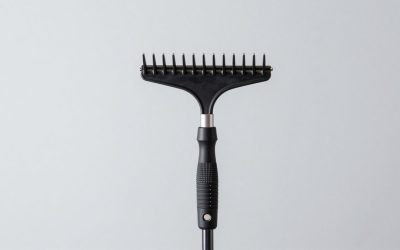
A professional stripping rake that pulls dense wool out from under the guard coat in very few passes. On a thick ruff and back it does in minutes what a slicker only approximates in half an hour, which is why groomers reach for one on heavy-coated breeds.
It is sharp and unforgiving. Used with pressure, on thin-coated areas, or on a dog that will not stand still, it takes far too much coat and can catch skin. Choose a higher blade count for a gentler action, keep it off the legs entirely, and let the tool do the work without added pressure.
Pat Your Pet Dematting Rake
Double-sided with rounded blade edges, this opens the early tangles that form behind the ears and in the leg feathering before they ever need cutting out. The wider side breaks a knot apart and the narrower side finishes it off, usually in well under a minute per tangle.
These are still blades, so on a mat sitting tight against the skin they can catch. Slide a finger between the mat and the body, work from the outer edge inward, and stop immediately if the skin lifts with the hair. Anything solid belongs to a groomer with clippers.
Frequently Asked Questions
Owners working out the best brush for bernese mountain dog care usually ask the same four things, generally after their first full coat blow. The four answers below cover brushing frequency, why shaving is a bad idea, whether deshedding tools damage the coat, and exactly where mats form on this breed.
How often should I brush a Bernese Mountain Dog?
Two or three times a week as a baseline, moving to daily through the spring and autumn coat blows. The feathering behind the legs and ears needs checking every session regardless, since that is where tangles start well before the body coat shows any problem.
Should I ever shave a Berner?
No, other than for a medical reason on veterinary advice. The double coat insulates against heat as well as cold and protects the skin from sun, and regrowth after shaving is frequently uneven or permanently altered in texture. Thorough deshedding is the correct answer to summer heat.
Do deshedding tools damage the coat?
Only with overuse. A few sessions during peak shed are beneficial and remove hair the dog is losing anyway. Weekly use year-round shortens guard hairs and thins the outer coat, which is the most common self-inflicted grooming problem in double-coated breeds.
Where do mats form on this breed?
Behind the ears first, then the leg feathering, the ruff, the britches, and around the base of the tail. Those areas combine length with friction, so they tangle even when the body coat is in good order. Comb them every session rather than relying on a rake.
See More:
- Best dog shampoo for Australian Shepherds
- Best natural dog shampoo
- Best slicker brush for dogs
- Best toothbrush for small dog
- Best cat brush for ragdolls
Final Thoughts
The best brush for bernese mountain dog coats is really three tools working together: a rake to clear the undercoat, a large slicker to finish the body, and a steel comb for the feathering and the final check. Add a deshedding blade for the two coat blows a year, keep it away from the feathering, and never shave the coat to manage heat.



Write Your Review
No reviews yet. Be the first to share your experience!