
Best brush for moulting dog coats is really a question about sequence rather than a single tool, because a full seasonal blow-out releases undercoat faster than any one brush can keep up with. Here is the order that works through a coat blow, the tools for each stage and six options that cover all four.
Our top picks
 SleekEZ Dog Brush for Shedding
Works across short, medium, and long coat lengths
Patented design grabs hair tips to reduce painful tugging
Doubles as a tool for removing pet hair from furniture and cars
5-inch size may be small for grooming large dogs quickly
Metal construction requires careful storage away from small children
 Maxpower Planet Dog Grooming Rake
Dual-sided design pairs a 9-tooth and 17-tooth comb in one tool
Rounded teeth are designed to reduce irritation while deshedding
Non-slip rubber base helps keep the brush steady during use
Dense double coats may require repeated passes for full deshedding
Metal teeth need periodic cleaning to clear trapped hair
 Docrok Pet Grooming Combo
2-in-1 rake and comb combo covers dematting and deshedding in one set
Soft, protective edges are designed to avoid hurting the pet
Stainless steel teeth and TPR handle add durability and comfort
Geared toward medium and long-haired coats, less so short fur
Combo tools need periodic cleaning to clear trapped hair
 Professional 3PCS Self Cleaning Slicker Brush &
- 【Professional Pet Grooming Kit 】3 Pet grooming tools…
- 【Why Choose Augwind 3PCS ?】 Augwind Pet Grooming…
- 【Dematting and Deshedding Tools】 Augwind Pet Grooming Rake…
 Swihauk Self Cleaning Slicker Brush
Release-bottom design helps clear collected hair with one press
Soft, round-tipped bristles are designed to avoid hurting the pet
Stainless steel construction is built for sturdy, long-term use
Large size may be less maneuverable for small pets or tight spots
Press-button cleaning mechanism adds a moving part that could wear over time

 Aumuca Skin Friendly Self-Cleaning Slicker Brush for
One-click cleaning button ejects collected hair without hand-pulling
Rounded plastic-tipped pins are designed to avoid scratching skin
Silicone loop strap at the base aids secure handling
Thicker wire bristles may feel firmer on very sensitive skin
ABS body construction is less durable than metal alternatives

As an Amazon Associate we earn from qualifying purchases at no extra cost to you.
As an Amazon Associate we earn from qualifying purchases.
🛒 Best Price Today on Amazon
Prime members get fast, free shipping on everything above, plus member-only deals. New members get a 30-day free trial — cancel anytime.
How to Choose the Best Brush for Moulting Dog Coats in Season
A coat blow is different from ordinary shedding. It runs for weeks, releases undercoat in clumps and needs a staged approach rather than more of the same brushing you do the rest of the year.
Understand What a Coat Blow Actually Is
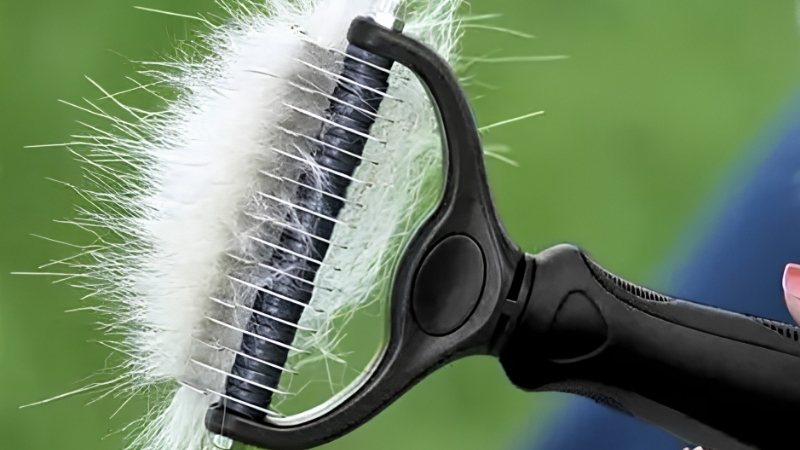
Double-coated breeds release large sections of dead undercoat over a period of weeks, usually twice a year as day length changes. The hair comes out in tufts rather than individually, which is why the volume is so much higher than routine shedding.
Indoor dogs under artificial light often blow coat less predictably, spreading the process across a longer period instead of two distinct events. That makes the pattern harder to plan for but does not change the tools or the sequence you need.
Crucially, this is not a problem to solve by clipping. Shaving a double coat removes the insulating layer that keeps a dog cool in summer as well as warm in winter, and the coat frequently grows back with a changed texture that never fully recovers.
Work in a Sequence, Not With One Tool
The order that works is rake first for bulk undercoat, then a deshedding blade for what the rake loosened but did not lift, then a slicker to smooth the topcoat, then a steel comb to check the result. Each stage does something the previous one could not.
Skipping straight to a blade is the common mistake, because it removes impressive volume immediately and leaves the deeper undercoat compacted underneath. The rake pass first is what makes the blade pass efficient rather than just satisfying.
This is why the best brush for moulting dog coats is rarely a single purchase. Four inexpensive tools used in order clear a coat far more thoroughly than one premium brush used alone, and the whole set usually costs less than a single professional deshedding appointment.
Bathing and Drying Accelerate the Process
A warm bath followed by a thorough dry loosens a large amount of undercoat that brushing alone cannot free, which is why professional groomers offer deshedding packages built around exactly that. A high-velocity dryer physically blows loose undercoat out of the coat.
Timing matters: brush before the bath to remove what is already loose, then bathe, then dry completely, then do the main deshedding session on a fully dry coat. Brushing a damp double coat is both ineffective and more likely to break hair.
Give the drying stage the time it needs. A double coat can feel dry on the surface while the undercoat is still damp, and running the best brush for moulting dog coats through that damp layer removes far less hair than the same session would an hour later.
Spring Timing, Allergies and Household Load
The spring coat blow through March into May coincides with pollen allergy season, and a moulting coat traps and holds pollen against the skin where it aggravates itching. Keeping on top of the moult genuinely helps a seasonally itchy dog rather than just tidying the house.
It is also when grooming tools and pet vacuums are discounted through the March sale period, ahead of the heaviest weeks. Doing the work outdoors where possible keeps a remarkable volume of hair out of your carpets in the first place.
Top Picks: Best Brush for Moulting Dog Coats at Each Stage
These six map onto the four stages of a deshedding session, so you can build the sequence rather than hoping one tool covers it.
| Product | Stage | Best For | Something to Note |
|---|---|---|---|
| Pat Your Pet Undercoat Rake | Stage 1, bulk removal | Thick double coats | Slower than a blade tool |
| FURminator deShedding Tool | Stage 2, lifting | Maximum hair removal | Very easy to overuse |
| Oster ShedMonster | Stage 2, gentler option | Medium to long coats | Limited on very dense coats |
| Hertzko Self-Cleaning Slicker | Stage 3, smoothing | Topcoat finishing | Firm pins, light pressure only |
| Andis Steel Pet Comb | Stage 4, checking | Verifying the coat is clear | Removes little hair itself |
| KONG ZoomGroom | Bath stage | Working shampoo into the coat | Not a deshedding tool alone |
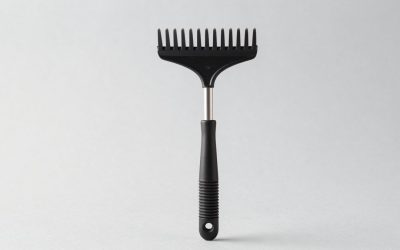
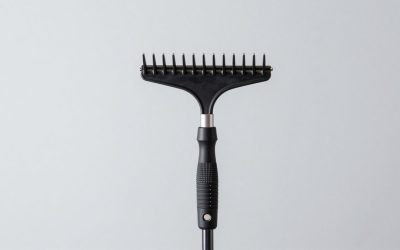
Pat Your Pet Undercoat Rake
This is where every moulting session should start. The long teeth pass through the topcoat and pull dead undercoat from beneath without the aggressive grip of a blade, which is what you want for the repeated sessions a full coat blow demands.
It is slower than a blade and less immediately dramatic, so owners often abandon it too early. On a thick coat, the rake pass is the work and the blade pass is the finish, not the other way round, and reversing that order makes the whole session less effective.
FURminator deShedding Tool
Once the rake has loosened the bulk, the FURminator lifts what remains faster than anything else in this group. Through the heaviest weeks of a moult it is the tool that visibly changes how much hair ends up on your floors and furniture.
Restraint is essential. Use a few passes per area, stop while hair is still coming out, and never use it on consecutive days over the same section. The best brush for moulting dog coats is only best while the coat still has dead undercoat to give.
Oster ShedMonster
For owners nervous about a fine blade, the ShedMonster is a gentler stage-two option that still removes serious volume from medium and long coats. The teeth are designed to release live hair rather than grip it, which lowers the risk of over-thinning.
On the densest northern breed coats it does not reach as deep as a FURminator or a good rake, so a malamute owner will find it leaves work behind. It fits retriever, collie and shepherd coats considerably better.
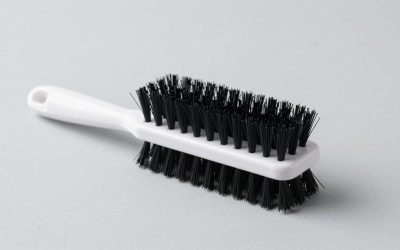
Hertzko Self-Cleaning Slicker Brush
After the deshedding stages, a slicker smooths the topcoat and picks up the loose hair the previous tools left sitting in the coat. Skipping this stage is why a dog can look untidy immediately after a session that removed an enormous amount of hair.
The pins are firm, so keep the pressure light and stay off bony areas. The self-cleaning button is genuinely useful here, since this stage fills the head repeatedly and stopping to pick hair out by hand breaks the rhythm of a long session.
Andis Steel Pet Comb
The comb is the honest check at the end. Running it through a section tells you immediately whether the undercoat is genuinely clear, and it finds compacted areas behind the ears and along the back legs that the larger tools passed straight over.
It removes little hair itself, so its value is entirely diagnostic. Owners who skip it often think a session is finished when a substantial amount of undercoat is still packed against the skin waiting to mat, usually in exactly the places a dog objects to having brushed.
KONG ZoomGroom
During the bath stage, this rubber curry works shampoo down through a dense coat to the skin far better than hands alone, and the massaging action helps loosen undercoat while the coat is wet. That makes the post-bath deshedding session noticeably more productive.
On its own it is not a deshedding tool and will not reach an undercoat dry. Treat it as the bath-stage accessory in this sequence rather than a substitute for the rake and blade that do the real work afterwards.
Frequently Asked Questions
These questions come up every spring and autumn from owners looking for the best brush for moulting dog coats mid-blow-out.
How long does a coat blow last?
Typically two to four weeks of heavy shedding, though it can stretch longer in dogs kept mostly indoors under artificial light, which is when the best brush for moulting dog coats earns its place. Consistent short sessions through that window remove far more total hair than a few long sessions at the start and end.
Should I shave my double-coated dog instead?
No. The double coat insulates against heat as well as cold, and shaving removes that protection while often causing the coat to grow back with a permanently altered texture. Deshedding removes the dead undercoat and achieves the cooling effect without the damage.
How often can I brush during a moult?
Daily brushing with a rake or slicker is fine and helpful through the heaviest weeks, but limit blade-type deshedding tools to a couple of sessions a week. The rake and slicker can be used far more freely than the blade, which is the tool that thins a coat if you overdo it.
Does a bath really help with moulting?
Substantially. Washing and thoroughly drying a double coat loosens undercoat that dry brushing cannot free, and the deshedding session on a clean dry coat afterwards is by far the most productive of the whole process. Brush before, bathe, dry fully, then deshed.
See More:
- Dog shampoo best
- Best dog toenail clippers
- Best dog toe nail clippers
- Best rated dog nail clippers
- Dog claw clippers best
Final Thoughts
The best brush for moulting dog coats is a sequence: rake for bulk, blade for lifting, slicker for smoothing and comb for checking, ideally around a bath and a thorough dry. Keep blade sessions limited, work outdoors where you can, and never shave a double coat to shortcut the process. Short daily sessions through the two to four heaviest weeks do more than any single tool choice.



Write Your Review
No reviews yet. Be the first to share your experience!