
Our Top Picks
Pros & cons
- Works across short, medium, and long coat lengths
- Patented design grabs hair tips to reduce painful tugging
- Doubles as a tool for removing pet hair from furniture and cars
- 5-inch size may be small for grooming large dogs quickly
- Metal construction requires careful storage away from small children
Pros & cons
- Release-bottom design helps clear collected hair with one press
- Soft, round-tipped bristles are designed to avoid hurting the pet
- Stainless steel construction is built for sturdy, long-term use
- Large size may be less maneuverable for small pets or tight spots
- Press-button cleaning mechanism adds a moving part that could wear over time
Pros & cons
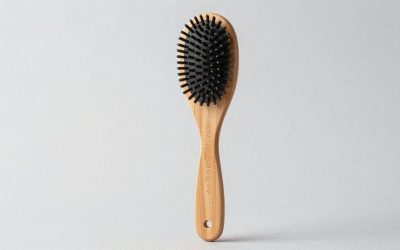
- Natural boar bristles are soft enough for sensitive-skin pets
- Ergonomic palm design with cotton band reduces wrist strain
- Distributes natural oils for a smoother, shinier coat
- Geared toward short-haired coats, not thick or matted fur
- Natural bristles may shed slightly over time
Even short-haired dogs shed — and the right brush keeps loose fur, dander, and mats under control while keeping your dog’s coat shiny and healthy. The best dog brushes for short and long hair remove undercoat, distribute natural oils, and turn grooming into a bonding session your dog actually enjoys.
Below we compare the best dog brushes for shedding available now, from deshedding tools to gentle bristle brushes, plus how to choose the right one for your dog’s coat.

SleekEZ Dog Brush for Shedding | Patented Deshedding Dog Brush | Pet Hair Remover for Short, Medium & Long Coats | Made in USA | 5 Inch
Chosen because it lists an explicit depth/thickness.
View on Amazon
Swihauk Self Cleaning Slicker Brush - Skin Friendly Deshedding Grooming Tool for Dogs & Cats, Suitable for Shedding & Haired Pets, with Pet Supplies Accessories, Blue
One of the home product options compared in this guide.
View on Amazon
Dipoo Self Cleaning Shedding Brush - Skin Friendly Grooming Tool for Dogs, Cats, and Puppies, Deshedding and Hair Removal for Long and Short Haired Pets, Black
One of the home product options compared in this guide.
View on Amazon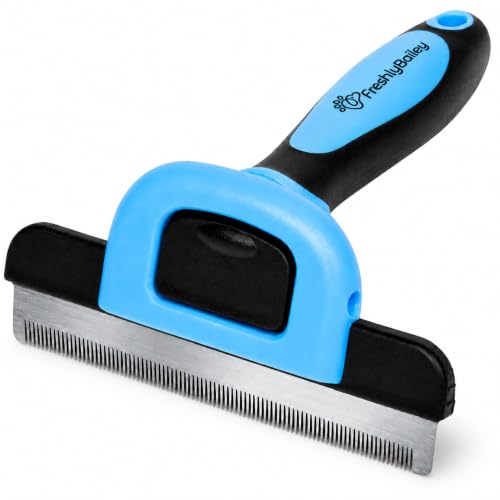
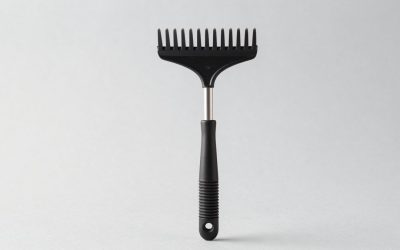
Short Hair Deshedding Brush for Dogs & Cats - Grooming Comb | Short-hair Deshedder Grooming Comb for Dogs and Cats to Loosen and Remove Shedding Fur
One of the home product options compared in this guide.
View on Amazon
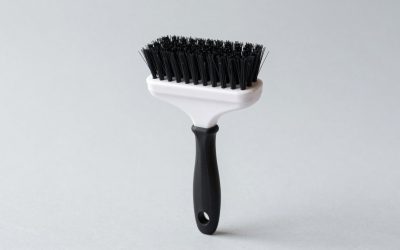
Soft Boar Bristle Dog Brush for Short Haired, Ideal Pet Hair Brush
One of the home product options compared in this guide.
View on Amazon
Soft Boar Bristle Pet Palm Brush for Short Haired Dogs and Cats with Band, Reduce Shedding, Ergonomic Dog Brush, Easy to Hold and Reduces Stress On Your Wrist | Ideal for Daily Grooming
One of the home product options compared in this guide.
View on Amazon
2PCS Pet Grooming Tools - Double-Sided Brush for Shedding and Bathing, Suitable for Short/Long Haired Dogs Cats and Horses, Deshedding Dog Brush, Mane & Tail Combs for Horses - Pet Supplies (Blue)
One of the home product options compared in this guide.
View on Amazon
FURminator Medium Dog Undercoat deShedding Tool for Short Hair | Reduces Loose Hair From Shedding, Easy Clean-Up, For 25-50 lbs, Use Weekly, Ergonomic Handle For Comfort
One of the home product options compared in this guide.
View on AmazonHow to Choose a Dog Brush
- Coat type: Short coats do well with bristle brushes and deshedding tools; long or double coats need slicker brushes and undercoat rakes.
- Deshedding power: Deshedding tools reach the undercoat to dramatically cut loose fur around the house.
- Skin-friendliness: Rounded pins and soft bristles groom without scratching sensitive skin.
- Self-cleaning: Self-cleaning slicker brushes release trapped hair with one button — a huge time-saver.
- Comfort: An ergonomic, non-slip handle makes longer grooming sessions easier on your hand.
Which Brush Type Matches Which Coat
Most brushing frustration comes from pairing the wrong tool with the wrong coat. A bristle brush on a thick husky coat glides over the top and never reaches the undercoat, while a stiff slicker on a smooth Pitbull can feel scratchy within a few strokes. The table below maps the common coat types to the tool that does the real work, so you can narrow the field before comparing individual products.
| Coat type | Typical examples | Main tool | Helper tool |
|---|---|---|---|
| Short and smooth | Beagle, Boxer, Pitbull, Lab | Rubber curry or deshedding tool | Soft bristle brush for shine |
| Double coat, short to medium | Labrador, Corgi, German Shepherd | Deshedding tool or undercoat rake | Slicker for the feathering |
| Long and silky | Yorkie, Shih Tzu, Maltese | Pin brush or gentle slicker | Steel comb to check for tangles |
| Long and thick | Golden Retriever, Collie, Husky | Undercoat rake plus slicker | Bristle brush to finish |
| Curly or wavy | Poodle, Doodles | Long-pin slicker | Metal comb, used often |
Why the Order of Tools Matters
Think in layers. Start with the tool that reaches deepest, then move to the tool that smooths the surface. For a double coat that means a rake or deshedding tool first, a slicker second, and a bristle brush last. Reversing the order pushes loose undercoat back into the coat and leaves you doing the job twice.
Size and Handle Matter Too
A wide head covers a big dog quickly but is awkward around the face, paws and tail base. A compact head suits small breeds and detail work. If your hand tires quickly, look for a rounded, non-slip grip, because a tool you can hold comfortably is the one you will actually pick up every few days.
Top Dog Brushes Reviewed
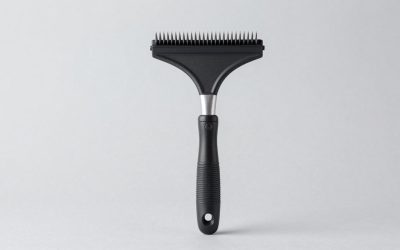
SleekEZ Patented Deshedding Brush
A cult-favorite deshedding tool that pulls loose fur from short coats with ease — simple, durable, and remarkably effective.
Swihauk Self-Cleaning Slicker Brush
Skin-friendly bent pins lift loose fur and mats, and one button retracts them to clean the brush instantly.
Dipoo Self-Cleaning Shedding Brush
A gentle, effective grooming tool with a retractable self-cleaning design, great for regular deshedding sessions.
Freshly Bailey Deshedding Brush
Designed for short-haired dogs and cats, this deshedding brush reduces loose fur while being gentle on the skin.
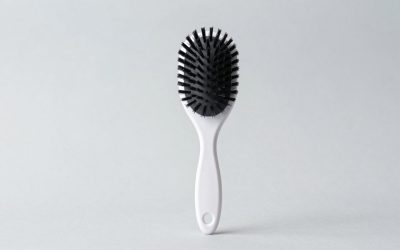
Soft Boar Bristle Dog Brush
Ideal for short coats, boar bristles distribute natural oils for a healthy shine and a soothing, gentle groom.
2-Piece Double-Sided Grooming Brush Set
A versatile set with a deshedding side and a bristle side, covering both undercoat removal and finishing in one tool.
More Dog Brushes Worth Considering
The six picks above cover the core coat types. The tools below fill the gaps: a rubber option for bath time, a glove for dogs that dislike brushes, a rake for thick undercoats, a long-coat shedding tool, and a long-pin slicker for coats that tangle.
Metopets Rubber Curry Brush

Metopets Rubber Curry Brush for Short Haired Dogs, Gentle Curry Comb | Dog Brush with Removable Screen, Use Wet as Bath Scrubber or Dry for Grooming Loose Hair
One of the home product options compared in this guide.
View on AmazonA rubber curry brush is the gentlest way to loosen hair on a short coat, and this one is sold specifically for short-haired dogs. The soft rubber nubs lift loose fur and dander to the surface while massaging the skin, and the listing notes that it can be used wet as a bath scrubber or dry for regular grooming. That dual use is its main strength, because the same tool works in the shower and on the living-room floor.
It suits dogs that dislike metal pins, puppies getting used to being brushed, and owners who want a low-risk first brush. Beagles, Boxers, Pitbulls, Staffies and Labs tend to respond well to this kind of tool, since their coats are short and close to the skin. Used with shampoo, it works the lather down to the skin and helps lift shedding hair before rinsing.
The trade-off is depth. Rubber does not reach into a dense undercoat the way a rake or deshedding tool does, so a husky or shepherd in full seasonal shed will still need something stronger. Loose hair also tends to cling to rubber, so expect to peel it off every minute or two. Compared with the SleekEZ at the top of our list, this is the softer, slower option: less dramatic hair removal per pass, but more comfortable for sensitive dogs and easier to use every day.
A good habit is to use it in a circular motion against the direction of growth, then once with the lie of the coat to smooth everything flat. Rinse it under the tap after each session so it stays flexible, and replace it if the nubs begin to crack or flatten.
Who should skip it: owners of thick double coats who want deep undercoat removal, and anyone who wants a tool that clears itself. Who should buy it: households with short-haired dogs, new puppy owners, and anyone who bathes at home and wants one inexpensive tool that handles both the shampoo stage and the dry brushing stage.
H HANDSON Pet Grooming Gloves

H HANDSON Pet Grooming Gloves - Patented #1 Ranked, Award Winning Shedding, Bathing, & Hair Remover Gloves - Gentle Brush for Cats, Dogs, and Horses (Grey, Large)
One of the home product options compared in this guide.
View on AmazonSome dogs simply hate brushes. For those, a grooming glove can be the difference between a calm session and a wrestling match. This glove-style tool, sold for shedding, bathing and hair removal, lets you stroke the dog with your own hand while soft tips collect loose hair. To the dog it feels like petting, which is why gloves are a common first step for nervous rescues and puppies.
The glove excels at everyday maintenance on short and medium coats. Stroke slowly along the body and loose hair gathers on the surface, ready to be wiped off in a single sweep. In the bath the same glove can scrub shampoo into the coat and massage the skin, which many dogs enjoy.
It is less effective on thick or tangled coats. Gloves lift surface hair rather than pulling dense undercoat, and they will not work through mats. They are also awkward on very large dogs, where covering the whole body takes a long time. Think of the glove as a companion tool rather than a replacement: pair it with a deshedding tool or slicker for the heavy lifting, and use the glove for the quick daily touch-up that keeps hair off the sofa.
Compared with the Soft Boar Bristle brush in our main list, the glove is better at lifting loose hair and the bristle brush is better at adding shine. If your dog tolerates only one, choose the glove for shedding control and add a bristle finish when the dog is relaxed. Wash the glove regularly and let it dry fully before the next use.
Who should skip it: owners of long, curly or tangle-prone coats, where a glove glides over the surface and leaves knots behind. Who should buy it: owners of short-coated or smooth dogs, nervous or sensitive dogs, and households that want a quick daily hair-lifting routine that doubles as a calming massage.
Maxpower Planet Dog Grooming Rake

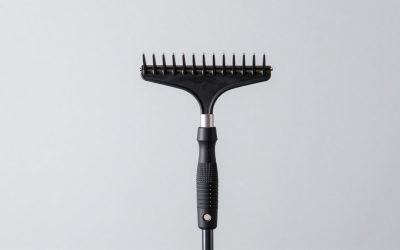
Maxpower Planet Dog Grooming Rake, Deshedding Undercoat Brush, Dogs & Cats | Blue Deshedding & Dematting, Extra-Wide Double-Sided Comb, Long-Haired Coats, Reduces Shedding, Original Design
One of the home product options compared in this guide.
View on AmazonWhen the question is how to get the fluffy undercoat out, an undercoat rake is the classic answer. The Maxpower Planet rake has an extra-wide double-sided head, with one side for deshedding and one for dematting, and is aimed at long-haired coats. Rake pins sit well below the surface, so they pull out the dead, soft undercoat that a slicker passes over.
It suits Golden Retrievers, Collies, Huskies, Newfoundlands and other thick, double-coated breeds, especially in the two heavy shedding seasons. Work in small sections, starting at the ends of the hair and gradually moving toward the skin so you do not drag through tangles. Short, gentle strokes are better than one long pull.
The wide head covers a lot of ground, which is a real time saver on a big dog. The same width becomes a drawback on small dogs and around tight areas such as the ears and paws, where a narrower tool is easier to control. Raking also takes a little technique: pressing hard against the skin is uncomfortable and unnecessary, so let the pins do the work.
Against the SleekEZ in our main list, the rake is slower but more thorough on deep undercoat, while the SleekEZ is faster on short and medium coats. Many owners keep both. Avoid using a rake on single-coated or very fine hair, and never force it through a mat; separate the mat first with a comb or your fingers.
Who should skip it: owners of short single coats, where a rake has little to catch. Who should buy it: owners of thick, long or double-coated dogs who want a budget-friendly way to keep undercoat under control through two heavy shedding seasons, and who are willing to learn a gentle, sectioned technique.
FURminator Large Dog Undercoat deShedding Tool for Long Hair
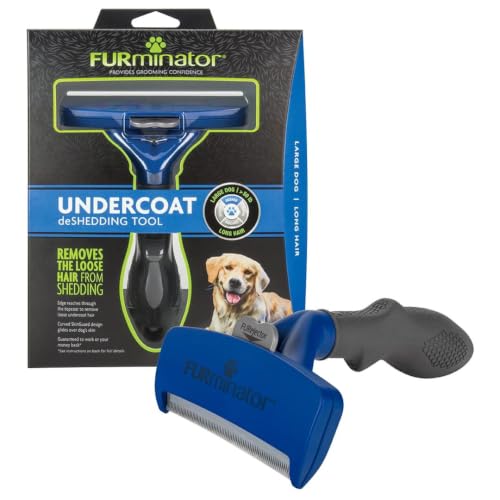
FURminator Large Dog Undercoat deShedding Tool for Long Hair | Reduces Loose Hair From Shedding, Easy Clean-Up, For Dogs Over 50 lbs, Use Weekly, Ergonomic Handle For Comfort
One of the home product options compared in this guide.
View on AmazonThe medium FURminator in our main list is built for short coats. This large long-hair version is the matching choice for big dogs with longer guard hair. Its stainless steel edge reaches through the top coat to lift loose undercoat, and a button releases the collected hair so cleanup takes seconds. The long-hair design uses a wider tooth spacing than the short-hair model, which lets it pass through thicker, longer coats without snagging.
It fits large double-coated breeds such as Golden Retrievers, Bernese Mountain Dogs, Samoyeds and German Shepherds. In a seasonal blow-out it can fill a surprising amount of hair in a few minutes, which is satisfying and also quite messy, so do the job outdoors if you can.
Technique matters with any edged deshedder. Use it on a clean, dry, tangle-free coat, stroke in the direction of growth with light pressure, and avoid going over the same spot repeatedly because that can irritate the skin or thin the coat. It is not meant for wet fur, mats or sensitive areas such as the belly and groin. Once or twice a week during heavy shedding is plenty for most dogs, with less in quieter months.
It costs more than most tools in this guide, which puts it in the premium tier. In return it is a sturdy, well-known design that can last for years. If you have a small or short-coated dog, one of the cheaper self-cleaning tools above will do the same job for less; the large long-hair FURminator earns its price on big, thick coats.
Who should skip it: owners of dogs with fine, single-layer, curly or wiry coats, where an edged tool offers little benefit. Who should buy it: owners of large, heavily shedding double coats who want a proven, long-lasting tool and are comfortable using it gently, a few times a week at most.
Paw Brothers Extra Long Slicker Brush
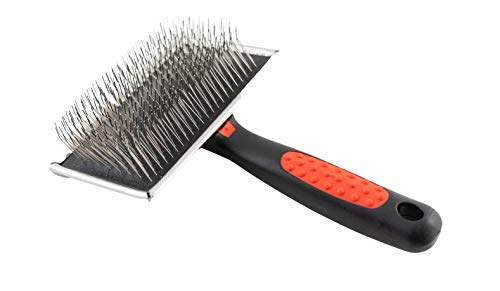
Paw Brothers Professional Grade Extra Long Slicker Brush - Ergonomic Handle, Removes Loose Undercoat and Tangles for Dogs
One of the home product options compared in this guide.
View on AmazonLong and curly coats tangle close to the skin, and a short-pin brush skims the top while the knots form underneath. This slicker is sold with extra-long pins and an ergonomic handle, aimed at removing loose undercoat and tangles on dogs with deeper coats. Longer pins reach further into the hair, which is why this style is popular with owners of doodles and similar breeds.
It is a better match than the Swihauk or Dipoo self-cleaning slickers for dogs with coats longer than a few centimetres, because those compact designs are tuned for shedding rather than depth. Use it in layers: lift a section of hair with one hand and brush the lower layer first, then release and repeat. This line-brushing method is how professional groomers make sure the brush reaches the skin rather than gliding over the top.
Because the pins are long and fine, a light hand is essential. Pressing hard drags the pin tips across the skin, which can cause redness, especially on thin-skinned or short-haired dogs. This is not a tool for a smooth-coated dog at all. It also does not self-clean, so you will pull the collected hair away with your fingers or a comb after each pass.
Pair it with a metal comb to check your work. If the comb catches, the slicker has not reached the problem area yet. Brush before bathing, never after the coat is wet and tangled, and keep sessions short and positive so your dog learns to accept long-coat maintenance as routine rather than something to avoid.
Who should skip it: owners of short, smooth coats, where fine long pins are unnecessary and may feel scratchy. Who should buy it: owners of doodles, spaniels, setters and other long or curly coats that tangle close to the skin and need a tool that reaches the base of the hair.
AKC Double-Sided Dog Grooming Brush (Bristle and Pin)

AKC Double-Sided Dog Grooming Brush, Bristle & Pin, Dogs & Cats | Soft bristles and stainless steel pins remove tangles, shedding and loose fur for all coat types.
One of the home product options compared in this guide.
View on AmazonIf you want one brush that covers a little of everything for a mixed household, a double-sided bristle and pin brush is the simple answer. This one pairs soft bristles on one face with stainless steel pins on the other, and is sold for dogs and cats. The pin side loosens light tangles and lifts loose hair from medium-length coats; the bristle side then smooths the surface and spreads natural oils for a glossier finish.
It suits dogs with medium coats such as spaniels, Border Collies and many mixed breeds, and it works well as a general-purpose brush for households with both a long-coated and a short-coated pet. Because two tools share one handle, it takes up less space in the grooming drawer and makes the brush-then-finish routine quick to follow.
The trade-off is specialisation. A double-sided brush does not remove dense undercoat, so it will not replace a rake or deshedding tool on a husky or shepherd in full shed, and it will not cut through serious mats. Pin tips vary in finish, so run the brush gently over your own arm before using it on a sensitive dog, and keep pressure light on thin-skinned areas.
Compared with the 2-piece double-sided brush set in our main list, this is the more conventional hand brush: easier to hold for a long session, though it lacks the bath-time side. Use the pin side first, then the bristle side, and keep it for maintenance between deeper sessions with the stronger tools above.
Who should skip it: owners of dogs with dense double coats or severe tangles, who need a rake or dematting tool. Who should buy it: owners of medium-coated dogs, mixed pet households, and first-time buyers who want a versatile, easy-to-use everyday brush.
Quick Chooser: Which Brush for Which Job
| If your main goal is | Start with | Tier |
|---|---|---|
| Cutting hair on the floor from a short coat | SleekEZ or Freshly Bailey deshedding brush | Budget to mid |
| Gentle bath-time loosening | Metopets rubber curry | Budget |
| A brush for a dog that hates brushes | H HANDSON grooming glove | Budget |
| Dense undercoat on a thick coat | Maxpower Planet rake | Budget |
| Large long-haired dog in full shed | FURminator Large Long Hair | Premium |
| Tangle-prone long or curly coat | Paw Brothers long-pin slicker | Mid |
| Shine and finishing | Soft boar bristle brush | Budget |
How to Brush Your Dog Step by Step
- Choose a calm moment, such as after a walk, and let the dog stand or lie on a non-slip surface.
- Start with a hand pass to find tangles, burrs and sore spots before any tool touches the coat.
- Use the deepest tool first (rake or deshedder for double coats, slicker for long coats), working in small sections in the direction of hair growth.
- Go lightly around the belly, armpits, groin and behind the ears, where the skin is thin and mats form fastest.
- Follow with a finishing tool, such as a bristle brush, to smooth the coat and spread natural oils.
- Reward the dog during and after the session so brushing becomes something to look forward to.
Common Brushing Mistakes
- Pressing too hard. Pins and blades work through contact with the hair, not pressure on the skin.
- Brushing a wet or matted coat. Water tightens knots. Detangle first, bathe second.
- Overusing deshedding tools. Once or twice a week is usually enough; more can irritate skin.
- Skipping clean-up. Clear hair from the brush mid-session so it keeps working.
- Ignoring skin changes. Redness, flakes, bald patches or constant scratching during brushing are worth a conversation with your vet.
Brushing Frequency by Coat
Short smooth coats are usually fine with a weekly session. Double coats do best with brushing two to three times a week and daily during the spring and autumn shed. Long, silky and curly coats generally need attention every day or every other day to stay free of tangles. Short, regular sessions beat one long weekly marathon.
Frequently Asked Questions
What brush is best for a short-haired dog?
A deshedding tool or a soft bristle brush works best — they remove loose fur and distribute oils without irritating short coats.
How often should I brush my dog?
Short coats benefit from brushing 1–2 times a week; heavy shedders and long coats may need brushing every day or two.
Do deshedding brushes really reduce shedding?
Yes — by removing loose undercoat before it falls out, deshedding tools noticeably cut the fur on your floors and furniture.
Are slicker brushes safe?
Yes, when used gently. Choose skin-friendly rounded pins and brush lightly to avoid scratching, especially on sensitive areas.
What is the difference between a slicker brush and a deshedding tool?
A slicker brush has fine, bent pins that lift loose hair and smooth tangles from the upper layers of the coat. A deshedding tool has a comb-like edge or rake that reaches the undercoat and pulls out dead hair that is about to fall out. Slickers are for detangling and finishing; deshedders are for seasonal and heavy shedding.
Can I use the same brush on my dog and my cat?
Some tools are sold for both, but dogs and cats differ in skin thickness and tolerance. Use a brush labelled for the species, keep tools separate if you can, and start gently with any new tool. Check the product description for the intended animal and size.
Why does my dog hate being brushed?
Common reasons are pulling on tangles, pins pressing on the skin, or sessions that go on too long. Switch to a softer tool such as a rubber curry or glove, detangle gently with a comb first, keep sessions to a few minutes, and pair them with treats and praise.
Should I brush a short-haired dog before or after a bath?
Before. Brushing removes loose hair that would otherwise clog the drain and mat against the wet skin. A rubber curry can also be used during the bath to work shampoo through the coat. After drying, a soft bristle brush adds shine.
How do I know if my dog has a double coat?
Part the hair with your fingers. If you see a dense, soft, woolly layer under longer, coarser outer hairs, the dog has a double coat. These dogs shed heavily twice a year and benefit from an undercoat rake or deshedding tool. Do not shave a double coat in the belief it will reduce shedding; ask a groomer for advice.
Is it normal for my dog to shed all year?
Yes, many dogs shed a little all year, with heavier periods in spring and autumn. Sudden heavy loss, bald patches, red skin or constant scratching is not routine shedding, and it is worth checking with your vet.
Final Thoughts
The right brush keeps shedding under control and your dog’s coat healthy. Grab a SleekEZ or deshedding tool for loose fur, a self-cleaning slicker for mats, or a boar bristle brush for a healthy shine — grooming made easy.


Write Your Review
No reviews yet. Be the first to share your experience!