
Key takeaways
What's inside
Best brush short hair cat owners can buy is usually softer and simpler than anything sold for dogs, because a short feline coat needs loose hair lifted rather than undercoat stripped. This roundup covers tool types, technique and tolerance, then compares five brushes worth keeping.
As an Amazon Associate we earn from qualifying purchases.
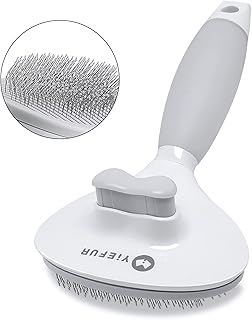


As an Amazon Associate we earn from qualifying purchases.
🛒 Best Price Today on Amazon
Prime members get fast, free shipping on everything above, plus member-only deals. New members get a 30-day free trial — cancel anytime.
How to Choose the Best Brush Short Hair Cat Coats Respond To
Short-coated cats groom themselves constantly, which means brushing is about removing hair before the cat swallows it rather than about detangling. That changes the priority completely: a tool the cat tolerates for five minutes beats a more efficient one it refuses after twenty seconds.
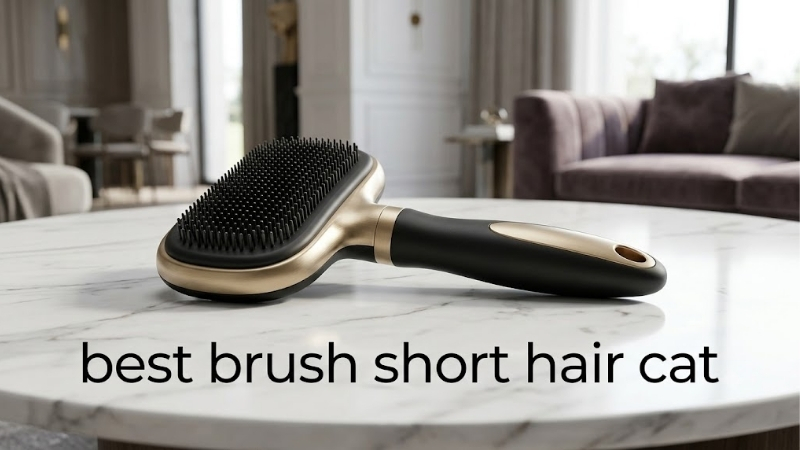
Rubber Curries, Gloves and Bristle Brushes
The best brush short hair cat owners settle on is usually a rubber tool of some kind, because comfort matters far more than efficiency when the animal is perfectly free to stand up and walk away mid-session. Tolerance is the specification that counts here, and it is the one no listing page will ever tell you about.
Rubber curry brushes use soft nubs that grip loose hair and lift it away while giving something close to a massage. Most short-coated cats accept them readily, and they work equally well on a British shorthair, a Siamese or on an ordinary domestic shorthair from the shelter.
Grooming gloves take the same idea further by removing the object from the equation entirely. For cats that flinch at anything held over them, being stroked by a hand that happens to collect hair is often the only routine that gets accepted without a fight on every single occasion.
Bristle brushes finish the coat and distribute skin oils, which is what produces the shine people associate with a well-kept shorthair. They lift very little loose hair on their own, so they work best as the second tool once a curry or a glove has done the collecting work.
Slickers, Shedding Combs and When to Use Them
Fine slickers designed for cats have shorter, softer pins than dog versions, and they clear more loose hair per stroke than rubber tools. Used lightly they are excellent, but pressure that a dog would ignore causes real discomfort on feline skin, which is thinner and more reactive.
Shedding combs with alternating tooth lengths sit between a comb and a rake, and they earn their place during the heavier spring and autumn moults. They also double as the tool that finds fleas, mats behind the ears and any lump that you would not otherwise have noticed.
Tolerance, Session Length and Technique
Technique decides how far any tool gets, and the best brush short hair cat sessions are short, calm and finished early rather than thorough and resented by both parties. A cat that enjoys the routine will come and find you when it wants the next one, which is exactly the outcome worth aiming at.
Work with the lie of the coat rather than against it, in short sessions of two to five minutes, and stop while the cat is still enjoying it. Ending on a good note is what builds a routine, and a cat that walks away calmly will usually come back willingly for the next session.
Watch the sensitive zones. Most cats dislike having the belly, the base of the tail and the back legs handled, so leave those until the routine is established, keep pressure light throughout, and never restrain a cat that is genuinely trying to leave the situation entirely.
Shedding Cycles and Hairball Season
Indoor cats shed to some degree all year, with heavier moults in spring and again in early autumn as daylight shifts. Brushing frequency should rise through those weeks, because the hair a cat does not swallow is hair that cannot become a hairball a few days further on, which is the whole point of the exercise.
Persistent overgrooming, bald patches, scabs or frequent vomiting are veterinary questions rather than grooming ones. A brush helps with normal shedding, but a cat pulling its own hair out is telling you something that no tool on this particular list was ever designed to address.
Top Picks: Five Brushes for a Short-Coated Cat
The best brush short hair cat households actually use is the one the cat allows. These five cover rubber, glove, slicker, deshedding and comb formats, and each entry names a real limitation so you can build a small kit rather than replacing much the same tool repeatedly.
| Tool | Type | Notable feature | Best for |
|---|---|---|---|
| Kong ZoomGroom | Rubber curry | Soft nubs, washable | Cats that dislike bristles |
| Delomo Pet Grooming Glove | Glove | Silicone tips on the palm | Nervous or flinchy cats |
| FURminator for Short Hair Cats | Deshedding edge | Fine stainless edge | Heavy seasonal moults |
| Safari Cat Shedding Comb | Comb | Alternating tooth lengths | Checking coat and skin |
| JW Pet Gripsoft Cat Slicker | Fine slicker | Soft pins sized for cats | Efficient loose hair removal |
Kong ZoomGroom
For a great many households this becomes the tool that the best brush short hair cat routines are built around, purely because it is the one the cat agrees to without any negotiation or bribery at all. Acceptance beats raw efficiency every single time, and a tool used weekly removes more hair than a better one used twice a year.
This is the tool that converts cats who hate being brushed. Soft rubber fingers glide through a short coat, collect loose hair into visible clumps and feel like being stroked rather than raked, which is why many owners find it becomes the only brush their cat will actually sit for.
It rinses clean under a tap and survives being chewed, dropped and lost behind the sofa. What it will not do is remove hair as efficiently as a slicker on a heavy moult, so households with a genuinely dense shorthair will want something rather sharper alongside it in spring.
Delomo Pet Grooming Glove
The glove removes the psychological hurdle entirely. From the cat’s point of view this is being petted, and the silicone tips collect a surprising volume of loose hair from the back and flanks while the cat stays relaxed and does not treat the session as an intervention at all.
Hair peels off the palm in one sheet, which makes cleanup quick. The limitation is depth: it works the surface coat well and does very little below that, so it is a maintenance and bonding tool rather than the answer to a cat that is dropping hair right across the whole house.
FURminator deShedding Tool for Short Hair Cats
During a heavy moult this removes more loose hair per minute than anything else here, which is exactly why it has such a strong following among owners of short-coated cats who shed visibly across furniture from March onwards every single year without fail. Yield per minute is genuinely high.
It needs a light hand and restraint. The edge cuts as well as collects, so repeated passes over the same area thin the coat and can irritate skin, and it should never be used on a cat with any skin lesion. Short sessions, light pressure and stopping early are the rules here.
Safari Cat Shedding Comb
Every cat kit benefits from one comb, and the alternating tooth lengths make this one useful for both loose hair and inspection. It passes through a short coat easily, lifts what the curry missed, and gives you a reliable way to check the skin and the coat as you work along.
It is not the fastest deshedding tool and it is not what most cats would choose, so it works best as a finishing and checking step rather than the main event. Keep the strokes short around the neck and behind the ears, where the skin sits closest to the bone underneath.
JW Pet Gripsoft Cat Slicker
Cat-specific slickers use shorter, softer pins than dog versions, and this one strikes a sensible balance between efficiency and comfort. It clears loose hair faster than rubber tools while staying gentle enough that most short-coated cats accept it after a fairly short introduction.
Pressure is the thing to control. Feline skin is thinner than canine skin, so a slicker used with dog-level force causes irritation quickly, and any pink patches mean stopping for a few days. Used lightly and briefly, it is the most efficient everyday tool on the whole list.
Frequently Asked Questions
Four questions cover most of what owners want to know, particularly with a cat that has never been groomed. The best brush short hair cat routines depend on frequency and on session length as much as they do on whichever particular tool you happened to buy first for the job.
How often should a short-haired cat be brushed?
Once or twice a week suits most short-coated cats through the year, rising to several times a week during spring and autumn moults. Short sessions are better than long ones, and a few minutes regularly removes far more hair overall than one long session once a fortnight does.
Do short-haired cats really need brushing?
They manage without it, but brushing removes hair the cat would otherwise swallow while self-grooming, which reduces hairballs and the amount of hair left on furniture. It also gives you a weekly check for lumps, fleas, scabs and weight changes that are otherwise easy to miss.
My cat hates being brushed. What should I try?
Start with a grooming glove, keep sessions to a minute, and work only along the back and shoulders where most cats accept contact. Pair it with something the cat likes, stop before it wants you to, and build from there rather than persisting through an obvious objection.
Can I use a dog brush on my cat?
Some dog tools are simply too harsh, particularly stiff slickers and undercoat rakes designed for double coats. Cat-specific versions use shorter, softer pins for a reason, and feline skin is thin enough that the wrong tool causes irritation faster than almost any owner expects.
See More:
- Dog grooming shears best
- Best dog clippers for poodles
- Best dog clippers for doodles
- Best dog brush for poodle
- Best dog brush for great pyrenees
Final Thoughts
The best brush short hair cat owners can buy is the one their cat will sit still for, which usually means a rubber curry or a glove for everyday use and something sharper reserved for the seasonal moults. Keep sessions short, keep pressure light, and stop while the cat is still enjoying it.




Write Your Review
No reviews yet. Be the first to share your experience!