
Best deshedding tool for short hair dogs is a narrower question than it looks, because most tools on the shelf are built for coats several inches long. On a Beagle, Boxer, or Staffie, those tools pass straight over the hair and collect almost nothing at all. Edge depth is the specification that decides everything here.
Our top picks
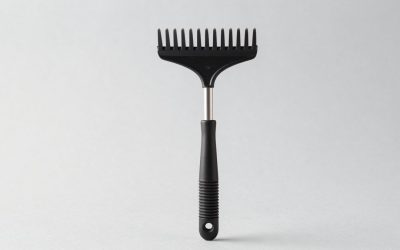
 SleekEZ Dog Brush for Shedding
Works across short, medium, and long coat lengths
Patented design grabs hair tips to reduce painful tugging
Doubles as a tool for removing pet hair from furniture and cars
5-inch size may be small for grooming large dogs quickly
Metal construction requires careful storage away from small children
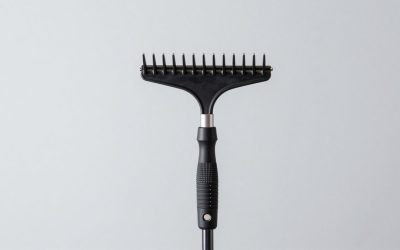
 FURminator Medium Dog Undercoat deShedding Tool for
- Item Package Dimensions L x W x H: 8.78 x 6.18 x 2.24 inches
- Item Dimensions LxWxH: 2 x 5 x 8.75 inches
- Target Audience Keyword: Dogs

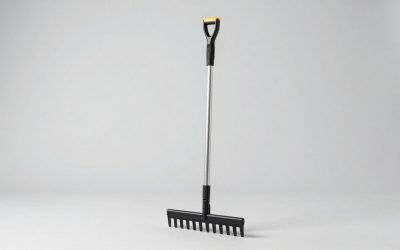
 Gonicc PDT- 1001 Professional Pet De Shedding
- Item Package Dimensions L x W x H: 7.8 x 4.92 x 1.37 inches
- Item Dimensions LxWxH: 7.28 x 5.08 x 1.18 inches
- Target Audience Keyword: Dogs, Rodents, small-animal-pets
 Swihauk Self Cleaning Slicker Brush
Release-bottom design helps clear collected hair with one press
Soft, round-tipped bristles are designed to avoid hurting the pet
Stainless steel construction is built for sturdy, long-term use
Large size may be less maneuverable for small pets or tight spots
Press-button cleaning mechanism adds a moving part that could wear over time
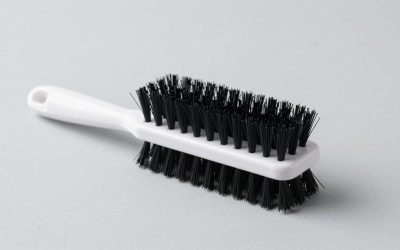
 Short Hair Deshedding Brush for Dogs &
- Hair Type: All
- Additional Features: Non-slip
- Bristle Material: Plastic


As an Amazon Associate we earn from qualifying purchases at no extra cost to you.
As an Amazon Associate we earn from qualifying purchases.
By Laura Simmons
Laura Simmons writes about at-home pet grooming gear and coat care routines for Heads to Tails Grooming.
🛒 Best Price Today on Amazon
Prime members get fast, free shipping on everything above, plus member-only deals. New members get a 30-day free trial — cancel anytime.
Start 30-Day Prime Free Trial →See Today’s Amazon DealsHow to Choose the Best Deshedding Tool for Short Hair Dogs
Short coats shed constantly rather than seasonally, and the hair is too short for long-pinned tools to engage. What works is a shallow edge, a rubber surface, or a blade sitting close to its backing plate, used with far less pressure than a thick coat would tolerate. Pressure matters as much as picking the right tool.
Edge Depth and Coat Length
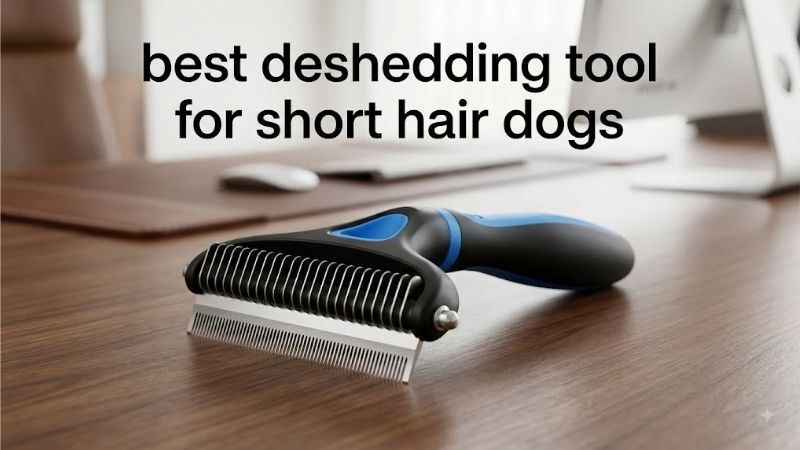
Deshedding tools are sold in short-hair and long-hair versions, and the difference is genuine rather than marketing. Short-hair edges sit closer to the backing plate so they catch a coat under two inches, while long-hair versions skim over it and collect a fraction as much. Check the packaging carefully before buying.
Check the packaging before buying, because the two versions look nearly identical in photographs. Owners who buy the wrong one usually conclude the whole category is oversold, when the tool simply never reached the hair it was meant to be removing. Owners who buy the wrong version blame the category rather than the choice.
Skin Contact and Pressure
A short coat gives almost no buffer between tool and skin, so anything firm reaches skin on the first pass. Light pressure is not optional here, and the tools that work best are the ones that cannot be pressed hard enough to cause damage. Anything firm reaches skin on the very first pass over a short coat.
Check the skin after any new tool, particularly across the ribs, flanks, and hips where coat is thinnest. Pink patches mean the tool is too aggressive or the hand too heavy, and continuing produces the irritation that gets blamed on food or allergies later. Ribs, flanks, and hips are where the coat runs thinnest.
Rubber and Stone Tools as Alternatives
Rubber curries, silicone gloves, and grooming stones all lift loose hair from a flat coat by friction rather than by cutting. They collect less per pass than a bladed tool but can be used daily without any risk, which changes the weekly total considerably. Daily use with no risk changes the weekly total considerably.
They also finish the coat properly, spreading skin oils along the hair shaft and restoring the sheen a short coat should have. Two minutes of rubber work at the end of a session makes a visible difference in how the coat catches light. Two minutes of rubber work at the end restores the sheen properly.
Frequency and Realistic Expectations
Short-coated dogs shed year round with mild seasonal peaks rather than dramatic coat blows. That means a steady routine beats occasional heavy sessions, and two or three short sessions a week keeps the volume on your furniture genuinely manageable. Steady routine beats occasional heavy sessions on this coat type.
No tool stops shedding, since hair loss is a growth cycle rather than a grooming failure. What a good tool does is move that hair from your sofa into a bin, which is a smaller promise but the only honest one worth making. The best deshedding tool for short hair dogs moves hair from sofa to bin, no more.
Top Picks: Best Deshedding Tool for Short Hair Dogs
These six all engage a coat under two inches, which rules out most of the category. Households usually end up with one bladed tool for weekly work and one rubber tool for the days in between. The best deshedding tool for short hair dogs usually turns out to be a pair of tools rather than a single purchase.
| Tool | Type | Best For | Price Tier |
|---|---|---|---|
| SleekEZ Deshedding Grooming Tool | Wave-edge blade | Very short coats | Mid |
| FURminator Short Hair, Medium Dog | Deshedding edge | Highest hair yield | Mid |
| Oster ShedMonster Short Hair | Flexible teeth | Gentler shed control | Mid |
| Pet Neat Deshedding Tool | Deshedding edge | Budget option | Budget |
| Safari Rubber Curry Brush | Rubber curry | Daily use and bathing | Budget |
| StripHair Gentle Groomer | Rubber blade | Sensitive skin | Mid |
SleekEZ Deshedding Grooming Tool
A wave-patterned metal edge on a wooden handle, designed specifically for coats too short for conventional tools. It works dry, with light pressure and short strokes, and on a Boxer or Staffie it lifts a startling amount of hair from a coat that looked clean. Short strokes with light hands are the technique.
It has no ejector, so hair collects on the edge and needs wiping away regularly. The rigid edge also demands genuinely light hands, since pressing down puts metal directly onto skin with no coat depth to cushion it at all. Wiping the edge clear every few strokes is simply part of using this one properly.
FURminator deShedding Tool for Short Hair, Medium Dog
The category benchmark in its short-hair version, with a stainless edge sized to catch a coat under two inches and an ejector button that clears collected hair in one press. Hair yield per session is the highest here by a clear margin. Sizing matters almost as much as which version of it you choose here.
The edge cuts as well as combs, so weekly use is the sensible ceiling and daily use thins the coat. Sizing matters too, since the large version is unwieldy on a medium dog while the small one takes twice as long on a big one. It sits neatly between rubber and bladed tools in both hair yield and risk.
Oster ShedMonster De-Shedding Tool for Short Hair
Flexible teeth reach loose hair with noticeably less bite than a rigid blade, which suits dogs whose skin reacts to firmer tools. It sits between rubber and bladed options and can be used a little more often than a true deshedding edge. For owners testing a bladed tool first, it answers the question cheaply.
Yield is lower than a FURminator over the same session, so heavier shedding takes longer to control. The plastic housing also feels lighter than the price suggests, though it holds up well enough to regular household use. Expect to replace it eventually rather than keep it for the whole life of the dog.
Pet Neat Deshedding Tool
A budget stainless deshedding edge with a release button and a comfortable grip, covering the basics for owners testing whether a bladed tool suits their dog. On a short-coated dog it removes a genuinely useful volume of hair per session. Most short-coated dogs actively enjoy the sensation this one produces.
The edge dulls faster than the established brands and the guard is basic, so restraint on pressure matters more than usual. Treat it as a first purchase rather than something you expect to keep for the life of the dog. It supplements a bladed tool rather than replacing one, especially during heavy weeks.
Safari Rubber Curry Brush
Soft rubber nubs lift loose hair by friction and massage skin at the same time, which makes this the tool most short-coated dogs actively enjoy. It works wet or dry and doubles as a shampoo applicator on a coat that repels water. Dogs that flinch at any metal tool will usually accept this one instead.
Hair yield per pass is far below a bladed tool, so it supplements rather than replaces one. Hair also collects on the rubber surface and needs pulling off every minute or so during a session on a heavily shedding dog. Comfort rather than raw speed is what this one is really offering, and that has value.
StripHair Gentle Groomer
A flexible rubber blade that works wet, dry, or with shampoo, and can be used daily without any risk to skin. For dogs that flinch at metal tools, this is often the only option that gets accepted without a fight every time. On a Boxer or a Staffie the hair yield surprises most owners the very first time.
It costs more than a basic rubber curry without dramatically outperforming it on short coats, and yield stays modest. It is a comfort-first tool rather than the fastest way to clear a coat during a heavier shedding week. Light hands matter more with this tool than with almost any other one listed here.
Frequently Asked Questions
Owners of short-coated breeds ask a consistent set of questions, usually after discovering that short does not mean low-shedding. Owners searching for the best deshedding tool for short hair dogs usually arrive after buying the wrong version once, so these answers start with what actually engages a short coat.
How often should I use a deshedding tool?
Once a week for bladed tools, and as often as you like for rubber ones. The best deshedding tool for short hair dogs still cuts hair as well as combing it, so daily bladed sessions thin the coat and irritate the skin underneath. Rubber tools carry no such limit and can be used as often as the dog enjoys.
Why does my short-haired dog shed so much?
Short coats are often dense with a high follicle count, and they release hair on a rolling cycle year round rather than in seasonal blows. Breeds like Labradors, Boxers, and Pugs are among the heaviest shedders despite the coat length. Coat length and shedding volume are almost unrelated in practice.
Does bathing help with short-coat shedding?
Yes, when paired with thorough drying and brushing immediately afterwards. A rubber curry used during the wash lifts a surprising amount of loose hair before the dog is even dry, which reduces what falls over the following days. Drying the coat fully before brushing is the step that makes the difference.
When should I see a vet about shedding?
Bald patches, thinning in specific areas, scabs, itching, or a sudden change in coat texture all warrant an appointment. Allergies, parasites, thyroid conditions, and nutritional problems commonly show up in the coat before anywhere else. The coat often shows a problem before any other symptom appears.
See More:
- Best dog clippers for thick coat
- Best at home dog clippers
- Best dog clippers for poodle hair
- Best dog clippers for thick coats
- Best dog brush for blue heeler
Final Thoughts
The best deshedding tool for short hair dogs is one with a shallow edge or a rubber surface, used with genuinely light pressure and a weekly limit on anything bladed. Pair it with a rubber tool for daily work and the hair on your furniture drops noticeably. Consistency across the week does the rest.



Write Your Review
No reviews yet. Be the first to share your experience!