
Best dog brush for boxers is a search that surprises people, because a quarter-inch coat looks like it needs nothing at all. Then the black sofa turns beige. Short single coats shed steadily year round, and the right tool changes how much of that fur ends up on your floor. Short coats hide the volume until it lands on the sofa.
Our top picks
 SleekEZ Dog Brush for Shedding
Works across short, medium, and long coat lengths
Patented design grabs hair tips to reduce painful tugging
Doubles as a tool for removing pet hair from furniture and cars
5-inch size may be small for grooming large dogs quickly
Metal construction requires careful storage away from small children

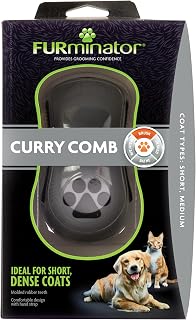
 Short Hair Deshedding Brush for Dogs &
- Hair Type: All
- Additional Features: Non-slip
- Bristle Material: Plastic



As an Amazon Associate we earn from qualifying purchases at no extra cost to you.
As an Amazon Associate we earn from qualifying purchases.
By Laura Simmons
Laura Simmons writes about at-home pet grooming gear and coat care routines for Heads to Tails Grooming.
🛒 Best Price Today on Amazon
Prime members get fast, free shipping on everything above, plus member-only deals. New members get a 30-day free trial — cancel anytime.
Start 30-Day Prime Free Trial →See Today’s Amazon DealsHow to Choose the Best Dog Brush for Boxers
A Boxer coat is short, smooth, and sits over notably thin skin with very little cushioning across the ribs and hips. That combination rules out most of the long-pin and wire tools sold for fluffy breeds and points instead toward rubber, bristle, and short-edge deshedding heads. Coat length dictates the whole shortlist.
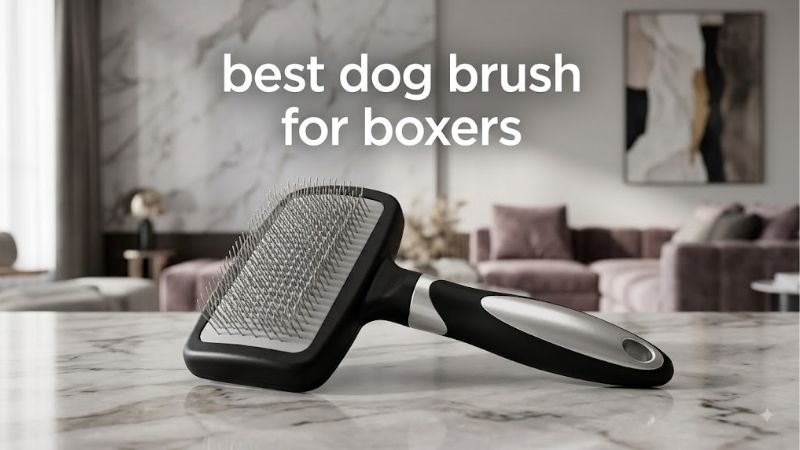
Tooth or Nub Type for Smooth Coats
Rubber and silicone nubs work by static and friction rather than by raking, so they lift loose hair from a flat coat while massaging the skin underneath. On a Boxer this is usually the highest-yield category, and it is the one owners most often skip in favour of a wire slicker. Cost is low enough to try both types.
Stiff wire slickers do very little on a coat this short. The pins pass over the hair without engaging it, and the tips reach skin instead, which is how owners end up with the pink patches and brush burn frequently reported on smooth-coated breeds. Save the wire slicker for a longer-coated dog in the household.
Deshedding Edge Length
Deshedding tools are sold in short-hair and long-hair versions, and the difference is real. Short-hair edges are shallower and sit closer to the backing plate, so they catch a half-inch coat instead of skating over it, and a large-breed width around 4 inches suits a 55 to 80 lb Boxer. Width matters as much as edge depth.
Frequency should stay modest. Once or twice a week during heavy shedding is plenty; daily use of a bladed tool on thin skin removes more than loose hair and can leave the coat looking dull and patchy across the shoulders and rump. Watching the coat rather than the calendar is the safest guide to frequency.
Skin Comfort and Pressure Control
Boxers are famously wriggly, and a dog that dislikes grooming will not stand still for it. Flexible rubber tools and grooming gloves let you keep contact light, which usually turns the session into something the dog leans into rather than escapes from. A dog that enjoys the session sheds less around the house.
Check the skin after any new tool. Redness across the ribs, flank, or hips means the head is too firm or the pressure too high. Short coats give almost no buffer, so pressure that feels gentle to your hand can still be too much for the dog. That is why the best dog brush for boxers is rarely the firmest one.
Cleaning, Storage, and Value
Rubber curries and gloves rinse clean under a tap in seconds, which matters more than it sounds when a tool lives by the back door and gets used daily. Bladed deshedding tools need the hair cleared from the edge after every pass to keep working properly. A quick rinse after each session keeps rubber tools grippy.
Shedding climbs sharply through September and October as coats respond to shortening daylight, and that is also when Prime Big Deal Days lands in early October. Owners who plan the purchase for that window generally pay less for the same short-hair deshedding tool they would buy in a panic in November. Prices climb again by December.
Top Picks: Best Dog Brush for Boxers
These six cover the realistic range, from a five-dollar rubber curry to a bladed deshedding tool. A typical Boxer household gets the most out of pairing one rubber or glove tool for daily use with one deshedding tool used weekly during heavy coat drops. The best dog brush for boxers is usually two tools working together.
| Brush | Type | Best For | Price Tier |
|---|---|---|---|
| FURminator Short Hair, Large Dog | Deshedding edge | Weekly heavy sheds | Mid |
| KONG ZoomGroom | Rubber curry | Bath time and daily use | Budget |
| Delomo Pet Grooming Glove | Silicone glove | Nervous or wriggly dogs | Budget |
| Oster ShedMonster, Short Hair | Flexible deshedder | Gentler shed control | Mid |
| Safari Bristle Brush | Bristle | Finishing and shine | Budget |
| Andis Rubber Curry Comb | Rubber curry | Shampoo work-in | Budget |
FURminator deShedding Tool for Short Hair, Large Dog
The short-hair version carries a roughly 4 inch stainless edge sized for large breeds, plus an ejector button that clears the collected fur in one press. On a shedding Boxer the first pass usually produces a visible clump, which is exactly the point of owning one. The ejector button saves a surprising amount of time.
It is easy to overuse. The edge is a blade, not a comb, so weekly sessions during heavy shedding are sensible and daily passes are not. Owners who ignore that end up thinning the coat and reporting irritation across the hips and shoulders. Once a week through the heavy months is the sensible ceiling.
KONG ZoomGroom
Soft rubber fingers make this the friendliest tool on the list, and it doubles as a shampoo applicator in the bath. Wet or dry, the nubs grip loose hair from a flat coat and pull it into visible clumps while the dog gets what amounts to a massage. It is also the one tool most dogs actively lean into rather than tolerate.
The trade-off is speed. It removes less per pass than a bladed tool, so heavy October shedding takes longer to control with the ZoomGroom alone. It also collects hair on the head, which needs a quick pull-off every minute or two. For a heavy October shed, it works better alongside a bladed tool than alone.
Delomo Pet Grooming Glove
With around 255 soft silicone tips per glove, this turns brushing into petting, which is why it works so well on dogs that dodge conventional tools. Boxers that fidget for a curry comb will often stand happily through ten minutes of gloved stroking. Nervous rescues often accept the glove long before any brush.
Yield per session is the lowest here, and the hair mat that peels off the palm is more satisfying than it is efficient. Sizing also runs generous, so smaller hands may find the glove loose enough to slide during longer sessions. Treat it as the bonding tool in the kit rather than the workhorse of the routine.
Oster ShedMonster De-Shedding Tool for Short Hair
The flexible-tooth head is the middle ground between rubber and blade. It reaches loose undercoat hair on a short coat with noticeably less bite than a rigid deshedding edge, which suits owners nervous about thin Boxer skin over the ribs and hips. It suits owners who want shed control without a rigid blade.
It collects less hair than a FURminator in the same time, and the plastic housing feels lighter than its price suggests. As a compromise tool it is genuinely useful; as a replacement for both categories it falls slightly short. Many households end up owning it alongside, rather than instead of, a curry.
Safari Bristle Brush
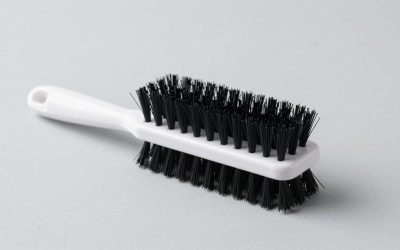
A bristle brush does the last five percent of the job: it distributes skin oils along the hair shaft and leaves the sheen that Boxers are known for. Two minutes after a deshedding session makes a visible difference in how the coat catches light. Two minutes is genuinely all it takes to finish a Boxer.
On its own it removes very little loose hair, which disappoints owners who buy it expecting shed control. Think of it as the finishing step rather than the main event, and its low price becomes easy to justify. It is the cheapest way to make a Boxer look like the show photographs most owners had in mind when they chose the breed.
Andis Rubber Curry Comb
This palm-held rubber curry is the workhorse for bath day. Worked in circles it drives shampoo down to skin level on a coat that otherwise repels water, and it lifts loose hair at the same time, which cuts the drying-day shed noticeably. Circular strokes work better than straight lines on a flat coat.
The strap fit suits average hands and can feel tight for larger ones, and the low profile means less leverage than a handled tool. For under ten dollars, though, it is the cheapest genuine upgrade to a Boxer bathing routine. Keeping one in the bathroom cupboard means it actually gets used on bath day.
Frequently Asked Questions
Boxer owners tend to ask the same handful of questions, usually in autumn when shedding peaks and the dog starts spending far more of the day indoors. Here are direct answers. Choosing the best dog brush for boxers gets simpler once the shedding cycle itself makes sense, so these short answers start there.
Why does a short-coated Boxer shed so much?
Short does not mean low-shedding. Boxers carry a dense single coat with a high follicle count, and they release hair on a rolling cycle all year with seasonal peaks in spring and autumn. The best dog brush for boxers manages the volume rather than stopping it. Volume peaks twice a year but never stops entirely.
How often should I brush a Boxer?
Two to three sessions a week is enough for most of the year, rising to daily rubber-curry work through heavy autumn shedding. Keep bladed deshedding tools to roughly once a week regardless of season, since thin skin does not tolerate repeated blade contact. Adjust upward when the coat starts dropping heavily.
Can I use a slicker brush on a Boxer?
It is rarely the right choice. Wire pins are designed to pass through length that a Boxer simply does not have, so the tips land on skin instead of hair. Rubber, silicone, or a short-hair deshedding head does the same job with far less risk of irritation. Softer slickers are safer, but rarely necessary here.
Does brushing help with Boxer skin problems?
Regular gentle brushing spreads natural oils and lets you spot lumps, hot spots, or flaking early, which is genuinely useful. It is not a treatment, though. Persistent itching, bald patches, or inflamed skin warrant a veterinary visit rather than a change of brush. Grooming time doubles as a weekly health check.
See More:
- Best dog brush for havanese
- Best brush for matted dog hair
- Best dog shampoo and conditioner for yorkie
- Best dog shampoo for human allergies
Final Thoughts
The best dog brush for boxers is usually a pairing rather than a single purchase: a rubber curry or glove for frequent gentle sessions, plus a short-hair deshedding tool used weekly when the coat drops. Keep pressure light, watch the skin, and the fur on the sofa becomes manageable. The routine takes ten minutes a session.



Write Your Review
No reviews yet. Be the first to share your experience!