
Key takeaways
Best dog hair remover for your house depends entirely on the surface, because hair woven into carpet pile needs a different mechanic from hair sitting on a jumper. This roundup explains how each type works, what it costs per use, and compares five tools across upholstery, carpet, car and clothing.
Our top picks

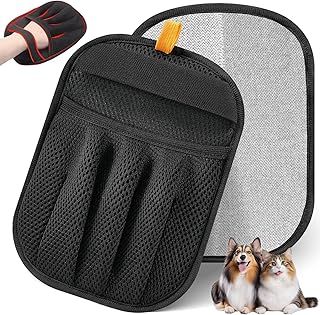


 SleekEZ Dog Brush for Shedding
Works across short, medium, and long coat lengths
Patented design grabs hair tips to reduce painful tugging
Doubles as a tool for removing pet hair from furniture and cars
5-inch size may be small for grooming large dogs quickly
Metal construction requires careful storage away from small children


As an Amazon Associate we earn from qualifying purchases at no extra cost to you.
As an Amazon Associate we earn from qualifying purchases.
🛒 Best Price Today on Amazon
Prime members get fast, free shipping on everything above, plus member-only deals. New members get a 30-day free trial — cancel anytime.
How to Choose the Best Dog Hair Remover for Each Surface
Hair behaves differently depending on what it lands on. On a smooth jumper it sits loose and lifts easily, while on a woven sofa or a carpet it works its way between the fibres and locks in place, which is why one single tool almost never covers an entire house properly on its own.
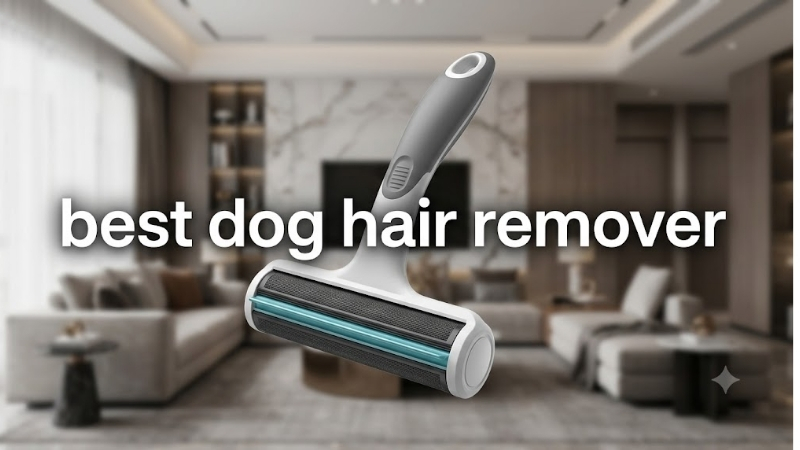
How the Different Mechanics Work
Every best dog hair remover shortlist comes down to three mechanics: adhesive, directional nap and rubber friction. Knowing which one a tool uses tells you immediately where it will work well and where it will disappoint you badly. Matching mechanic to surface is most of the decision.
Adhesive rollers pick up whatever touches the sheet and are unbeatable on clothing, but they clog quickly on a hairy sofa and the running cost mounts up. They are the right answer for a jacket on the way out of the door and quite the wrong one for an entire three-seater sofa.
Reusable rollers with an internal fabric brush work by static and directional nap, sweeping hair into a built-in chamber that you empty afterwards. There is nothing to replace, which is why they have become the default recommendation for upholstery and car seats in shedding households.
Rubber and silicone tools rely on friction and static instead. A rubber broom or squeegee drags hair out of carpet pile in a way that vacuums genuinely struggle to match, and pumice-style blocks catch hair that has been trodden down into a rug across weeks of ordinary household use.
Matching the Tool to the Surface
Once you know the mechanics, matching them to surfaces is straightforward, and most households end up needing two or three tools rather than one, simply because the surfaces in an ordinary living room and an ordinary car behave so differently from each other.
Upholstery and car seats respond best to a reusable roller, since the fabric nap is exactly what those tools are designed to work with. Microfibre sofas in particular release hair readily once you sweep in one consistent direction rather than scrubbing back and forth at random.
Carpet and rugs want a rubber broom, worked in short pulls toward you so the hair gathers into a ridge you can lift by hand. Clothing wants adhesive, and delicate fabrics want the gentlest option available, since aggressive rubber can pill good knitwear surprisingly quickly.
Running Costs and Practical Storage
Cost per use separates these tools more than performance does. A reusable roller has a one-off price and no consumables, while adhesive rollers need refills that add up quickly in a house with a heavy shedder, particularly if the same sofa is being cleaned twice every week.
Storage decides whether a tool actually gets used. Keep a reusable roller beside the sofa, a lint roller by the front door and the rubber broom with the rest of the cleaning kit, because anything stored two floors away from the mess it solves ends up not being used at all.
Reducing the Hair at Source
No remover competes with brushing the dog. Ten minutes with a deshedding tool outdoors takes hair out of circulation before it reaches the furniture, and households that brush through the spring and autumn moults find their indoor cleaning routine shrinks noticeably as a direct result of it.
Washable throws on the sofa and a seat cover in the car do the same job from the other direction. Both go in the machine, and adding a dryer ball or two helps loosen hair from bedding during the cycle, which reduces how much of the hair you have to lift by hand afterwards.
Top Picks: Five Hair Removers for Different Jobs
The best dog hair remover for a household is usually two or three tools rather than one, matched to the surfaces you actually deal with. These five cover upholstery, carpet, clothing and car interiors, and each entry lists a genuine limitation alongside whatever it does well.
| Tool | Type | Consumables | Best for |
|---|---|---|---|
| ChomChom Roller | Reusable roller | None | Sofas, bedding, car seats |
| FURemover Broom | Rubber broom | None | Carpet, rugs, hard floors |
| Uproot Cleaner Pro | Reusable fibre tool | None | Woven upholstery, rugs |
| Gonzo Pet Hair Lifter | Rubber sponge | None | Trodden-in carpet hair |
| Scotch-Brite Lint Roller | Adhesive roller | Refill sheets | Clothing and quick touch-ups |
ChomChom Roller
For furniture and car seats this is the best dog hair remover most households will ever need, and it is the one people recommend to each other unprompted whenever the subject of shedding comes up in conversation. It is also the best dog hair remover to leave within arm’s reach of the sofa.
This is the tool most shedding households end up owning. Rolling it back and forth across upholstery sweeps hair into an internal chamber that pops open to empty, and it clears a sofa cushion in seconds without any sheets, batteries or attachments to worry about at any point.
It works best on fabric with a nap, which covers most sofas, car seats and bedding. On tightly woven or very smooth surfaces it has less to grip, and it will not lift hair that has been trodden deep into a carpet, so it is best treated as a furniture tool rather than a floor tool.
FURemover Broom
A rubber broom pulls hair out of carpet pile in a way that genuinely surprises people the first time. Short pulls toward you gather hair into a visible ridge, and the telescoping handle means the whole job happens standing up rather than crouched over a rug on your hands and knees.
The squeegee edge on the reverse handles hard floors and pet accidents, which makes it a more versatile purchase than it first appears. It is bulky to store, though, and it is far too aggressive for clothing or for any delicate upholstery fabric that pills easily either.
Uproot Cleaner Pro
This one works on woven upholstery and rugs where a nap-based roller struggles to find purchase. Dragging it across the fabric lifts embedded hair into visible clumps, and it is particularly effective on the woven sofa fabrics that a great many households find impossible to clear.
It takes more physical effort than a roller and it is slower over a large area, so it is a targeted tool rather than a whole-house solution. The edge is also firm enough that gentle testing on an inconspicuous patch is worthwhile before working across an expensive sofa.
Gonzo Pet Hair Lifter
Rubber sponge blocks handle the hair that everything else leaves behind. Worked in short strokes across a carpet or a rug, the block grabs hair that has been trodden into the pile over weeks, gathering it into visible rolls that lift straight off the carpet pile by hand afterwards.
It is slow, and it is hard work across a whole room, which makes it the spot-treatment tool rather than the everyday one. Blocks also wear down over time and need replacing eventually, though they last a great deal longer than a comparable spend on adhesive refills would.
Scotch-Brite Lint Roller
Nothing beats adhesive on clothing, and this remains the tool that belongs by the front door. It lifts hair from wool, cotton and dark trousers cleanly, it works on delicate fabrics that rubber tools would damage, and it takes only a few seconds on the way out of the house.
The running cost is the drawback, and it grows quickly if you start using sheets on furniture. Sheets also clog fast on any heavily haired surface, so keep it for clothing and small touch-ups and use a reusable tool for anything much larger than a single coat sleeve or a cushion.
Frequently Asked Questions
Four questions cover most of what people want to know once the hair has genuinely got out of hand. The best dog hair remover still works better alongside a brushing routine than in place of one, so the answers below cover both sides of that particular problem together.
Why does my vacuum leave hair in the carpet?
Hair wraps around carpet fibres rather than sitting loose on top, and suction alone often cannot break that grip. A rubber broom or a pumice-style block lifts it mechanically first, which is why running one over a rug before vacuuming makes such a visible difference to it.
What works best on car seats?
A reusable roller handles fabric seats well, and a rubber tool or a damp rubber glove works better on carpeted footwells. Leather and vinyl need nothing more than a damp microfibre cloth, since hair sits on the surface rather than working its way down into the material.
Does a dryer sheet remove dog hair?
A dryer sheet reduces static and helps loosen hair from bedding during a laundry cycle, which makes the lint trap do more of the work. On furniture it is far less effective than a reusable roller, and it is not a substitute for a dedicated tool on a genuinely hairy sofa.
How do I stop hair building up in the first place?
Brush the dog outdoors several times a week, more during the spring and autumn moults, and use washable throws on the furniture the dog uses. That combination cuts the amount of hair in circulation far more than any realistic increase in cleaning frequency indoors will achieve.
See More:
- Dog grooming shears best
- Best dog clippers for poodles
- Best dog clippers for doodles
- Best dog brush for poodle
- Best dog brush for great pyrenees
Final Thoughts
The best dog hair remover for your household is a small combination rather than a single product: a reusable roller for furniture and car seats, a rubber broom for carpet and an adhesive roller by the door for clothing. Pair them with regular brushing and washable covers, and the hair stops feeling like a losing battle.




Write Your Review
No reviews yet. Be the first to share your experience!