
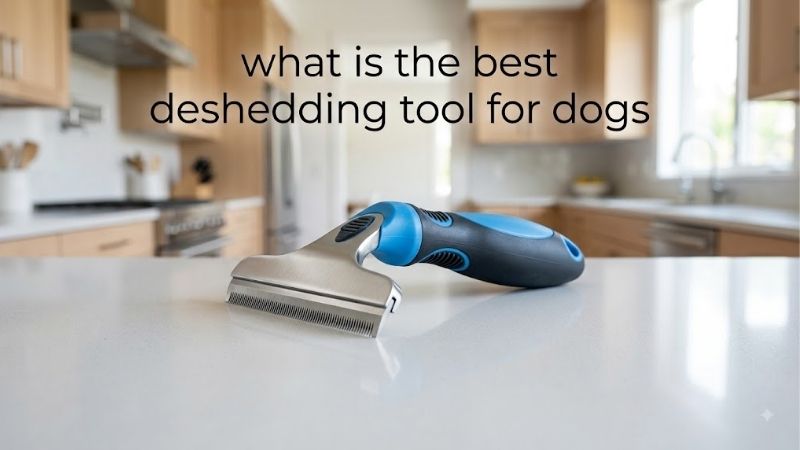
What is the best deshedding tool for dogs? The honest answer is that it depends entirely on your dog’s coat. A tool that works wonders on a short double coat can damage a curly one, so this guide walks through the main types, who they suit, and how to match the right deshedder to the dog in front of you.
As an Amazon Associate we earn from qualifying purchases.
By Laura Simmons
🛒 Best Price Today on Amazon
Prime members get fast, free shipping on everything above, plus member-only deals. New members get a 30-day free trial — cancel anytime.
Start 30-Day Prime Free Trial →See Today’s Amazon DealsHow to Decide What Is the Best Deshedding Tool for Dogs
To work out what is the best deshedding tool for dogs like yours, start with the coat, not the marketing. Weigh four things: your dog’s coat type, how each tool actually works, gentleness and skin safety, and the real risk of over-deshedding a coat that should be left alone.
Start With Your Dog’s Coat Type
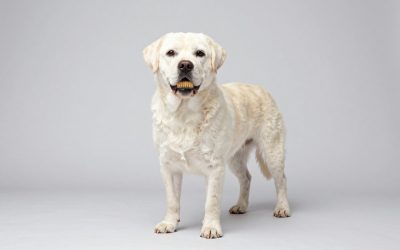
Coat type decides everything. Short double coats like a Labrador’s shed heavily and suit a deshedding edge, thick double coats like a Husky’s do best with an undercoat rake, and short single coats do well with a rubber brush or glove that lifts surface hair.
Curly and continuously growing coats, such as a Poodle’s or a doodle’s, are the exception: they do not shed the same way and should not be deshedded at all. For those, a slicker and comb prevent mats instead, which is central to choosing the right tool for the coat.
Understand How Each Tool Works
Deshedding tools do not all do the same thing. A fine-edged deshedder reaches the undercoat and can trim a little loose guard hair, an undercoat rake pulls loose fluff with rounded pins, and a rubber curry or glove lifts surface hair while massaging the skin.
Gloves and rubber brushes are the gentlest and suit sensitive or nervous dogs, while rakes and edged tools remove more per stroke on dense coats. Knowing the mechanism helps you predict how a tool will behave on your particular dog before you buy it.
Gentleness and Skin Safety
Whatever the tool, technique keeps it safe. Use light pressure, work in the direction of hair growth, and never grind a tool repeatedly over one spot, which can cause irritation or so-called brush burn on thinner-skinned areas like the belly and legs.
For anxious dogs or delicate skin, a soft rubber brush or silicone glove is the kindest starting point. The gentler the tool and the lighter your hand, the more often your dog will happily sit for grooming, which matters more than raw removal power.
The Risk of Over-Deshedding
More is not better. Overusing a fine-edged deshedding tool can thin or damage the coat and even cut guard hairs, leaving a patchy look, so limit sessions and avoid pressing hard. Deshedding once or twice a week is plenty outside of heavy coat blows.
And remember that some coats should never be deshedded at all. Using an edged deshedder on a single-coated or curly dog can harm the coat, so when people ask what is the best deshedding tool for dogs, the first answer is sometimes that they do not need one.
Top Picks: What Is the Best Deshedding Tool for Dogs by Coat
These picks cover every shedding coat type, so our answer to what is the best deshedding tool for dogs is really a set of options. The table compares type and best use, then each review below helps you match the right deshedder to your dog’s coat and temperament.
| Tool | Type | Best For | Coat | Price Tier |
|---|---|---|---|---|
| FURminator deShedding Tool | Deshedding edge | Heavy shedders | Short double | Mid |
| Safari Undercoat Rake | Undercoat rake | Dense coats | Thick double | Budget-Mid |
| KONG ZoomGroom | Rubber curry | Gentle surface hair | Short single | Budget |
| DELOMO Grooming Glove | Silicone glove | Nervous dogs | Most coats | Budget |
| Mars Coat King | Stripping rake | Heavy pro deshedding | Very thick | Premium |
| Hertzko Self-Cleaning Slicker | Slicker | Light deshed, tangles | Medium | Budget |
FURminator deShedding Tool
The category leader, the FURminator’s fine stainless edge reaches loose undercoat and removes it in impressive quantities, making it a strong answer to what is the best deshedding tool for dogs with heavy-shedding short double coats like Labs and Beagles.
Its power is also its caution: overusing it or pressing hard can trim guard hairs and thin the coat, so keep sessions light and infrequent. Used correctly on the right coat, though, few tools remove as much loose undercoat per session.
Safari Undercoat Rake
For thick double coats like Huskies and Malamutes, the Safari rake’s rounded pins reach deep to pull loose undercoat without cutting hair. It is a gentler mechanism than an edged tool, which makes it a safer everyday choice for dense coats.
It is slower than an edged deshedder and aimed at undercoat rather than surface hair, so it pairs well with a slicker. During spring and fall coat blows, though, it clears loose fluff beautifully and preserves the coat.
KONG ZoomGroom
The rubber ZoomGroom lifts loose surface hair while massaging the skin, and dogs tend to love it, making it ideal for short single coats and gentle everyday deshedding. It works dry or in the bath to loosen hair as you wash.
It does not reach deep undercoat, so heavy double-coated shedders need more. As a gentle, enjoyable, affordable tool that removes surface shedding and suits sensitive dogs, though, it is a great low-risk option.
DELOMO Grooming Glove
With hundreds of soft silicone tips, this glove lets you deshed with a natural, whole-hand motion that even wary dogs accept as petting. It suits most coats for light deshedding and is the kindest way to groom a nervous dog.
It will not pull deep undercoat like a rake or edged tool, so it is more everyday helper than coat-blow solution. For gentle, low-stress shedding control and reluctant dogs, though, it is hard to beat for comfort.
Mars Coat King
For very thick coats and serious deshedding, the Mars Coat King’s rows of fine rounded blades strip out dense undercoat fast, a groomer-grade tool for the heaviest jobs. Choosing the right blade spacing for your breed is key to using it well.
It is aggressive and easy to overdo, and it carries a premium price, so it rewards experience. On a genuinely thick coat in careful hands, though, it clears undercoat as efficiently as anything on the market.
Hertzko Self-Cleaning Slicker Brush
A slicker is not a heavy deshedder, but it lifts loose hair and tangles from medium coats, with a self-cleaning button that clears the fur fast. It rounds out a kit for light shedding and everyday maintenance.
It removes less undercoat than a rake or edged tool and firm pins can scratch if pressed hard. As an affordable, versatile brush for light deshedding and detangling, though, it is a useful everyday addition.
Frequently Asked Questions
Owners searching for a deshedder have the same follow-up questions, the most common being simply, what is the best deshedding tool for dogs. These answers cover frequency, curly coats, the FURminator debate, and results.
How often should I deshed my dog?
Once or twice a week suits most shedding coats, rising to daily during spring and fall coat blows. Avoid over-deshedding, since too-frequent sessions with an edged tool can thin or damage the coat, so let your dog’s shedding guide the schedule.
Should I deshed a Poodle or doodle?
No. Curly and continuously growing coats do not shed the same way and should not be deshedded, since edged tools can damage them. When people ask what is the best deshedding tool for dogs with curly coats, the real answer is a slicker and comb to prevent mats instead.
Is the FURminator bad for my dog’s coat?
Not when used correctly. The concern is overuse, since pressing hard or brushing too often can trim guard hairs and thin the coat. Use it gently, briefly, and only on suitable double coats, and it remains an effective, safe deshedding tool.
Will a deshedding tool stop shedding completely?
No tool stops shedding, since it is a natural process, but the right one dramatically reduces the loose hair around your home. Regular deshedding removes dead undercoat before it falls out, which is the realistic and achievable goal.
See More:
- Best slicker brush for poodles
- Best cat hair remover brush
- Best cat steam brush
- Best brush for matted cat hair
- Best natural dog ear cleaner
Final Thoughts
So, what is the best deshedding tool for dogs? There is no single winner, only the right tool for your dog’s coat: a deshedding edge for heavy short double coats, an undercoat rake for thick ones, a rubber brush or glove for short single coats and nervous dogs, and no deshedder at all for curly, continuously growing coats. Match the tool to the coat, use a light hand once or twice a week, and avoid over-deshedding, and you will keep shedding under control without ever harming the coat.
Our top picks
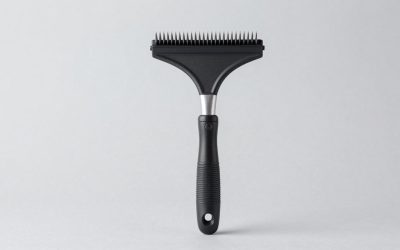
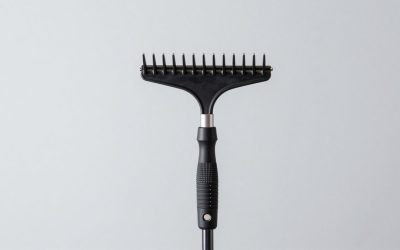
 Maxpower Planet Dog Grooming Rake
Dual-sided design pairs a 9-tooth and 17-tooth comb in one tool
Rounded teeth are designed to reduce irritation while deshedding
Non-slip rubber base helps keep the brush steady during use
Dense double coats may require repeated passes for full deshedding
Metal teeth need periodic cleaning to clear trapped hair

 Professional 3PCS Self Cleaning Slicker Brush &
- 【Professional Pet Grooming Kit 】3 Pet grooming tools…
- 【Why Choose Augwind 3PCS ?】 Augwind Pet Grooming…
- 【Dematting and Deshedding Tools】 Augwind Pet Grooming Rake…
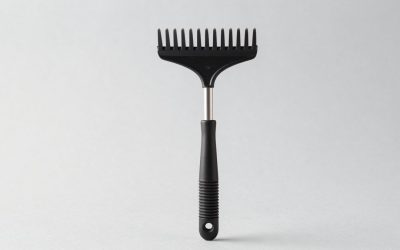
 Docrok Pet Grooming Combo
2-in-1 rake and comb combo covers dematting and deshedding in one set
Soft, protective edges are designed to avoid hurting the pet
Stainless steel teeth and TPR handle add durability and comfort
Geared toward medium and long-haired coats, less so short fur
Combo tools need periodic cleaning to clear trapped hair

As an Amazon Associate we earn from qualifying purchases at no extra cost to you.


Write Your Review
No reviews yet. Be the first to share your experience!