
Key takeaways
- Keep the blade clean and cool; a hot blade against facial skin will make your dog flinch and lose trust.
- Trim in short sessions over several days rather than forcing a full face trim in one sitting.
- Always move the clipper with the grain of the hair for an even finish and less irritation.
- Reward frequently with small treats so your dog associates the clipper’s sound with good things.
Trimming the hair around your dog’s eyes, muzzle, and ears keeps their vision clear and their face clean, but it is also the most delicate grooming task you will attempt at home. The face is full of sensitive spots, and a startled dog can turn quickly, which is exactly why small, low-noise clippers designed for detail work are far safer here than full-body units.
With the right small clipper, a calm setup, and a slow hand, most owners can manage face trims comfortably. This guide covers how to choose the tool, prepare your dog, and work through the trickiest areas without stress or nicks.
Our top picks
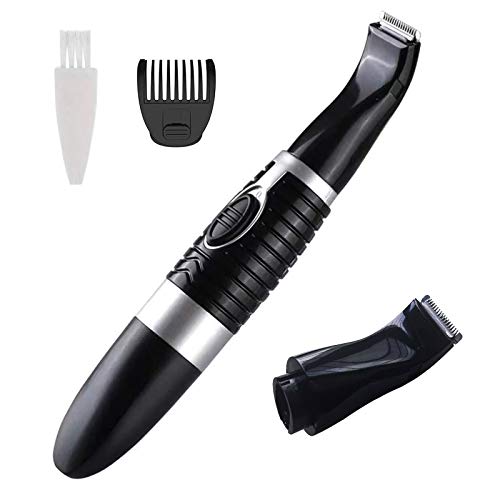
 PUKACO Upgraded Mini Dog Paw Trimmer with
18mm curved blade is sized for precise, detailed paw trimming
35dB ultra-quiet operation helps reduce grooming anxiety
Fully recharges in about 1.5 hours for quick turnaround
Mini size limits use to small areas, not full-body grooming
Curved blade design suits paws more than larger body areas
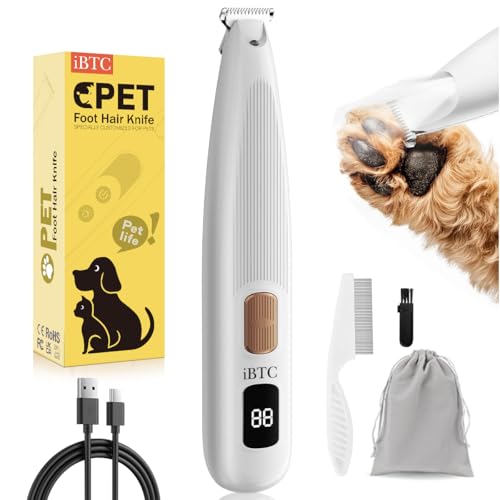
 oneisall Low-Noise Dog Paw Trimmer with LED
20mm wide blade trims more hair in fewer passes
35dB ultra-low noise level suits noise-sensitive pets
Cordless design with LED light eases hard-to-reach trimming
Small blade size limits use to paws, ears, and small areas
Charging cord and accessories must be kept track of separately




As an Amazon Associate we earn from qualifying purchases at no extra cost to you.
⚡ Save on Your Next PC — Amazon Prime
Prime members get fast free shipping on the systems above, plus early access to Prime Day & Black Friday PC deals. New members get a 30-day free trial.
Watch: How to Trim Your Dog’s Face Safely with Small Clippers — Video Review
Why Small Clippers Beat Scissors and Big Clippers Here
Small paw-and-face trimmers such as the Casfuy cordless trimmer or the PUKACO mini trimmer use a narrow, often curved blade and run at very low noise, around 35 decibels. That quiet operation keeps a nervous dog calmer than a loud full-size clipper, and the small head lets you work precisely around the eyes and muzzle where scissors risk a jab if your dog moves.
Preparing Your Dog
Set up in a well-lit, quiet room and let your dog sniff the switched-off clipper first, rewarding calm behavior with treats. Turn it on nearby without touching the coat so the sound becomes familiar. Brush the facial hair so it lies flat, and have a helper gently steady the head for a wiggly dog. Never rush; a five-minute calm session beats a two-minute struggle.
Trimming Around the Eyes and Muzzle
Work with the clipper against a comb or your fingers as a guard, keeping the blade flat and moving in the direction of hair growth. Take off only a little at a time around the eyes, and keep the blade parallel to the skin rather than pointing at it. For the muzzle, short, light passes give the most control and reduce the chance of catching a whisker follicle.
Handling the Ears and Rump
The ears and sanitary areas also collect hair that mats and traps debris. Support the ear leather flat and trim the edge lightly. Around the rump, a small trimmer tidies the area for hygiene without the risk a larger clipper poses in a tight spot. Go slowly and check your progress often rather than trying to finish in one long pass.
Tips
- Keep the blade clean and cool; a hot blade against facial skin will make your dog flinch and lose trust.
- Trim in short sessions over several days rather than forcing a full face trim in one sitting.
- Always move the clipper with the grain of the hair for an even finish and less irritation.
- Reward frequently with small treats so your dog associates the clipper’s sound with good things.
Frequently Asked Questions
Is it safe to trim around my dog’s eyes myself?
Yes, with a small, low-noise clipper, a comb as a guard, and a very slow hand. Take off only a little at a time. If your dog will not hold still even briefly, leave the eye area to a professional groomer.
What clipper is best for a dog’s face?
A small, cordless, low-noise paw-and-face trimmer with a narrow or curved blade. These are quieter and far more precise than full-body clippers, which makes them both safer and less stressful for delicate facial work.
How do I stop my dog from moving during a face trim?
Work after exercise when your dog is calmer, use frequent treats, and have a helper gently steady the head. Keep sessions short and stop before your dog gets frustrated to preserve cooperation for next time.
How often should I trim my dog’s face?
Every three to four weeks for breeds whose facial hair grows into their eyes, and less often for others. Watch for hair blocking vision or trapping tear stains as your cue that it is time.
Conclusion
Face trimming rewards patience over speed. A quiet small clipper, a comb used as a guard, and short, calm sessions let you keep your dog’s eyes clear and muzzle tidy without nicks or drama. Build the routine gradually, reward generously, and if the eye area ever feels beyond your comfort, there is no shame in leaving that one spot to a groomer.

Write Your Review
No reviews yet. Be the first to share your experience!