
Our Top Picks
 BioSilk for Dogs Silk Therapy Detangling and Shine8 Fl Oz (Pack of 1)8.75 x 2.25 x 1.5 inches0.5 PoundsCheck on Amazon
 Tiny Trim 4.5" Ball-Tipped Scissor for DogTiny Trim Safety Scissor6.5 x 2.2 x 0.2 inches0.1 PoundsCheck on Amazon
 gonicc Dog & Cat Pets Nail Clippers and2.39 ounces7.15 x 2.95 x 0.79 inchesCats, Dogs, small-animal-petsCheck on Amazon
Last updated: October 2026. Disclosure: this guide contains affiliate links, and we may earn a commission from qualifying purchases at no extra cost to you.
Quick answer: To groom a Shih Tzu at home, brush the whole coat down to the skin (line brushing) every day or two, bathe every three to six weeks with a dog shampoo, dry while combing, then trim the face, feet and sanitary area. Add weekly ear checks, nail trims every three to four weeks, daily face wipes and regular tooth brushing. A full haircut is usually due every four to eight weeks.
Why Shih Tzu grooming needs a routine
The Shih Tzu has a long, dense, flowing coat that is lovely when it is cared for and tangles quickly when it is not. Silky hair catches on itself behind the ears, under the legs, along the collar line and at the tail. Left alone for a few days, those tangles tighten into mats that pull on the skin. A short daily routine is easier on you and far more comfortable for the dog than a long rescue session after a missed week.
The face needs special attention. Eyes are prominent, hair grows right toward them, and tear residue collects in the corners. Skin folds, ears and paws also trap dirt and moisture. That is why a good routine includes the small tasks, not just the haircut.
Quick facts
- Brush every day or every other day, depending on coat length.
- Bathe about every three to six weeks, always after brushing out tangles.
- Clip or trim about every four to eight weeks for a pet cut.
- Start puppy handling at around eight to ten weeks so grooming feels normal.
- Many owners keep the coat in a shorter puppy cut because it is much easier to maintain.
Grooming supplies checklist
| Tool or supply | What it is for | Tip |
|---|---|---|
| Slicker or pin brush | Loosens hair and removes tangles | Choose a size that suits a small dog |
| Steel comb with fine and coarse teeth | Checks the brushing and finds hidden knots | The comb should glide to the skin |
| Detangling spray | Adds slip for dry brushing and mats | Mist lightly, do not soak |
| Dog shampoo and conditioner | Washing and softening | Dog-specific formulas only |
| Towels and a pet dryer or low-heat dryer | Drying the coat | Dry while combing |
| Rounded-tip scissors | Trimming eye area, feet and sanitary area | Use only on a calm, still dog |
| Clippers with suitable guards | Whole-body haircuts | Optional; a groomer can do this |
| Nail clippers or grinder | Nail trim | Have styptic powder on hand |
| Ear cleaner and cotton balls or gauze | Weekly ear care | Never use cotton swabs deep in the ear |
| Dog toothbrush and toothpaste | Dental care | Never use human toothpaste |
| Non-slip mat and treats | Safe footing and a positive experience | Short sessions work best |
Step-by-step: how to groom a Shih Tzu at home
Step 1: Set up a calm space
Choose a table or counter with a non-slip mat, or sit on the floor with the dog on a towel. Never leave a dog unattended on a raised surface. Have everything within reach, and keep treats handy. Ten to fifteen calm minutes is better than an hour of struggle.
Step 2: Inspect the coat and skin
Run your hands over the body, checking for knots, burrs, lumps, redness, scabs or fleas. Pay special attention to behind the ears, under the collar, the armpits, the belly and the tail base. Anything unusual on the skin should be checked by your vet before you carry on.
Step 3: Brush with the line brushing method
Line brushing is the most reliable way to get through a long coat.
- Lightly mist the coat with detangling spray.
- Start at the feet and lower legs. Use your free hand to part the hair horizontally so you can see the skin.
- Brush the hair below the part outward from the skin, then release the next layer and repeat, working upward.
- Move through the belly, armpits and chest, then the back and tail.
- Brush the ears and top-knot area last, using gentle strokes.
- Finish by combing every section. If the comb snags, go back to that spot.
The right brush matters here. Our best dog brush for Shih Tzu guide compares slicker, pin and comb options for this coat.
Step 4: Deal with mats safely
Spray the mat with detangler and hold the hair at the base to protect the skin. Tease it apart with your fingers, then use the comb, starting at the outer edge and working toward the center. Be patient and stop if the dog is distressed. If a mat is tight against the skin, large, or sits in a delicate area such as behind the ears or in the armpit, do not cut it out with scissors. Skin can fold into a mat and be cut. A groomer or vet can remove it safely.
Step 5: Bathe
Brush and comb first, because water tightens knots. Use warm water and a dog shampoo, working with the direction of the hair and avoiding the eyes and ears. Rinse thoroughly, because leftover shampoo can dull the coat and cause itchy, flaky skin. Apply conditioner, leave it on for about a minute if your dog tolerates it, and rinse again. Our guide to the best dog shampoo for Shih Tzu lists gentle options for this breed.
Step 6: Dry while combing
Squeeze the water out, then pat dry with a towel rather than rubbing. Use a dryer on a low heat setting if your dog tolerates it, holding it away from the skin and combing as you go so the coat dries straight and tangle-free. Make sure the coat, especially the skin folds on the face, is fully dry.
Step 7: Trim the face, feet and sanitary area
Start with a clean, dry, fully brushed coat. Trim the leg hair slightly shorter than the body hair to avoid a bell-bottom look and keep debris from collecting. Trim the hair between the paw pads level with the pads. For the sanitary area and the eye area, use rounded-tip scissors, keep the blades pointed away from the eyes, and stop if the dog moves. If you are not confident, leave the area around the eyes to a groomer.
Step 8: Clip the body if you want a shorter cut
Clip in the direction of hair growth on a clean, completely dry, tangle-free coat. Take breaks to check that the blades are not hot. Longer guards are the safest choice for a first attempt. Check out our best dog clippers for Shih Tzu guide for options that are suitable for this coat.
Step 9: Finish with nails, ears and teeth
Do these tasks last, when the dog is relaxed. Details follow in the next sections.
Eyes and face care
Wipe the corners of the eyes daily with a soft damp cloth or a wipe made for dogs, working away from the eye. Keep long facial hair out of the eyes with a top-knot band or a trim. Light staining is common, but see your vet if the eyes are red, cloudy, squinting, swollen, or have thick or colored discharge, because these can mean an eye problem that needs treatment. Dry the facial folds and beard after meals and baths.
Ears
Check the ears weekly. Pull away any hair at the opening if a groomer has advised it, then wipe the outer ear with a cotton ball or gauze and a dog-safe ear cleaner. Do not push cotton swabs into the canal. A healthy ear looks pale pink and smells neutral. Call your vet if you notice redness, a bad smell, dark debris, swelling, head shaking or pain.
Nails and paws
Trim the nails every three to four weeks. Hold the paw up to a light, find the pink quick inside the nail, and cut only the tip. Dark nails are harder to read, so take tiny pieces. If you cut too close and the nail bleeds, apply styptic powder and pressure. A nail grinder is a good alternative for nervous dogs. Also check between the toes and pads for mats, burrs and sore spots.
Teeth
Brush the teeth two or three times a week, or daily if your dog allows. Use a dog toothbrush and a dog toothpaste, never human toothpaste. Small breeds are prone to dental problems, so bad breath, red gums or a loose tooth is a reason to see your vet.
Choosing a cut: coat length and maintenance
| Style | Body length | Brushing needed | Trim frequency | Best for |
|---|---|---|---|---|
| Puppy cut | Short and even, about the same all over | Every 1 to 2 days | Every 4 to 8 weeks | Busy owners, active dogs |
| Teddy bear cut | Short body with a rounded fluffy face | Every 1 to 2 days | Every 4 to 6 weeks | A cute, low-maintenance look |
| Long coat with top-knot | Long and flowing | Daily | Trim ends every 6 to 8 weeks | Owners with time to brush daily |
| Show style | Floor-length coat | Daily, with wraps or oils | By a professional | Dog shows only |
Your Shih Tzu grooming schedule
| Task | How often |
|---|---|
| Wipe the face and eye corners | Daily |
| Brush and comb the coat | Every 1 to 2 days (daily for long coats) |
| Brush the teeth | Two or three times a week |
| Check and clean ears | Weekly |
| Trim nails | Every 3 to 4 weeks |
| Bath | Every 3 to 6 weeks |
| Haircut or full trim | Every 4 to 8 weeks |
Grooming a Shih Tzu puppy
Start gently at around eight to ten weeks, with very short sessions. Touch the ears, paws, mouth and tail, run a soft brush for a few seconds, and give a treat. Let the puppy hear and see the clippers before using them. The soft puppy coat usually changes to the adult coat at around ten to twelve months, and tangling often increases during this change, so brush more often. Use a gentle, tearless puppy-safe shampoo.
Common mistakes and how to fix them
| Mistake | Problem | Better approach |
|---|---|---|
| Brushing only the top layer | Mats form underneath | Use line brushing and finish with a comb |
| Bathing a tangled coat | Water tightens knots | Brush and comb before the bath |
| Rubbing the coat with a towel | Creates tangles | Pat and squeeze, then comb while drying |
| Over-bathing | Dry skin and dull coat | Stay around every 3 to 6 weeks |
| Skipping the rinse | Itchy, flaky skin | Rinse until the water runs clear |
| Cutting mats out with scissors | Risk of cutting the skin | Use a groomer or vet for tight mats |
| Trimming near the eyes while the dog moves | Risk of injury | Only trim when still, or use a groomer |
| Using human toothpaste or shampoo | Can upset the stomach or skin | Choose products made for dogs |
| Making sessions too long | Dog learns to dislike grooming | Break into short sessions with treats |
If your Shih Tzu hates grooming
- Keep sessions to ten minutes at first and stop before the dog gets upset.
- Pair each step with a treat, and groom after a walk when the dog is calmer.
- Introduce tools one at a time. Let the dog sniff the dryer or clippers while they are off.
- Work on the least sensitive areas first, and leave feet and face for later.
- If the dog shows fear, growling or snapping, get help from a professional groomer or a trainer.
Which areas to trim and which to leave alone
| Area | What to do | Safety note |
|---|---|---|
| Hair around the eyes | Keep it short or tied up in a top-knot | Point blades away from the eye; groomer if unsure |
| Paw pads | Trim hair level with the pads | Keep the paw still; blunt tips only |
| Leg hair | Trim slightly shorter than the body | Comb first so no knots hide |
| Sanitary area | Short, tidy trim | Use extreme care or leave to a groomer |
| Ear hair and ear fringe | Tidy the ends and keep the ear clean | Do not cut inside the ear canal |
| Belly and armpits | Keep brushed; trim only if matting repeats | Skin is thin and easily nicked |
Seasonal grooming tips
- Summer: a shorter cut helps the dog stay comfortable, but avoid shaving to the skin, which removes protection from the sun. Keep the face and belly clean, and dry the coat fully after swimming or baths.
- Winter: a slightly longer coat adds warmth, but damp snow and wet walks create tangles on the legs and belly. Wipe and comb the legs after walks.
- Rainy weeks: mud and moisture tighten mats, so do a quick comb-through of the legs and chest each evening.
- Indoor dry air: if the skin looks flaky, avoid over-bathing and ask your vet whether a skin problem is behind it.
Home grooming or a professional groomer?
Most owners do well splitting the work. Brushing, face wipes, ears, nails and teeth belong at home because they work best as daily or weekly habits. Haircuts, mat removal, and trimming around the eyes and sanitary area are good jobs to hand to a groomer, particularly at first. If you decide to cut at home, watch a few demonstrations from a professional groomer, buy tools sized for a small dog, and keep sessions short.
Tools worth buying
You can groom a Shih Tzu with a short list of tools. These four cover the routine.
Slicker brush with ball-tipped pins
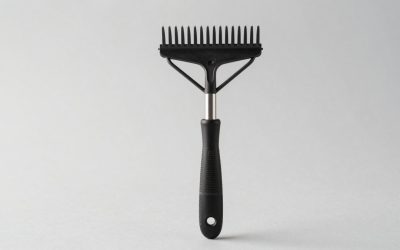
This slicker brush has protective ball-tipped pins, which are gentler on the skin than bare metal pins, and it is aimed at long, fluffy coats. It is a good everyday option for line brushing. The limitation is that the listing shows a large size, so choose the size that fits your dog and use light pressure on thin areas.
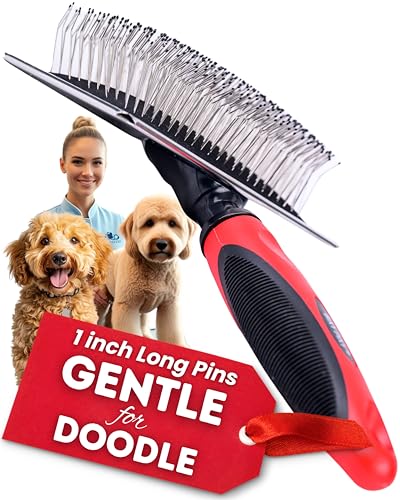
Bixy Pixy Dog Slicker Brush - Large - Protective Ball Tipped Pins Massages Pet Skin - Professional Groomer Dog Brush for Goldendoodle - Golden Retriever Brush (Large Size)
One of the home product options compared in this guide.
View on AmazonSilk detangling and shine spray
This leave-in spray is described as pH-balanced and paraben-free, with silk proteins and vitamins, for all coats and breeds. A light mist makes dry brushing and combing smoother. The limitation is that it is a topping, not a fix for tight mats, so use it before brushing and do not overspray.
BioSilk for Dogs Silk Therapy Detangling and Shine Spray, 8 Fl Oz | pH-balanced, paraben-free leave-in mist with silk and vitamins, dematting spray for all coats and breeds
One of the home product options compared in this guide.
View on AmazonBall-tipped scissors for face and paws
This small 4.5-inch ball-tipped scissor is made for ears, nose, face and paws, where a pointed tip is risky. It is handy for tidying fine hair around the eyes and between pads. The limitation is that it is built for detail work, not full haircuts, so use it only on a calm dog.
Tiny Trim 4.5" Ball-Tipped Scissor for Dog, Cat and all Pet Grooming - Ear, Nose, Face & Paw - Scaredy Cut's small Safety Scissor Blue
One of the home product options compared in this guide.
View on AmazonNail clippers with a safety guard
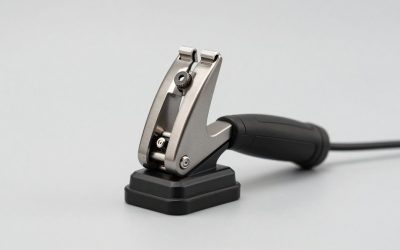
These nail clippers have an anti-overcut safety guard, non-slip handle and a built-in nail file, and they are listed for small and medium dogs. The guard is useful if you are new to nail trims. The limitation is that the guard does not replace checking the quick, so trim small pieces and stop if the dog is stressed.
gonicc Dog & Cat Pets Nail Clippers and Trimmers - with Safety Guard to Avoid Overcutting, Free Nail File, Razor Sharp Blade - Professional Grooming Tool for Pets (for Medium to Small Dogs)
One of the home product options compared in this guide.
View on AmazonWhen to see a vet or professional groomer
- See a vet for red, cloudy, painful or heavily discharging eyes, ears that are red, smelly or painful, skin that is red, raw, scabby or very itchy, lumps, bad breath with red gums, or any sign of pain during grooming.
- See a groomer for tight mats, a coat that has gone too long without brushing, the first haircut if you are nervous, or an anxious dog.
- Ask your vet before using any medicated or flea product on the coat.
Frequently asked questions
How often should I groom a Shih Tzu?
Brush every day or every other day, bathe every three to six weeks and have the coat trimmed every four to eight weeks. Nails, ears and teeth have their own schedules, as shown in the table above.
Can I groom a Shih Tzu at home myself?
Yes, most owners can handle brushing, bathing, nails, ears and teeth at home. Haircuts are also possible with practice, but many owners book a groomer for the full cut and handle upkeep between visits.
How do I stop my Shih Tzu from matting?
Brush down to the skin with line brushing, comb every section, and check the friction spots behind the ears, under the collar, in the armpits and at the tail. A shorter cut also reduces matting.
How often should I bathe a Shih Tzu?
Every three to six weeks is a common range, or sooner if the dog gets dirty. Always brush before the bath and rinse thoroughly.
What is the best brush for a Shih Tzu?
A slicker or pin brush for brushing, plus a steel comb to check the work, suits most Shih Tzu coats. Choose a size that fits a small dog and use light pressure.
How do I clean a Shih Tzu’s face and tear stains?
Wipe the corners of the eyes daily with a soft, damp cloth or a dog-safe wipe, and keep the hair around the eyes short or tied back. If the eyes are red, painful or have thick discharge, see your vet.
When can I first groom a Shih Tzu puppy?
Start gentle handling and short brushing sessions at around eight to ten weeks. Clippers are usually introduced slowly, and the adult coat typically grows in at around ten to twelve months.
Is a puppy cut a good idea for a Shih Tzu?
Yes, for many owners. A puppy cut keeps the coat short and even, reduces tangling and cuts brushing time, though you still need to brush and trim regularly.
Wrap-up
Grooming a Shih Tzu is mostly about consistency. Brush down to the skin, comb to check, bathe after brushing, dry while combing, and keep up with eyes, ears, nails and teeth. Choose a cut that matches the time you have, and bring in a groomer or vet when the coat or skin needs more than home care.



Write Your Review
No reviews yet. Be the first to share your experience!