
Our Top Picks
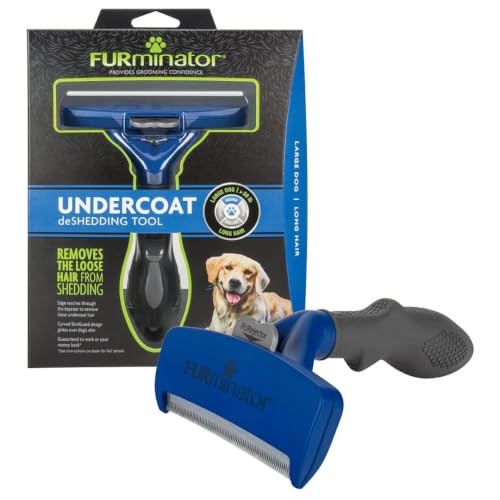 FURminator Large Dog Undercoat deShedding Tool for LongLarge6.5 x 2 x 8.75 inches0.6 poundsCheck on Amazon
Pros & cons
- Works across short, medium, and long coat lengths
- Patented design grabs hair tips to reduce painful tugging
- Doubles as a tool for removing pet hair from furniture and cars
- 5-inch size may be small for grooming large dogs quickly
- Metal construction requires careful storage away from small children
Pros & cons
- Dual-sided design pairs a 9-tooth and 17-tooth comb in one tool
- Rounded teeth are designed to reduce irritation while deshedding
- Non-slip rubber base helps keep the brush steady during use
- Dense double coats may require repeated passes for full deshedding
- Metal teeth need periodic cleaning to clear trapped hair
 TropiClean Deshedding Dog Shampoo and Conditioner SetBundle2.75 x 5.6 x 9.51 inches2.86 PoundsCheck on Amazon
Last updated: October 2026
Disclosure: we may earn a commission if you buy through links on this page, at no extra cost to you.
Will shaving a dog help with shedding? For most owners the honest answer is no. A shaved dog still sheds, the hairs are just shorter and often more stubborn to vacuum up. For double-coated breeds, shaving can also strip away a coat that insulates against both heat and cold. This guide explains why shaving does not stop shedding, when a close clip is actually appropriate, and what works better: brushing, the right tools, bathing and a few checks on diet and health.
Quick answer
Shedding is how a dog’s coat renews itself, so cutting the hair does not switch it off. The hair follicles keep cycling whether the coat is long or short. Regular brushing, a suitable de-shedding tool, an occasional bath with conditioner and a good diet are more effective ways to keep loose hair under control. Shaving is a choice for specific situations, usually decided with a groomer or vet, not a shedding fix.
| Question | Short answer |
|---|---|
| Does shaving stop shedding? | No. The dog sheds shorter hairs instead. |
| Does shaving keep a dog cooler? | Not reliably. A double coat helps regulate temperature, and bare skin can sunburn. |
| Will the coat grow back normally? | Often, but it can return patchy, uneven or different in texture, and some double coats take a long time. |
| When is shaving reasonable? | Severe matting, surgery or skin treatment, or a vet or groomer recommendation. |
| What helps more? | Brushing, undercoat tools, bathing, and checking diet and health. |
Why shaving does not stop shedding
Dogs shed because old hairs reach the end of their growth cycle and fall out as new ones come in. Seasonal shifts in daylight and temperature trigger heavier shedding, often in spring and fall. A clipper only shortens the hair above the skin. It does not change what is happening in the follicle underneath, so the shedding cycle carries on.
What changes is what you see. Long hairs tend to float and collect in drifts. Short clipped hairs are tiny, stiff and prickly, and they can weave into upholstery, clothing and carpet, which many owners find harder to clean than the longer hair they started with.
Double coat versus single coat
This is where the answer matters most. Double-coated breeds, such as many shepherds, retrievers, huskies, collies and spitz types, have a soft insulating undercoat plus a coarse outer layer of guard hairs. The two layers work together. The undercoat traps air, which helps with warmth in cold weather and can help with heat regulation in warm weather. The guard hairs help shield the skin from sun and from minor scrapes.
Single-coated breeds, such as poodles, many terriers and some bichons, have a different coat structure. They usually shed little, and their coats are normally clipped to a style as part of regular grooming. Clipping a poodle is routine. Shaving a husky for shedding is not the same thing.
| Coat type | Typical breeds | Shaving for shedding? |
|---|---|---|
| Double coat | Shepherds, retrievers, huskies, collies | Generally not advised; ask a groomer first |
| Single coat, continuously growing | Poodles, bichons, many terriers | Regular clipping is normal, but it is for style and upkeep, not shedding |
| Short smooth coat | Beagles, boxers, Labs | No benefit; use a rubber brush or grooming mitt |
| Hair-type long coat | Yorkies, Maltese, shih tzus | Clips are common; tools help with tangles |
Risks of shaving a double-coated dog
- Sun exposure. Without a protective coat, skin can burn, especially on light-skinned or thinly haired areas.
- Temperature regulation. The coat is part of how the dog stays comfortable in heat and cold. Removing it does not reliably cool a dog down.
- Coat changes. After shaving, the new coat can come back patchy, with a different texture or color. Guard hairs can be slow to return, and the coat may look uneven for months.
- Skin irritation. Close clipping can cause razor burn and leave skin exposed to insect bites and scratches.
- Unpredictable shedding. Disrupting the coat can change the shedding pattern for a time.
If your dog seems to be overheating, the answer is shade, water, rest and air conditioning, not a shave. Heavy panting, drooling, weakness or collapse is an emergency and needs a vet right away.
When shaving or a close clip can make sense
- Severe matting that cannot be combed out safely.
- A vet needs access to skin for surgery or treatment.
- Medical or welfare reasons recommended by your vet.
- Breeds with coats that are meant to be clipped, done by a groomer familiar with the breed.
If you are considering a clip, talk to a professional groomer first. Many will suggest a trim, not a shave, that leaves enough coat for protection while reducing bulk.
What actually helps with shedding
Brush on a routine
A few minutes of brushing several times a week removes loose hair before it lands on the sofa. During heavy shedding seasons, daily brushing is common. Brush in the direction of hair growth, work gently over bony areas and watch for tender spots or skin changes.
Use the right tool for the coat
Different coats need different tools. An undercoat tool reaches the soft hair below the topcoat. A slicker or rake handles longer, tangle-prone hair. Use light pressure and avoid scraping the same spot repeatedly, which can irritate skin.
Bathe and condition
A bath loosens dead hair, and a conditioner formulated for dogs helps hair release and brush out more easily. Brush before the bath to remove tangles, then again once the coat is fully dry. Over-bathing can dry the skin, so follow the label and ask your groomer how often suits your breed.
Check diet and health
A dull coat, hair thinning, bald patches, scratching or sudden excessive shedding can point to a health problem such as allergies, parasites, stress or a hormonal condition. See a vet for persistent or unusual shedding. Do not change food or add supplements without checking with them.
Tools that can help
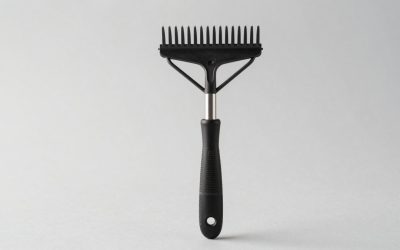
Undercoat de-shedding tool for long-haired dogs
FURminator Large Dog Undercoat deShedding Tool for Long Hair | Reduces Loose Hair From Shedding, Easy Clean-Up, For Dogs Over 50 lbs, Use Weekly, Ergonomic Handle For Comfort
One of the home product options compared in this guide.
View on AmazonThis is a well-known undercoat tool, available by coat length and dog size. The listing is for a large dog with long hair. It is designed to remove loose undercoat, so choose the size and coat type that match your dog, and skip it on very sensitive skin or on a dog with mats.
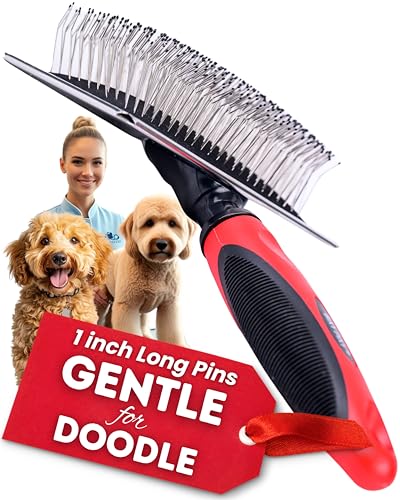
Self-cleaning style de-shedding brush

SleekEZ Dog Brush for Shedding | Patented Deshedding Dog Brush | Pet Hair Remover for Short, Medium & Long Coats | Made in USA | 5 Inch
Chosen because it lists an explicit depth/thickness.
View on AmazonThe listing describes this as a patented de-shedding brush for short, medium and long coats. Brush with the grain and in smooth strokes rather than pressing hard. It is a good option if you want one tool for several coat lengths.
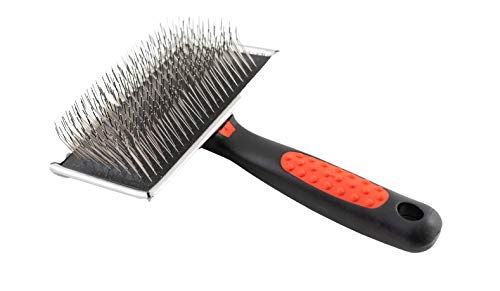
Double-sided rake for thicker undercoats

Maxpower Planet Dog Grooming Rake, Deshedding Undercoat Brush, Dogs & Cats | Blue Deshedding & Dematting, Extra-Wide Double-Sided Comb, Long-Haired Coats, Reduces Shedding, Original Design
One of the home product options compared in this guide.
View on AmazonA wide double-sided rake can help with thick undercoat on dogs and cats. Use gentle strokes and check the teeth size matches your pet. It is better for loosening than for forceful pulling.
De-shedding shampoo and conditioner set
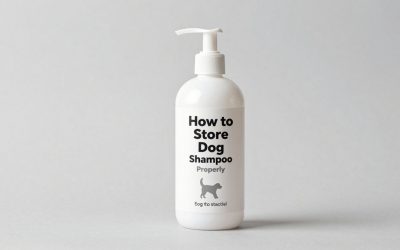
TropiClean Deshedding Dog Shampoo and Conditioner Set, Grooming Bundle for Shedding Control, Puppy Safe, Lime & Coconut Scent, Made in USA, 20 oz.
One of the home product options compared in this guide.
View on AmazonA shampoo and conditioner pair for shedding control can make brushing out wet or dried coats easier. The listing notes it is puppy-safe. As with any product, rinse thoroughly, and ask a vet about skin problems that do not improve.
Quick comparison of options
| Option | Works on | Effort | Notes |
|---|---|---|---|
| Undercoat tool | Double coats | Weekly or more in shedding season | Use light pressure, avoid mats |
| Rake | Thick undercoat | A few times a week | Check tooth length for your dog |
| De-shedding shampoo and conditioner | Most coats | Every few weeks, based on the label and breed | Brush before and after |
| Professional de-shed | Heavy shedders | Seasonal | Ask a groomer about frequency |
When to see a vet
Normal shedding comes with seasons and breed. Make an appointment if you notice any of the following:
- Bald patches or thinning hair.
- Red, flaky, crusty or bumpy skin.
- Constant scratching, licking or chewing.
- Strong odor from the coat or skin.
- Shedding that is suddenly much heavier than usual, or a dull, brittle coat.
Skin and coat changes can have many causes, and only a vet can sort them out. Do not treat them as a grooming problem alone.
FAQ
Does shaving a dog reduce shedding?
No. A shaved dog continues to shed, but the hairs are shorter. The shedding cycle happens at the follicle, so clipping the hair does not change it.
Will shaving my dog keep it cooler in summer?
Not reliably. A double coat helps regulate temperature, and bare skin can sunburn. Provide shade, water and rest in hot weather, and have your groomer thin and brush out the undercoat instead.
Is it OK to shave a husky or golden retriever?
Groomers generally advise against it unless there is a medical or matting reason. The coat can grow back uneven, and the dog loses protection from sun and weather.
How long does hair take to grow back after shaving?
It varies by breed, age and season. Some coats look nearly normal in a few months, while guard hairs on double coats can take much longer. Ask your groomer what to expect.
What is the best way to reduce dog shedding?
Brush regularly with a tool suited to the coat, bathe with a dog conditioner at sensible intervals, keep up with grooming appointments, and ask a vet about diet and health if shedding seems excessive.
Are de-shedding treatments at a groomer worth it?
Many owners find them useful during heavy shedding seasons. A treatment typically involves a bath, conditioner, drying and thorough brushing. Ask the groomer what is included and how often is reasonable for your dog.
Can I use dog de-shedding products on my cat?
No. Do not use dog shampoos or treatments on cats unless the label says they are cat-safe. Cats groom by licking and can react badly to some ingredients. Ask your vet for cat-specific advice.
A simple weekly shedding routine
- Brush the whole coat with your chosen tool, working in short strokes with the direction of hair growth.
- Check for mats behind the ears, under the collar and in the armpits, and work them out gently before they tighten.
- Run a comb through to make sure nothing is left tangled near the skin.
- Wipe the coat with a damp cloth to collect stray hair, then vacuum the spots where your dog rests.
- During heavy seasonal shedding, repeat more often and book a bath with conditioner if the coat feels packed with loose undercoat.
Most dogs settle into this quickly if sessions stay short and end with a treat. Wash dog bedding regularly too, since it holds a surprising amount of loose hair.
Bottom line
If you want less hair on your furniture, skip the shave and build a routine. Brush often, use an undercoat tool that fits the coat, bathe with a suitable conditioner now and then, and see a vet if shedding looks abnormal. Save clippers for the cases where a groomer or vet recommends them.



Write Your Review
No reviews yet. Be the first to share your experience!