
Key takeaways
- Choosing between a slicker brush and a pin brush is less about finding a universally “better” tool and more about matching the brush to your dog, your grooming routine, and the way your home is used. The right choice can…
Choosing between a slicker brush and a pin brush is less about finding a universally “better” tool and more about matching the brush to your dog, your grooming routine, and the way your home is used. The right choice can reduce loose hair on furniture, prevent painful mats, and make grooming easier to fit into a busy week. The wrong one may sit unused in a drawer—or leave you repeatedly buying replacements after the pins bend or the handle cracks.
In the slicker brush vs pin brush dogs debate, coat type comes first. Slicker brushes use many fine, closely spaced wires to catch loose hair and work through tangles. Pin brushes use fewer, longer pins with more space between them, making them gentler for sweeping through longer coats and fluffing finished styles. Some households need both, but many can start with one.
Our top picks
 2PCS Slicker Brush for Dogs & Pet
- 【Premium Dog Grooming Kit】Owning a professional dog slicker…
- 【Professional Slicker Brush for Dogs】Designed for medium-length and…
- 【High Quality Dog Comb】Made of high quality stainless…
 Swihauk Self Cleaning Slicker Brush
- Product Group: Pet Products
- Binding: Misc.
| Product | Key specs | Amazon rating | |
|---|---|---|---|
| 2PCS Slicker Brush for Dogs & Pet | 【Premium Dog Grooming Kit】Owning a professional dog slicker… 【Professional Slicker Brush for Dogs】Designed for medium-length and… 【High Quality Dog Comb】Made of high quality stainless… | 4.7★ | Check price |
| Swihauk Self Cleaning Slicker Brush | Product Group: Pet Products Binding: Misc. | 4.2★ | Check price |
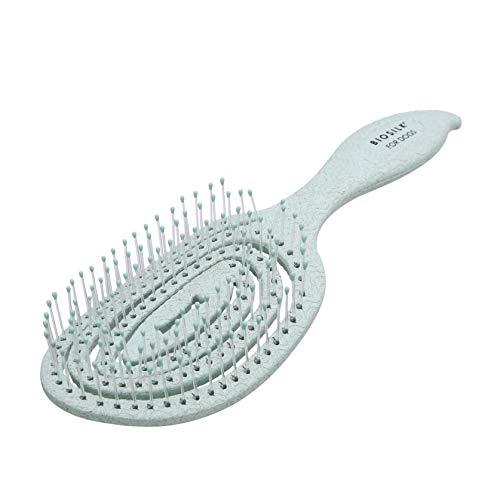 BioSilk for Pets Eco-Friendly Detangling Pin Brush BioSilk for Pets Eco-Friendly Detangling Pin Brush | – | Check price | |
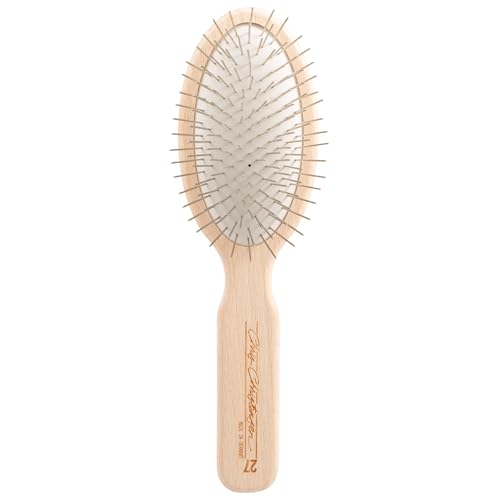 Chris Christensen Dog Brush Chris Christensen Dog Brush | – | Check price |
As an Amazon Associate we earn from qualifying purchases at no extra cost to you. Ratings are shown as listed on Amazon.
Quick Verdict
Choose a slicker brush if your dog has a curly, woolly, or easily matted coat, such as a Poodle, Goldendoodle, Labradoodle, or similar mix. It is usually the more effective tool for removing tangles close to the surface and lifting shed hair from dense coats.
Choose a pin brush if your dog has a long, straight, silky, or feathered coat and you want a comfortable daily brush for smoothing, separating, and light debris removal. A pin brush is also a good finishing tool after a slicker has done the detangling work.
If your dog mats frequently, a practical combination is a slicker brush for methodical section-by-section grooming and a pin brush for the final pass. Neither brush replaces professional grooming for severe, tight mats or coats that have become painful to touch.
Side by Side
| Factor | Slicker Brush | Pin Brush |
|---|---|---|
| Comfort | Can be comfortable with light pressure; fine wires may irritate skin if used roughly | Usually gentler for surface brushing; longer pins can still poke if pressed down |
| Detangling | Strongest choice for loose knots, mats, and dense curls | Best for minor tangles and finishing, not compact mats |
| Durability | Wire pins may bend or pull out over time | Fewer, thicker pins often tolerate regular use well |
| Price range | About $10–$25 for most household models | About $10–$45, with premium wood-body brushes costing more |
| Maintenance | Hair can collect densely between the wires; self-cleaning buttons simplify removal | Hair is generally quicker to pull out from the wider spacing |
| Space needed | Typically 6–10 inches long; easy to store in a grooming basket | Typically 7–11 inches long; larger heads may need a little more drawer space |
| Look | Usually practical, compact, and plastic or rubber handled | Often has a traditional wood handle and more polished appearance |
| Resale | Limited resale value because used grooming tools are difficult to sanitize and assess | Premium construction may hold appeal, but used resale is still modest |
| Best for | Curly, woolly, thick, or mat-prone coats | Long, straight, silky, feathered, or already-detangled coats |
Where Slicker Brush Wins
A slicker brush wins when the main problem is tangles rather than simple surface hair. Its closely arranged wires reach into the outer coat and separate strands that have begun to twist together. That makes it especially useful for curly coats, which can look tidy on top while hiding knots underneath.
For a large or heavily coated dog, look for a brush head wide enough to cover a useful area but not so large that it cannot follow the dog’s legs, face, and belly. Extra-long pins can help reach through dense coats, but they require a lighter hand. A product such as the 2PCS Slicker Brush for Dogs & Pet Comb set, listed for under $20, pairs a slicker with a comb for checking whether the coat is truly clear after brushing.
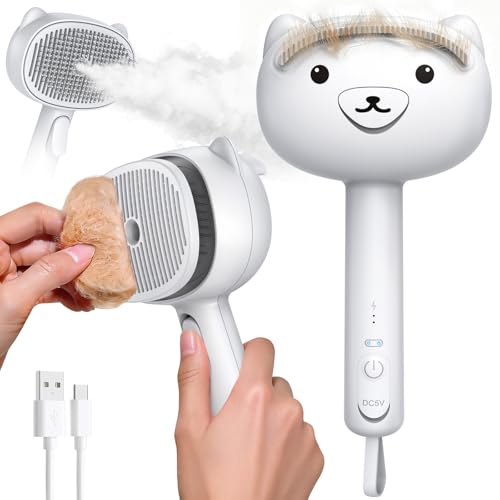
Slickers are also useful during shedding seasons. They can lift loose undercoat and reduce the amount that ends up on sofas, rugs, and clothing. The tradeoff is that the fine wire field can hold a surprising amount of hair. A self-cleaning design can be convenient in a busy household; the Swihauk Self Cleaning Slicker Brush is priced for under $20 and represents the kind of push-button cleanup feature many owners prefer.
Technique matters more with a slicker than with a broad, soft brush. Work in sections, lift the coat with one hand, and brush a small layer at a time. Use short, gentle strokes instead of dragging from skin to ends. Stop if your dog shows discomfort, and never use the brush as a substitute for carefully removing a tight mat.
Where Pin Brush Dogs Wins
Pin brushes win for comfortable maintenance and finishing. The wider spacing lets the brush glide through long hair without grabbing every strand. That makes one a good choice for dogs with flowing furnishings on the ears, tail, legs, and chest, particularly when the coat is already in good condition.
Pin brushes are also helpful for owners who want a less aggressive daily routine. A few minutes of gentle brushing can distribute natural oils, remove leaves or small bits of debris, and keep long hair looking orderly. They are not usually the best first tool for a matted Goldendoodle or a tightly curled coat, however. The pins may slide over the top while knots remain underneath.
For an inexpensive option, the BioSilk for Pets Eco-Friendly Detangling Pin Brush for Dogs is listed for under $20. At the premium end, the Chris Christensen Dog Brush with a 27 mm oval pin brush head costs under $40 and uses a lightweight beech wood body with stainless steel pins. A higher price does not make any brush automatically right for every dog, but balanced construction, smooth pin tips, and a comfortable handle can make frequent grooming more pleasant.
Cost Over 5 Years
The purchase price is only part of the cost. A basic slicker or pin brush commonly costs $10–$25 and may last several years with one dog, while a premium pin brush may cost $35–$45 or more. If a brush is lost, damaged, or replaced once during a five-year period, a realistic total for one primary brush is roughly $20–$90.
For example, buying a under-$20 slicker set and replacing it once would total under $30 over five years. Buying a under-$20 self-cleaning slicker and replacing it once would total under $40. A under-$20 pin brush replaced once would cost under $30, while two under $40 premium pin brushes would total under $80.
There can be indirect savings, too. Consistent brushing may reduce emergency dematting appointments, although the amount depends on your dog’s coat and your grooming habits. A brush that is easy to clean and comfortable to hold is more likely to be used regularly, which can matter more than saving a few dollars at checkout.
Which One for Your Home
Small apartment
Choose the brush that controls the coat most efficiently, since limited floor space makes loose hair and difficult grooming more noticeable. For a curly or dense coat, a compact slicker with a cleaning button is practical. For a long but relatively smooth coat, a pin brush may be enough. Keep the tool in a washable bin near the dog’s leash or grooming area so short sessions become routine.
Family with kids and pets
A slicker is usually the better all-purpose choice when the household includes several pets or children who may bring in grass, burrs, and debris. It handles more coat types and can reduce shedding when used consistently. Choose rounded or polished tips, supervise children around the brush, and teach them never to press hard or brush sensitive areas such as the belly and ears without an adult.
Rental home
Prioritize shedding control, easy cleanup, and storage. A slicker generally has the advantage for removing loose undercoat and preventing small tangles from becoming larger grooming problems. A self-cleaning model can keep hair from scattering into the trash, while a small pin brush works well as a second tool for long furnishings. Brush on a washable mat or towel to keep hair out of carpet.
Long-term home
In a long-term home, buy for your dog’s coat rather than the room. If your dog is likely to remain with you for many years, a well-made brush with a comfortable handle can justify a higher initial price. Consider a two-brush setup: slicker first for a curly or dense coat, pin brush second for smoothing. For a straight coat, start with the pin brush and add a slicker only if tangles or seasonal shedding become difficult.
FAQ
Can a pin brush remove mats?
It may loosen very small, surface tangles, but it is not designed for tight mats. Repeatedly pulling a pin brush through a compact mat can hurt your dog and break hair. Use careful sectioning and a suitable detangling method for minor knots; seek a professional groomer for extensive matting.
Is a slicker brush safe for daily use?
Yes, when used gently and appropriately for the coat. Brush in small sections with light pressure, keep the wires moving rather than scraping the skin, and check sensitive areas separately. Daily brushing may be useful for some curly coats, while other dogs need only several sessions per week.
Should I buy both types of brush?
Buy both if your dog has a dense or curly coat, gets frequent tangles, or has long feathering that needs a finishing pass. Otherwise, start with the brush that matches the main problem. A pin brush is sufficient for many smooth, long coats; a slicker is more versatile for mat-prone coats.
How do I choose the right brush size?
Small brushes around 6–7 inches long are easier to control on toy breeds and around faces. Medium to large brushes around 8–11 inches long can cover more area on bigger dogs. The head should fit comfortably between the dog’s body contours, and the handle should feel secure without requiring a tight grip.




Write Your Review
No reviews yet. Be the first to share your experience!