
Key takeaways
- Start with taste: Let your dog lick a dab of the flavored toothpaste off your finger so they associate it with something good.
- Touch the gums: Over a few days, gently rub a finger or finger brush along the outer teeth and gums without full brushing.
- Add the brush slowly: Introduce the toothbrush only once your dog is comfortable with the toothpaste and having their mouth handled.
By age three, the majority of dogs already show signs of dental disease, and it’s about far more than bad breath. Plaque and tartar buildup lead to painful gum infections that can spread bacteria to the heart, liver, and kidneys. The single most effective thing you can do at home is brush your dog’s teeth, and done right, it takes just a couple of minutes a day.
This guide covers everything a beginner needs: choosing the right toothbrush and toothpaste, introducing the routine gradually, the correct brushing technique, and how often to do it. With patience and the right tools, even a reluctant dog can learn to tolerate, and sometimes enjoy, tooth brushing.
Our top picks

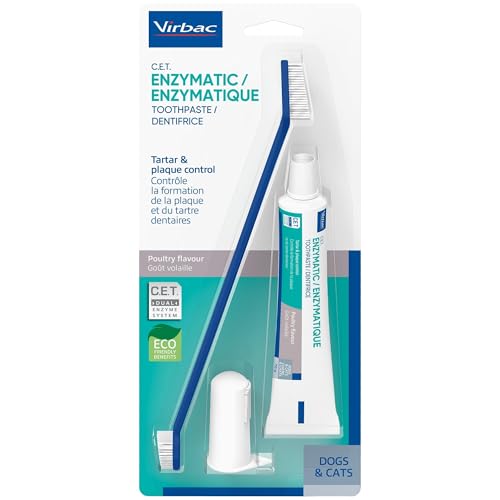
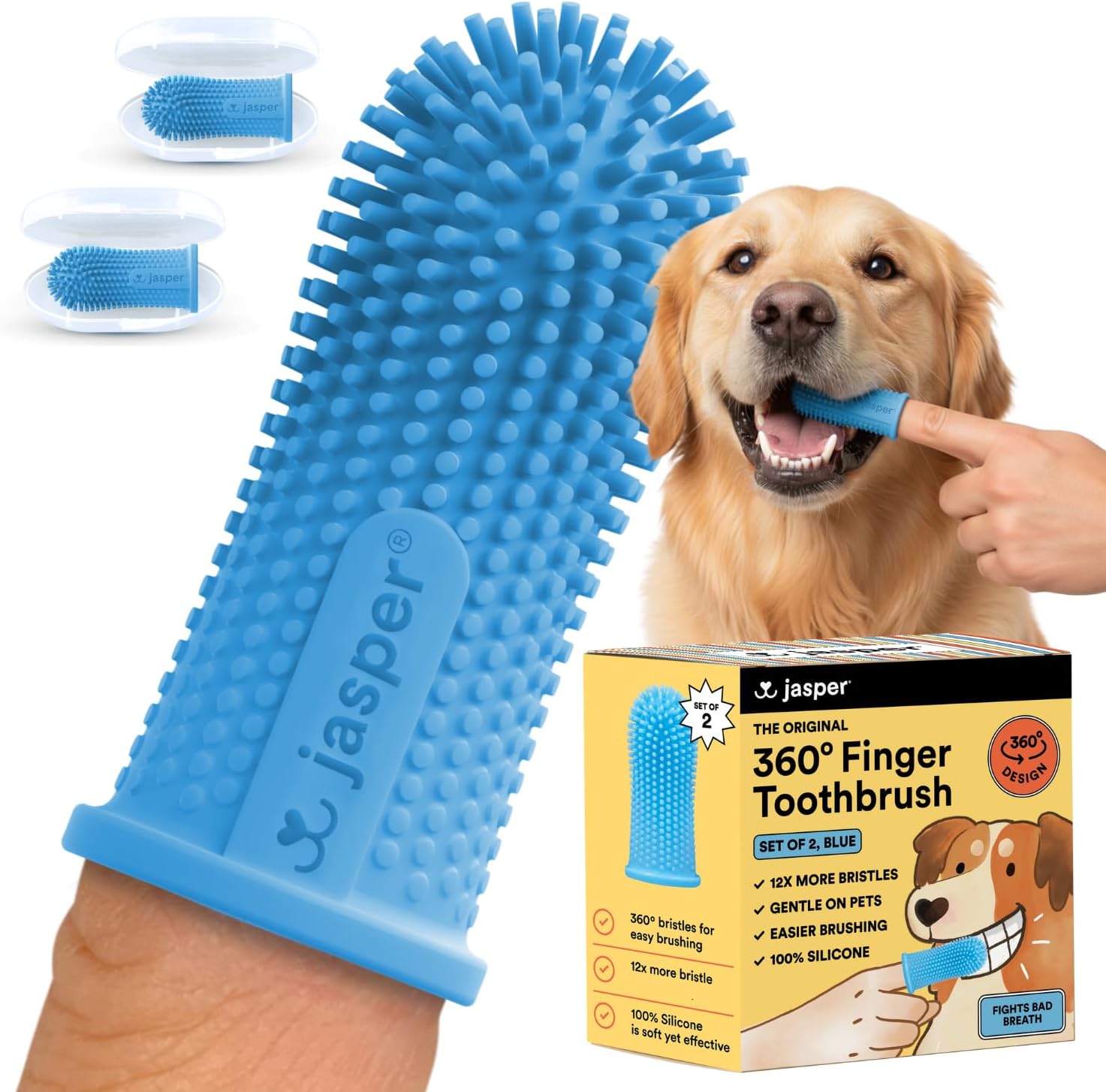 Jasper Dog Toothbrush
- Age Range Description: Adult, Kid, Infant
- Package Type Name: Box
- Animal Theme: Dog


As an Amazon Associate we earn from qualifying purchases at no extra cost to you.
⚡ Save on Your Next PC — Amazon Prime
Prime members get fast free shipping on the systems above, plus early access to Prime Day & Black Friday PC deals. New members get a 30-day free trial.
Watch: How to Brush Your Dog’s Teeth for Optimal Oral Health — Video Review
Choosing the Right Tools
Never use human toothpaste; the fluoride and xylitol in it are toxic to dogs. Use an enzymatic dog toothpaste, such as the poultry-flavored C.E.T. Oral Hygiene Kit or the Vet’s Best Dog Toothpaste kit, which dogs find palatable. For the brush, choose based on your dog’s size: finger brushes like the Jasper 360° Finger Toothbrush give control for small dogs and beginners, while long-handled or 360-degree brushes reach the back teeth of larger breeds.
Introducing Brushing Gradually
- Start with taste: Let your dog lick a dab of the flavored toothpaste off your finger so they associate it with something good.
- Touch the gums: Over a few days, gently rub a finger or finger brush along the outer teeth and gums without full brushing.
- Add the brush slowly: Introduce the toothbrush only once your dog is comfortable with the toothpaste and having their mouth handled.
The Correct Brushing Technique
Lift the lip and brush the outer surfaces of the teeth at a 45-degree angle to the gumline, using small circular motions. The outside surfaces facing the cheek collect the most plaque and are the priority; the tongue naturally helps clean the inner surfaces. Focus on the large back molars and the canines, where tartar builds fastest. Keep the first sessions short, just a few teeth, and build up as tolerance grows.
How Often and What to Watch For
Daily brushing is ideal because plaque hardens into tartar within about 48 to 72 hours, but even three times a week makes a meaningful difference. While brushing, watch for red or bleeding gums, loose teeth, persistent bad breath, or reluctance to eat, all signs that warrant a veterinary dental check. Home brushing complements, but doesn’t replace, professional cleanings.
Tips
- Brush at the same time each day, such as after an evening walk, so it becomes a predictable habit.
- Keep sessions positive and end with praise or a dental treat rather than forcing a struggling dog.
- For tiny mouths, a soft finger brush or a small horizontal-head brush reaches better than a bulky one.
- Replace the toothbrush every few months or once the bristles fray.
Frequently Asked Questions
Can I use baking soda instead of dog toothpaste?
It’s not recommended. Baking soda has a high alkaline content and unpleasant taste that discourages dogs, and it lacks the enzymes that dog toothpaste uses to break down plaque. Stick to a proper enzymatic canine toothpaste.
My dog won’t let me near his mouth. What can I do?
Go slower. Spend a week just letting him lick toothpaste and getting used to gentle muzzle handling before introducing the brush. A finger brush is often less intimidating than a long-handled one for resistant dogs.
Do dental chews replace brushing?
Dental chews help reduce plaque and are a useful supplement, but they don’t clean along the gumline the way brushing does. Use them alongside brushing, not as a substitute.
How do I know if my dog needs a professional cleaning?
Heavy tartar, red or bleeding gums, bad breath that won’t improve, or signs of mouth pain indicate it’s time for a vet exam. Professional cleanings under anesthesia address buildup below the gumline that brushing can’t reach.
Conclusion
Brushing your dog’s teeth is one of the highest-impact habits for their long-term health, and it’s entirely achievable at home. Use dog-safe enzymatic toothpaste and a brush suited to your dog’s size, build the routine up gradually, and brush the outer surfaces at the gumline daily or several times a week. Pair it with regular vet checkups, and you’ll protect not just your dog’s smile but their whole-body health.






Write Your Review
No reviews yet. Be the first to share your experience!