
Key takeaways
- Toy and small dogs: 1 teaspoon to 1 tablespoon (5 to 15 mL)
- Medium dogs: 1 to 2 tablespoons (15 to 30 mL)
- Large dogs: 2 to 3 tablespoons (30 to 45 mL)
- Giant or very heavily coated dogs: 3 to 4 tablespoons (45 to 60 mL)
Choosing the right amount of shampoo helps you clean your dog thoroughly without wasting product or leaving a soapy residue behind. The answer to “how much shampoo does a dog need” depends on your dog’s size, coat length, coat density, dirt level, and whether you are washing once or twice.
As a general starting point, use about 1 teaspoon (5 mL) for a small dog, 1 to 2 tablespoons (15 to 30 mL) for a medium dog, and 2 to 4 tablespoons (30 to 60 mL) for a large dog per bath. These amounts are for concentrated dog shampoos and may change if the bottle directs you to dilute the formula.
Our top picks
 Arm & Hammer Deodorizing Dog Shampoo
- Product Group: Pet Products
- Binding: Target
 Wahl USA 4-in-1 Calming Dog Shampoo with
- Product Group: Pet Products
- Binding: Target
| Product | Key specs | Amazon rating | |
|---|---|---|---|
| Arm & Hammer Deodorizing Dog Shampoo | Product Group: Pet Products Binding: Target | 4.9★ | Check price |
| Wahl USA 4-in-1 Calming Dog Shampoo with | Product Group: Pet Products Binding: Target | 4.2★ | Check price |
 Burts Bees for Pets Oatmeal Dog Shampoo Burts Bees for Pets Oatmeal Dog Shampoo | – | Check price | |
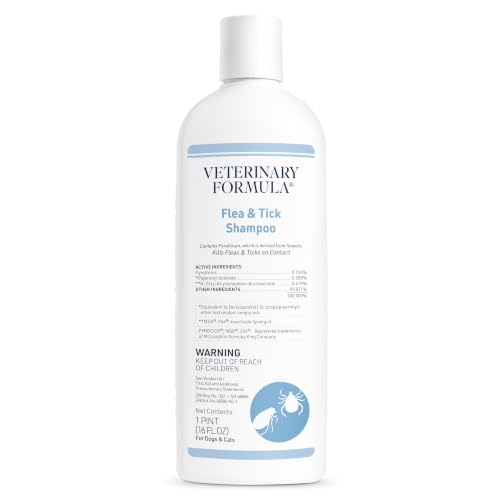 Veterinary Formula Flea and Tick Shampoo for Veterinary Formula Flea and Tick Shampoo for | – | Check price |
As an Amazon Associate we earn from qualifying purchases at no extra cost to you. Ratings are shown as listed on Amazon.
The Short Answer
Start with less shampoo than you think you need. Wet the coat completely, work a small amount into the fur, and add more only where the lather is thin or the coat remains dirty.
- Toy and small dogs: 1 teaspoon to 1 tablespoon (5 to 15 mL)
- Medium dogs: 1 to 2 tablespoons (15 to 30 mL)
- Large dogs: 2 to 3 tablespoons (30 to 45 mL)
- Giant or very heavily coated dogs: 3 to 4 tablespoons (45 to 60 mL)
A second wash may require another 50% to 100% of the first amount, especially if the dog has oily fur, mud, or outdoor odors. However, more bubbles do not necessarily mean a better clean. Thorough rinsing matters more than creating a thick layer of foam.
Always follow the label if a medicated, flea, or tick shampoo gives a different measurement or requires a specific contact time. Never use human shampoo unless a veterinarian specifically recommends it.
Standard Sizes
The table below uses practical dog-size ranges rather than breed names alone. Dogs of the same weight can have very different body lengths and coat volumes, so use the measurements as a starting point. The body dimensions are approximate standing measurements in inches and centimeters.
| Dog size | Typical weight | Approximate body dimensions | Shampoo per bath | Useful bottle size |
|---|---|---|---|---|
| Toy or extra small | Up to 15 lb (6.8 kg) | 18–28 in long x 8–14 in tall (46–71 x 20–36 cm) | 1 tsp–1 tbsp (5–15 mL) | 8–16 fl oz (237–473 mL) |
| Small | 15–30 lb (6.8–13.6 kg) | 24–34 in long x 12–18 in tall (61–86 x 30–46 cm) | 1–1½ tbsp (15–22 mL) | 16–20 fl oz (473–591 mL) |
| Medium | 30–60 lb (13.6–27.2 kg) | 30–42 in long x 16–24 in tall (76–107 x 41–61 cm) | 1½–2 tbsp (22–30 mL) | 16–24 fl oz (473–710 mL) |
| Large | 60–90 lb (27.2–40.8 kg) | 36–48 in long x 22–28 in tall (91–122 x 56–71 cm) | 2–3 tbsp (30–45 mL) | 20–32 fl oz (591–946 mL) |
| Giant or very thick-coated | 90 lb and over (40.8 kg and over) | 42–56 in long x 26–34 in tall (107–142 x 66–86 cm) | 3–4 tbsp (45–60 mL) | 24–32 fl oz (710–946 mL) |
Common retail bottles include 16, 20, and 24 fluid ounces. For reference, Arm & Hammer Deodorizing Dog Shampoo is listed in a 20-fluid-ounce bottle, Wahl’s 4-in-1 formula in a 24-ounce bottle, and Burt’s Bees for Pets Oatmeal Dog Shampoo in a 16-fluid-ounce bottle. A 16-fluid-ounce bottle contains about 473 mL, while 24 fluid ounces equals about 710 mL.
At 1 fluid ounce per bath, a 16-ounce bottle theoretically provides 16 baths. In real use, a medium or large dog may need more, and some product remains in the bottle or pump. A reasonable price range for basic dog shampoo is about $6 to $10 for a 16- to 24-ounce bottle. Specialty, medicated, or flea-and-tick formulas may cost more; one 16-ounce veterinary flea-and-tick shampoo, for example, is listed near $10.
How to Measure Your Space
For dog bathing, “space” means the area your dog occupies in the tub, shower, or outdoor wash station. Measuring it helps you choose a safe setup and prevents bottles, towels, and grooming tools from crowding the bathing area.
- Measure your dog’s length. Measure from the tip of the nose to the base of the tail while your dog is standing. Do not include the tail unless you need the full space occupied during turning.
- Measure standing height. Measure from the floor to the top of the shoulders, not the top of the head. This helps you judge whether your dog can stand comfortably under a handheld sprayer.
- Measure the tub or basin. Record the interior length, width, and depth in inches and centimeters. The dog should be able to stand and turn without pressing against the sides.
- Check entry and exit space. A narrow tub may fit your dog but still be difficult to use safely. Leave room to lift a small dog or guide a large dog out without twisting.
- Place shampoo within reach. Keep the bottle no more than an arm’s length away, but outside your dog’s immediate reach. A pump bottle or squeeze bottle is easier to use with wet hands.
- Plan for rinsing. Make sure the sprayer reaches the underside, legs, chest, and rear of the coat. A bath that is too small can make complete rinsing difficult.
By Room or Use Case
Bathtub
A bathtub works well for medium and large dogs because it provides enough length to reposition the dog. Use a nonslip mat and keep the water shallow, generally around 2 to 4 inches (5 to 10 cm), rather than filling the tub. The dog shampoo amount should be based on coat volume, not the amount of water in the tub.
Walk-in shower
A walk-in shower is convenient for dogs that dislike being lifted. Use a handheld sprayer with gentle pressure and lukewarm water. For a medium dog, begin with about 1½ tablespoons (22 mL) of shampoo, dividing it between the neck, back, sides, legs, and underside instead of placing it all in one spot.
Utility sink
A deep utility sink is suitable for toy and small dogs, provided the dog cannot jump out. About 1 teaspoon (5 mL) may be enough for a short-haired small dog, while a long or dense coat may need up to 1 tablespoon (15 mL). Support the dog securely and keep the drain clear of loose fur.
Outdoor wash station
Outdoor bathing is useful for muddy dogs, but avoid cold water and extreme heat. A hose attachment should provide a soft spray rather than a forceful jet. A large dog with a thick coat may need 3 tablespoons (45 mL) for the first wash and additional shampoo for a second wash.
Medicated or flea-and-tick bathing
Do not estimate the amount of medicated or flea-and-tick shampoo solely by dog size. These products may specify a different amount, application method, or contact time. Read the label carefully and ask a veterinarian about use on puppies, pregnant dogs, cats, or dogs with irritated skin.
Common Sizing Mistakes
- Using weight alone: A 40-pound short-haired dog may need less shampoo than a 25-pound dog with a dense double coat.
- Applying shampoo to a dry coat: Dry fur can absorb product unevenly. Wet the coat to the skin first, unless the label says otherwise.
- Pouring shampoo directly onto the head: Keep shampoo away from the eyes, ears, nose, and mouth. Use a damp cloth for the face.
- Assuming more lather means more cleaning: Dirt, oil, and coat density affect lather. Add small amounts gradually rather than emptying a large squeeze of product.
- Rinsing too quickly: Residue can cause itching or a dull, sticky coat. Rinse until the water runs clear and the fur no longer feels slippery.
- Ignoring label directions: Some formulas are concentrated or intended to be diluted. Follow the bottle’s instructions over a general size chart.
FAQ
How much shampoo does a 10-pound dog need?
Begin with about 1 teaspoon (5 mL) for a short coat and increase to 2 teaspoons or 1 tablespoon (10 to 15 mL) for a long, curly, or dense coat. Add only enough to clean areas that remain greasy or dirty.
How much shampoo does a 50-pound dog need?
A 50-pound dog usually needs about 1½ to 2 tablespoons (22 to 30 mL) for one wash. A heavily soiled or thick-coated dog may need a second wash, but rinse fully between applications.
Can I dilute dog shampoo?
Some dog shampoos can be diluted, but not all formulas are designed for it. Check the label first. If dilution is allowed, mix only the amount needed for that bath so the product remains fresh and easy to apply evenly.
How often should I bathe my dog?
Many healthy dogs can be bathed every few weeks or when they are visibly dirty, but the ideal schedule varies by coat, skin condition, and lifestyle. Frequent bathing or persistent itching should be discussed with a veterinarian.




Write Your Review
No reviews yet. Be the first to share your experience!