
Best dog shampoo for mites is a search that usually starts with an itchy dog and no diagnosis. Several very different mites cause very different problems, and none of them are reliably cleared by a shampoo alone. What a medicated wash does well is manage the damaged skin while the prescribed treatment does the actual work.
Our top picks
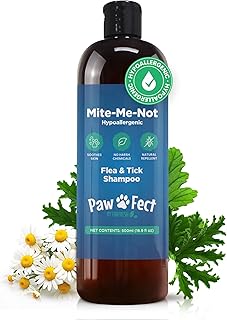

 MiconaHex+Triz Shampoo for Dogs
Unscented formula avoids added fragrance for sensitive animals
Helps prevent and treat fungal skin across multiple species
16oz size covers more washes than the smaller bottle
Listing provides limited detail on specific active ingredients
Targeted antifungal formula is not meant for everyday-only washing


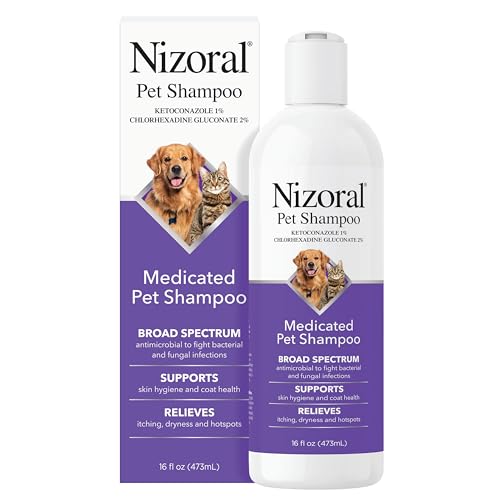 Nizoral Ketoconazole Pet Shampoo
Combines 1% ketoconazole with 2% chlorhexidine for stubborn skin issues
Works across both dogs and cats in one formula
Medicated formula targets hot spots and persistent irritation
Recommended 2-3 times weekly use is more involved than everyday shampoo
Medicated formula suits specific conditions, not daily washing
 MiconaHex+Triz Shampoo for Dogs
Single formula works across dogs, cats, and horses
Supports restoring dry, damaged skin in multiple species
Made in the USA
8oz size is small for larger animals or repeated use
Listing provides limited detail on specific active ingredients
As an Amazon Associate we earn from qualifying purchases at no extra cost to you.
As an Amazon Associate we earn from qualifying purchases.
By Laura Simmons
🛒 Best Price Today on Amazon
Prime members get fast, free shipping on everything above, plus member-only deals. New members get a 30-day free trial — cancel anytime.
Start 30-Day Prime Free Trial →See Today’s Amazon DealsHow to Choose the Best Dog Shampoo for Mites
Choosing the best dog shampoo for mites sensibly means knowing which mite you are dealing with, because the treatment plans differ completely. A skin scrape at the vet takes minutes and settles the question, and everything else you do afterwards depends on that answer being right.
Different Mites, Different Problems
The best dog shampoo for mites therefore depends on which one you have. Sarcoptic mites burrow and cause intense itching, often starting at the ear margins, elbows, and belly, and they spread readily between dogs. Demodex mites live normally in hair follicles and only cause trouble when they overgrow, which is why demodectic cases tend to look patchy and bald rather than frantically itchy.
Cheyletiella, sometimes called walking dandruff, produces heavy scaling along the back and is common in puppies from crowded environments. Ear mites are a separate problem entirely, living in the ear canal and producing dark crumbly debris, and no body shampoo will touch them at all.
What a Medicated Shampoo Realistically Does
The best dog shampoo for mites earns its place after the diagnosis, not before it. Medicated washes lift crusting and scale, flush hair follicles, and treat the secondary bacterial and yeast infections that develop on skin the dog has been scratching raw. That is genuinely valuable, because secondary infection is often what makes a dog most uncomfortable during a case.
What they do not do is clear an infestation. Modern prescription treatments for mites are far more effective than anything topical you can buy over the counter, and relying on shampoo alone means weeks of unnecessary discomfort while the population keeps building in the skin.
Follow Contact Time and Ask About Frequency
Medicated shampoos work through contact time, usually five to ten minutes on the coat before rinsing, and skipping that step is the single most common reason owners conclude an expensive bottle achieved nothing at all. Work it down to skin level rather than lathering the surface.
Frequency should come from the treating vet rather than the label. These formulas are drying by design, and over-bathing skin that is already inflamed makes things worse. Twice weekly during an active case, tapering afterwards, is a common pattern but not a rule for every dog.
Treat the Environment and Other Pets
Sarcoptic mange spreads between dogs and can cause a temporary itchy rash on people, so bedding needs washing on a hot cycle and in-contact animals need checking. Reinfestation from the environment is a common reason cases seem to improve and then relapse a fortnight later.
Demodex is different and generally not contagious, since the mites are already present on healthy dogs. Widespread demodectic cases in adult dogs sometimes point to an underlying health problem, which is another reason the diagnosis matters more than the shampoo you buy.
Top Picks: Best Dog Shampoo for Mites Support
These six are the medicated and soothing washes most often used alongside veterinary treatment. They are chosen for how well they handle scaling, follicular debris, and secondary infection, rather than for any claim to kill mites on contact in the bath.
| Shampoo | Best For | Active Approach | Key Feature |
|---|---|---|---|
| Veterinary Formula Antiparasitic | Heavy scaling and crusting | Sulfur and salicylic acid | Widely used alongside treatment |
| Nootie Medicated Shampoo | Secondary infections | Chlorhexidine and ketoconazole | Targets bacteria and yeast |
| Vet Basics Sulfur Shampoo | Seborrheic, flaky skin | Sulfur based | Lifts scale effectively |
| Davis Miconazole Shampoo | Yeast overgrowth | Miconazole | Antifungal support |
| Zymox Enzymatic Shampoo | Sensitive damaged skin | Enzyme system | Gentle, no harsh detergents |
| Dechra DermAllay Oatmeal | Recovery phase | Oatmeal, soothing | Non-medicated comfort wash |
Veterinary Formula Clinical Care Antiparasitic Shampoo
Probably the most widely bought wash in this category, built on sulfur and salicylic acid to lift the heavy crusting and scale that builds on mite-damaged skin. Used alongside prescribed treatment it makes a visible difference to how the coat and skin look within a couple of washes.
It smells strongly medicinal and it is drying, so frequency needs to come from a vet rather than the bottle. It also does not kill mites despite where it sits on the shelf, and using it as a standalone answer is exactly how cases are allowed to drag on for months.
Nootie Medicated Shampoo
A chlorhexidine and ketoconazole combination aimed squarely at the secondary bacterial and yeast infections that develop on skin a dog has been scratching. Where the smell and the sore patches are the worst part of a case, this is usually the wash that improves things fastest.
It does nothing about the mites themselves, so it only makes sense within a proper treatment plan. Chlorhexidine stings on broken or ulcerated skin, contact time genuinely matters, and it should be kept away from the eyes and ears unless a vet has said otherwise.
Vet Basics Sulfur Shampoo
Sulfur has been used on scaly, seborrheic skin for a very long time, and it remains effective at softening and lifting the thick scale that comes with Cheyletiella and with chronic demodectic cases. It is a straightforward, unglamorous product that does one job well.
The smell is the main objection, and it lingers on the coat for a day or so. It is drying with repeated use, stains light-coloured coats slightly, and like everything here it treats the surface rather than the underlying infestation driving the problem.
Davis Miconazole Shampoo
An antifungal wash for cases where yeast overgrowth has taken hold on damaged skin, which is common on dogs that have been scratching for weeks. Used as directed with proper contact time, it reduces the greasy feel and sour smell that accompany a yeast problem.
Yeast is a secondary issue rather than the cause, so this belongs in a plan alongside mite treatment rather than on its own. It needs full contact time to work, and dogs with very inflamed skin may find the first wash uncomfortable, which is worth mentioning to the vet.
Zymox Enzymatic Shampoo
An enzyme-based formula without harsh detergents, which suits dogs whose skin reacts badly to conventional medicated washes. It is gentle enough for repeated use on compromised skin and does not sting the way an acidic or chlorhexidine formula can on raw patches.
The gentleness means less cleaning power, so it will not shift heavy crusting on its own and is a poor choice for the acute stage of a case. It is also expensive per bottle for a product that works best as a supporting wash rather than as the main one in a treatment plan.
Dechra DermAllay Oatmeal Shampoo
Not medicated, and that is the point. During the recovery weeks when the skin is healing and a harsher wash would be too drying, an oatmeal-based shampoo keeps the coat clean and the dog comfortable without adding another active ingredient to the picture.
It has no role in treating an active infestation, and reaching for it instead of a medicated wash because it is gentler is how mild cases become severe ones. Think of it as the bottle you switch to once the vet confirms the worst of the case is over.
Frequently Asked Questions
These four questions come up constantly from owners searching for the best dog shampoo for mites, usually before anyone has looked at a skin scrape. The four answers below cover what a shampoo can realistically achieve, whether mites spread to people, how long treatment takes, and why home remedies are best avoided.
Can a shampoo get rid of mites on its own?
No. Mites live in and under the skin, and clearing them reliably needs prescription treatment from a vet. A medicated shampoo manages crusting and secondary infection, which makes the dog more comfortable and helps the skin heal, but it is a supporting product rather than a cure.
Are mites contagious to people or other pets?
Sarcoptic mites and Cheyletiella can spread to other animals and cause a temporary itchy rash on people, though they do not complete their life cycle on human skin. Demodex is generally not contagious. Which one you have is another reason a proper diagnosis matters early.
How long does it take to clear up?
Weeks rather than days, and often several months for demodectic cases in young dogs. Skin usually looks worse in the early stages as crusting lifts, which alarms owners unnecessarily. Follow-up skin scrapes are how the vet confirms the mites have actually gone.
Are home remedies worth trying?
No, and several are dangerous. Undiluted essential oils, borax solutions, and motor oil remedies circulate widely online and cause chemical burns and poisoning every year. Anything you are considering applying to broken skin should be discussed with a vet first.
Final Thoughts
The best dog shampoo for mites is whichever medicated wash your vet pairs with the treatment that actually clears the infestation. Sulfur and salicylic acid formulas handle scaling, chlorhexidine and antifungal washes address secondary infection, and an oatmeal shampoo has its place during recovery. Get the diagnosis first, respect the contact time, and wash the bedding while you are at it.



Write Your Review
No reviews yet. Be the first to share your experience!