
Key takeaways
Best dog ear cleaner solution choices matter more than most grooming purchases, because the ear canal is delicate and the wrong approach can push a mild problem deeper. This guide covers which dogs need routine cleaning, what to look for, and when to stop and phone your vet.
Our top picks
 Epiotic Advanced Ear Cleanser|Gentle Ear Cleanser for
- Item Package Dimensions L x W x H: 5.75 x 1.57 x 1.5 inches
- Item Dimensions LxWxH: 5.8 x 1.8 x 1.8 inches
- Target Audience Keyword: Dogs, animals, house-cats, pet

 Ear Clear
- Pup Labs Ear Clear Cleans Wax, Dirt &…
- Supports Ear Health: Dual-action ear drops for dogs…
- Soothes Itchy, Irritated Ears: These gentle dog ear…

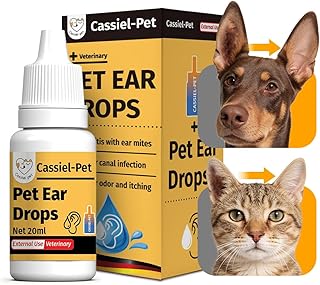


 VetWELL Ear Cleaner for Dogs and Cats
- Blanket Form: Comforter
- Theme: Animals
- Fabric Type: Nullify
As an Amazon Associate we earn from qualifying purchases at no extra cost to you. Ratings are shown as listed on Amazon.
As an Amazon Associate we earn from qualifying purchases.
🛒 Best Price Today on Amazon
Prime members get fast, free shipping on everything above, plus member-only deals. New members get a 30-day free trial — cancel anytime.
How to Choose the Best Dog Ear Cleaner Solution
The best dog ear cleaner solution is a maintenance product rather than a treatment, and that distinction shapes everything else. Understanding which dogs genuinely benefit, what the ingredients do and how often to clean prevents both the neglected ear and the over-cleaned one, which are equally common problems.
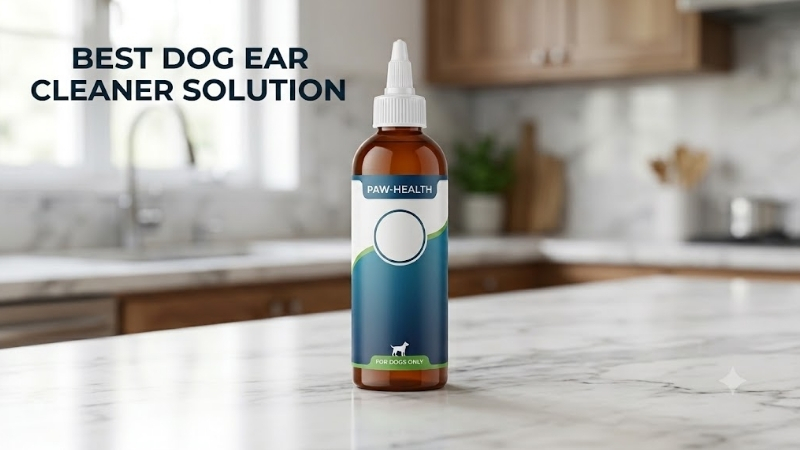
Which Dogs Actually Need Routine Cleaning
Floppy-eared breeds top the list every time. Cocker spaniels, basset hounds and similar dogs have poor airflow down the canal, which keeps the environment warm and humid, and that is exactly the condition in which yeast and bacteria multiply comfortably.
Dogs that swim need a routine as well. Water sitting in the canal after a lake or pool session softens the skin lining and creates the same damp environment, which is why retrievers and spaniels benefit from a drying cleaner after every proper swim.
Dogs with allergic skin disease often have recurring ear problems as part of the same picture. Those dogs usually have a cleaning schedule set by their vet rather than a general routine, since the ears are a symptom rather than an isolated grooming issue.
What the Ingredients Do
Drying agents are the core of most maintenance cleaners, and they are what separates the best dog ear cleaner solution from plain saline. Isopropyl alcohol, salicylic acid and similar ingredients evaporate moisture from the canal after swimming or bathing, though alcohol stings badly on skin that is already inflamed, which is one reason not to clean an angry ear.
Acidifiers such as acetic and boric acid make the canal less hospitable to yeast and bacteria without being medications. They appear in many veterinary-recommended maintenance cleaners and suit dogs prone to recurring problems who need something more than a plain wash.
Enzymatic and soothing formulas take a gentler route. Enzyme systems work on the surface without harsh drying agents, which suits sensitive dogs and puppies, while ceramides and aloe appear in products aimed at supporting the skin lining the canal itself.
Technique That Cleans Without Causing Harm
Fill the canal rather than dabbing at the opening. Lift the ear flap, squeeze enough solution to fill the canal without letting the bottle tip touch the ear, then massage the base of the ear for twenty to thirty seconds until you hear a squelching sound.
Let the dog shake, then wipe only what you can see. Shaking brings debris up from the canal, and wiping the visible part with cotton wool or gauze finishes the job, whereas pushing cotton buds down the canal packs debris deeper and risks real damage.
Expect a mess and plan for it. Dogs shake vigorously and solution goes everywhere, so cleaning ears outdoors, in a bathroom or with a towel draped over the dog saves you wiping the walls afterwards and makes you less likely to skip the routine.
When to Stop and Call a Vet
Some signs mean the ear needs examining before anything goes into it. A strong smell, dark or coloured discharge, redness, swelling, pain when touched, head shaking, tilting or scratching all suggest infection, which needs prescription treatment rather than a maintenance cleaner.
An eardrum that may be perforated is the other reason to stop. Cleaners are not designed to enter the middle ear, and your vet needs to check that the drum is intact before you flush anything into an ear that has been painful or discharging.
Hairy canals are worth a separate conversation. Some breeds grow hair inside the canal, and opinions differ on plucking it, so ask your own vet what they recommend for your dog rather than following general advice from a grooming forum.
Top Picks: Best Dog Ear Cleaner Solution Options for Routine Care
Every product in this best dog ear cleaner solution lineup ranges from veterinary standards through to gentle everyday washes. Choose based on whether you are drying ears after swimming, managing a dog prone to recurring problems, or simply keeping healthy ears clean every few weeks.
| Cleaner | Approach | Best for | Tier |
|---|---|---|---|
| Virbac Epi-Otic Advanced | Drying, anti-adhesive | Recurring problems | Veterinary line |
| Dechra MalAcetic Otic | Acetic and boric acid | Yeast-prone ears | Veterinary line |
| Zymox Ear Cleanser | Enzymatic | Sensitive dogs | Mid |
| Vet’s Best Ear Relief Wash | Soothing wash | General maintenance | Mainstream |
| TropiClean Ear Wash | Gentle wash | Routine cleaning | Budget |
Virbac Epi-Otic Advanced Ear Cleanser
This is the cleaner most vets reach for first, and for good reason. It dries the canal, discourages debris from sticking to the canal wall, and is gentle enough for regular use on dogs whose ears need attention weekly rather than occasionally.
It costs more than supermarket products and is easier to find through veterinary suppliers or online than in a general pet shop. Like any cleaner it is maintenance rather than treatment, so an ear that already smells or hurts needs an appointment instead.
Dechra MalAcetic Otic Cleanser
Dogs prone to yeast do well on an acidified cleaner. The acetic and boric acid combination makes the canal less welcoming to the organisms that cause recurring problems, and it is frequently part of a maintenance plan for dogs with allergic skin disease.
It stings on inflamed skin, so this is a product for healthy or settled ears rather than one to reach for during a flare. Speak to your vet about the right frequency, since over-use can irritate the canal it is meant to protect.
Zymox Ear Cleanser
Sensitive dogs and puppies suit a gentler enzymatic approach. There is no alcohol to sting, the formula works on the surface of the canal without harsh drying agents, and it is a reasonable choice for a dog that reacts badly to conventional cleaners.
It is milder, which means it does less for a genuinely dirty ear or a dog that swims constantly. It also costs more per bottle than mainstream washes, which matters if you are cleaning two ears every week through the summer.
Vet’s Best Ear Relief Wash
For general maintenance on healthy ears, this is a practical mainstream choice. It cleans debris effectively, includes soothing ingredients rather than aggressive drying agents, and is widely available at a price that suits regular use on a dog with no particular ear history.
It is not a substitute for a veterinary product on a dog with recurring infections. The scent is also noticeable, and some dogs object to it more than they do to plain clinical cleaners, which is worth knowing before buying a large bottle.
TropiClean Ear Wash
Budget-conscious owners with a healthy dog get an adequate routine cleaner here. It removes ordinary wax and debris, the aloe-based formula is gentle on the canal, and the price makes fortnightly cleaning easy to justify on a multi-dog household.
Cleaning strength is fairly modest, so heavy wax or a swimmer’s ears may need something with more drying action. It offers no benefit against yeast or bacteria either, making it a maintenance product for ears that are already in good condition.
Frequently Asked Questions
Owners ask the same questions about how often ears really need cleaning, whether household remedies are safe to use, and how to tell an ordinary dirty ear from an infection that needs professional attention.
How often should I clean my dog’s ears?
Every two to four weeks suits most dogs, with regular swimmers cleaned after each session in the water. Prick-eared dogs with clean, odour-free ears may need cleaning only occasionally, and over-cleaning irritates the canal, so more is not better here.
Can I use vinegar or hydrogen peroxide?
Both appear in home remedies and neither one is a good idea without veterinary advice first. Peroxide can damage the tissue lining the canal, and homemade dilutions are unreliable, so a properly formulated product is the safer choice for routine use.
Why does my dog shake his head afterwards?
Shaking is a normal part of the process and helps bring debris up from the canal. Persistent shaking hours later, or shaking accompanied by pain, smell or discharge, is different and suggests the ear needs examining rather than more cleaning.
Is a cleaner the same as ear drops?
No. The best dog ear cleaner solution is a maintenance product, while medicated drops containing antibiotics or antifungals are prescription treatments for a diagnosed infection. Using a cleaner on an infected ear delays the treatment the dog actually needs.
See More:
- Best robot vacuum dog hair
- Best robot vacuum cleaner for dog hair
- Best robotic vacuum cleaner for dog hair
- Best dog deshedding shampoo
Final Thoughts
The best dog ear cleaner solution for your dog depends on whether you are drying ears after swimming, maintaining a breed prone to problems, or simply keeping healthy ears clean. Fill the canal, massage the base, let the dog shake, and never push anything down the canal itself.





Write Your Review
No reviews yet. Be the first to share your experience!