
Key takeaways
- Using human shampoo: Human products are not formulated for canine skin and may aggravate dryness or irritation.
- Skipping the contact time: Rinsing immediately can make a medicated bath far less useful.
- Using hot water: Hot water can intensify itching and discomfort.
- Scrubbing damaged skin: Use gentle fingertip pressure; do not scrape scabs or rub raw spots.
- Mixing products without advice: Do not combine medicated shampoos, medicated wipes, dips, conditioners, or topical treatments unless your veterinarian says they are compatible.
- Applying conditioner automatically: Some conditioners may interfere with treatment or leave residue. Use one only if the shampoo label or veterinarian approves it.
- Letting the coat stay damp: Damp undercoat and skin folds can encourage odor and microbial overgrowth.
- Bathing too often on your own: More baths are not always better; excessive washing can dry the skin or disrupt a treatment plan.
Medicated shampoo can help manage skin problems such as bacterial or yeast overgrowth, greasy scaling, odor, and some types of dermatitis—but technique matters as much as the bottle. If you rush the bath, apply shampoo to a dry coat, rinse too soon, or leave residue behind, the active ingredients may not have time to work. Poor drying can also trap moisture against the skin, which may worsen irritation in dogs prone to yeast or hot spots.
Before starting, use a medicated shampoo recommended by your veterinarian or one labeled for your dog’s specific skin concern. In 2026, formulas vary widely in their active ingredients and contact-time instructions, so always follow the directions on your bottle if they differ from the general steps below. Never use human dandruff, acne, or antifungal shampoo on a dog unless a veterinarian specifically directs you to do so.
As an Amazon Associate we earn from qualifying purchases at no extra cost to you. Product prices and availability are accurate as of the date shown and are subject to change.


What You Need
| Item | Why | Optional? |
|---|---|---|
| Veterinarian-recommended medicated dog shampoo | Delivers the appropriate antibacterial, antifungal, antiseptic, or skin-supporting ingredients. | No |
| Non-slip bath mat or folded towel | Gives the dog secure footing in a tub, walk-in shower, or utility sink. | No |
| Brush or wide-tooth comb | Removes loose hair and separates mats so shampoo can reach the skin. | Usually |
| Lukewarm water and handheld sprayer, pitcher, or cup | Allows thorough wetting and controlled rinsing. | No |
| Cotton balls | Can lightly protect ear openings from splashes; remove them immediately after bathing. | Yes |
| Two to four absorbent towels | Blots away moisture without rough rubbing irritated skin. | No |
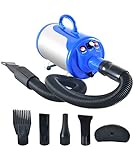
| Cool-air or low-heat pet dryer | Helps dry dense, double, curly, or long coats completely. | Yes |
| Disposable gloves | Useful if the dog has weeping sores, greasy skin, or an infection being treated. | Yes |
| High-value treats or lick mat | Helps create a calmer, more cooperative bathing routine. | Yes |
For a budget-minded antiseptic and antifungal option, Veterinary Formula Clinical Care Antiseptic & Antifungal Shampoo, 16 ounces, is commonly priced around $9 to $12. A smaller premium option is Douxo S3 PYO Medicated Dog Shampoo with 3% chlorhexidine, 6.7 fluid ounces, often priced around $25 to $30. Product choice should be based on your veterinarian’s guidance and the label’s intended use—not price alone.
Step-by-Step
1. Set up the bathing area (5 minutes)
Choose a contained, easy-to-clean location: a bathtub for small and medium dogs, a walk-in shower for large dogs, or a utility sink for dogs under roughly 20 pounds. Place a non-slip mat under your dog’s feet. Keep shampoo, towels, treats, and a timer within arm’s reach before bringing the dog in.
Use lukewarm water, approximately body temperature. Water that feels hot on your wrist is too hot for most dogs, especially those with inflamed skin. Close the bathroom door or use a leash tether only if it can be done safely and under supervision.
2. Brush out loose coat and check the skin (5 to 10 minutes)
Gently brush the coat before it gets wet. Water can tighten tangles into hard mats, and heavy matting prevents medicated shampoo from reaching the skin. Part the hair in several areas and look for redness, pustules, crusting, hair loss, open sores, fleas, or a strong sour or musty odor.
Stop and call your veterinarian before bathing if the dog seems painful, has large open wounds, is lethargic, or has swelling around the face. A bath is not a substitute for treatment when a skin problem is severe or spreading.
3. Wet the coat all the way to the skin (3 to 8 minutes)
Start at the neck and work toward the tail, using a gentle spray or a cup. Avoid spraying directly into the ears, eyes, nose, or mouth. Thick-coated breeds may take several minutes to saturate; use your fingers to separate the fur and make sure water reaches the skin.
Do not apply medicated shampoo to a mostly dry coat unless the label explicitly says to do so. Adequate wetting helps the product distribute evenly and reduces the temptation to use far more shampoo than necessary.
4. Apply the medicated shampoo in sections (5 minutes)
Shake the bottle if the label instructs you to. Apply small amounts in sections: shoulders, back, chest, sides, belly, legs, paws, and tail. For a 15- to 30-pound dog with a short coat, start with about 1 to 2 tablespoons. A 60- to 80-pound dog with a dense coat may need 1/4 cup or more, depending on the formula and label directions.
Massage with your fingertips rather than your nails. Focus on affected areas, but generally lather the full coat unless your veterinarian advises spot treatment. Carefully wash between toes, in skin folds, under the collar area, and around the base of the tail if those areas are affected. Keep shampoo away from the eyes and inner ear canal.
5. Maintain the label’s contact time (5 to 10 minutes)
This is the step most often missed. Many medicated shampoos need to remain on the skin for about 5 to 10 minutes before rinsing, but the bottle’s directions take priority. Set a timer rather than guessing.
Keep your dog warm and occupied during this interval. Offer treats, use calm praise, or spread a dog-safe food on a lick mat placed outside the splash zone. Do not let the dog lick shampoo from its coat. If your dog becomes distressed, try to rinse promptly and ask your veterinarian or groomer for strategies before the next bath.
6. Rinse until the water runs clear (5 to 10 minutes)
Rinse longer than you think you need to. Begin at the neck and move downward so suds do not run over already-clean areas. Lift legs and gently separate coat layers to rinse the armpits, groin, belly, paws, and under the tail.
Leftover shampoo can cause itching, flakes, dull fur, and irritation. Run your clean hand over the coat as you rinse; if it feels slippery or produces new foam when rubbed, keep rinsing.
7. Dry thoroughly and clean the setup (10 to 30 minutes)
Press towels into the coat to absorb water instead of vigorous rubbing. For short-haired dogs, towel drying may be enough in a warm home. Dogs with long, curly, double, or very dense coats should be dried fully with a pet dryer on cool air or low heat. Keep the nozzle moving and hold it at least 6 to 12 inches from the skin.
Do not use high heat on inflamed skin. Remove any cotton from the ears, reward your dog, and wash the bath mat and towels. Wipe down the tub or shower so yeast, debris, and loose hair do not linger in the bathing area.
Mistakes to Avoid
- Using human shampoo: Human products are not formulated for canine skin and may aggravate dryness or irritation.
- Skipping the contact time: Rinsing immediately can make a medicated bath far less useful.
- Using hot water: Hot water can intensify itching and discomfort.
- Scrubbing damaged skin: Use gentle fingertip pressure; do not scrape scabs or rub raw spots.
- Mixing products without advice: Do not combine medicated shampoos, medicated wipes, dips, conditioners, or topical treatments unless your veterinarian says they are compatible.
- Applying conditioner automatically: Some conditioners may interfere with treatment or leave residue. Use one only if the shampoo label or veterinarian approves it.
- Letting the coat stay damp: Damp undercoat and skin folds can encourage odor and microbial overgrowth.
- Bathing too often on your own: More baths are not always better; excessive washing can dry the skin or disrupt a treatment plan.
How Often
Frequency depends on the diagnosis, shampoo ingredients, coat type, and your dog’s response. A veterinarian may prescribe medicated baths two or three times weekly for a short treatment period, then reduce them to weekly or every other week for maintenance. Other dogs may need a different schedule entirely.
Follow the bottle and your veterinarian’s plan, especially when using chlorhexidine, antifungal, tar, sulfur, benzoyl peroxide, or keratolytic formulas. If the skin becomes noticeably drier, redder, flakier, or more uncomfortable after bathing, stop guessing about the schedule and contact the prescribing veterinarian.
When to Call a Pro or Replace
Call your veterinarian if your dog has worsening redness, bleeding, pus, a foul smell, widespread hair loss, intense itching, ear symptoms, feverish behavior, reduced appetite, or no improvement after the treatment period your veterinarian provided. Puppies, senior dogs, pregnant dogs, and dogs with chronic illnesses may need more individualized guidance.
A professional groomer can help with safe handling, coat drying, and removal of loose undercoat, but a groomer should not diagnose a skin condition. Tell the groomer exactly which medicated product is being used and whether your veterinarian has approved professional bathing.
Replace shampoo if it is past its expiration date, has changed color or smell, has separated in a way that does not resolve after shaking, was contaminated with bath water, or has been stored in extreme heat or freezing temperatures. Replace old towels or bath mats when they remain musty after laundering, since persistent odor can indicate trapped moisture or microbial buildup.
FAQ
Can I use medicated shampoo on my dog’s face?
Usually, avoid the eyes, lips, nose, and inner ears unless the product label and your veterinarian specifically say it is safe for facial use. Use a damp cloth around the face instead, and seek veterinary guidance for skin problems near the eyes or mouth.
Do I need to dilute medicated dog shampoo?
Only dilute it if the label directs you to. Some concentrates are designed for dilution, while others should be applied as packaged. Incorrect dilution can make the product less effective or harder to rinse.
Can I use regular shampoo after medicated shampoo?
Not unless your veterinarian or the product instructions recommend it. A regular shampoo can remove or dilute the medicated product, and adding products may make it harder to identify what is irritating the skin.
Why does my dog still smell after a medicated bath?
Persistent odor can mean the coat was not rinsed or dried thoroughly, but it can also signal an ongoing skin or ear problem. If the smell returns quickly—especially with redness, greasy skin, or itching—contact your veterinarian rather than increasing baths on your own.





Write Your Review
No reviews yet. Be the first to share your experience!