
Key takeaways
- Set up first: Keep your cleaner and a small towel by the door so the routine takes under two minutes and becomes automatic.
- Steady the paw: Support the leg gently, hold the paw from underneath, and avoid squeezing the toes.
- Apply the cleaner: Work a no-rinse foam like the Dog Paw Cleaner No Rinse Foam Cleaner or Wet Ones for Pets Antibacterial Paw Cleaner into the pads and between the toes.
- Wipe and dry: Towel each paw thoroughly, since trapped moisture between the toes invites yeast and irritation.
Every walk sends your dog across a surprising mix of surfaces: salted winter sidewalks, lawn treated with fertilizer, hot summer asphalt, muddy trails, and gritty city pavement. All of that collects in the fur between the pads and in the tiny webbing between the toes, where it can trigger licking, redness, and tracked-in dirt across your floors. A two-minute paw clean after each outing is one of the simplest habits that keeps a dog comfortable and a home cleaner.
This guide walks through why post-walk paw care matters, the exact steps to do it without a wrestling match, and how to choose between the main product types, from no-rinse foams to protective balms. Whether you have a tiny toy breed or a 70-pound retriever, the routine below scales to fit.
Our top picks




As an Amazon Associate we earn from qualifying purchases at no extra cost to you.
⚡ Save on Your Next PC — Amazon Prime
Prime members get fast free shipping on the systems above, plus early access to Prime Day & Black Friday PC deals. New members get a 30-day free trial.
Watch: How to Clean Your Dog’s Paws After Walks — Video Review
Why Post-Walk Paw Cleaning Matters
Paws are the one part of your dog that touches every contaminated surface directly. Road salt and ice-melt chemicals are drying and irritating, and dogs often lick them off, which can upset the stomach. Lawn chemicals, pollen, and pesticide residue collect in the fur and sit against the skin. Cleaning within a few minutes of getting home removes these irritants before your dog has a chance to lick, and it lets you spot cuts, cracked pads, or a lodged foxtail early.
The Basic Step-by-Step Routine
- Set up first: Keep your cleaner and a small towel by the door so the routine takes under two minutes and becomes automatic.
- Steady the paw: Support the leg gently, hold the paw from underneath, and avoid squeezing the toes.
- Apply the cleaner: Work a no-rinse foam like the Dog Paw Cleaner No Rinse Foam Cleaner or Wet Ones for Pets Antibacterial Paw Cleaner into the pads and between the toes.
- Wipe and dry: Towel each paw thoroughly, since trapped moisture between the toes invites yeast and irritation.
Choosing Your Cleaning Method
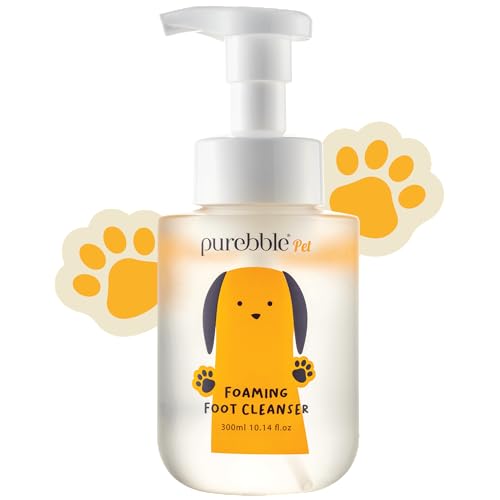
No-rinse foams and sprays are the fastest option for daily use. A foaming cleanser with a built-in silicone brush lets you scrub and lift dirt in one motion, while a spray such as the Divine Canine Coconut No-Rinse Wash suits dogs that dislike being handled for long. For heavily soiled trail paws, a plant-derived foaming cleanser around 6.8 fl oz gives you enough product to clean all four paws generously without rationing.
Don’t Forget Pad Protection
Cleaning removes irritants, but dry winter air and hot pavement still crack pads over time. A balm like the Natural Dog Company Paw Soother, with coconut oil and calendula, rubs into cracked pads after cleaning and drying. A small 0.15 oz stick lives easily in a pocket or by the leash for quick post-walk touch-ups on rough or peeling pads.
Building It Into a Habit
Consistency beats intensity. Pair paw cleaning with an existing routine, such as unclipping the leash, so it happens every single time. Dogs that are cleaned regularly stop resisting within a week or two because the sensation becomes familiar and is often followed by a treat.
Tips
- Introduce paw handling slowly with treats before you ever add product, so the paw touch itself is a positive.
- Keep a kit like the Leopong Dog Paw Cleaner Kit near each door your dog uses to avoid excuses on busy days.
- Always dry between the toes; lingering moisture is the number-one cause of post-cleaning irritation.
- After walks in ice-melt or on hot asphalt, clean immediately rather than waiting, since chemicals and heat act fast.
Frequently Asked Questions
Do I really need to clean my dog’s paws after every walk?
Not every walk requires a deep clean, but a quick wipe after any outing on treated pavement, salted roads, or muddy ground is worthwhile. On clean grass in dry weather, a simple towel-off is often enough.
Are no-rinse paw cleaners safe if my dog licks them?
Reputable pet paw cleaners are formulated to be safe if a dog licks a small residual amount, but you should still towel-dry to minimize licking and follow the label. Avoid using human hand sanitizer, which is not safe for paws.
My dog hates having his paws touched. What can I do?
Desensitize gradually. Touch one paw, give a treat, and stop. Over several days, build up to holding the paw longer, then to applying product. A spray cleaner can also reduce handling time for sensitive dogs.
How do I know if a pad is cracked versus just dirty?
After cleaning, look for splits, rough peeling texture, redness, or bleeding. Clean pads feel firm and smooth. Persistent cracking, limping, or a foul smell between the toes warrants a vet check.
Conclusion
Post-walk paw care is a small habit with an outsized payoff: fewer irritants against the skin, less licking, cleaner floors, and an early-warning system for cuts and cracks. Keep a no-rinse cleaner and a protective balm by the door, work through the paws in under two minutes, and dry thoroughly between the toes. Do it consistently and your dog will barely notice the routine, while their paws stay healthier through every season.

Write Your Review
No reviews yet. Be the first to share your experience!