
Mats are more than an eyesore; a tight mat pulls painfully on the skin, traps moisture and dirt, and can hide sores or parasites underneath. Long-haired cats are especially prone to them, particularly in high-friction spots like behind the ears, under the legs, and along the belly. The good news is that regular brushing prevents almost all matting before it starts.
Brushing also cuts down on hairballs and shedding while giving you a chance to check your cat’s skin. This guide covers the right tools, technique, and schedule to keep your cat’s coat smooth and mat-free, along with what to do if you find a mat already forming.
Our top picks
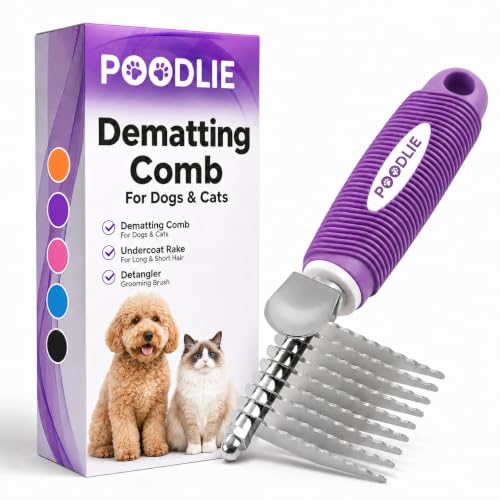 Poodle Dematting Fur Rake Comb Brush for
- #1 DIY Pet Groom Tool: Our pet grooming…
- Designed to gently & effectively remove knots, matted…
- With convenient hanging hole! Featuring a handle that…
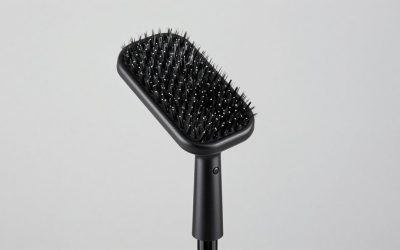
 Aumuca Cat Brush for Shedding
- Hair Type: All
- Item Dimensions L x W x H: 4.05"L x 1.54"W x 9.64"H
- Bristle Material: Stainless Steel
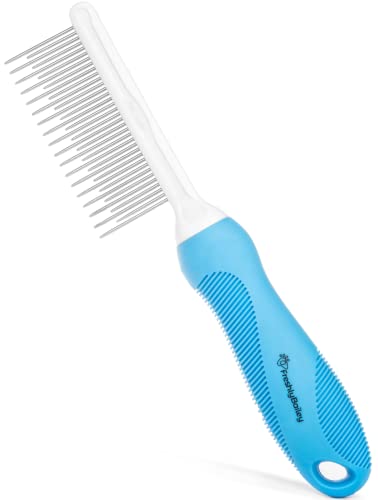 Grooming Comb for Long & Curly Hair
- Designed to make cat grooming easier
- Best dog comb for any poodle mix
- A great comfortable grip makes grooming easier and…



As an Amazon Associate we earn from qualifying purchases at no extra cost to you.
⚡ Save on Your Next PC — Amazon Prime
Prime members get fast free shipping on the systems above, plus early access to Prime Day & Black Friday PC deals. New members get a 30-day free trial.
Watch: How to Brush Your Cat’s Fur to Prevent Matting — Video Review
Why Cats Mat and Where to Watch
Mats form when loose, shed hair tangles with the living coat and is not removed. They develop fastest in areas of friction and movement: behind the ears, in the armpits, on the belly, around the collar, and near the rump. Long-haired breeds, seniors who groom less, and overweight cats who cannot reach everywhere are most at risk, so check these zones regularly.
Choosing the Right Brushes
Different coats and tasks call for different tools. A slicker brush like the Burt’s Bees for Pets slicker removes loose fur and prevents matting on most coats, while a dematting comb or undercoat rake such as the Poodle dematting fur rake works through tangles and thick undercoat on long-haired cats. A dual-sided dematting-and-deshedding brush covers both jobs in one tool.
- Slicker brush for everyday loose-hair removal and finishing
- Dematting comb or undercoat rake for tangles and dense undercoat
- A fine comb to check for remaining knots after brushing
- A deshedding tool for heavy seasonal shedding
The Right Brushing Technique
Brush in the direction of hair growth using gentle strokes, starting at the head and working toward the tail. Be extra careful over the belly and legs, where the skin is thin and sensitive. Hold the base of the fur near the skin when working a tangle so you do not tug the skin, and let your cat set the pace, stopping before they get irritated. A few short sessions beat one long, tense one.
Dealing With Mats You Find
For a small, loose mat, hold the fur at the base and gently tease it apart with your fingers or a dematting comb, working from the outer edge inward. Never pull hard or cut a mat out with scissors, since it is dangerously easy to nick the skin underneath. Tight or large mats are best left to a groomer or vet, who can shave them safely.
Tips
- Brush long-haired cats daily and short-haired cats a couple of times a week to stay ahead of tangles.
- Always hold the fur at its base when working a knot so you do not pull painfully on the skin.
- Focus on the friction zones behind the ears, under the legs, and on the belly where mats form first.
- Keep sessions short and positive, ending with a treat so your cat looks forward to brushing.
Frequently Asked Questions
How often should I brush my cat?
Long-haired cats need daily brushing to prevent mats, while short-haired cats do well with brushing two or three times a week. Increase frequency during heavy shedding seasons, when loose hair accumulates faster and tangles more easily.
Should I cut out a mat with scissors?
No. Cutting a mat with scissors is a common cause of accidental skin injuries, because the skin often tents up into the mat. Tease small mats apart gently by hand or comb, and leave tight or large mats to a professional groomer.
What is the best brush for a long-haired cat?
A combination approach works best: a dematting comb or undercoat rake to work through tangles and dense undercoat, followed by a slicker brush to remove loose hair and smooth the coat. A dual-sided tool can handle both steps.
My cat hates being brushed. What can I do?
Start with very short sessions in a calm moment, brush a favorite spot first, and reward heavily with treats. Build up gradually. A soft-tipped brush or grooming glove often feels more like petting and is easier for a resistant cat to accept.
Conclusion
Preventing mats is far easier and kinder than removing them. Brush regularly, focus on the friction zones where tangles start, use the right tool for your cat’s coat, and always support the fur at the base to keep it painless. Handle small tangles gently and by hand, leave tight mats to a professional, and your cat will stay comfortable with a smooth, healthy coat all year round.





Write Your Review
No reviews yet. Be the first to share your experience!