
Key takeaways
- Choosing between steel and ceramic grooming blades is less about picking the “better” material and more about matching the blade to your routine. A steel blade is familiar, widely available, easy to sharpen, and usually less expensive to replace. A…
Choosing between steel and ceramic grooming blades is less about picking the “better” material and more about matching the blade to your routine. A steel blade is familiar, widely available, easy to sharpen, and usually less expensive to replace. A ceramic blade can stay cooler during extended clipping and resist some forms of corrosion, but it often costs more and may be more vulnerable to impact damage.
The real decision for a home buyer is how often the blade will be used, whether it will cut human hair or pet coats, how much maintenance is realistic, and what happens if the blade is dropped. A short trim every few weeks has different needs from a household grooming several dogs or cutting hair for multiple family members. Blade size, tooth pattern, clipper compatibility, and the condition of the motor matter just as much as the blade material.
Our top picks


As an Amazon Associate we earn from qualifying purchases at no extra cost to you. Ratings are shown as listed on Amazon.
Quick Verdict
Choose steel if you want the lowest purchase price, broad compatibility, easy sharpening, and a blade that can tolerate the occasional bump. Steel is the practical all-purpose choice for most homes, especially when grooming sessions are short or infrequent.
Choose ceramic if you groom for long stretches, work with thick coats, or want to reduce heat transferred to skin during repeated passes. Ceramic cutting surfaces typically stay cooler than steel, but ceramic blades still require oil, careful cleaning, and compatible clipper equipment. They are not maintenance-free, and the ceramic portion can chip if the blade is dropped.
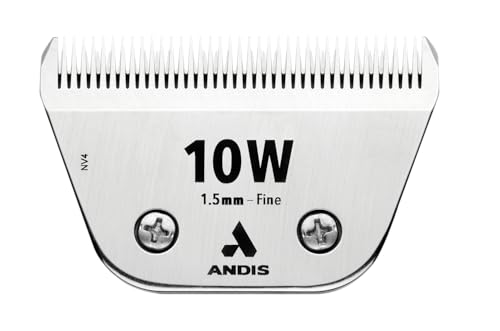
For context, current replacement pricing ranges from roughly $10 to $30 for many standard steel blades and about $25 to $50 for many ceramic or ceramic-tipped options. Specialty widths, finishes, and professional sizes can cost more. The Andis 64260 ceramicEDGE Detachable Blade, Size 30, 1/50-inch cut, is listed for under $30, while the Andis 561460 ceramicEDGE Wide Blade, #10W Fine Tooth, Stainless Steel, is under $40.
Side by Side
| Factor | Steel grooming blades | Ceramic grooming blades |
|---|---|---|
| Comfort | Can become warm during long sessions; temperature depends on blade design and clipper speed. | Usually transfers less heat to the skin during extended use, though the surrounding metal still warms. |
| Durability | Resists everyday knocks and is less likely to chip; can dull, rust, or corrode without care. | Cutting surface resists corrosion and stays sharp well, but ceramic can chip or crack if dropped. |
| Price range | About $10–$30 for common replacement blades; specialty models may cost more. | About $25–$50 for common replacement blades, with professional versions sometimes higher. |
| Maintenance | Brush hair away, disinfect as directed, dry completely, and apply clipper oil. | Needs the same cleaning and oiling routine; do not assume ceramic eliminates lubrication. |
| Space needed | Usually uses the same compact storage as a ceramic blade; many are about 1.5–2.5 inches wide. | Storage needs are essentially the same, but protective storage is especially useful against drops. |
| Look | Traditional silver, black, or coated-metal appearance with many finish choices. | Often has a contrasting white, black, or colored ceramic insert with a more technical appearance. |
| Resale | Broad compatibility and lower replacement cost can make used clippers easier to outfit. | Can add appeal to a professional-style setup, but buyers must confirm exact compatibility. |
| Best for | Occasional trims, general household use, easy replacement, and owners who value repairability. | Long grooming sessions, thick coats, frequent use, and users prioritizing cooler operation. |
| Damage risk | Usually dents or dulls before it breaks; damage is often visible and repairable. | Metal parts remain sturdy, but the ceramic cutting component needs protection from impact. |
Where Steel Wins
Steel’s biggest advantage is its forgiving ownership experience. If a blade falls from a counter approximately 30 to 36 inches high, a steel assembly may pick up a nick or lose alignment, but it is less likely to fracture than a ceramic cutting insert. That matters in a busy bathroom, laundry room, or grooming station where tools are frequently moved.
Steel also offers the widest selection. You can find detachable blades, adjustable blades, fine-tooth designs, skip-tooth designs, wide blades, and multiple cutting lengths. A #10 blade, for example, commonly leaves hair around 1/16 inch long, while other sizes are designed for longer or shorter finishes. Always check the manufacturer’s chart because numbered sizes and attachment systems are not universally interchangeable.
Sharpening is another practical benefit. A reputable sharpening service can restore many steel blades, while a ceramic insert may require replacement if the ceramic is chipped or damaged. That does not mean every steel blade should be sharpened indefinitely: worn springs, bent teeth, corrosion, and poor alignment can make replacement the safer choice.
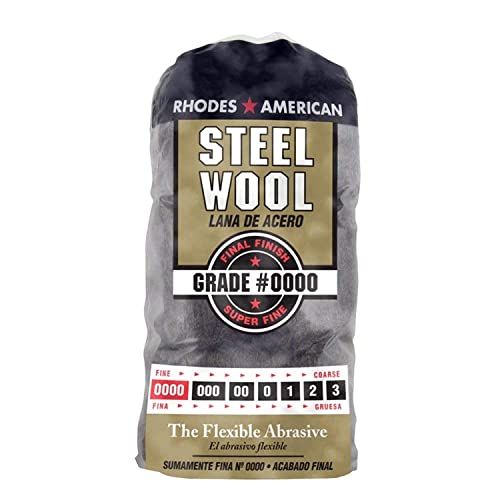
Steel is also easy to fold into a larger household maintenance kit. A 12-pad package such as the HOMAX PRODUCTS TV713206 #0000 Steel Wool Pad, priced at $4.98, belongs to the broader steel-care category, although steel wool should not be used on grooming blades. For grooming equipment, use the brush and disinfectant recommended for the clipper, followed by clipper oil rather than abrasive material. A decorative or gift item such as Steel Magnolias, priced for under $20, is unrelated to blade performance but illustrates why “steel” can describe many different household products; the grade and intended use matter.
Where Ceramic Grooming Blades Wins
Ceramic’s clearest advantage is heat management. During a long session, a moving steel blade can become uncomfortable against skin, particularly when the clipper runs continuously and the blade is not changed or cooled. Ceramic cutting surfaces generally conduct less heat than steel, which can make repeated passes more comfortable. The exact result depends on the clipper’s motor, blade tension, hair resistance, room temperature, and whether the blade is oiled.
This benefit is most noticeable for owners grooming thick or dense coats, trimming several animals, or working slowly around sensitive areas. A ceramic blade is not automatically safer: users still need to check the temperature with the back of a finger, stop when the blade feels hot, and follow the clipper maker’s cooling guidance.
Ceramic also resists rust and corrosion at the cutting surface. That is useful when hair, dander, moisture, and disinfectant are part of every session. However, the blade’s metal components can still corrode if they remain wet, and oil is still necessary to reduce friction. Ceramic is best understood as a cooler-running cutting option, not a zero-care product.
Replacement choices include models such as the Andis 64260 ceramicEDGE Size 30, with a 1/50-inch cut, and the wider Andis 561460 ceramicEDGE #10W Fine Tooth, Stainless Steel. Their prices—under $30 and under $40, respectively—show why ceramic can require a larger upfront budget. Confirm the hinge, width, tooth pattern, and clipper model before buying.
Cost Over 5 Years
A simple five-year budget helps put the higher ceramic price in perspective. Suppose an occasional home user buys one blade at $18, replaces it once at year three, and spends about $5 per year on cleaning supplies and oil. The estimated five-year total is $46. A steel blade in the $25 range, replaced once, would be about $55 with the same $5-per-year maintenance allowance.
For a frequent user, the difference can reverse. Imagine buying a $35 ceramic blade and replacing it once during five years, plus $5 per year for care: approximately $75. A $20 steel blade replaced twice would total about $70. Those estimates exclude the clipper, sharpening, shipping, damaged blades, and specialty attachments, so they are planning examples rather than guaranteed ownership costs.
The most important cost factor is premature damage. A ceramic blade that lasts through long sessions can justify its price, while a ceramic insert that is dropped soon after purchase is an expensive lesson. For either material, regular oiling and dry storage are usually cheaper than frequent replacement.
Which One for Your Home
Small apartment
Pick steel for occasional self-trims or one small pet. It costs less, is easy to store in a drawer, and offers plenty of replacement options. A compact clipper and one general-purpose blade may be all you need. Choose ceramic if your apartment household includes a pet with a dense coat and grooming sessions regularly run longer than 20 to 30 minutes.
Family with kids or pets
Steel is usually the better starting point because it tolerates hurried handling and is less stressful to replace. If several people or animals share the clipper, buy separate blades or disinfect thoroughly between users. A ceramic blade makes sense as a second blade for long pet-grooming sessions, when heat becomes a recurring comfort problem.
Rental
Steel offers the best value for a renter who wants a practical, replaceable tool without building a permanent grooming station. Keep the blade in a small case, away from bathroom humidity, and avoid storing it loose where it can fall. Ceramic is worthwhile only when its cooler operation solves a specific problem.
Long-term home
Frequent groomers may benefit from owning both: a dependable steel blade for general work and a ceramic blade for extended sessions or sensitive areas. This setup spreads wear, gives you a backup, and lets you choose the correct tooth pattern and cutting length for each job. Keep a spare compatible blade rather than relying on one specialty model.
FAQ
Are ceramic grooming blades sharper than steel?
Not automatically. Sharpness depends on manufacturing quality, tooth geometry, alignment, and wear. Ceramic can retain a sharp cutting edge well, while steel can also perform exceptionally when cleaned, oiled, and professionally sharpened as needed.
Do ceramic blades need oil?
Yes. Most ceramic blades have moving metal parts and contact surfaces that need lubrication. Follow the clipper manufacturer’s oiling points and avoid excess oil, which can attract hair and debris.
Can I use a ceramic blade on any clipper?
No. Compatibility depends on the clipper’s hinge, blade mount, width, drive system, and intended blade family. Verify the exact model before purchasing, particularly with detachable and wide blades.
How often should I replace a grooming blade?
Replace it when teeth are bent or missing, the blade pulls hair despite proper cleaning and oiling, rust cannot be removed safely, or alignment is unreliable. Usage varies widely, so condition matters more than a fixed calendar. With proper care, a home-use blade may last years, while frequent professional-style use can require servicing or replacement much sooner.





Write Your Review
No reviews yet. Be the first to share your experience!