
Our Top Picks
 Burts Bees for Pets Oatmeal Dog Shampoo with16 Fl Oz (Pack of 1)2.38 x 2.38 x 8.25 inches1.13 PoundsCheck on Amazon
Quick answer: You can use human shampoo on a dog once in a real pinch, but it is not a good routine choice. Human skin is acidic, with a pH of about 5.5 to 5.6, while dog skin is closer to neutral, roughly 6.2 to 7.4. Regular use of human shampoo can disrupt the skin’s protective layer and lead to dryness, itching, and flaking. For ongoing baths, use a shampoo made for dogs.
Last updated: October 2026. Disclosure: some links on this page are affiliate links, and we may earn a commission at no extra cost to you.
Why the answer is “rarely, and only in an emergency”
Most veterinary and pet-care sources agree on the same basic point: a single wash with a mild human shampoo is unlikely to cause lasting harm to a healthy dog, but it is not recommended as a long-term solution. The trouble comes from repeating it. Shampoos formulated for people are designed around human skin chemistry, and dogs are built differently.
The pH difference
Skin has a thin protective film called the acid mantle, which helps keep bacteria, yeast, and parasites in check. Human skin sits at a pH of roughly 5.5 to 5.6, which is acidic. Dog skin is more neutral, commonly cited at about 6.2 to 7.4. A shampoo balanced for the human range can throw off the canine skin barrier, leaving it more open to irritation and infection.
Thinner skin
Dog skin has far fewer cell layers than human skin, reported as about 3 to 5 layers versus about 10 to 15. That means irritants reach deeper sooner, and a product that feels mild on your scalp can still bother your dog.
Ingredients and rinsing
Human shampoos often contain strong fragrances, dyes, and sulfate detergents meant to strip oil from hair. On a dog, those can cause redness, itching, and flaking. Some human formulas are also harder to rinse out of a dense coat, and leftover residue can itch for days.
Quick facts at a glance
- One-off use in an emergency is generally considered acceptable for a healthy adult dog.
- Regular use may cause dry, itchy, flaky skin and can lead to over-bathing as you try to fix the problem.
- Baby shampoo is milder than most adult shampoos, but it is still made for human skin.
- Medicated human products, such as dandruff or anti-lice shampoos, should not be used on dogs.
- Dogs with skin conditions, allergies, or open sores should not be washed with human products. Ask your vet.
- Puppies, seniors, and dogs on medication need extra care.
Human shampoo vs dog shampoo
| Feature | Human shampoo | Dog shampoo |
|---|---|---|
| Target skin pH | About 5.5 to 5.6 (acidic) | Formulated for about 6.2 to 7.4 (near neutral) |
| Skin thickness considered | Thicker human skin | Thinner canine skin |
| Cleansers | Often strong detergents and fragrance | Usually milder, with soothing ingredients |
| Best use | People | Routine baths and skin concerns |
| Risk with repeated use | Dryness, itching, flaking, irritation | Lower when matched to coat and skin |
What to do if you are out of dog shampoo
If you truly cannot get dog shampoo, follow this order of preference.
- Try plain lukewarm water first. If your dog is only a little dirty, a thorough water rinse with a towel dry may be enough. It is the gentlest option for sensitive skin.
- Use dog wipes for spot cleaning. Unscented, dog-formulated wipes are useful for paws, belly, and rear end between baths. See our wipes pick below.
- If a full bath is unavoidable, choose the mildest option available. A tear-free baby shampoo with no added fragrance or medication is generally considered the lesser evil. Some sources also say a small amount of plain dish soap can work for a single wash of a greasy or dirty dog. Neither is ideal.
- Use a tiny amount and dilute it. Mix a small amount of the product in a cup of warm water before applying, and keep it away from the eyes, nose, and mouth.
- Rinse extremely well. Rinse until the water runs clear and the coat no longer feels slippery. Leftover soap is a common cause of itching.
- Go back to a dog shampoo for the next bath. Treat the human product as a one-time fix, then watch the skin for redness, flaking, or scratching.
Which human products are never a good idea?
| Product | Verdict | Why |
|---|---|---|
| Medicated dandruff shampoo | Avoid | Active ingredients can be too harsh or harmful if licked |
| Anti-lice or flea products made for people | Avoid | Not formulated or dosed for dogs |
| Strongly fragranced or colored shampoo | Avoid | Higher chance of irritation |
| Two-in-one with conditioner and silicones | Avoid | Hard to rinse, residue can itch |
| Fragrance-free baby shampoo | One-time only | Mildest human option, still not dog-balanced |
| Plain dish soap | One-time only, if at all | Cuts grease but strips natural oils |
| Bar soap or body wash | Avoid | Drying and hard to rinse from a coat |
Skip home remedies that mix several ingredients unless your vet suggests them. Vinegar, lemon juice, and similar kitchen items can sting irritated skin and are not a proper replacement for a dog shampoo. Never use essential oil blends on your dog’s skin without veterinary guidance.
How to give a safe emergency bath, step by step
If you have decided a full wash cannot wait, a careful method matters as much as the product.
- Brush first. Remove tangles and loose hair before the coat gets wet, because mats tighten when wet and hold soap against the skin.
- Wet the coat with lukewarm water. Test it on your wrist. Start at the neck and work back, and avoid pouring water over the face.
- Dilute the shampoo. Mix a small amount with warm water in a cup so it spreads evenly without a concentrated patch on one spot.
- Lather gently down to the skin. Use your fingertips, not your nails, and skip any red or broken skin.
- Clean the face with a damp cloth. Keep product out of the eyes, ears, nose, and mouth.
- Rinse for longer than feels necessary. Rinse until the water is clear and the coat no longer feels slick, paying attention to armpits, belly, groin, and the base of the tail.
- Towel dry and keep your dog warm. A damp coat left to air dry can stay irritated, so dry thoroughly, and use a low-heat dryer only if your dog tolerates it.
- Monitor for 48 hours. Look for scratching, redness, or flaking, and switch back to a proper dog shampoo at the next bath.
Does coat type change the answer?
Yes. Short, smooth coats (Beagles, Boxers) show irritation quickly but rinse easily. Thick double coats (Huskies, Golden Retrievers) hold residue deep in the undercoat, so human shampoo that does not rinse well can leave itchy buildup near the skin. Curly or poodle-type coats tend to dry out and tangle more when stripped of oils. Hairless and thin-coated breeds have exposed skin that is more reactive. Puppies and senior dogs generally have more fragile skin, so avoid human products for them unless your vet agrees. If your dog has known allergies or a skin diagnosis, treat even a single human-shampoo bath as something to discuss with your vet first.
One more practical point: store dog shampoo where you can reach it easily, and keep a small travel bottle in your car or bag. Most “emergency” human-shampoo baths happen after a muddy walk, a trip away from home, or a run-in with something smelly, so a little planning removes the need to improvise. If your dog rolls in something unknown or potentially toxic, rinse with plain water and call your vet instead of experimenting with household products.
Signs your dog reacted badly
After any bath with a non-dog product, check the skin over the next day or two. Warning signs include:
- Redness, bumps, or hives.
- Frequent scratching, biting, or rubbing on the floor.
- Dry, flaky skin or a dull, coarse coat.
- Swelling around the face or eyes.
- Foul smell developing within days.
Rinse again with lukewarm water if you suspect leftover product, and call your vet if symptoms persist or worsen.
How to choose a proper dog shampoo
The right dog shampoo depends on your dog’s skin and coat. Sensitive or allergy-prone dogs usually do best with a gentle, fragrance-light or unscented formula. Our guide to dog shampoo for sensitive skin and the best hypoallergenic dog shampoos explain what to look for. If scratching is the main complaint, see our best dog shampoo for itchy skin picks.
| Dog type | Shampoo to look for |
|---|---|
| Normal skin, short coat | Mild, balanced cleansing shampoo |
| Dry, flaky skin | Oatmeal or aloe-based moisturizing formula |
| Sensitive or allergy-prone | Hypoallergenic, fragrance-free or lightly scented |
| Double coat, long hair | Gentle shampoo plus a dog conditioner, thorough rinsing |
| Puppies | Tear-free puppy formula |
| Skin infection or parasites | Only what your vet prescribes |
Products worth keeping on hand
A mild oatmeal dog shampoo
Burt’s Bees for Pets Oatmeal Dog Shampoo with Honey is an unscented, colloidal oat formula. The listing describes it as pH-balanced and sulfate-free for regular use, aimed at itchy, sensitive dog skin. It makes a sensible default so you never need a human substitute. The limitation is that it is a general-purpose shampoo; it will not treat infections or parasites, and very heavy coats may need a conditioner as well.
Burts Bees for Pets Oatmeal Dog Shampoo with Honey, Unscented, 16 Fl Oz | Soothing colloidal oat flour formula for itchy, sensitive dog skin, pH-balanced and sulfate-free for regular use
One of the home product options compared in this guide.
View on AmazonA hypoallergenic option for sensitive dogs
Natural Dog Company Sensitive Skin Dog Shampoo is a hypoallergenic oatmeal formula whose listing mentions aloe vera, manuka honey, and chamomile. It is intended for sensitive dogs and puppies and for odor control. One limitation is the small 12 oz size, which empties quickly with a large or thick-coated dog, and a dog with a diagnosed skin condition should use whatever the vet prescribes.
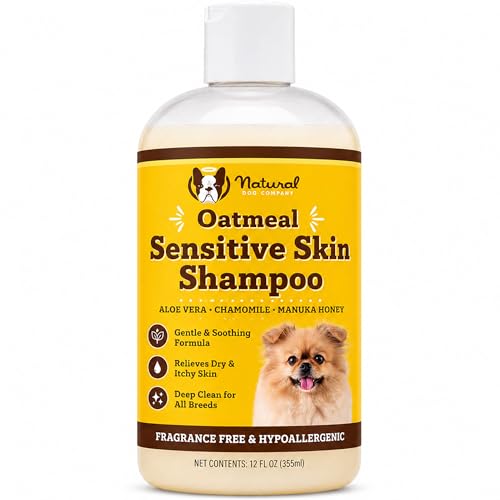
Natural Dog Company Sensitive Skin Dog Shampoo - 12 oz | Hypoallergenic Oatmeal Anti Itch Shampoo, Gentle Puppy & Dog Wash with Aloe Vera, Manuka Honey & Chamomile, Odor Control
Chosen because it is hypoallergenic.
View on AmazonDog wipes for between-bath cleanups
Earth Rated Dog Wipes are unscented, hypoallergenic wipes designed for paws, body, and rear end. They are a handy alternative when a full bath is not needed, and they remove the temptation to reach for a human product. The limitation is that wipes only spot clean: they will not deep clean a muddy or greasy coat, and they can irritate skin if used on open sores.
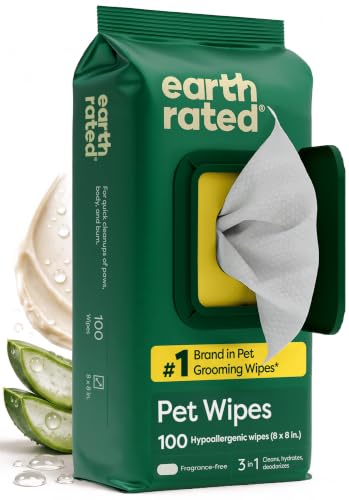
Earth Rated Dog Wipes for Paws & Butt, Deodorizing, Unscented, 100ct | Hypoallergenic, 3-in-1 Cleaning and Hydrating, for Grooming Paws, Body and Butt
Chosen because it is hypoallergenic.
View on AmazonMistakes to avoid when bathing a dog
| Mistake | Problem | Fix |
|---|---|---|
| Making human shampoo a habit | Repeated skin barrier disruption | Keep a dog shampoo on hand |
| Using hot water | Dries and irritates skin | Use lukewarm water |
| Skipping the rinse | Residue itches and flakes | Rinse until the coat feels clean, not slick |
| Washing the face directly | Soap in eyes, nose, and mouth | Use a damp cloth on the face |
| Bathing too often | Removes natural oils | Follow product and vet guidance |
| Ignoring skin problems | A bath will not fix infections | See your vet for persistent symptoms |
When to see a vet or professional groomer
Contact your vet if your dog has red, raw, or flaking skin, constant itching, hair loss, a strong smell, ear problems, or any reaction after bathing with a human product. Call right away if the shampoo got into the eyes, nose, or mouth and irritation does not settle after rinsing, or if your dog swallowed a notable amount of any shampoo or soap. A professional groomer can bathe your dog with suitable products if you cannot get to the store, and can recommend a shampoo matched to the coat.
Frequently asked questions
Is it OK to use human shampoo on a dog once?
Yes, a single wash with a mild shampoo is generally not harmful to a healthy dog. Use a small amount, rinse thoroughly, and return to a dog shampoo afterward.
Can I use baby shampoo on my dog?
Baby shampoo is the mildest human option and is often listed as an emergency substitute. It is still formulated for human skin, so use it only occasionally, and choose a fragrance-free version.
Can I use dish soap to wash my dog?
Dish soap may be used once for a very greasy dog, but it can strip natural oils and dry the skin. It is not a substitute for dog shampoo, and it should not be used regularly.
Why is human shampoo bad for dogs?
It is formulated for the acidic pH of human skin, while dog skin is closer to neutral. That mismatch can disturb the skin barrier and cause dryness, itching, and irritation over time.
Can I use Head and Shoulders or other dandruff shampoo on my dog?
No, it is best to avoid it. Medicated human shampoos contain active ingredients that can be harsh on dogs, and a dog may lick them off. Ask your vet if your dog has flaky skin.
What can I use if I have no dog shampoo?
Start with plain lukewarm water and a towel dry or a dog wipe. If a full wash is needed, a small amount of fragrance-free baby shampoo, well rinsed, is the usual stopgap.
What happens if I wash my dog with human shampoo too often?
The skin can become dry, itchy, and flaky, and the coat may turn dull. Some dogs develop redness or secondary skin problems, so see your vet if symptoms persist.
Can I use dog shampoo on a cat?
Not routinely. Cats need products made for them, and some dog flea or medicated products are dangerous to cats. Check with your vet before using any dog product on a cat.
Bottom line
A one-time wash with a mild human shampoo will usually not hurt a healthy dog, but it is a stopgap, not a routine. Keep a gentle dog shampoo and a pack of wipes at home, rinse thoroughly, and ask your vet before using anything on skin that is already red, flaky, or sore.


Write Your Review
No reviews yet. Be the first to share your experience!