
Our Top Picks
 Best for Scaly, Greasy SkinVeterinary Formula Clinical Care Antiparasitic & Antiseborrheic Wash16 Oz2.38 x 2.28 x 8 inches1 poundsCheck on Amazon
Pros & cons
- pH-balanced formula is designed to support dogs safely
- Oatmeal and allantoin ingredients are included for gentle hydration
- Coal tar and salicylic acid formula targets flakes and odor
- Medicinal scent signals active ingredients but is not fragrance-free
- Some initial flaking is expected as a normal part of use
 Best Antifungal-Style WashVeterinary Formula Clinical Care Antiseptic & Antifungal Shampoo16 Fl Oz (Pack of 1)2.38 x 2.28 x 8 Inches1.15 poundsCheck on Amazon
Pros & cons
- pH-balanced formula is designed to be paraben and soap free
- Suitable for use on both dogs and cats over 12 weeks
- Twice-weekly use schedule tapers to weekly for maintenance
- Requires a 5 to 10 minute soak for full effect
- Spot-checking a small area first is recommended
Pros & cons
- Veterinary-strength formula is made without sulfates or parabens
- Aloe-based formula targets itchy and irritated skin
- Works for both dogs and cats in one bottle
- Medicated formula is more targeted than an everyday cleansing shampoo
- Listing does not specify bottle dimensions or weight
 Best for Allergy-Prone SkinTropiClean OxyMed Hypoallergenic Dog Shampoo for Allergies and20 oz2.75 x 2.75 x 9.5 inches1.3 poundsCheck on Amazon
 Burts Bees for Pets Oatmeal Dog Shampoo with16 Fl Oz (Pack of 1)2.38 x 2.38 x 8.25 inches1.13 PoundsCheck on Amazon
Quick answer: No shampoo can regrow a dog’s coat on its own, because hair loss is almost always a symptom of something else: allergies, parasites, infection, hormones or friction. What a good shampoo can do is keep the skin clean and comfortable while you and your vet find the cause. Green Coat Natural Dog Shampoo for Hair Loss is our top gentle pick for everyday support, and Veterinary Formula Clinical Care Antiseborrheic is the runner-up when a vet has pointed toward scaly, greasy skin.
Disclosure: we may earn a commission if you buy through links or product cards on this page, at no extra cost to you. Last updated: October 2026.
Search results for “shampoo for dog hair loss” often blur two different problems. Shedding is normal: dogs drop old hair, especially in spring and autumn. Hair loss, or alopecia, means patches, thinning or bare skin, and it deserves a closer look. This guide covers seven shampoos that fit a dog with sensitive, irritated or thinning-coat skin, three extras for heavy shedders, and clear advice on when to stop shopping and call a vet.
Top Picks at a Glance
- Best Overall: Green Coat Natural Dog Shampoo for Hair Loss
- Best for Scaly, Greasy Skin: Veterinary Formula Clinical Care Antiparasitic and Antiseborrheic Wash
- Best Antifungal-Style Wash: Veterinary Formula Clinical Care Antiseptic and Antifungal Shampoo
- Best for Itchy Skin with Odor: Pet Honesty Chlorhexidine Shampoo
- Best for Allergy-Prone Skin: TropiClean OxyMed Hypoallergenic Shampoo
- Best Gentle Budget Option: Burt’s Bees Oatmeal Shampoo with Honey
- Best for Shedding Control: Shed-X Shed Control Shampoo
Hair Loss vs Shedding: Know Which You Have
Normal shedding is spread evenly over the body, the skin underneath looks healthy, and the coat still looks full. Hair loss shows up as bald patches, thin areas, a moth-eaten look, or hair that falls out along with redness, scabs, flakes or a strong smell. Veterinary sources such as PDSA list parasites like fleas and mites, allergies, ringworm, bacterial or fungal infection, thyroid or adrenal disease, stress licking and friction as common causes. A shampoo cannot treat a hormone problem, and a medicated wash used without a diagnosis may do nothing or make things worse.
Comparison Table: Our Seven Picks Side by Side
| Product | Best For | Key Feature (from listing) | Size Shown | Watch For | Price Tier |
|---|---|---|---|---|---|
| Green Coat Hair Loss Shampoo | Thin or patchy coats, gentle care | Grapeseed, aloe and cedarwood; made in USA | 16 fl oz | Cedarwood: keep away from cats | Mid-range |
| Veterinary Formula Antiseborrheic | Dry, irritated, scaly skin | Medicated, supports dry irritated skin | 16 oz | Ask a vet before use | Budget |
| Veterinary Formula Antifungal | Scaly, greasy, red skin | Antiseptic and antifungal, free of parabens, dyes and soap | 16 oz | Medicated; vet guidance advised | Budget |
| Pet Honesty Chlorhexidine | Itchy, smelly skin | Chlorhexidine, no sulfates | 16 oz | Antiseptic; ask your vet | Mid-range |
| TropiClean OxyMed | Allergies and itching | Hypoallergenic, tearless | 20 oz | Does not treat the cause | Mid-range |
| Burt’s Bees Oatmeal | Sensitive, itchy skin | Colloidal oat flour, pH-balanced, sulfate-free | 16 fl oz | Lathers lightly | Budget |
| Shed-X Shed Control | Heavy seasonal shedding | Vitamins and antioxidants, releases excess hair | 16 oz | Shedding only, not bald patches | Mid-range |
1. Green Coat Natural Dog Shampoo for Hair Loss: Best Overall

Green Coat Natural Dog Shampoo for Hair Loss with Grapeseed, Aloe & Cedarwood, Gentle Shampoo Specially Formulated to Beautify The Dogs Coat, USA Made, 16fl oz 473 ml.
One of the home product options compared in this guide.
View on AmazonGreen Coat’s shampoo is named for hair loss and describes a gentle natural blend with grapeseed, aloe and cedarwood, made in the USA in a 16 fl oz bottle. The listing frames it as a shampoo to beautify the coat, which is the realistic way to read it: a mild cleanser that supports skin and coat comfort rather than a treatment that regrows fur.
It earns the top slot because it is the one product here built for thin-coat concerns that is not a medicated wash. For a dog that is thinning from ordinary dryness, seasonal coat change or friction from a collar or harness, a gentle shampoo, a softer collar and a brushing routine are often the first things to try. Aloe is traditionally used to soothe, and grapeseed is a light plant oil, but the listing does not claim any medical effect and neither do we.
Cedarwood is a plant oil that cats tolerate poorly. Keep this shampoo for dogs only, rinse thoroughly and keep your cat away until your dog is dry.
Best for: mildly thinning or dull coats with no signs of infection. Skip if: the skin is red, weeping or crusted. See a vet instead.
- Pros: gentle plant-based approach, made in the USA, aimed directly at thin coats.
- Cons: will not fix an underlying cause; not for use around cats.
2. Veterinary Formula Clinical Care Antiparasitic and Antiseborrheic Wash: Best for Scaly, Greasy Skin
Veterinary Formula Clinical Care Antiparasitic & Antiseborrheic Wash, 16 oz
One of the home product options compared in this guide.
View on AmazonThis 16 oz medicated wash is described as supporting dry, irritated skin and helping soothe occasional itchy spots. The name tells you the intended jobs: it is meant for skin that is flaky, greasy or bothered by surface parasites. It is a budget-tier product, which makes it an easy one to try when a vet has recommended a medicated shampoo.
Seborrhea-type skin often comes with scale, a greasy feel and a musty smell, and hair can thin as the skin gets inflamed. Medicated shampoos of this kind work through contact time, so follow the label: lather, wait the stated minutes, rinse well. Use it only as directed, and do not use it on cats. If the product is meant to deal with parasites, ask your vet which parasite you are actually dealing with, because wash-on products are not a substitute for proper flea or mite control.
Best for: dogs with scaly, greasy or irritated skin under a vet’s guidance. Skip if: your dog has open wounds or you want a purely gentle conditioning wash.
- Pros: targeted at flaky, irritated skin; budget tier.
- Cons: medicated; contact time and rinsing matter; dogs only.
3. Veterinary Formula Clinical Care Antiseptic and Antifungal Shampoo: Best Antifungal-Style Wash
Veterinary Formula Clinical Care Antiseptic & Antifungal Shampoo, 16 oz | Medicated formula helps alleviate scaly, greasy and red skin; free from parabens, dyes and soap
One of the home product options compared in this guide.
View on AmazonThe second Veterinary Formula option is described as a medicated formula that helps alleviate scaly, greasy and red skin, and is free from parabens, dyes and soap. It comes in a 16 oz bottle. The antiseptic and antifungal label signals that it is aimed at skin with yeast or bacterial overgrowth, which can be behind patchy hair loss and a rancid smell.
Because yeast and bacteria need to be confirmed with a skin test, this is a shampoo to use after a vet visit, not before. A vet can run a quick cytology test and tell you whether yeast, bacteria or something else is at work. If it is, a medicated wash like this one often forms part of the plan, along with a set number of baths per week.
Compared with the antiseborrheic wash above, this one leans toward microbe control, while the first leans toward scale and grease. They overlap, which is why the vet’s diagnosis matters.
Best for: diagnosed yeast or bacterial skin issues, with vet approval. Skip if: your dog has healthy skin and just needs a routine wash.
- Pros: budget tier, free of parabens, dyes and soap per the listing.
- Cons: medicated, not a daily shampoo; cause must be confirmed.
4. Pet Honesty Chlorhexidine Dog Shampoo: Best for Itchy Skin with Odor

Pet Honesty Chlorhexidine Dog Shampoo Itchy Skin Relief, Anti-Itch, 16oz | Anti-itch dog & cat shampoo, chlorhexidine soothes irritated skin, targets odor, promotes a shiny coat, no sulfates
One of the home product options compared in this guide.
View on AmazonThis 16 oz shampoo lists chlorhexidine as its main active ingredient, and the listing says it is an anti-itch formula that soothes irritated skin, targets odor and promotes a shiny coat, with no sulfates. It is marketed for dogs and cats, but cats are sensitive and a vet should approve any shampoo for a cat.
Dogs that scratch their way to thin patches often have a cycle of itch, damage and infection. An antiseptic shampoo can help keep the surface cleaner, which may help skin recover. It is still only one piece of the picture: allergies need a long-term plan, and parasites need prevention.
Use it according to the label, avoid the eyes, and do not overuse. Frequent antiseptic washing without guidance can dry out the skin.
Best for: itchy, smelly skin between or alongside vet care. Skip if: your dog’s skin is very dry or cracked.
- Pros: antiseptic ingredient, sulfate-free, widely used format.
- Cons: can dry the skin with overuse; not a cure for allergies.
5. TropiClean OxyMed Hypoallergenic Dog Shampoo: Best for Allergy-Prone Skin
TropiClean OxyMed Hypoallergenic Dog Shampoo for Allergies and Itching, Skin Soothing Shampoo for Pets with Sensitive Skin, Tearless, Cat Safe, 20oz.
Chosen because it is hypoallergenic.
View on AmazonTropiClean’s OxyMed is described as a hypoallergenic, tearless shampoo for dogs with allergies, itching and sensitive skin, and the listing calls it cat safe, in a 20 oz bottle. The exact ingredient list is not shown in the listing text we reviewed, so check the bottle for oatmeal or other actives.
Allergic dogs lick, chew and scratch, and hair thins where they do it. A soothing bath can remove pollen and other irritants from the coat, which may help calm things. That is a supportive step: the real fixes are flea control, diet trials or allergy medication from your vet.
Because it is the only shampoo in this group labeled as cat safe, it can suit multi-pet homes, though you should still ask your vet before bathing a cat.
Best for: allergy-prone dogs needing a gentle wash. Skip if: your dog has an infection that needs a medicated product.
- Pros: hypoallergenic, tearless, cat safe per the listing.
- Cons: mild; will not resolve the cause of an allergy.
6. Burt’s Bees Oatmeal Dog Shampoo with Honey: Best Gentle Budget Option
Burts Bees for Pets Oatmeal Dog Shampoo with Honey, Unscented, 16 Fl Oz | Soothing colloidal oat flour formula for itchy, sensitive dog skin, pH-balanced and sulfate-free for regular use
One of the home product options compared in this guide.
View on AmazonBurt’s Bees for Pets sells this 16 fl oz unscented shampoo with colloidal oat flour and honey. The listing describes a soothing, pH-balanced, sulfate-free formula for itchy, sensitive dog skin and regular use. Oat-based products are a classic starting point for dry, itchy skin.
It lands in the budget tier, so it is a low-risk place to start if your dog is losing a little hair from dryness and scratching. Natural surfactants lather lightly, which is normal for this type of formula, so use enough to cover the coat and give it time on the skin. Because it is gentle, it can be used more often than medicated washes, though a vet should set the schedule if there is a skin problem.
Best for: mild dryness and itch on a budget. Skip if: a vet has prescribed a medicated wash.
- Pros: gentle, unscented, low cost, pH-balanced.
- Cons: low lather; not for infections.
7. Shed-X Shed Control Shampoo: Best for Shedding Control
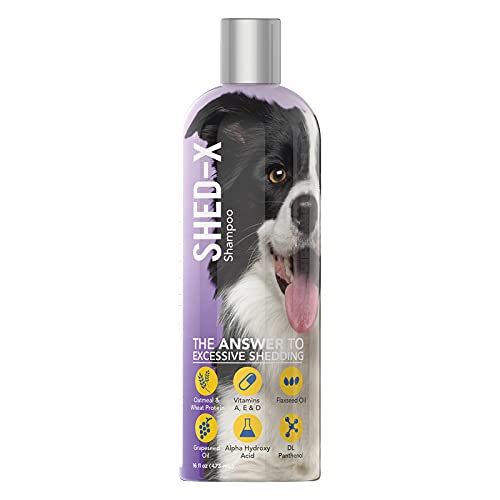
Shed-X Shed Control Shampoo for Dogs, 16 oz – Reduce Shedding – Shampoo Infuses Skin and Coat with Vitamins and Antioxidants to Clean, Release Excess Hair, and Exfoliate
One of the home product options compared in this guide.
View on AmazonShed-X’s 16 oz shampoo is described as infusing the skin and coat with vitamins and antioxidants to clean, release excess hair and exfoliate. That makes it a shedding product, not a hair-loss treatment, but many owners searching for hair-loss shampoo are actually dealing with heavy shedding and loose undercoat.
It belongs on the list because telling the two problems apart matters. If your dog is a double-coated breed blowing coat in spring, a shed-control shampoo plus regular brushing can reduce the loose hair around your home. If the skin under the missing hair is bare, red or scaly, this is the wrong tool.
Best for: seasonal shedding in healthy dogs. Skip if: you see bald patches or irritated skin.
- Pros: aimed at loose hair release; vitamin and antioxidant formula per the listing.
- Cons: not for patchy hair loss; results depend on brushing.
Also Consider
FURminator Ultra Premium deShedding Shampoo

FURminator Ultra Premium deShedding Shampoo for Dogs, 16 oz
One of the home product options compared in this guide.
View on AmazonBest for owners pairing a shampoo with a deshedding tool. The listing says it reduces excess shedding, helps remove wet dog smell, and has no parabens or dyes, in a 16 oz bottle. Trade-off: it is built for shedding, not skin disease.
The Coat Handler Deshedding Dog Shampoo

The Coat Handler Deshedding Dog Shampoo for Shedding, Undercoat, 16 oz | 32:1 Concentrate, Coconut Oil and Omega 3 Strengthen Hair Roots, Moisturizing Pet Grooming Wash, Groomer Grade, USA Made
One of the home product options compared in this guide.
View on AmazonBest for groomer-style care of thick undercoats. The 16 oz bottle is a 32:1 concentrate with coconut oil and omega 3, described as strengthening hair roots. Trade-off: it needs diluting and is for shedding, not for treating bald spots.
Miracle Vet Medicated Dog Shampoo

Miracle Vet Medicated Dog Shampoo for Itchy Skin Relief - Antifungal for Dog Allergy Relief, Yeast Infection, Hot Spot & Dry Skin Anti-Itch Treatment Wash - Hydrocortisone (16 oz)
One of the home product options compared in this guide.
View on AmazonBest when a vet recommends a medicated wash for itchy, allergic skin. The 16 oz listing names hydrocortisone and mentions antifungal benefits and yeast, hot spots and dry skin. Trade-off: it contains a steroid-type active, so use it only with veterinary guidance and never on a dog with open wounds.
Comparison Table: Match the Problem to the Shampoo Type
| What You See | Likely Direction | Shampoo Type | Examples From This List |
|---|---|---|---|
| Normal seasonal shedding, healthy skin | Coat blow | Shed control and brushing | Shed-X, FURminator, Coat Handler |
| Dry, dull, mildly thin coat | Dryness or friction | Gentle plant-based or oat cleanser | Green Coat, Burt’s Bees |
| Itch plus seasonal pattern | Possible allergy | Hypoallergenic soothing wash plus vet plan | TropiClean OxyMed |
| Scale, grease, musty smell | Seborrhea-type skin | Antiseborrheic wash, vet guided | Veterinary Formula Antiseborrheic |
| Red skin, circular bald patches | Infection or mites | Vet visit first, then medicated wash | Veterinary Formula Antifungal, Pet Honesty |
Comparison Table: Price Tiers
| Price Tier | Products | Notes |
|---|---|---|
| Budget | Veterinary Formula washes, Burt’s Bees | Low cost per bottle; medicated options need vet input |
| Mid-range | Green Coat, Pet Honesty, TropiClean OxyMed, Shed-X, FURminator | Standard sizes, mix of gentle and targeted formulas |
| Premium | Miracle Vet | Medicated formula to use with vet advice |
How We Chose
These picks are based on research, not on our own lab or home trials. We read the product listings, compared them with the maker’s descriptions, and checked what veterinary sources such as PDSA and PetMD say about canine alopecia. We chose products that: (1) are made for dogs; (2) clearly state a skin or coat purpose, from gentle care to medicated; (3) come from established brands; (4) cover budget, mid-range and premium tiers; and (5) include no more than two products from one brand. No shampoo here is claimed to cure or regrow hair, and we have flagged where veterinary guidance is needed. Where the listing does not give ingredients we say so.
Buying Guide: Choosing a Shampoo When Your Dog Is Losing Hair
Step one: see the pattern
Take photos of the affected areas once a week. Even thinning, a symmetrical pattern on both flanks, or hair loss without itch can hint at a hormone issue. Circular scaly patches suggest ringworm or mites, and hair loss only where your dog licks or chews suggests allergy or pain. These photos help your vet.
Match the shampoo to the skin, not the hair
Think of shampoo as skin care. Dry skin does well with oat, aloe or plant oils. Greasy, scaly skin may need an antiseborrheic product. Red, smelly skin often needs a medicated antiseptic wash recommended by a vet. A shampoo built only for shedding releases dead hair and does little for the skin itself.
Understand medicated ingredients
Chlorhexidine is an antiseptic. Ketoconazole and miconazole are antifungals. Hydrocortisone is a mild steroid. These ingredients can help the right problem and do nothing, or harm, for the wrong one. Use them under veterinary guidance and respect contact time.
Watch for irritants
Choose dog-formulated, pH-balanced products. Heavy perfumes, strong essential oils and harsh sulfates can aggravate an already irritated skin. If your dog flinches or the skin gets redder after a bath, stop and call your vet.
Consider the whole picture
Parasite prevention, a balanced diet, regular brushing and a clean bed matter as much as shampoo. Fatty-acid supplements are sometimes recommended for coat health, but ask your vet first because a dose that suits one dog may not suit another.
Cats are different
Tea tree oil, permethrin and many essential oils used in dog products are toxic to cats. Never use a dog shampoo on a cat, and wash your hands after handling a medicated dog shampoo before touching your cat.
When to See a Vet
Make an appointment if your dog has bald patches, spreading hair loss, red, scaly, smelly or sore skin underneath, constant scratching or licking, or hair loss together with weight change, low energy, extra thirst or appetite changes. These signs can point toward hormonal disease, which needs a blood test rather than a shampoo. Sudden severe loss, open sores, swelling or a dog that seems unwell should be seen promptly. A vet may suggest a skin scrape, fungal culture or cytology to find the cause. Home remedies such as coconut oil or vinegar rinses are not proven treatments.
How to Bathe a Dog With Thinning or Irritated Skin
Use lukewarm water, never hot, because heat inflames skin that is already sore. Wet the coat fully, then dilute the shampoo in a cup of water if the coat is thin so you do not scrub neat product onto bare skin. Massage gently with your fingertips rather than nails, and keep the lather away from the eyes, ears and any open sores. Follow the label for contact time, which is often five to ten minutes for medicated products, so set a timer and keep your dog calm with treats. Rinse until the water runs clear and the coat no longer feels slippery, since leftover residue is a common reason skin stays itchy. Pat dry with a clean towel and avoid hot dryers. Look at the skin after each bath: if it looks calmer, keep the schedule your vet gave you, and if it looks redder, stop and call.
Mistakes to Avoid
Do not self-diagnose from photos online. Mange, ringworm and allergies can look alike, and some skin infections spread to people or other pets. Do not combine several medicated products at once, because stacking antiseptics and steroids can irritate the skin. Do not stop a vet-prescribed treatment early just because the coat looks better. Do not bathe daily in the hope of speeding recovery, as over-washing removes protective oils. And do not rely on supplements or home remedies alone for patchy loss: they are not proven to fix the underlying cause, and delay can make treatment harder. Finally, keep up with flea and tick prevention all year, because a single flea bite can set off an allergic dog for weeks.
Supporting Coat Health Between Baths
Brush several times a week to spread natural oils and remove loose hair, using a soft brush on thin or tender areas. Wash bedding weekly in a fragrance-free detergent. Switch to a harness that does not rub, or add padding, if hair is thinning where straps sit. Keep your dog at a healthy weight, because skin folds trap moisture. If your vet suggests diet changes or omega-3 supplements, introduce them gradually and track changes in a notebook so you can show the results at the next visit.
FAQ
What is the best shampoo for dog hair loss?
There is no shampoo that stops hair loss by itself. A gentle option such as Green Coat is a good start for mild thinning, while medicated washes should be used under a vet’s guidance once the cause is known.
Can shampoo make a dog lose hair?
Yes, a harsh or poorly rinsed shampoo can irritate the skin and contribute to hair loss. Choose dog-formulated products, rinse thoroughly and stop using anything that makes the skin redder.
Why is my dog losing hair in patches?
Common causes include mites, ringworm, bacterial or fungal infection, allergies and hormone disorders. Because treatment differs for each, patchy loss should be checked by a vet.
Is hair loss different from shedding?
Yes. Shedding is an even, seasonal loss of old hair from healthy skin, while hair loss leaves thin or bald areas, often with redness, flakes or itch. Shed-control shampoos only help the first.
Do medicated dog shampoos need a prescription?
Many are sold without one, but the best practice is to ask your vet before using them. The wrong product, or too frequent use, can dry or irritate the skin.
How often should I bathe a dog with skin problems?
It depends on the problem. Some medicated plans call for baths a few times a week, others every couple of weeks. Follow your vet’s schedule and the label.
Can I use these shampoos on my cat?
Do not use dog shampoos on cats unless the label says it is cat safe, and even then ask your vet. Many dog ingredients, including tea tree oil and permethrin, are toxic to cats.
Will oatmeal shampoo regrow hair?
No. Oatmeal may help soothe dry, itchy skin, which can reduce scratching that damages the coat, but it does not regrow hair or treat the underlying cause.
How long before a shampoo shows results on a thinning coat?
Coat regrowth is slow, often several weeks to a few months, and depends on the cause. A gentle shampoo may leave skin feeling calmer within a few baths, but if you see no improvement in two to three weeks, or things get worse, ask your vet to look again rather than switching products repeatedly.
Which Shampoo Should You Buy?
For mild thinning and dull, dry skin, start with Green Coat or Burt’s Bees Oatmeal. For allergy-prone, itchy dogs, TropiClean OxyMed makes a good soothing base alongside a vet plan. For scaly, greasy skin, ask your vet about Veterinary Formula Antiseborrheic, and for a suspected yeast or bacterial problem, the Antifungal wash or Pet Honesty chlorhexidine may be recommended. If your dog is simply a heavy shedder, pick Shed-X or FURminator and keep brushing. For bald patches, redness or any sign of illness, put shopping on hold and book a vet appointment first.
Last updated: October 2026


Write Your Review
No reviews yet. Be the first to share your experience!