
Best dog whitening shampoo products work by optics rather than by bleaching, using brighteners or blue-violet pigment to cancel the yellow cast in a white coat. This roundup explains how each type behaves, what contact time to use, and compares five bottles from concentrates to ready-to-use formulas.
Our top picks
 Wahl USA Whitening Dog Shampoo for Pets
- Made in the USA - Our White Pear…
- Less is More - Wahl has a higher…
- Brightening Formula
 TropiClean Whitening Dog Shampoo
- Deep Clean - Dog shampoo gently removes dirt…
- Brightens Coats - Proven to make all coats…
- Refreshing Scent - Long-lasting, tropical scent of awapuhi…
 Lillian Ruff PRO Formula Berry Blue Brightening
- Unrivaled Brightening Formula: Say goodbye to dull fur…
- Luxurious Spa Treatment: Treat your dog to the…
- Less is More: With its concentrated violet pigments,…
| Product | Key specs | |
|---|---|---|
| Wahl USA Whitening Dog Shampoo for Pets | Made in the USA - Our White Pear… Less is More - Wahl has a higher… Brightening Formula | Check price |
| TropiClean Whitening Dog Shampoo | Deep Clean - Dog shampoo gently removes dirt… Brightens Coats - Proven to make all coats… Refreshing Scent - Long-lasting, tropical scent of awapuhi… | Check price |
| Lillian Ruff PRO Formula Berry Blue Brightening | Unrivaled Brightening Formula: Say goodbye to dull fur… Luxurious Spa Treatment: Treat your dog to the… Less is More: With its concentrated violet pigments,… | Check price |
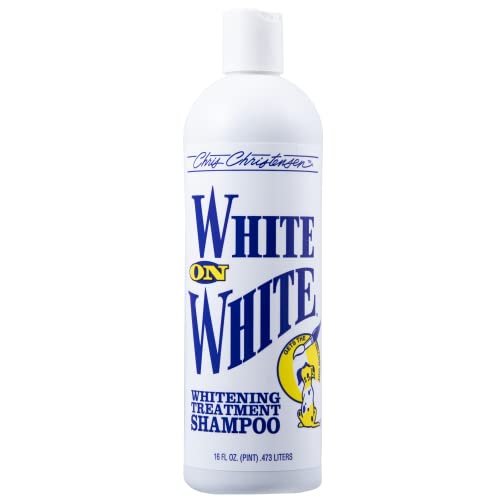 Chris Christensen White on White Whitening Treatment Chris Christensen White on White Whitening Treatment | Chris Christensen White on White Dog Shampoo gets… use from 8-weeks upwards White on White Shampoo does not contain bleaching… | Check price |
 Dog Whitening Shampoo for White Dogs Dog Whitening Shampoo for White Dogs | Check price | |
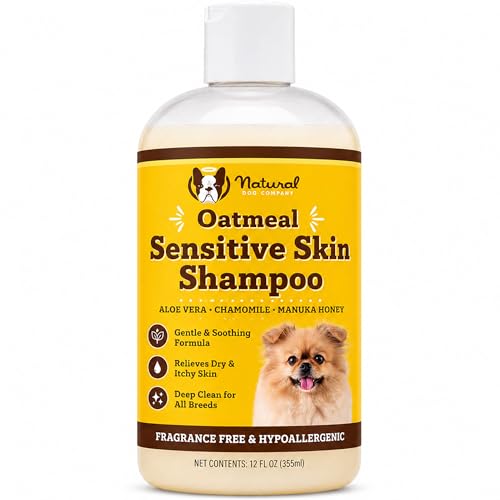 Natural Dog Company Sensitive Skin Dog Shampoo Natural Dog Company Sensitive Skin Dog Shampoo | Gentle Oatmeal Shampoo for Sensitive Skin: Natural Dog… Colloidal Oatmeal + Aloe Skin Support: Made with… Made With Nourishing Coat-Loving Ingredients: Mango butter, coconut… | Check price |
 Healthy Breeds Shih Tzu Bright Whitening Shampoo Healthy Breeds Shih Tzu Bright Whitening Shampoo | Check price | |
 BioSilk Silk Therapy Whitening Dog Shampoo BioSilk Silk Therapy Whitening Dog Shampoo | Specially formulated to gently clean and brighten white… Enriched with natural silk proteins, vitamins, and botanical… pH balanced specifically for dogs and made without… | Check price |
As an Amazon Associate we earn from qualifying purchases at no extra cost to you.
As an Amazon Associate we earn from qualifying purchases.
🛒 Best Price Today on Amazon
Prime members get fast, free shipping on everything above, plus member-only deals. New members get a 30-day free trial — cancel anytime.
How to Choose the Best Dog Whitening Shampoo for a White Coat
Whitening shampoos do not remove pigment from hair, and any product claiming to bleach a coat should be put straight back on the shelf. What they do is change how light reflects off the hair shaft, which is why technique and contact time matter more than the strength of the formula.
Optical Brighteners Versus Blue-Violet Pigment
Optical brighteners absorb ultraviolet light and re-emit it in the visible blue range, which makes a coat read as brighter to the eye. The effect appears immediately after drying and washes out gradually, so it needs repeating rather than building up permanently across a whole season.
Blue and violet pigment works on the colour wheel instead. Yellow staining sits opposite violet, so a small amount of violet deposited on the hair cancels the yellow cast. Too much and a white coat picks up a visible lilac tint, which is exactly why contact time has to be watched closely.
Neither approach touches the cause of the staining. Tear staining, saliva marks around the feet, urine on leg feathering and iron in drinking water all keep producing new discolouration, so a whitening bath is maintenance rather than a permanent fix for any single one of those causes.
Contact Time, Dilution and Repeat Washes
Heavy staining rarely clears in a single wash. The best dog whitening shampoo works cumulatively across two or three baths rather than lifting years of discolouration out of leg feathering in one afternoon. Expecting more than that from any bottle simply leads to overuse and a dry, brittle coat.
Most whitening formulas want five to ten minutes of contact before rinsing, and this is the single step that separates a visible result from a wasted bath. Set a timer, keep the coat damp during the wait, and rinse thoroughly once the time is up rather than leaving product sitting in the coat.
Concentrates need mixing before they touch the coat, with label ratios varying widely between brands. Diluting in a bottle of warm water spreads pigment evenly, which prevents the patchy result you get when a thick product is poured directly onto one area of an already sodden coat.
Coat Safety and What to Avoid
Keep any whitening product well away from the eyes, and wash the face with a plain gentle shampoo instead. Never use household bleach, hydrogen peroxide or human hair products on a dog, since all of them risk chemical burns and can damage the hair shaft permanently. The best dog whitening shampoo never bleaches.
Watch for dryness with repeated use, as brightening formulas can be less conditioning than everyday bottles. Alternating with a gentle oatmeal or moisturising shampoo between whitening baths keeps a white coat bright without leaving it brittle by the end of a long show season either.
Staining Sources and Seasonal Timing
Knowing where the colour comes from changes what you buy, because a coat stained by saliva needs a different routine from one dulled by pond water or road dust, even though all three end up looking much the same shade of yellow by the end of a wet week outdoors. Treat the cause and the bath does less work.
Face and foot staining often responds better to daily wiping than to a stronger shampoo, so pair the bath routine with a damp cloth on the muzzle after meals. Persistent tear staining, especially if the eye looks sore or runs constantly, is worth raising with your own veterinarian.
Timing matters through the year as well. Grass pollen, mud and pond water between spring and late summer all leave white legs looking dull, and show and photography season sits in the same window, which is why these bottles sell hardest right across the warmer half of the year here.
Top Picks: Five Whitening Shampoos Compared
The best dog whitening shampoo for your dog depends on how stained the coat is and how often you plan to bathe. These five range from salon concentrates to straightforward ready-to-use bottles, and each entry lists a genuine limitation rather than a claim lifted straight from the label.
| Shampoo | Format | Whitening approach | Best for |
|---|---|---|---|
| Chris Christensen White on White | Concentrate | Optical brightening | Show coats, heavy staining |
| Bio-Groom Super White | Concentrate | Brightening, no bleach | Regular maintenance |
| Wahl White Pear Brightening | Ready to use | Gentle brightening | Everyday home baths |
| Espree Bright White | Ready to use | Brightening plus conditioners | Dry or coarse white coats |
| Nature’s Specialties Whitening | Concentrate | Salon strength formula | Frequent bathers, multiple dogs |
Chris Christensen White on White
This is the bottle groomers reach for when a coat has to look its best on a specific day. It is a concentrate, it rewards a full contact time, and the difference on a cream or dulled white coat after proper drying is more obvious than with almost any ready-to-use product on this list.
Because it is strong, it is also the easiest to misuse. Leaving it on far longer than the label suggests, or skipping the dilution step, produces uneven results and can leave the coat feeling dry. Follow it with a conditioner if your dog happens to have a soft or cottony coat texture.
Bio-Groom Super White
Bio-Groom has been a fixture in grooming shops for decades and this remains the sensible maintenance choice. It brightens without bleaching, rinses cleanly and works well as the shampoo you use every few baths, rather than the one you save purely for special occasions on their own.
It is a concentrate, so the same mixing discipline applies. The effect is more modest than the strongest salon formulas, which is a drawback if you are trying to lift heavy staining in one wash but an advantage if you would rather avoid any risk at all of over-toning a pale coat by accident.
Wahl White Pear Brightening Shampoo
This is the easiest bottle here to live with at home. It arrives ready to use, lathers well, smells mild and brightens gently enough that overdoing it is difficult, which makes it a good starting point for anyone bathing a white dog for the first time without any professional help.
Gentle also means limited. On heavy leg or muzzle staining it will lighten rather than clear, and dogs with severe discolouration will need a stronger concentrate or several washes. It is best thought of as the routine bottle used in between the occasional deeper whitening treatment.
Espree Bright White Shampoo
Espree pairs brightening with conditioning agents, which addresses the most common complaint about whitening shampoos: that repeated use leaves a white coat feeling dry and brittle. On coarse or cottony coats that difference becomes very noticeable by around the third or fourth bath.
The conditioning element does mean it needs a very thorough rinse from a dense coat, since residue dulls exactly the brightness you were chasing. Whitening strength sits in the middle of this list, so heavy staining still calls for something rather more assertive standing alongside it.
Nature’s Specialties Whitening Shampoo
This is a salon-strength concentrate aimed at people bathing dogs regularly, and the economics reflect that. Diluted properly, one bottle covers a large number of washes, which makes it the practical choice for multi-dog households and for anyone keeping a full-coated white breed at home.
It expects the user to know what they are doing. Mixing ratios need following, contact time needs watching, and it is unforgiving of a rushed rinse. For an owner bathing one small dog every six weeks it is more product and rather more process than that particular situation really requires.
Frequently Asked Questions
Four questions cover most of what owners want to know before buying, especially with a heavily stained coat. The best dog whitening shampoo still cannot outrun the source of the staining, so the answers below matter every bit as much as the particular bottle you eventually choose.
How long should I leave whitening shampoo on?
Five to ten minutes is the usual window, following whatever the label states. Leaving pigment-based products on far longer risks a visible violet cast on a white coat, and no whitening formula becomes more effective simply by sitting on the hair for an extended period afterwards either.
Will whitening shampoo remove tear stains?
It lightens the appearance but does not stop new staining, because the cause sits with tear overflow rather than with the coat. Daily wiping of the area helps far more, and persistent staining with a sore or a constantly weeping eye deserves a proper veterinary examination before anything else.
Is whitening shampoo safe for regular use?
Used as directed it is safe for most dogs, though repeated washes can dry a coat over time. Alternating with a gentle everyday shampoo, rinsing thoroughly and conditioning when needed keeps the coat in good condition right through an entire season of frequent brightening baths and shows.
Can I use it on a cream or apricot coat?
The best dog whitening shampoo is designed for white coats and may make a cream or apricot coat look washed out rather than richer. On coloured coats a gentle everyday shampoo with proper drying and brushing does more for how a coloured coat reads than any whitening product on the shelf does.
See More:
- Dog grooming shears best
- Best dog clippers for poodles
- Best dog clippers for doodles
- Best dog brush for poodle
- Best dog brush for great pyrenees
Final Thoughts
The best dog whitening shampoo is the one matched to how stained the coat actually is: a gentle ready-to-use bottle for routine baths, a salon concentrate when a coat needs real lifting. Respect the contact time, dilute properly, keep it out of the eyes, and deal with the staining source alongside the bath.
Write Your Review
No reviews yet. Be the first to share your experience!