
Best cat nail trimmer tools for a cat who genuinely fights back aren’t just about the clipper itself — restraint that keeps both of you safe matters just as much. This guide covers the towel-wrap technique, three real restraint products, and how to pair either one with a dependable clipper.
Our top picks
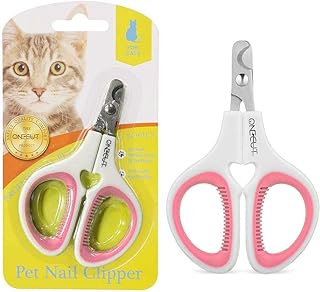
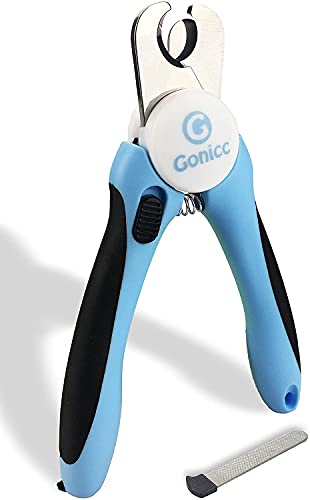 gonicc Professional Dog & Cat Pets Nail
- Vet & Groomer Recommended Professional Design: Preferred by…
- Ultra-Sharp 3.5mm Heavy-Duty Stainless Steel Blades: Thick premium…
- Built-In Safety Stop to Avoid Over-Cutting: The integrated…


 Silent Groom Pro Pet Nail Grinder
- Item Package Dimensions L x W x H: 6.38 x 2.83 x 1.46 inches
- Target Audience Keyword: Birds, Cats, Dogs, Small Animals
- Specific Uses for Product: Indoor, Outdoor


As an Amazon Associate we earn from qualifying purchases at no extra cost to you.
As an Amazon Associate we earn from qualifying purchases.
🛒 Best Price Today on Amazon
Prime members get fast, free shipping on everything above, plus member-only deals. New members get a 30-day free trial — cancel anytime.
How to Choose the Best Cat Nail Trimmer Setup for a Difficult Cat
A cat who fights nail trims needs a different overall setup than a calm, cooperative one — the clipper matters less than how you manage restraint and stress.
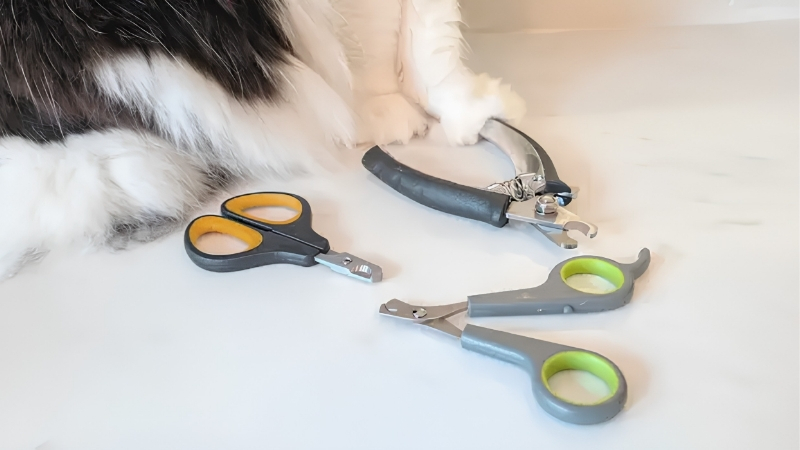
Consider the Towel-Wrap Technique First
Veterinary behaviorists commonly recommend a technique called the “kitty burrito” — wrapping your cat snugly in a large towel with only one paw exposed at a time, which reduces their ability to scratch or bolt while helping many cats feel more secure rather than more restrained. It costs nothing beyond a towel you already own.
Take your time introducing the wrap itself before ever attempting a nail trim inside it, and always leave the head fully uncovered so your cat can breathe and see comfortably throughout.
A Dedicated Restraint Bag for Genuinely Difficult Cats
For cats who fight even a towel wrap, a purpose-built mesh restraint bag with a zipper and a paw-access opening offers more structure than a towel alone, and several include an optional muzzle attachment for particularly bite-prone cats.
These bags work for bathing and vet-style handling too, so the investment covers more than just nail trims if your cat is generally resistant to handling.
Choose a Fast, Simple Clipper Over a Fussy One
Once your cat is safely restrained, a clipper that makes a clean cut in one confident motion — without an adjustment step or learning curve — gets the job done before stress escalates. This isn’t the moment for a tool you’re still learning to use.
Trimming just one or two nails per session, even while restrained, is often kinder than pushing through all four paws in one sitting with a cat who’s already at their stress limit.
Recognize When Grinding Might Work Better Than Clipping
Some cats who fight clippers tolerate a slow, gradual grinder better once they’re used to the sound and vibration, since there’s no sudden pressure moment the way a clipper delivers. This isn’t universal, but it’s worth trying for a cat who seems to react specifically to the pinch of a clip rather than handling in general.
If you try a grinder, introduce the sound alone first, away from your cat’s paws entirely, before ever bringing it near a nail — the noise alone can be the bigger hurdle for a nervous cat than the actual grinding sensation, and rushing this step tends to set the whole process back further than it moves it forward.
Top Picks: Best Cat Nail Trimmer Restraint Tools and a Reliable Clipper
These options cover restraint products for genuinely difficult cats alongside a dependable clipper to use once your cat is safely settled — together, a complete best cat nail trimmer setup for a cat who fights back.
| Product | Role | Best For | Notable Feature |
|---|---|---|---|
| Cinf Cat Nail Clipping Grooming Restraint Bag | Restraint | Bite-prone or very feisty cats | Optional attachable muzzle |
| ASOCEA Cat Grooming Bag | Restraint | General anti-bite, anti-scratch handling | Breathable mesh |
| Supet Cat Grooming Wrap | Restraint | Cats who tolerate a swaddle better than a bag | Self-adhesive, bite-proof hood |
| gonicc Dog & Cat Pets Nail Clippers | Trimming tool | Fast, simple cuts once restrained | Safety guard, free file |
Cinf Cat Nail Clipping Grooming Restraint Bag
This mesh restraint bag includes an optional muzzle attachment, multiple zippers for controlled paw access, and a design genuinely reported to work even on notably feisty, multi-cat households where trimming has previously turned into a real struggle — making it one of the more complete best cat nail trimmer setups for a genuinely difficult cat.
Like any restraint tool, it works best introduced calmly and gradually rather than sprung on a cat for the first time right before a trim, which can spike stress rather than reduce it.
ASOCEA Cat Grooming Bag
Built from breathable mesh specifically to resist biting and scratching, this bag gives you controlled access to one area at a time while keeping the rest of your cat’s body gently contained.
Because it’s mesh throughout rather than solid fabric, it also works well for bathing in addition to nail trims, which is a genuine bonus if your cat resists both activities equally.
Supet Cat Grooming Wrap
This self-adhesive wrap includes a bite-proof mesh hood and a thick waist strap, functioning more like a structured swaddle than a bag — some cats tolerate this format better than being placed inside a fully enclosed bag. It’s one of the gentler-feeling best cat nail trimmer accessories for a cat who resists the more rigid feel of a zippered bag.
Trying both a bag-style and a wrap-style restraint product, if your first choice doesn’t click with your specific cat, is a reasonable approach rather than assuming one universal style works for every cat.
gonicc Dog & Cat Pets Nail Clippers
Once your cat is safely restrained, this clipper’s safety guard and genuinely sharp blade let you make a fast, clean cut without fumbling for an adjustment or a better grip — exactly what a stressed, time-limited moment calls for.
It’s a straightforward, no-frills tool rather than a specialty one, which is precisely the point here: simplicity that doesn’t add friction during an already tense few minutes, regardless of which restraint method you’ve paired it with.
Frequently Asked Questions
Here’s what comes up most from owners whose cats genuinely fight every nail-trimming attempt with even the best cat nail trimmer setup.
Is it cruel to restrain my cat for a nail trim?
Used gently and appropriately, restraint like a towel wrap or grooming bag is a recognized, vet-recommended technique, not a cruel one — many cats actually calm down once they feel securely contained rather than exposed and able to bolt. The goal is security, not force.
My cat still panics even in a restraint bag. What now?
Some cats need more gradual desensitization before any restraint tool works well, so back off entirely for a few days and reintroduce the bag without any trimming attempt, just letting your cat get used to it. If panic persists despite patient reintroduction, a vet or professional groomer may be a better option for that specific cat.
Should two people handle a genuinely difficult cat’s nail trim?
Yes, this often works better than one person alone — one person to hold and reassure, the other to focus entirely on the clipper. This is especially true for a first attempt with a new restraint tool, when things can go smoothly or not.
How do I know when to give up and see a professional?
If your cat’s stress escalates every single time despite patient, gradual attempts over several weeks, or if the risk of getting bitten or scratched badly is genuinely high, a vet or professional groomer experienced with difficult cats is a completely reasonable choice rather than a failure on your part.
See More:
- Dog shampoo best
- Best dog toenail clippers
- Best dog toe nail clippers
- Best rated dog nail clippers
- Dog claw clippers best
Final Thoughts
The best cat nail trimmer setup for a cat who fights back is really about restraint and pacing as much as the clipper itself — a towel wrap or purpose-built bag for security, one or two nails per session, and a fast, simple clipper once your cat is settled. If nothing at home seems to work after genuine patience, a professional is always a reasonable next step rather than a last resort to feel bad about. Most cats do get easier with repetition, even if the first several sessions feel like a real struggle for both of you.


Write Your Review
No reviews yet. Be the first to share your experience!