
Best cat nail clipper picks share a few things: a genuinely sharp blade, a visible safety guard, and a size that actually fits a cat’s smaller, thinner nail rather than a downsized dog tool. This guide covers what matters most for first-time owners and nervous cats, plus four dependable options.
Our top picks
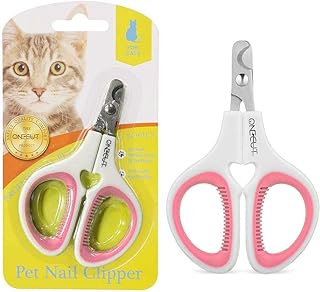

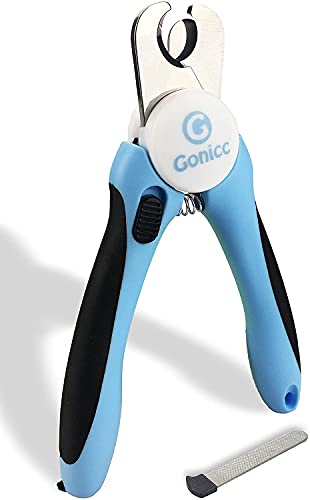 gonicc Professional Dog & Cat Pets Nail
- Vet & Groomer Recommended Professional Design: Preferred by…
- Ultra-Sharp 3.5mm Heavy-Duty Stainless Steel Blades: Thick premium…
- Built-In Safety Stop to Avoid Over-Cutting: The integrated…


As an Amazon Associate we earn from qualifying purchases at no extra cost to you.
As an Amazon Associate we earn from qualifying purchases.
🛒 Best Price Today on Amazon
Prime members get fast, free shipping on everything above, plus member-only deals. New members get a 30-day free trial — cancel anytime.
How to Choose the Best Cat Nail Clipper for Your Cat
Cats have thinner, more curved nails than dogs, and most cats are considerably less tolerant of restraint, so the best cat nail clipper for your household reflects both of those differences.
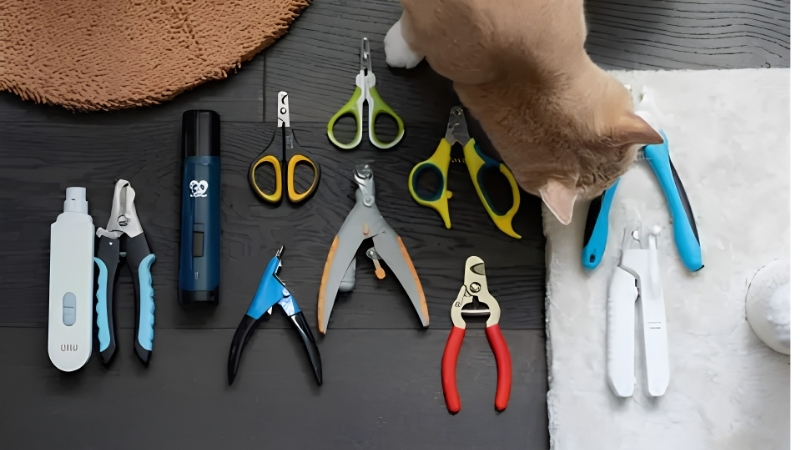
Blade Style Built for a Cat’s Nail Shape
Cat nails are thinner and more curved than dog nails, and a clipper built specifically for cats accounts for that curve rather than forcing a straight cut through a hooked shape. Scissor-style and guillotine-style both exist for cats, but scissor-style with a semi-circular blade tends to match the natural curve more comfortably.
A blade that’s genuinely sharp matters even more for cats than dogs, since cat nails split and splinter more easily under a dull blade, which is both more painful and more likely to make your cat resist the next session. Testing a new clipper on just one nail first, before committing to a full trim, is a reasonable way to check blade quality before you’re relying on it for every paw.
A Visible Safety Guard for Nervous First Attempts
A safety guard limits how far the blade advances into the nail, which matters enormously for a first-time cat owner who isn’t yet confident about spotting the quick. Cats often have translucent nails where the pink quick is visible if you look closely, which a good guard works alongside rather than replaces.
Because cats can pull away suddenly and unpredictably, a guard that holds its position reliably — rather than shifting during use — is worth prioritizing over one that’s merely present in the spec sheet.
Compact Size and a Genuinely Comfortable Grip
Many clippers marketed for “cats and small dogs” are still sized closer to a small dog’s nail than a cat’s, so check the specific blade opening rather than assuming the label guarantees a good fit. A too-large clipper makes it harder to see exactly where you’re cutting on a genuinely small claw.
A comfortable, non-slip grip matters more for cats than dogs in practice, since cat nail trims are often quicker, more frequent, one-paw-at-a-time sessions rather than one long sitting — you’ll be picking the tool up and putting it down often.
A Nail File as a Built-In Finishing Step
A cat’s freshly trimmed nail can leave a slightly sharp or uneven edge, and a built-in or included nail file lets you smooth that immediately rather than needing a separate tool. This is a small feature, but it matters more than it sounds like it would during your first several sessions.
Some of the best cat nail clipper sets tuck a file directly into the handle, which keeps it from getting lost in a drawer between trims — a genuinely practical detail for a tool you’ll want to reach for consistently every few weeks.
Top Picks: Best Cat Nail Clipper for First-Time and Nervous Owners
These four options are built specifically around cat-appropriate blade curves, visible guards, and genuinely compact sizing.
| Product | Style | Best For | Notable Feature |
|---|---|---|---|
| Necoichi Purrcision Feline Nail Clippers | Lever-style | Butter-smooth, precise cuts | Japanese Seki-crafted steel |
| Hepper Cat Nail Clipper Set | Two-in-one set | Cats of all sizes and ages | Includes hidden nail file |
| Frisco Dog & Cat Nail Clippers | Scissor, semi-circular blade | Everyday, budget-friendly use | Japanese high-carbon steel |
| gonicc Dog & Cat Pets Nail Clippers | Scissor with safety guard | Reliable all-around pick | Free nail file included |
Necoichi Purrcision Feline Nail Clippers
Built on a lever principle rather than a standard scissor action, this clipper is crafted in Japan using Seki-region steel-making tradition, and it’s genuinely praised for the smoothness of the cut it produces on a cat’s curved nail specifically — a strong contender among the best cat nail clipper options for owners who trim often enough to appreciate that difference.
It’s a premium-feeling tool at a premium price point, so it makes more sense for an owner who trims regularly and wants the best possible feel than for someone trimming a cat’s nails only occasionally.
Hepper Cat Nail Clipper Set
This set includes two clipper sizes in one pouch, with stainless steel blades on both, an ergonomic handle for the larger tool, a safety guard, and a locking mechanism to keep blades closed in storage. A hidden nail file in the larger clipper is a genuine convenience.
The smaller clipper’s handles run fairly small, which some owners find awkward, and the product doesn’t come with detailed instructions on how the guard works — worth a quick look at the manufacturer’s page before your first use.
Frisco Dog & Cat Nail Clippers
Made with Japanese high-carbon steel, this clipper uses semi-circular blades that let you see exactly where the blade sits against the nail before cutting, which is genuinely reassuring for a nervous first-timer. It’s one of the more affordable options among the best cat nail clipper picks here.
It’s a solid everyday tool rather than a specialist one, so cats with unusually thick or unusually tiny nails may still be better served by a more targeted option elsewhere on this list.
gonicc Dog & Cat Pets Nail Clippers
gonicc pairs a safety guard with a genuinely sharp blade and includes a free nail file, and it’s frequently recommended for the combination of safety, durability, and straightforward ease of use it delivers at a reasonable price.
It’s a dependable, no-drama choice rather than a specialty tool, which makes it a sensible default if you don’t have a specific reason to reach for one of the more specialized options on this list.
Frequently Asked Questions
Here’s what comes up most from owners buying their first pair of cat nail clippers.
How often do indoor cats need their nails trimmed?
Most indoor cats need a trim every two to four weeks, though this varies by individual cat and activity level. If you can hear your cat’s nails clicking on hard floors or notice them snagging on fabric, it’s usually time.
Can I use dog nail clippers on my cat?
You can in a pinch, but a clipper sized and shaped for a cat’s thinner, more curved nail generally gives a cleaner, more comfortable cut. A dog-sized clipper is more likely to crush rather than cleanly cut a cat’s smaller nail, and repeated crushing can make a cat increasingly resistant to future trims.
What if my cat won’t sit still at all?
Start with just one nail per session rather than trying to finish all four paws, and build up gradually with treats and calm handling between attempts. A towel wrap can help for a cat who’s genuinely resistant, and a professional groomer or vet tech is always an option if home trims aren’t working.
What do I do if I cut the quick?
Apply styptic powder or plain cornstarch to the nail tip and hold gentle, steady pressure for about 30 seconds. It looks more dramatic than it usually is, but contact your vet if bleeding doesn’t stop within several minutes.
See More:
- Dog shampoo best
- Best dog toenail clippers
- Best dog toe nail clippers
- Best rated dog nail clippers
- Dog claw clippers best
Final Thoughts
The best cat nail clipper for your household comes down to a blade shaped for a cat’s curved nail, a safety guard you can trust, and a size that actually fits. Start with a straightforward, well-reviewed option like gonicc or Frisco if you’re new to trimming, and move to a premium tool like Necoichi once regular trimming has become a comfortable routine for both of you. Whichever clipper you choose, a consistent schedule matters more to your cat’s comfort than any single feature on the spec sheet.


Write Your Review
No reviews yet. Be the first to share your experience!