
Best dog grooming clipper picks for a first-time home groomer look different than what a professional reaches for — you want forgiving power, manageable noise, and a blade system that won’t overwhelm you on day one. This guide covers what actually matters for a beginner and four dependable options.
As an Amazon Associate we earn from qualifying purchases.
🛒 Best Price Today on Amazon
Prime members get fast, free shipping on everything above, plus member-only deals. New members get a 30-day free trial — cancel anytime.
How to Choose the Best Dog Grooming Clipper as a Beginner
A first grooming clipper should prioritize being forgiving and easy to learn on rather than raw professional-grade power you don’t yet need — which is exactly what separates the best dog grooming clipper for a beginner from a professional’s daily workhorse.
Motor Type and Speed Settings
Clippers use either a rotary motor, which delivers consistent power through thick coats, or a pivot motor, which tends to run quieter and lighter but with less raw torque. For a first clipper, a two-speed pivot motor is often more forgiving than a five-speed rotary tool built for professional daily use.
Higher stroke-per-minute speeds cut faster but also run louder and generate more heat, so a lower or mid-range speed setting is genuinely fine for most first-time home grooming sessions rather than a downside to work around. Most beginners find they rarely need the highest available speed setting even once they’ve built up some confidence.
Blade System and Included Attachments
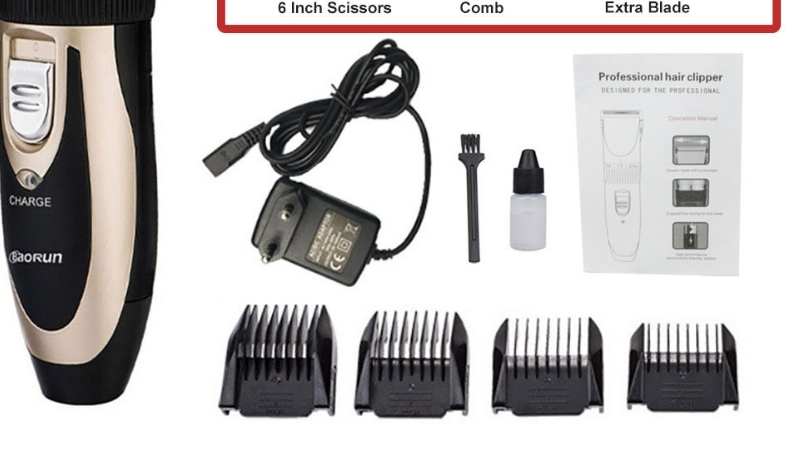
Detachable blade systems let you swap lengths without buying an entirely new tool, and a kit that includes several guide combs gives you room to experiment with length before committing to a short, permanent cut. Ceramic or titanium blades run cooler than plain steel, which matters more on a longer first session where you’re moving slowly.
Check whether the blades are self-sharpening or need periodic professional sharpening, since that affects your ongoing cost beyond the initial purchase. A kit that includes at least three or four guide comb lengths gives you meaningfully more flexibility than one bundled with just a single length.
Noise and Weight for a Nervous First Session
A first grooming session goes more smoothly with a clipper that isn’t the loudest or heaviest option available, since you’re both learning the process together. Cordless models under a pound are noticeably easier to maneuver for an extended first attempt than a heavier corded professional tool.
Letting your dog sniff and hear the clipper switched on, away from their body, before your first real session reduces surprise regardless of which specific clipper you choose.
Practicing Technique Before a Full Groom
Running the clipper along your own arm first, or against a towel, lets you get a feel for the pressure and angle needed before you’re actually working on your dog’s coat. This small step builds confidence that translates directly into a steadier hand during the real session.
Starting with an easy, low-stakes area like the back rather than the face or paws on your very first attempt gives you room to make small mistakes without the consequences mattering much, while you’re still learning how any of the best dog grooming clipper options in this guide actually handle. Working in the direction of hair growth on your first pass, rather than against it, also produces a smoother result with less risk of irritation.
Top Picks: Best Dog Grooming Clipper for Home Use
These four options balance forgiving power, manageable noise, and genuine value for a first-time home groomer.
| Product | Motor/Power | Best For | Something to Note |
|---|---|---|---|
| Wahl Bravura Lithium | Pivot, 5-in-1 blade #9-#40 | Versatile all-around first clipper | 5-in-1 blades wear faster than standard blades |
| Andis AGC 22340 | Rotary, quieter setting | Nervous dogs, quieter sessions | Less powerful than full-speed AGC |
| Oster Clipmaster | Cordless | Budget-friendly matted coats | Battery life varies by use |
| oneisall 2-Speed Grooming Kit | 2-speed cordless | Complete beginner kit | Best-selling budget option |
Wahl Bravura Lithium
The Bravura’s 5-in-1 blade adjusts from a #9 to a #40 length without swapping blades, which is genuinely useful while you’re still figuring out what length suits your dog’s coat. It runs quiet enough to be recommended even for anxious dogs, and it’s the same clipper many professional groomers keep in their kit for detail work — a strong argument for it being the best dog grooming clipper to start with if you can afford the higher price point.
The 5-in-1 blade system costs roughly as much as a standard detachable blade but wears out faster with heavy use, so budget for eventual replacement if you groom often.
Andis AGC 22340
This is the quieter, less powerful sibling in Andis’s popular AGC line, trading some raw cutting power for noticeably lower noise — a reasonable trade for a first-timer whose dog might be startled by a full-power professional tool.
You may need cooling spray or a blade break during a longer continuous session, since the reduced power comes with somewhat more heat buildup on extended use than the full-speed AGC models.
Oster Clipmaster
A genuinely budget-friendly cordless option that still handles thick or matted coats reasonably well according to real owner reports, making it a solid value pick for a first-time groomer not ready to invest in a professional-grade tool yet.
As with most budget cordless clippers, battery life and long-term durability won’t match a premium corded tool, so treat it as a starter clipper rather than a lifetime investment.
oneisall 2-Speed Grooming Kit
A best-selling budget kit that includes the clipper alongside guide combs and basic accessories, giving a genuine first-timer everything needed to get started without a second purchase.
Two speeds is less range than pricier professional tools offer, so dogs with genuinely thick or matted coats may need to graduate to a more powerful clipper as your skills and their coat maintenance needs grow. For a small or moderately coated dog, though, this kit alone is often enough for years of routine trims.
Frequently Asked Questions
Here’s what comes up most from owners buying their first dog grooming clipper, and shopping for the best dog grooming clipper to start on.
Can I use human hair clippers on my dog?
It’s best avoided. Dog clippers are built with lower vibration and heat output than human clippers, and dog coats often need different blade lengths and cutting angles than human hair, which increases the risk of an uneven or uncomfortable cut with the wrong tool.
How do I know what blade length to use?
Most guide combs and blade numbers are labeled with the resulting hair length, and starting longer than you think you want is safer than going too short on a first attempt — you can always go shorter in a second pass, but you can’t add length back once it’s cut.
My dog is terrified of the clipper noise. What helps?
Let your dog investigate the clipper while it’s off, then turn it on at a distance before ever bringing it near their body. Building this association gradually over several short sessions works better than pushing through a full groom the first time the noise is introduced.
How often should I do a full groom at home?
This depends heavily on breed and coat type, but most dogs needing regular clipping do well every four to eight weeks. Between full grooms, spot-trimming problem areas like paws and sanitary regions can extend the gap comfortably.
See More:
- Dog shampoo best
- Best dog toenail clippers
- Best dog toe nail clippers
- Best rated dog nail clippers
- Dog claw clippers best
Final Thoughts
The best dog grooming clipper for a first-time home groomer prioritizes forgiving power and manageable noise over raw professional speed. Start with a versatile, moderately priced option like the Wahl Bravura or a budget kit like oneisall, and consider stepping up to a full professional-grade tool once you’re grooming consistently enough to justify the investment. Whichever clipper you start with, patience during those first few sessions matters more to the outcome than any single spec on the box, and both you and your dog will get more comfortable with practice.
Our top picks
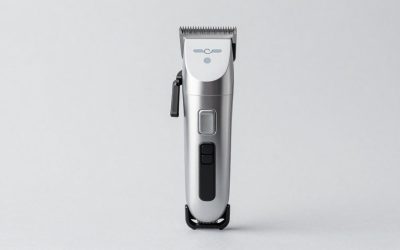
 oneisall Dog Clippers for Grooming Thick Heavy
Stainless steel detachable blade is built for thick, matted coats
2000mAh battery delivers up to 240 minutes of cordless use
IPX7 waterproof build allows direct rinsing of the whole clipper
Below 55dB noise level may still startle very sensitive pets
Ten guide combs add setup time to find the right length
| Product | Key specs | |
|---|---|---|
| oneisall Dog Clippers for Grooming Thick Heavy | Check price | |
 oneisall Dog Grooming Vacuum Kits with Pet oneisall Dog Grooming Vacuum Kits with Pet | Check price | |
 Professional Dog Grooming Clippers for Thick Coats Professional Dog Grooming Clippers for Thick Coats | Check price | |
 oneisall Dog Clippers Grooming Kit for Thick oneisall Dog Clippers Grooming Kit for Thick | Target Audience: Dog Owners Power Source: Battery Powered Are Batteries Required: Yes | Check price |
 oneisall Low Noise Dog Clippers Grooming Kit oneisall Low Noise Dog Clippers Grooming Kit | Check price | |
 Wahl Professional Animal Bravura Lithium Ion Clipper Wahl Professional Animal Bravura Lithium Ion Clipper | Professional-Grade Dog Grooming Clippers: Ideal for feet, face,… Pet Grooming Clippers: Features an adjustable 5-in-1 Fine… Dog Grooming Clippers: Enjoy 90 minutes of cordless… | Check price |
 oneisall Dog Grooming Vacuum oneisall Dog Grooming Vacuum | Target Audience: Pet owners Specific Uses For Product: Pet grooming Hair Type: All, Thick, Coarse | Check price |
 oneisall Dog Clippers for Grooming Thick/Matted Hair oneisall Dog Clippers for Grooming Thick/Matted Hair | [Trim Thick & Matted Fur Smoothly] oneisall Dog… [All in One Dog Grooming Kit-Beginners-Friendly] Oneisall 4-in-1… [Ultra-Quiet & Vibration-Free] Oneisall grooming kit for dogs… | Check price |
As an Amazon Associate we earn from qualifying purchases at no extra cost to you.


Write Your Review
No reviews yet. Be the first to share your experience!