
Our Top Picks
Pros & cons
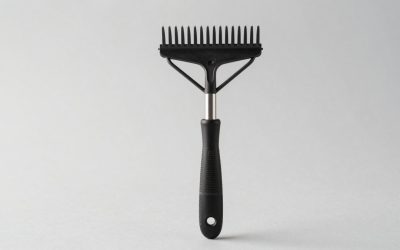
- Release-bottom design helps clear collected hair with one press
- Soft, round-tipped bristles are designed to avoid hurting the pet
- Stainless steel construction is built for sturdy, long-term use
- Large size may be less maneuverable for small pets or tight spots
- Press-button cleaning mechanism adds a moving part that could wear over time
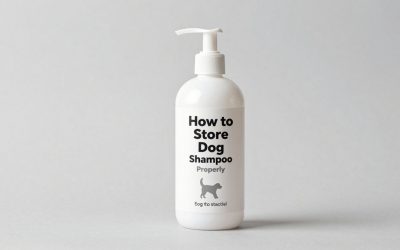
 earthbath Oatmeal & Aloe Itch Relief Dog Shampoo16 Fl Oz (Pack of 1)4.5 x 2 x 8 inches0 PoundsCheck on Amazon
Quick answer: Most dogs do well with a full grooming session (bath, brush-out, nails, ears and a trim if the breed needs one) every 4 to 8 weeks. Short smooth coats can stretch to 8 to 12 weeks, while curly, long and doodle-type coats often need a visit every 4 to 6 weeks. Between visits, brush on a schedule that fits the coat (weekly for short coats, daily for long or curly ones) and trim nails about every 3 to 4 weeks.
Last updated: October 2026. This guide contains affiliate links, so we may earn a commission on qualifying purchases at no extra cost to you.
Why grooming frequency matters
Grooming is health care as much as appearance. Regular sessions prevent mats that pull on skin, keep nails from growing long enough to change how a dog walks, let you spot lumps, ticks or sore patches early, and keep ears and coat clean. The right schedule depends on coat, activity and skin, not on a single rule for every dog.
It is also possible to groom too often in one respect. Bathing very frequently can strip natural oils and irritate the skin. Brushing, on the other hand, is rarely harmful, so the safest way to stretch the time between baths is more brushing.
The master schedule: how often for each grooming task
| Task | Typical frequency | Notes |
|---|---|---|
| Full professional groom (bath, dry, brush-out, nails, ears) | Every 4 to 8 weeks for most dogs | Shorter intervals for curly and long coats |
| Brushing | Daily to weekly, depending on coat | Daily for long, silky or curly coats; weekly for short coats |
| Bathing at home | About every 4 to 8 weeks for many dogs | Oily or very active dogs may be bathed more often; check with your vet for skin issues |
| Nail trimming or grinding | Every 3 to 4 weeks | If you hear clicking on hard floors, they are due |
| Ear check and cleaning | Weekly check; clean every 1 to 2 months or as needed | Floppy-eared dogs often need more attention |
| Teeth brushing | Daily is ideal; 2 to 3 times a week is still useful | Use dog toothpaste only, never human toothpaste |
| Haircut or trim | Every 6 to 12 weeks for breeds with continuously growing coats | Depends on cut length |
These ranges are guidelines drawn from common groomer and vet advice. Your dog’s coat, skin, lifestyle and your groomer’s recommendation should override any chart.
Grooming frequency by coat type
| Coat type | Example breeds | Brushing | Bath | Professional groom |
|---|---|---|---|---|
| Short and smooth | Beagle, Boxer, Pug, Dalmatian | Weekly | Every 6 to 12 weeks, sooner if oily or dirty | Optional; every 8 to 12 weeks or a few times a year for nails and a bath |
| Long and silky | Yorkshire Terrier, Maltese, Shih Tzu, Afghan Hound | Daily | Every 4 to 6 weeks | Every 4 to 6 weeks; haircut every 8 to 12 weeks |
| Double coat | Golden Retriever, Husky, German Shepherd | Several times a week, daily at shedding season | Every 6 to 8 weeks or as needed | Undercoat work every 8 to 12 weeks; avoid shaving |
| Wire coat | Many terriers | 2 to 3 times a week | Every 6 to 8 weeks | Every 6 to 8 weeks; hand-stripping where the breed calls for it |
| Curly or wavy | Poodle, doodles, Bichon Frise | Daily | Every 3 to 4 weeks | Bath every 3 to 4 weeks; haircut every 6 to 8 weeks |
| Hairless or very thin coat | Chinese Crested, Xoloitzcuintli | Gentle wipe or soft brush | Often weekly to every few weeks | Ask a vet or groomer about skin care |
If you are not sure how your dog’s coat behaves, our explainer on hair versus fur coats can help, and the best dog grooming brushes guide covers which brush fits each type.
Signs your dog is due for grooming now
Charts help, but the dog tells you when the interval is too long:
- Matting or tangles that a comb cannot pass through, especially behind ears, under the collar, in the armpits and on the hind end.
- Clicking nails on hard floors, or nails that touch the ground when your dog stands.
- A noticeable odor from the coat, ears or mouth.
- Visible dirt, grease or debris after outdoor play, or a coat that looks dull.
- Hair over the eyes or around the paw pads, which affects vision and traction.
- Fleas, ticks or flaky skin noticed while brushing. Some of these need veterinary guidance rather than just a bath.
What changes the schedule
Lifestyle and activity
Dogs that swim, hike, dig or roll in mud need baths and brush-outs more often than couch-based dogs of the same breed. Water, burrs and mud all feed tangles.
Seasons and shedding
Spring and fall are heavy-shedding seasons for many double-coated dogs. During those weeks, brush more often and consider an extra bath and blow-dry to release loose undercoat. In hot weather do not shave a double-coated dog without professional advice, since the coat helps insulate against heat and protects skin from sun.
Skin and health
Dogs with allergies, dry skin or skin conditions may need a different bathing schedule set by a vet. If your dog scratches constantly, see the vet before increasing baths. Our guide to the best dog shampoo for itchy skin covers gentle shampoo choices, but shampoo cannot replace a diagnosis.
Age
- Puppy: short, gentle, positive sessions. Touch paws and ears, brush briefly, and make quick groomer visits so the routine feels normal. Ask your vet when vaccinations allow salon visits.
- Adult: follow the coat schedule above and keep nails and teeth on their own cycle.
- Senior: brush and trim nails more often since activity falls, handle stiff joints gently, keep sessions short, and watch for lumps or skin changes.
What a full grooming session includes
- Brush-out and detangle before water touches the coat.
- Bath with a dog-formulated shampoo, then a thorough rinse. Leftover shampoo can irritate skin.
- Drying with towels and a dryer on a cool or low setting, keeping the nozzle moving.
- Nail trim or grind and a check of the paw pads and the fur between them.
- Ear check and cleaning if needed, using a vet-approved ear cleaner.
- Trim or tidy around the eyes, paws and sanitary areas, or a full haircut for breeds that need one.
- Skin and lump check while you handle the dog.
Home care between visits
A dependable home routine lets you stretch professional visits toward the longer end of the range. Keep it simple:
- Brush on a fixed schedule, down to the skin, finishing with a comb to check for hidden knots. Long and curly coats benefit from a slicker brush; short coats from a soft brush or curry.
- Keep nails short with clippers or a grinder. Grinders let you shorten nails gradually and smooth edges, but some dogs dislike the vibration and noise, so introduce them slowly with treats.
- Spot clean with a damp cloth or dog-safe wipe after muddy walks instead of a full bath.
- Check ears and teeth on a weekly rhythm so small problems do not become big ones.
Recommended tools for between-visit care
A few basics make the home routine easier. Pick based on your dog’s coat and temperament.
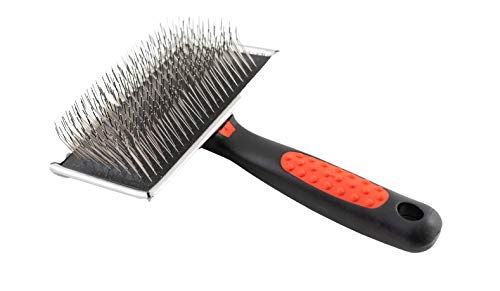
The Swihauk self-cleaning slicker brush is a slicker designed for shedding and tangle-prone coats on dogs and cats, with a self-cleaning design meant to release collected hair easily. The listing describes it as skin-friendly. It is in the budget-to-mid range, and as with any slicker, gentle strokes matter because pressing hard can scratch the skin. Check pin length against your dog’s coat.

Swihauk Self Cleaning Slicker Brush - Skin Friendly Deshedding Grooming Tool for Dogs & Cats, Suitable for Shedding & Haired Pets, with Pet Supplies Accessories, Blue
One of the home product options compared in this guide.
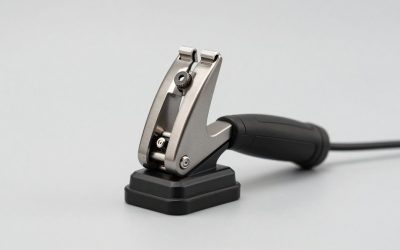
View on AmazonThe Casfuy dog nail grinder is a two-speed electric grinder marketed as whisper-quiet for small, medium and large dogs. Its listing highlights painless smoothing as an alternative to clippers. It is budget friendly, but it does not suit every dog, and very quiet is relative: some noise-sensitive dogs still need a slow introduction and short sessions. Take off little at a time to avoid the quick.

Casfuy Dog Nail Grinder Upgraded - Professional 2-Speed Whisper-Quiet Electric Pet Nail Trimmer Painless Paws Grooming & Smoothing for Small Medium Large Dogs & Cats (Dark Blue)
One of the home product options compared in this guide.
View on AmazonThe Dremel 7350-PET is a cordless pet nail grinder kit from a well-known tool brand, aimed at calm, low-noise grinding for dogs and small animals. The listing points to a lightweight design that is easy to hold. It is in the mid-range, and the main limitation is the learning curve: grinders get warm if held on one nail too long, so work in short touches.
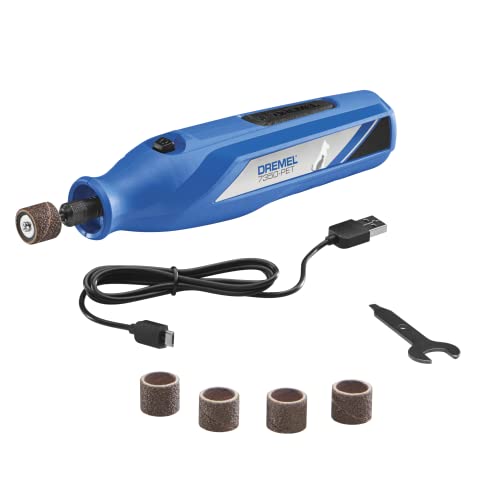
Dremel 7350-PET Dog Nail Grinder, Pet Grooming Kit for Dogs & Cats
One of the home product options compared in this guide.
View on AmazonThe earthbath Oatmeal and Aloe shampoo is a dog shampoo marketed for dry, itchy or sensitive skin, and its listing mentions made-in-USA production and a vanilla and almond scent. It may help soothe dry skin as part of a routine, but it is a cleansing product, not a treatment. Persistent itching needs a vet. Always rinse well.
earthbath Oatmeal & Aloe Itch Relief Dog Shampoo, 16 Oz (1 Pack) | Oatmeal Shampoo For Dogs, Dry, Itchy Skin Relief, Made in USA, Cruelty Free Sensitive Pet Shampoos, Vanilla & Almond
One of the home product options compared in this guide.
View on AmazonOver-grooming and under-grooming mistakes
| Mistake | Risk | Better approach |
|---|---|---|
| Bathing weekly with a harsh shampoo | Dry, irritated skin and a dull coat | Use a gentle dog shampoo and bathe only as often as the coat and skin need |
| Going months without brushing a long coat | Painful mats that may require shaving | Brush on a schedule; book groomer visits every 4 to 6 weeks |
| Skipping nail care | Overgrown nails can affect posture and comfort | Trim or grind every 3 to 4 weeks |
| Shaving a double coat in summer | Loss of insulation and sun protection; uneven regrowth | Brush out undercoat and ask a groomer about thinning |
| Using human shampoo regularly | Skin pH differs from ours and can leave dogs dry or itchy | Use dog shampoo; keep human products for rare emergencies only |
| Ignoring ears | Wax and moisture build up in floppy ears | Check weekly and see a vet if red, smelly or painful |
Nail care: the schedule people forget
Nails grow all the time. Most dogs need a trim every 3 to 4 weeks, and dogs that walk mostly on soft ground may need more. If you are choosing equipment, our guide to the best nail grinder for dogs compares quiet, rechargeable options. Start by letting your dog sniff the tool, then touch it to the nail briefly before running it. Dark nails make the quick hard to see, so take off small amounts and stop if you see a dark dot in the center of the cut surface. If you hit the quick, apply gentle pressure with a clean cloth and a styptic product made for pets; see a vet if bleeding does not stop.
DIY or professional: what to split
- Do at home: brushing, combing, spot cleaning, basic baths for short coats, nail grinding if your dog is calm, ear checks and teeth brushing.
- Leave to a groomer: full haircuts and breed-specific styling, dematting of tight skin-close mats, hand-stripping and special coat work, and sanitary trims for anxious or wiggly dogs.
When to see a vet or professional groomer
- See a vet for red, swollen, smelly or painful ears, head shaking, constant scratching, open sores, hot spots, sudden hair loss, lumps, or a coat that suddenly changes texture.
- See a vet if nail bleeding does not stop, a nail is torn or the toe is swollen, or if your dog limps after a nail trim.
- See a vet before bathing more often if your dog has a skin condition, and do not use human medicated products on a dog.
- See a professional groomer for severe matting, a coat not brushed for months, an aggressive or very anxious dog, or any breed with a complex trimming pattern. Do not cut mats out with scissors at home, as skin can be caught in the mat.
Frequently asked questions
How often should you groom a dog?
Most dogs need a full groom every 4 to 8 weeks. Short smooth coats can go 8 to 12 weeks, while curly, long and doodle coats often need a visit every 4 to 6 weeks, with brushing at home between visits.
How often should you bathe a dog?
Many dogs are bathed about every 4 to 8 weeks, though short-coated dogs may go longer and oily or very dirty dogs may need more. Bathing too often can dry the skin, so ask your vet if your dog has a skin condition.
How often should I brush my dog?
Brush short coats about weekly and long, silky or curly coats daily. Double-coated dogs benefit from several sessions a week, and daily brushing in spring and fall shedding seasons.
How often should dog nails be trimmed?
Every 3 to 4 weeks is typical. If you hear clicking on hard floors or the nails touch the ground when your dog stands, they are due.
Is it bad to groom a dog too often?
It can be if it means frequent baths with strong shampoo, which may strip natural oils. Regular brushing and nail care are rarely a problem. Moderate the bathing, not the brushing.
How often should a puppy be groomed?
Start with short, gentle sessions at home and quick, positive groomer visits, then move to the schedule that matches the adult coat. Ask your vet when your puppy is safe to visit a salon after vaccinations.
How often should a double-coated dog be groomed?
A groomer visit every 8 to 12 weeks for undercoat work is common, plus frequent brushing at home. Avoid shaving a double coat unless a vet or groomer advises it for a specific reason.
What happens if I never groom my dog?
Mats, overgrown nails, dirty ears and skin irritation can build up, and problems like lumps or parasites may go unnoticed. Even short-coated dogs benefit from occasional nail care and brushing.
Final thoughts
Start with the 4 to 8 week range, then adjust for coat type, season and lifestyle. Keep brushing and nails on their own faster cycle, bathe only as needed, and let tight mats, ear problems or skin changes send you to a groomer or vet rather than to a longer wait.



Write Your Review
No reviews yet. Be the first to share your experience!