
Key takeaways
- Table of Contents 5 sections 10 min read 1 Quick Verdict 2 Deshedding Tools Compared 3 How to Choose 3.1 Rake or bladed deshedder 3.2 Match tooth length to coat depth 3.3 Understand the two seasons 3.4 Bathe and dry…
A double coat is two coats doing two jobs. The outer layer is made of coarse guard hairs that shed water, block UV, and resist dirt. Underneath sits a dense, soft undercoat that traps air — insulating the dog against cold in winter and, just as importantly, against heat in summer. Huskies, German Shepherds, Australian Shepherds, Golden Retrievers, Labradors, Corgis, Malamutes, Bernese, Pomeranians and dozens of others carry this arrangement. Twice a year, in spring and autumn, they release most of that undercoat in a few weeks. Groomers call it blowing coat, and it is the reason your vacuum has given up.
The right tool for that undercoat is a rake or a deshedding blade that reaches past the guard hairs, grips the loose fluff, and pulls it out without cutting the outer coat. The wrong response is a clipper. Shaving a double-coated dog damages the coat, often permanently. The guard hairs grow back slowly and sometimes never return to their original texture, while the undercoat regrows quickly and fills the gap, leaving a woolly coat that mats, holds water, and no longer regulates temperature. A shaved double-coated dog is not cooler — it has lost its insulation and its sun protection at the same time. Deshedding is the alternative, and done properly it removes more bulk than a shave-down ever would.

Maxpower Planet Original Pet Grooming Rake - Double-Sided Deshedding Dematting Tool, Undercoat Rake for Dogs & Cats, Extra-Wide Dog Grooming Brush & Deshedder Comb for Long Hair, Reduces Shedding 95%
Selected for "best deshedding tool for double coated dogs": this listing is a grooming product (Maxpower Planet Original Pet Grooming Rake - Double-Sided Deshedding Dematting T), matching the product category this article compares.
View on Amazon
Docrok Pet Grooming Combo - Blue Deshedding Brush with Metal Comb for Detangling and Dematting Long, Matted Fur on Cats and Dogs
Selected for "best deshedding tool for double coated dogs": this listing is a grooming product (Docrok Pet Grooming Combo - Blue Deshedding Brush with Metal Comb for Detangling), matching the product category this article compares.
View on Amazon
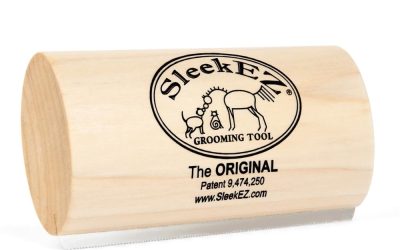
SleekEZ Dog Brush for Shedding | Patented Deshedding Dog Brush | Pet Hair Remover for Short, Medium & Long Coats | Made in USA | 5 Inch
Selected for "best deshedding tool for double coated dogs": this listing is a grooming product (SleekEZ Dog Brush for Shedding | Patented Deshedding Dog Brush | Pet Hair Remove), matching the product category this article compares.
View on Amazon
Maxpower Planet Hair Brush - Double Sided Shedding, Dematting Undercoat Rake for Dogs and Cats, Extra Wide Dog Grooming Brush, Reduce Shedding by 95%, Black
Selected for "best deshedding tool for double coated dogs": this listing is a grooming product (Maxpower Planet Hair Brush - Double Sided Shedding, Dematting Undercoat Rake for), matching the product category this article compares.
View on AmazonQuick Verdict
Best overall: FURminator Large Dog Undercoat deShedding Tool for Long Hair ($35.27). The original bladed deshedder and still the most effective single tool for pulling undercoat out of a long double coat. It removes an alarming volume of fluff per stroke. It is also the easiest tool here to overuse, so read the technique section before you start.
Best rake: Maxpower Planet Dog Grooming Rake, Deshedding Undercoat Brush ($13.99). A rake works differently from a bladed deshedder — rounded pins comb the dead undercoat out without cutting anything, which makes it far gentler on the guard coat. For regular year-round use on a double coat, a rake is the safer default and this one is fourteen dollars.
Best for big, thick-coated dogs: XL+ Undercoat Rake for Dogs & Cats, Dog Brush for Shedding, Dematting Comb ($32.99). Longer teeth and a wider head to get through the deep coat on a Malamute, Newfoundland, Great Pyrenees or a heavy-coated shepherd. Fewer strokes to cover the dog, which matters when you are grooming something the size of a coffee table.
Best budget: DOGI Deshedding Brush, Undercoat Rake for Dogs, Double Sided ($9.99). Two tooth spacings on one head, under ten dollars. Perfectly adequate for a medium double-coated dog and a good first purchase if you are not sure how much coat you are dealing with.
Best for short double coats: SleekEZ Dog Brush for Shedding, Patented Deshedding Dog Brush ($19.97). A grooved metal bar rather than a rake. On short double coats — Labradors, Beagles, Corgis, Pugs — where there is not enough length for a rake’s teeth to grip, this catches loose hair as it drags across the coat.
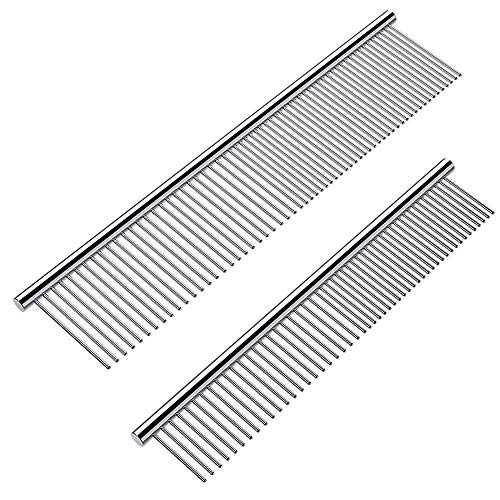
Best combo: Pat Your Pet Deshedding Brush & Metal Comb Grooming Combo ($14.99). Rake plus comb in one purchase. The comb is how you check your work, which is the step most owners skip.
Deshedding Tools Compared
| Tool | Price | Mechanism | Coat length | Risk of coat damage |
|---|---|---|---|---|
| FURminator Large Dog, Long Hair | $35.27 | Bladed deshedder | Long double coats | Moderate if overused |
| Maxpower Planet Grooming Rake | $13.99 | Pin rake | Medium to long | Low |
| XL+ Undercoat Rake | $32.99 | Long-tooth rake | Very thick, long | Low |
| DOGI Double-Sided Deshedding Brush | $9.99 | Two-sided rake | Short to medium | Low |
| SleekEZ Deshedding Brush | $19.97 | Grooved metal bar | Short to medium | Low to moderate |
| Maxpower Planet Double Sided Rake | $12.91 | Rake plus dematter | Medium to long | Moderate (blade side) |
| Pat Your Pet Brush & Comb Combo | $14.99 | Rake plus comb | Medium | Low |
| Staltwo Deshedding Undercoat Rake | $9.98 | Pin rake | Medium | Low |
How to Choose
Rake or bladed deshedder
This is the main decision. An undercoat rake has rounded pins on a single or double row; it combs through the guard coat and drags loose undercoat out mechanically, cutting nothing. A bladed deshedder such as the FURminator has a fine-toothed cutting edge that grips dead hair and also trims whatever guard hair passes through it. Bladed tools remove more per stroke and produce more impressive piles of fluff. Rakes are gentler on coat texture and safer for weekly year-round use. Many owners end up with both: a rake for maintenance, a bladed deshedder for the two weeks a year the dog is genuinely blowing coat.
Match tooth length to coat depth
If the teeth are shorter than the coat is deep, the tool skims the top and never reaches the undercoat. A Pomeranian and a Great Pyrenees do not use the same rake. Press the tool into the coat before you buy — or measure: a rough guide is that the teeth should reach at least two thirds of the way to the skin. Too long is also a problem on a short coat, where long teeth scratch skin instead of gripping hair.
Understand the two seasons
Double-coated dogs shed lightly all year and heavily twice a year, typically spring and autumn, with indoor dogs on less predictable schedules because of artificial light and heating. During a coat blow you may be raking daily for two weeks. The rest of the year, once a week is usually enough. Buying a tool aggressive enough for the blow and then using it at that intensity year-round is how people end up thinning a coat.
Bathe and dry first for the seasonal blow
Professional groomers do not rake a dirty dog during a coat blow. They bathe, then force-dry, and the dryer alone blasts out an enormous amount of loose undercoat before a tool ever touches the dog. At home, a thorough bath with a dog shampoo — not your own, since human formulas are the wrong pH for dog skin and leave it dry — followed by complete drying, makes any rake dramatically more productive.
Know when it is a mat, not shedding
Undercoat that has been left too long compacts into mats, especially behind the ears, under the collar, in the armpits and around the rear. A rake will not fix a tight mat and forcing it through will hurt. Mats that are felted flat against the skin must be clipped out with a clipper and a short blade, not brushed out — brushing through a solid mat tears hair from the follicle and causes brush burn on the skin beneath.
The Picks in Detail
FURminator Large Dog Undercoat deShedding Tool, Long Hair ($35.27)
Sized for large dogs with long double coats — retrievers, shepherds, collies, Bernese. The blade grips dead undercoat and lifts it out in impressive quantity. Use short, light strokes in the direction of hair growth, cover each area a few passes and move on, and stop when the volume coming out drops off. Do not press hard and do not work the same patch repeatedly; the blade will start taking healthy coat and, on a thin-skinned dog, will irritate skin. Ten to fifteen minutes is a full session for most dogs.
Maxpower Planet Dog Grooming Rake ($13.99)
The workhorse for ordinary weekly maintenance. Rounded pin tips, a comfortable handle, and no cutting edge, so you can use it regularly without worrying about texture damage. Work in sections, with the lay of the coat, letting the teeth do the work rather than dragging. This is the tool most double-coat owners should buy first.
XL+ Undercoat Rake ($32.99)
Built for the giants. Longer teeth reach through a deep coat to the undercoat layer, and the wider head covers more ground per stroke. If you have been frustrated that a standard rake seems to do nothing on your Pyrenees or Malamute, the problem is almost certainly tooth length and this solves it.
DOGI Double Sided Deshedding Brush ($9.99) and Staltwo Undercoat Rake ($9.98)
Both are honest sub-ten-dollar rakes for medium double coats. The DOGI’s two sides give you a coarse row for bulk removal and a finer row for finishing. Neither will last as long as a premium tool, but at this price that is an easy trade, and the technique matters more than the brand.
SleekEZ Deshedding Brush ($19.97)
A wooden handle with a serrated metal edge that catches loose hair as it drags. It is the answer for short double coats where rake teeth have nothing to grip — Labs, Corgis, Beagles, smooth-coated terriers. Use a few passes per area with the lay of the coat. Like any bladed tool, it rewards restraint.
Pat Your Pet Deshedding Brush & Metal Comb Combo ($14.99)
The comb is the underrated half of this purchase. After raking, run the comb through the coat: where it snags, there is undercoat you missed or a tangle forming. That five-second check is what stops small problems becoming mats.
Related guides: best brush for a jack russell terrier, best clippers for an australian shepherd coat, best clippers for matted dog hair, best comb for doodle mix dogs, best dander shampoo for dogs
FAQ
Should I shave my double-coated dog in summer?
No. The undercoat insulates against heat as well as cold, and the guard coat protects skin from sunburn. Shaving removes both. It also risks permanent coat damage, because guard hairs regrow slowly and unevenly while the undercoat comes back fast and woolly. Deshedding removes the dense insulating layer that actually traps heat while leaving the protective outer coat intact — that is the correct summer strategy, along with shade, water, and avoiding midday exercise. The only reason to clip a double coat is on veterinary advice.
How often should I use a deshedding tool?
Roughly once a week outside of shedding season, and every day or two during a coat blow. Sessions should be short — ten to fifteen minutes — and you should stop when the amount of hair coming out drops noticeably. Working the same area past that point starts removing live coat.
Can I use a FURminator-style tool on any dog?
No. Bladed deshedders are designed for shedding coats. On a curly single coat like a poodle or doodle they cut the coat rather than removing dead hair, and on a fine or wiry coat they damage texture. Those coats need a slicker and a metal comb instead. Bladed tools also should not be used on skin that is irritated, sunburned, or broken.
My dog still sheds constantly after deshedding. Is something wrong?
Some year-round shedding is normal for a double coat and no tool eliminates it. But sudden increases, patchy hair loss, bald spots, or itchy inflamed skin are not grooming issues — those point to parasites, allergies, or hormonal conditions and belong with a vet. Diet matters too; a coat in poor condition often improves with a complete, balanced food.
What about a high-velocity dryer instead of a rake?
It is what groomers use and it is remarkably effective — a force dryer blows loose undercoat out of a clean, damp coat faster than any handheld tool. They are loud enough to frighten an unprepared dog, so introduce it slowly and never aim it at the face or directly into the ears. A dryer and a rake together, on a freshly bathed dog, is the professional-standard approach to a coat blow.




Write Your Review
No reviews yet. Be the first to share your experience!