
Canine dental hygiene has evolved dramatically over the last few years, and by 2026, ultrasonic toothbrushes have firmly established themselves as a gold standard for at-home plaque management. Unlike manual brushing, which relies entirely on mechanical friction to scrub away debris, true ultrasonic models utilize high-frequency sound waves to break down bacterial chains and loosen stubborn tartar below the gumline. However, the market is flooded with varying devices, ranging from medical-grade ultrasonic toothbrushes to cheap acoustic sonic brushes rebranded with misleading terminology by third-party sellers.
Navigating this crowded marketplace requires looking past flashy marketing claims and focusing on the mechanical and biological specs that actually impact your dog’s oral health, comfort, and safety. Whether you are upgrading from a standard finger brush or replacing a failing motorized unit, understanding the core differentiators will ensure you invest in a tool that your dog readily tolerates and that genuinely protects their long-term dental health without causing gum irritation or behavioral stress.
As an Amazon Associate we earn from qualifying purchases at no extra cost to you.
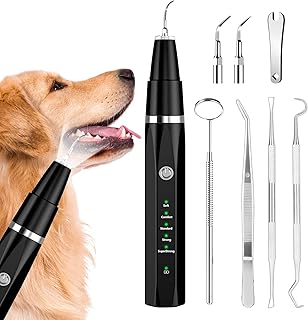
Understanding True Ultrasonic vs. Sonic Vibration
The most critical distinction to make when shopping for your dog is whether the toothbrush is genuinely ultrasonic or merely sonic. True ultrasonic brushes operate at millions of cycles per minute, creating microscopic nano-bubbles that implode against plaque and bacteria without requiring any abrasive motion. Sonic brushes, on the other hand, vibrate rapidly at lower frequencies—typically tens of thousands of strokes per minute—relying on physical bristles to sweep away food particles through friction.
For dogs, true ultrasonic technology offers a distinct advantage because it requires virtually no scrubbing motion. You simply hold the brush head gently against the tooth surface and let the sound waves do the heavy lifting. When evaluating product specifications, always check if the manufacturer specifies megahertz frequency rather than standard brush head oscillations, as true ultrasonic options are significantly gentler on sensitive canine gums and much easier to administer on squirming pets.
Brush Head Size, Shape, and Bristle Softness
A dog’s mouth comes in drastically different shapes and sizes compared to a human mouth, rendering standard human toothbrush heads entirely ineffective for veterinary care. When selecting an ultrasonic toothbrush, verify that the replacement heads are scaled appropriately for your specific breed size—whether you own a tiny Toy Poodle or a massive Great Dane. A brush head that is too large will trigger gag reflexes and fail to reach the back molars, where periodontal disease most frequently originates.
Bristle composition is equally vital to evaluate before purchasing. Even though ultrasonic waves do the vast majority of the cleaning, the physical bristles still make contact with delicate gingival tissue. Look for ultra-soft, rounded nylon bristles that will not lacerate the gums if accidental contact occurs during an active brushing session. Avoid stiff, abrasive, or charcoal-infused bristles that are far too harsh for daily canine enamel use.
Noise Levels and Motor Quietness for Anxious Dogs
Many dogs are initially terrified of electric toothbrushes due to the high-pitched whine and mechanical buzzing of the internal motor. True ultrasonic toothbrushes have a major structural advantage here because they often operate almost silently, producing barely a faint hum or low-frequency audible beep. Before purchasing a specific device, check customer feedback and product specs specifically regarding motor acoustics and operating noise levels.
If your dog is naturally high-strung, rescue-sensitive, or easily startled by grooming tools, prioritizing an ultra-quiet motor will drastically shorten the desensitization phase. A silent or near-silent device prevents the sensory panic associated with traditional electric toothbrushes, allowing you to complete daily brushing sessions calmly, efficiently, and without turning the process into a stressful wrestling match.
Battery Life, Charging Mechanics, and Waterproof Ratings
Convenience matters immensely when maintaining a consistent daily dental routine. A reliable dog ultrasonic toothbrush should feature a robust rechargeable lithium-ion battery that holds a charge for multiple weeks of regular use, sparing you from constant cable management and dead batteries mid-routine. Universal USB-C charging ports have become the industry standard by 2026, offering versatile plug compatibility whether you are at home or traveling with your pet.
Additionally, because canine dental care involves plenty of drool, water exposure, and rinsing, the device must carry a high waterproof rating—ideally an IPX7 certification. This ensures the unit can be safely wiped down, rinsed directly under a running faucet, or even accidentally dropped into a sink filled with water without short-circuiting the internal circuit board or compromising the device’s electrical safety.
When to Spend More: Premium Features Worth the Investment
While basic models suffice for light routine maintenance, premium ultrasonic toothbrushes often justify their higher price points through genuinely useful engineering upgrades. High-end models frequently feature intelligent pressure sensors that alert you if you are pressing the brush too hard against your dog’s enamel, as well as multi-mode settings that let you toggle between sensitive, standard, and deep-clean ultrasonic frequencies.
Furthermore, premium brands typically offer better material durability, longer manufacturer warranties, and wider availability of specialized replacement brush heads designed for specific jaw configurations. If you have a senior dog with advanced plaque accumulation or a breed genetically predisposed to severe periodontal issues, investing in a higher-tier device is a wise, cost-effective long-term health choice that minimizes expensive veterinary dental procedures.
Related Guides
To explore specific product recommendations and read hands-on performance evaluations, check out our comprehensive best ultrasonic toothbrushes for dogs to find the ideal model for your pet’s needs.
FAQ
Do ultrasonic toothbrushes require toothpaste?
While the ultrasonic sound waves break down bacterial chains independently, using a pet-safe, enzymatic toothpaste enhances the cleaning process. Enzymatic pastes help chemically dissolve remaining proteins, and flavoring makes the experience much more appealing to your dog.
Can ultrasonic toothbrushes replace professional veterinary dental cleanings?
No, at-home ultrasonic brushing is designed for daily plaque prevention and maintenance, but it cannot remove hard, calcified tartar that has already formed below the gumline. Regular home care significantly extends the time between professional veterinary cleanings under anesthesia, but routine vet checkups remain essential.
How long should a daily brushing session take?
Most canine dental sessions should last between one to two minutes total, focusing primarily on the outer surfaces of the upper and lower back molars where plaque accumulates most rapidly. You do not need to spend excessive time on each individual tooth because the ultrasonic waves distribute effectively across the surface area.
Are ultrasonic toothbrushes safe for puppies?
Ultrasonic toothbrushes can be used on older puppies once their adult teeth have fully erupted, provided you use the lowest intensity setting and a tiny brush head. However, the primary focus during puppyhood should be gentle desensitization and positive reinforcement so they accept mouth handling as adults.







Write Your Review
No reviews yet. Be the first to share your experience!