
Key takeaways
- Start on a dry coat: Raking wet fur can pull painfully and is less effective at lifting loose undercoat.
- Detangle obvious knots: Work out any visible mats with your fingers or a dematting tool before raking through.
- Work in sections: Part the coat and rake one area at a time so you reach the skin level rather than skimming the top.
A grooming rake is the unsung hero of at-home coat care, especially for double-coated and long-haired breeds. Unlike a slicker brush that works the coat’s surface, a rake’s long, rounded teeth reach down into the dense undercoat to lift loose, dead hair before it forms mats or blankets your furniture. Used correctly, a single rake can reduce shedding dramatically and cut grooming time in half.
This guide explains how a rake works, the correct technique to use one without hurting your dog, and how often to reach for it across the seasons. Whether you own a compact deshedding rake or a wide double-sided model, the method below turns a good tool into genuinely effective results.
Our top picks
 Maxpower Planet Dog Grooming Rake
Dual-sided design pairs a 9-tooth and 17-tooth comb in one tool
Rounded teeth are designed to reduce irritation while deshedding
Non-slip rubber base helps keep the brush steady during use
Dense double coats may require repeated passes for full deshedding
Metal teeth need periodic cleaning to clear trapped hair


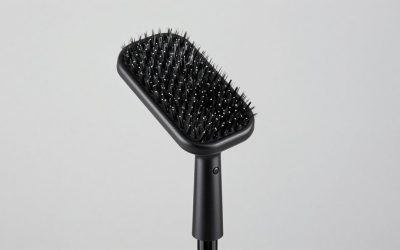
 Maxpower Planet Hair Brush
- Our grooming brush is perfect for dematting and…
- Our dog brushes are designed with sharpened but…
- Our dematting and deshedding tool gently removes loose…
 Staltwo Deshedding Dog Brush for Shedding
Dual-sided design pairs a 9-tooth and 17-tooth comb for different needs
Rounded teeth are designed for safe removal of mats and tangles
Non-slip rubber handle supports a steady grip even when damp
Heavy double coats may need multiple passes to fully deshed
Metal teeth require periodic cleaning to clear trapped fur
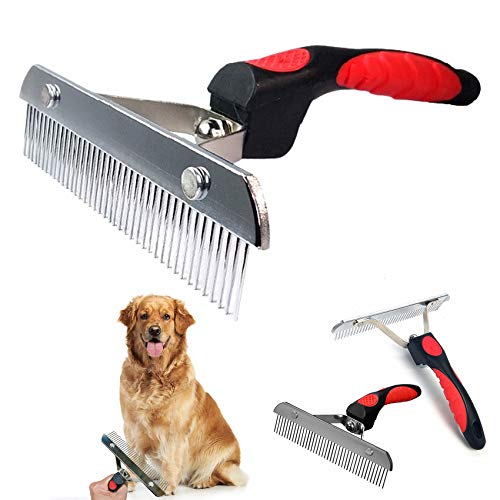 Dog Brushes for Grooming Large Dogs
- The long tooth undercoat rake brush has smooth…
- This large dog grooming comb has an ergonomic…
- Got to brush regularly for 5 minutes to…
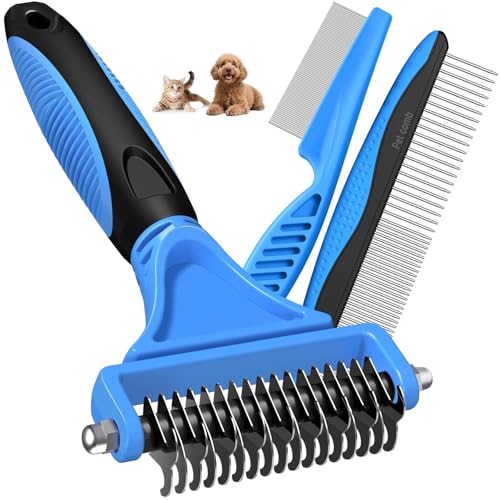 3PCS Pet Grooming Rake & Metal Comb
- 【3PCS Pet Grooming Kit】Dog Deshedding Brush that makes…
- 【Undercoat Rake】Our undercoat rake is perfect for de-shedding…
- 【2-in-1 Comb】Wide side for knotting, smoothing and modeling,…
As an Amazon Associate we earn from qualifying purchases at no extra cost to you.
⚡ Save on Your Next PC — Amazon Prime
Prime members get fast free shipping on the systems above, plus early access to Prime Day & Black Friday PC deals. New members get a 30-day free trial.
Watch: How to Use a Professional Dog Grooming Rake Effectively — Video Review
What a Grooming Rake Actually Does
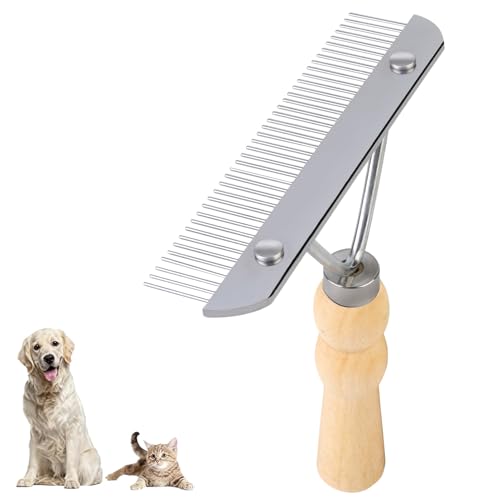
A rake’s job is to pull loose undercoat, the soft, insulating layer beneath the guard hairs, out of the coat before it sheds on its own. Tools like the Maxpower Planet Dog Grooming Rake or a single-row undercoat rake use rounded-tip teeth to slide through the top coat and catch the dead fluff underneath. This is why raking removes so much hair even on a dog you brush regularly with an ordinary brush.
Preparing the Coat First
- Start on a dry coat: Raking wet fur can pull painfully and is less effective at lifting loose undercoat.
- Detangle obvious knots: Work out any visible mats with your fingers or a dematting tool before raking through.
- Work in sections: Part the coat and rake one area at a time so you reach the skin level rather than skimming the top.
The Correct Raking Technique
Hold the rake with a relaxed grip and move it in the direction the hair grows, never against it. Use light pressure and let the teeth do the work; pressing hard scratches the skin and makes the experience unpleasant. Take short, gentle strokes, lifting away the collected undercoat every few passes. A double-sided rake, like Maxpower Planet’s black extra-wide model that claims up to 95% shedding reduction, lets you switch between coarser and finer sides as you go.
Reading Your Dog’s Comfort
Watch for flinching, pulling away, or skin that turns pink, all signs you’re pressing too hard or hitting a tangle. Sensitive spots like the belly, armpits, and back legs need an especially light touch. Keep sessions short and positive, ending before your dog loses patience, and reward calm behavior so the rake becomes a pleasant routine rather than a chore.
How Often to Rake
During heavy shedding seasons in spring and fall, raking two or three times a week keeps the undercoat under control. In off-seasons, once a week is usually enough for most double-coated breeds. Short-coated dogs need it far less often, while thick-coated breeds like Huskies and Golden Retrievers benefit from a consistent schedule year-round.
Tips
- Rake outdoors or over a hard floor for easy cleanup; the volume of hair removed can be surprising.
- Choose a rake sized to your dog; wide models suit large breeds, while a compact rake gives more control on small dogs.
- Never use a rake to force through a tight mat; switch to a dematting tool or split the mat first.
- Follow raking with a quick slicker-brush pass to smooth the coat and catch any remaining loose hair.
Frequently Asked Questions
Can I use a grooming rake on a single-coated breed?
Rakes are designed for undercoat, so single-coated breeds like Poodles or Yorkies get little benefit and can be scratched. Those coats do better with combs and slicker brushes suited to their hair type.
Why is my rake scratching my dog’s skin?
Usually it’s too much pressure or the wrong tooth length for the coat. Let the tool glide with light pressure in the direction of hair growth, and choose rounded-tip teeth to protect the skin.
How is a rake different from a deshedding tool?
A rake has longer teeth that penetrate deep, thick undercoats, while many deshedding tools have a fine blade edge better suited to shorter coats. For dense double coats, a rake reaches hair a blade-style tool can miss.
Will raking damage the top coat?
Not when done correctly. Rounded teeth and light pressure slide past the guard hairs to grab undercoat. Problems only arise from aggressive pressure or dragging against the grain, so keep your technique gentle.
Conclusion
A grooming rake rewards good technique more than brute force. Start on a dry, detangled coat, work in sections with light strokes in the direction of hair growth, and read your dog’s comfort as you go. Match the raking frequency to the shedding season, finish with a smoothing brush, and you’ll see far less loose hair around the house and a healthier, better-ventilated coat on your dog.


Write Your Review
No reviews yet. Be the first to share your experience!