
Key takeaways
- Cat-safe shampoo, never a dog or human product
- A non-slip mat in the sink or tub
- A plastic cup or gentle sprayer for rinsing
- Two or more towels and a warm, draft-free room
- Trimmed claws and, ideally, a helper for a squirmy cat
Cats are famously self-cleaning, so a full bath is rare, but occasionally one becomes necessary: a sticky or toxic substance on the coat, a skin condition, a senior cat who can no longer groom well, or a hairless breed that needs regular washing. The challenge is that most cats find water genuinely frightening, and a panicked cat can hurt both of you.
The key to a safe cat bath is preparation, calm, and speed. This step-by-step guide walks you through setting up, handling your cat gently, and getting the job done with the least stress, plus how to decide when a waterless option would be the better choice.
Our top picks


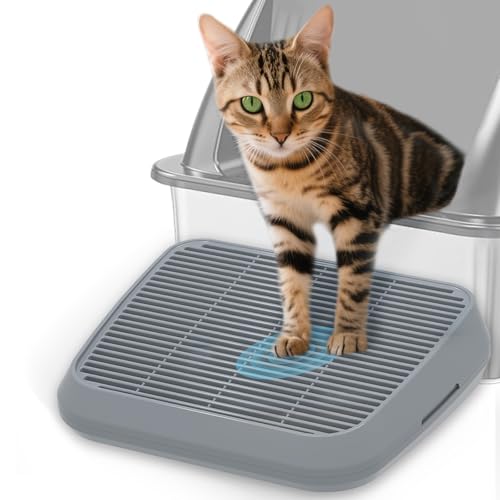


As an Amazon Associate we earn from qualifying purchases at no extra cost to you.
⚡ Save on Your Next PC — Amazon Prime
Prime members get fast free shipping on the systems above, plus early access to Prime Day & Black Friday PC deals. New members get a 30-day free trial.
Watch: How to Safely Bathe a Cat: A Step-by-Step Guide — Video Review
Decide Whether a Bath Is Really Necessary
Before filling the sink, ask whether your cat truly needs a wet bath. For routine freshening, a waterless shampoo or grooming wipes are far less stressful and usually sufficient. Reserve full baths for genuine soiling, something dangerous stuck to the coat, a vet-recommended medicated wash, or breeds and seniors that cannot self-groom effectively.
Prepare Everything in Advance
Set up before you bring the cat in, since a wet cat gives you no time to fetch supplies. Trim the claws beforehand to reduce scratches, and place a non-slip mat in the sink or tub so your cat feels secure rather than sliding. Have cat-specific shampoo, a cup or sprayer, and towels all within reach.
- Cat-safe shampoo, never a dog or human product
- A non-slip mat in the sink or tub
- A plastic cup or gentle sprayer for rinsing
- Two or more towels and a warm, draft-free room
- Trimmed claws and, ideally, a helper for a squirmy cat
Bathe Gently and Quickly
Use just a few inches of lukewarm water. Wet the body from the neck down, avoiding the head, and speak calmly throughout. Work a small amount of cat shampoo into the coat with your hands, then rinse thoroughly with a cup of clean water, since leftover shampoo irritates the skin. Never pour water over the face; wipe the head with a damp cloth instead. Keep the whole process short.
Dry and Reassure
Lift your cat into a towel immediately and wrap them snugly, patting to absorb water rather than rubbing. Most cats hate the noise of a dryer, so towel-dry in a warm room and let the coat finish air-drying. Offer treats and quiet affection afterward, and give your cat space to recover and self-groom, which helps them settle.
Tips
- Trim your cat’s claws a day or two before the bath to reduce the risk of scratches.
- Use only a few inches of lukewarm water and never submerge or startle your cat.
- Keep water away from the ears, eyes, and nose; wipe the head with a damp cloth instead.
- Work quickly and calmly; the shorter the bath, the less stressful it is for both of you.
Frequently Asked Questions
Do cats actually need baths?
Most healthy cats groom themselves well and rarely need one. Baths become necessary for heavy soiling, dangerous substances on the coat, medical conditions, hairless breeds, or seniors who can no longer self-groom. Otherwise, waterless options usually suffice.
What shampoo is safe for cats?
Only shampoo formulated specifically for cats. Dog and human shampoos can contain ingredients unsafe for a cat’s skin or dangerous if licked off afterward, and cats groom the treated coat, so safety matters more than usual.
How do I bathe a cat that hates water?
Consider a waterless shampoo first. If a wet bath is unavoidable, prepare everything in advance, trim claws, use a non-slip mat and minimal lukewarm water, enlist a helper, and work as quickly and calmly as possible.
How often should I bathe my cat?
Rarely, unless a specific need arises. Hairless breeds may need weekly baths, and seniors or medical cases as directed by a vet, but a typical healthy cat should be bathed only occasionally to avoid drying the skin.
Conclusion
A safe cat bath is fast, calm, and well prepared, with everything ready before your cat gets wet and only a few inches of lukewarm water in play. For most cats, though, the best bath is the one you avoid: waterless shampoos and wipes handle routine cleaning with far less stress. Save the real baths for when they are genuinely needed, and keep them short, gentle, and reassuring.









Write Your Review
No reviews yet. Be the first to share your experience!