
Key takeaways
- Choose the right time: Trim when your cat is sleepy and relaxed, after a meal or a nap, not during a play frenzy.
- Reduce stimulation: A quiet room with no other pets keeps your cat settled and focused.
- Have everything ready: Clippers, treats, and styptic powder within reach so you never have to pause mid-trim.
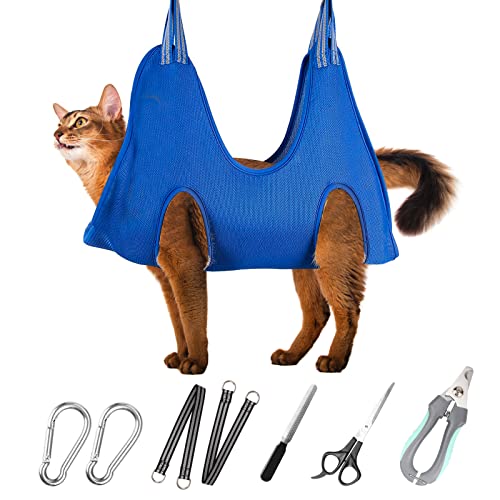
- Consider a calming wrap: A grooming wrap or restraint bag gently secures your cat while exposing one paw at a time.
Trimming a cat’s nails ranks among the most dreaded grooming tasks for pet owners, and for good reason: one bad experience can turn your cat into a wriggling, hissing escape artist for months. But nail trims are important for your cat’s comfort and your furniture, and with the right technique and a few calming tools, they can become a quick, low-drama routine rather than a wrestling match.
This guide covers how to read your cat’s nails, restrain gently without force, and build positive associations so trims stay stress-free for both of you. Whether your cat tolerates handling or panics at the sight of clippers, a patient, well-equipped approach makes all the difference.
Our top picks




As an Amazon Associate we earn from qualifying purchases at no extra cost to you.
⚡ Save on Your Next PC — Amazon Prime
Prime members get fast free shipping on the systems above, plus early access to Prime Day & Black Friday PC deals. New members get a 30-day free trial.
Watch: How to Safely Trim Your Cat’s Nails Without Stress — Video Review
Understanding the Quick
The most important thing to learn is where the “quick” is, the pink blood vessel inside each nail. On clear or light claws you can see it easily; on dark claws, trim only the sharp curved tip a little at a time. Cutting into the quick causes pain and bleeding, which is the fastest way to make your cat fear trims. When in doubt, take less. Keep styptic powder nearby just in case.
Setting Up a Calm Environment
- Choose the right time: Trim when your cat is sleepy and relaxed, after a meal or a nap, not during a play frenzy.
- Reduce stimulation: A quiet room with no other pets keeps your cat settled and focused.
- Have everything ready: Clippers, treats, and styptic powder within reach so you never have to pause mid-trim.
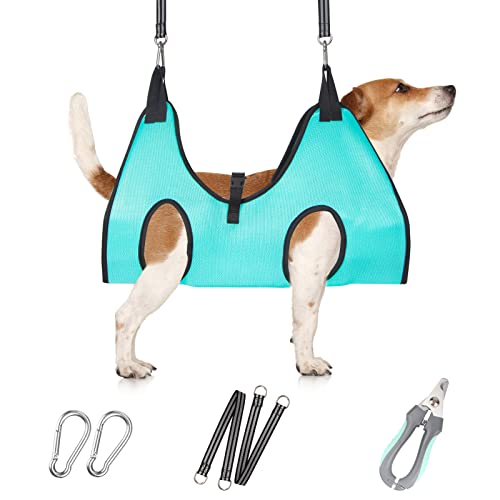
- Consider a calming wrap: A grooming wrap or restraint bag gently secures your cat while exposing one paw at a time.
Gentle Restraint Techniques
Most cats do best with minimal restraint. Cradle your cat in your lap or against your body, and press each paw pad gently to extend the claws. For squirmy or scratch-prone cats, a grooming wrap or a soft restraint bag that exposes one leg at a time keeps everyone safe and calm. A breathable grooming muzzle or head cover can help with cats that bite, reducing stress by limiting their view. The goal is security, not tight confinement, so your cat feels held rather than trapped.
Building Positive Associations
Do not try to trim all 18 claws in one sitting if your cat resists. Trim two or three paws, then stop and reward with a treat and praise. Over a week you can cover them all while keeping the experience positive. Touch and handle your cat’s paws regularly outside of trim sessions so paw contact stops signaling stress. Consistency turns nail trims into just another part of your bond.
Tips
- Trim little and often: Frequent tiny trims are far less stressful than occasional big ones.
- Never rush a panicking cat: Stop and try again later rather than forcing it and creating fear.
- Reward every session: Treats immediately after build a positive association fast.
- Keep styptic powder handy: It stops bleeding instantly if you nick the quick.
Frequently Asked Questions
How often should I trim my cat’s nails?
Every two to three weeks for most cats. Indoor cats and seniors that do not wear their claws down naturally may need trims more often to prevent overgrowth.
What if I cut the quick?
Stay calm and apply styptic powder or cornstarch to stop the bleeding. It looks alarming but is rarely serious. Soothe your cat and end the session on a positive note.
Should I use a restraint bag or wrap?
For cats that scratch or panic, yes. A grooming wrap or bag exposes one paw at a time and keeps your cat secure and calmer, protecting both of you during the trim.
Can I make my cat like nail trims?
You can at least make them tolerable. Handle paws regularly, reward generously, trim when calm, and go slowly. Most cats accept trims well once the routine feels safe and predictable.
Conclusion
Stress-free cat nail trims come down to three things: knowing where the quick is, using gentle restraint like a calming wrap when needed, and rewarding your cat to build positive associations. Trim little and often, never force a frightened cat, and keep styptic powder on hand. With patience and the right tools, this dreaded chore becomes a fast, calm routine that keeps your cat comfortable and your relationship intact.









Write Your Review
No reviews yet. Be the first to share your experience!