
Key takeaways
Best anti shed dog shampoo results are almost always disappointing for one specific reason: owners buy the shampoo and skip the conditioner. The washing step opens the coat, but the conditioning step is what lets dead undercoat slide free of the living hair packed around it. That step is where the results actually come from.
Our top picks
 FURminator Ultra Premium deShedding Shampoo for Dogs
Deshedding formula is designed to help reduce excess shedding
OdorCapture 360 technology targets the classic wet dog smell
Formulated without parabens or chemical dyes
Designed to pair with other FURminator deshedding products for full effect
16oz size may run low quickly for frequent bathers
 TropiClean Deshedding Dog Shampoo
- Quickly Clean & Detangle- dog shampoo removes dirt…
- Reduces Shedding - Exfoliates & moisturize with ProVitamin…
- Tropical Scent - Fresh scent of lime &…
 Arm & Hammer Shed Control Dog Shampoo
- HUMAN SHAMPOOS CAN HARM DOG SKIN: Dogs' skin…
- This de-shedding dog shampoo helps reduce shedding by…
- GUAVA EXTRACT AND ALOE FOR SOFT, CLEAN COAT:…
| Product | Key specs | |
|---|---|---|
| FURminator Ultra Premium deShedding Shampoo for Dogs | Check price | |
| TropiClean Deshedding Dog Shampoo | Quickly Clean & Detangle- dog shampoo removes dirt… Reduces Shedding - Exfoliates & moisturize with ProVitamin… Tropical Scent - Fresh scent of lime &… | Check price |
| Arm & Hammer Shed Control Dog Shampoo | HUMAN SHAMPOOS CAN HARM DOG SKIN: Dogs' skin… This de-shedding dog shampoo helps reduce shedding by… GUAVA EXTRACT AND ALOE FOR SOFT, CLEAN COAT:… | Check price |
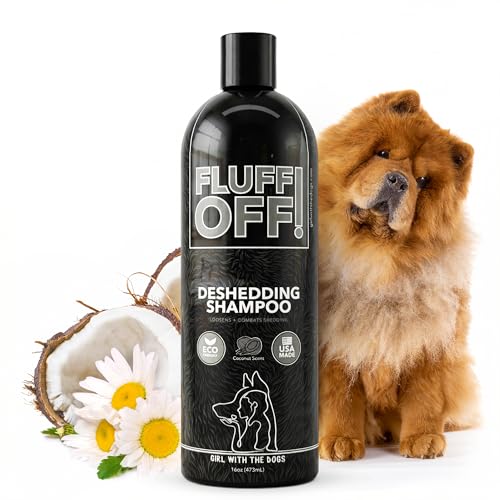 Fluff Off! by Girl With The Dogs | 𝗧𝗥𝗨𝗦𝗧𝗘𝗗 𝗕𝗬 𝗚𝗜𝗥𝗟 𝗪𝗜𝗧𝗛 𝗧𝗛𝗘 𝗗𝗢𝗚𝗦 𝗥𝗘𝗗𝗨𝗖𝗘 𝗖𝗔𝗧 & 𝗗𝗢𝗚 𝗦𝗛𝗘𝗗𝗗𝗜𝗡𝗚 𝗗𝗘𝗘𝗣 𝗖𝗟𝗘𝗔𝗡 𝗔𝗡𝗗 𝗢𝗗𝗢𝗥 𝗠𝗜𝗡𝗜𝗠𝗜𝗭𝗜𝗡𝗚 | Check price |
 TropiClean Deshedding Dog Conditioner | Nourishing Condition - Shed control dog conditioner leaves… Quickly detangle - Strengthen & moisturize the coat… Complete Clean - Pair with Lime & Cocoa… | Check price |
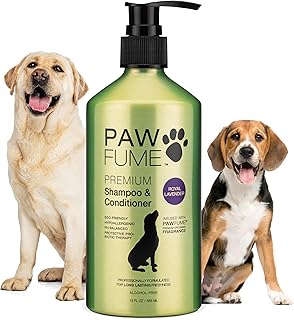 PAWFUME Dog Shedding Shampoo and Conditioner | Check price | |
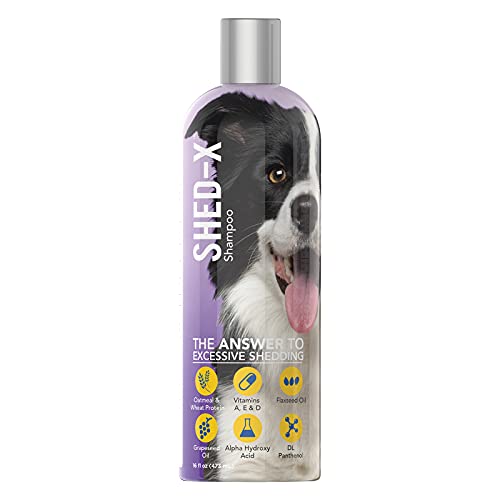 Shed-X Shed Control Shampoo for Dogs | Excessive shedding can result from unhealthy skin and… Shed Control Shampoo infuses your pet’s skin and… The pleasant pomelo fragrance of this shampoo for… | Check price |
 Earth Rated Deshedding Hypoallergenic Dog Shampoo & | This triple-action dog soap formula cleans, conditions, and… 98% NATURAL ORIGIN INGREDIENTS: Natural Origin refers to… Jojoba oil helps loosen and lift excess fur… | Check price |
As an Amazon Associate we earn from qualifying purchases at no extra cost to you.
As an Amazon Associate we earn from qualifying purchases.
By Laura Simmons
Laura Simmons writes about at-home pet grooming gear and coat care routines for Heads to Tails Grooming.
🛒 Best Price Today on Amazon
Prime members get fast, free shipping on everything above, plus member-only deals. New members get a 30-day free trial — cancel anytime.
Start 30-Day Prime Free Trial →See Today’s Amazon DealsHow to Choose the Best Anti Shed Dog Shampoo and Conditioner
Think of shed control as a three-part process rather than a purchase. Wash to open the coat and lift oils, condition to add slip, then brush while the coat is fresh, and judge any product on how well it supports all three stages. The best anti shed dog shampoo is really only the first stage of the three.
Why the Conditioner Does Half the Work
A dead hair is held in place by friction against the hairs surrounding it, not by the follicle. Conditioner coats each shaft and reduces that friction, which is why a brush pulls noticeably more undercoat out of a conditioned coat than a washed-only one. Friction, not the follicle, is what holds a dead hair in place.
Contact time matters here more than in any other grooming step. Most shed-control conditioners specify three to five minutes, and rinsing straight away removes the product before it has had a chance to reach the packed undercoat layer at all. Three to five minutes is the usual window, and it is worth waiting out.
Matching the System to Coat Type
Double-coated breeds get the biggest return, since they carry a whole layer designed to release seasonally. Smooth short coats shed constantly but hold less, so the difference is real but subtler, and the brushing tool matters more than the bottle does. Match the system to the coat before spending anything on it.
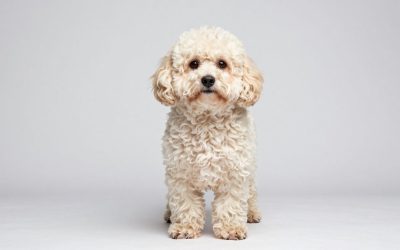
Curly and non-shedding coats do not belong in this category at all. Poodle-type hair grows continuously rather than cycling out, so a shed-control system does nothing useful and the money is better spent on a detangling conditioner instead. A detangling conditioner is the better purchase for a curly coat.
Drying Before You Brush
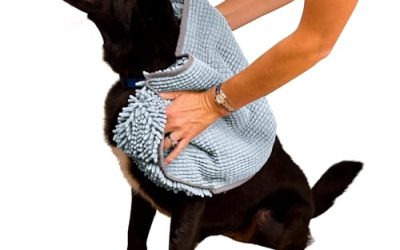
Brushing a wet coat pulls at hair that has not yet released and can tighten the mats sitting in the undercoat. Dry thoroughly first, ideally with a dryer on a cool setting, and the same brushing session removes considerably more hair with less resistance. A cool setting on a dryer is safer than heat on a heavy coat.
Damp undercoat also traps moisture against skin on thick-coated breeds, which causes exactly the sour smell owners blame on the shampoo. On a Husky or Malamute, proper drying is not optional regardless of which products you use. Sour smell after a bath is nearly always trapped moisture rather than shampoo.
Realistic Expectations and Timing
Expect a heavier single brushing session rather than a permanently cleaner house. The hair was going to fall out either way; a shed-control system simply moves it from your furniture into your brush over a shorter window of time. The hair was leaving the dog either way, so you are really only choosing where.
Timing helps. Coat blow tracks daylight and peaks in early autumn and again in spring, so running the full system at the start of those windows removes more hair than reacting once the shedding is already at its worst. Running the full routine in early September usually gets you ahead of the worst of it.
Top Picks: Best Anti Shed Dog Shampoo and Conditioners
The six below deliberately include conditioners as well as shampoos, since the pairing is what produces results. Choose one wash and one conditioning product rather than two of the same category. Pairing the best anti shed dog shampoo with a matching conditioner is what separates a good result from a disappointing one.
| Product | Type | Best For | Price Tier |
|---|---|---|---|
| Wahl Shed Control Lemongrass and Sage | Shampoo | Everyday budget use | Budget |
| Espree Simple Shed Treatment | Shampoo | Heavy coat blow | Mid |
| FURminator deShedding Ultra Premium Conditioner | Conditioner | Maximum hair release | Mid |
| SynergyLabs Groomer’s Blend Deshedding | Shampoo | Value on large dogs | Budget |
| TropiClean Shed Control Conditioner | Conditioner | Everyday pairing | Budget |
| Healthy Breeds Deshedding Shampoo | Shampoo | Breed-specific options | Budget |
Wahl Shed Control Shampoo, Lemongrass and Sage
Alcohol free, paraben free, and pH balanced for dogs, this is the easy supermarket entry into shed control. It lathers generously, which matters on a coat where getting product down to skin level is the main obstacle to the whole exercise. Lather is a real advantage when the coat resists water at first contact.
The deshedding effect is moderate rather than dramatic, since this is closer to a conditioning shampoo than a specialist treatment. The lemongrass fragrance is also strong and stays noticeable on a dense coat for several days. For mild everyday shedding it is enough, and the price makes it easy to keep.
Espree Simple Shed Treatment Shampoo
Aimed squarely at coat blow in double-coated breeds, this softens the undercoat enough that a rake or deshedding tool clears it in far fewer passes. Owners of Shepherds and Huskies tend to notice the difference more clearly than owners of short-coated dogs. Coat blow is exactly when this one earns its place.
It works best as a seasonal product rather than a year-round shampoo, and it needs a full contact period to do anything at all. The price sits above supermarket bottles without a matching size increase for large breeds. Buying it alongside a cheaper everyday shampoo is how most owners end up using it.
FURminator deShedding Ultra Premium Conditioner
This is the product most owners of the matching shampoo never buy, and it is where the results actually come from. Left on for the stated few minutes it adds enough slip to the undercoat that the following brushing session yields visibly more hair. This is the product that turns a mediocre result into a good one.
It is thick and needs thorough rinsing, which takes time on a heavy coat. Used without a deshedding shampoo first it also underperforms, so treating it as a standalone purchase misses the point of the system it belongs to. Budget a few extra minutes of rinsing into bath day rather than rushing the end.
SynergyLabs Groomer’s Blend Deshedding Shampoo
Large bottles at a low price make this the value option for owners bathing a big shedding dog every few weeks. The formula cleans firmly enough to lift the oils holding loose hair in place, which suits working dogs and outdoor coats. Working dogs and outdoor coats are where the firmer cleaning makes sense.
The firmer cleaning action can dry skin already prone to flaking, so pairing it with a conditioner is essential rather than optional. Fragrance is basic and functional, and consistency between batches varies more than with grooming-line products. Skipping the conditioner with this one is a genuinely bad idea.
TropiClean Shed Control Conditioner
Coconut and papaya in a light conditioner make this an easy pairing with almost any shed-control shampoo, at a price that removes the excuse for skipping the step. It rinses out cleanly, which matters on a double coat that traps product easily. The low price removes the usual excuse for skipping the conditioning step.
Conditioning is on the light side, so a dog in full coat blow benefits more from a dedicated deshedding conditioner. The sweet scent also layers oddly with shampoos from other brands, which bothers some owners more than others. For a dog in full coat blow, a dedicated deshedding conditioner is better.
Healthy Breeds Deshedding Shampoo
Sold in breed-labelled versions with broadly similar formulas, this is a straightforward oatmeal-based deshedding shampoo at a low price. It is gentle enough for regular use and covers the basics for a household with mild to moderate shedding. For mild to moderate shedding it covers the basics without any fuss.
The breed labelling is largely marketing rather than genuine formulation differences, so choose on price rather than on the name. Performance during a serious autumn coat blow is modest compared with the specialist treatments. Choose on price and bottle size rather than on the breed name on the label.
What Stronger Guides Add
The original guide compares six shed-control picks and covers the basics of choosing one. The guides ranking above it go further in the places where buyers actually get stuck: they explain what each ingredient does, they give dilution and contact-time numbers, they warn about formats that make shedding worse, and they walk through the bath itself. This add-on fills those gaps so a reader can pick a shampoo and use it correctly on the first bath.
Ingredients That Matter for Shedding
A shed-control shampoo works through the skin and the hair shaft, not through fragrance. Omega fatty acids, usually listed as omega-3 and omega-6, support the skin barrier and help hair stay anchored instead of snapping off during brushing. Oatmeal calms itchy skin, and itchy skin is a quiet driver of shedding because a dog that scratches constantly breaks hair at the root. Aloe vera adds moisture without weight, which matters for double-coated breeds whose undercoat mats when it dries out. Vitamin E supports coat condition and helps the hair shaft stay flexible rather than brittle.
What matters less than the label suggests is any single hero ingredient. A shampoo that lists omega fatty acids near the end of its ingredient list carries very little of them. Look for the active ingredients in the first half of the list, and treat words like natural and gentle as descriptions of the formula style, not as proof that it reduces shedding. A short, readable ingredient list is usually a better sign than a long one full of botanical names.
Dilution and Contact Time
Most shed-control shampoos are concentrated, and using them straight from the bottle wastes product and leaves residue that dulls the coat. The table below gives starting points; always follow the label on the bottle first, since formulas differ.
| Shampoo type | Typical dilution | Contact time | Rinse note |
|---|---|---|---|
| Concentrated professional formula | 1 part shampoo to 10 parts water | 5 to 10 minutes | Rinse twice, then brush while damp |
| Ready-to-use everyday formula | Use as poured | 3 to 5 minutes | One thorough rinse is usually enough |
| Oatmeal soothing formula | Use as poured | 5 minutes | Rinse well; residue can itch sensitive skin |
| Diluted deshedding rinse | 1 part product to 4 parts water | 3 minutes | Apply after shampoo, then rinse lightly |
Contact time is where most baths fail. A shampoo massaged in and rinsed off within a minute never reaches the undercoat. Work the lather down to the skin, wait the full contact time, and keep the dog warm while it sits. A second rinse matters because leftover shampoo traps loose hair against the skin and makes the coat look dull the next day.
Ingredients and Formats to Avoid
Avoid shampoos with heavy added fragrance if the dog has sensitive skin, since scent chemicals are a common cause of post-bath itching, and itching drives more shedding. Avoid any product that lists alcohol high on its ingredient list, because it dries the skin and makes the coat brittle. Medicated shampoos belong under veterinary direction, not in a routine shed-control wash; using them weekly can strip the coat and hide a skin problem that needs treatment.
Shampoo bars deserve a note of their own. They are convenient for travel and for quick paw washes, but a bar cannot be diluted, so the concentration on the skin is whatever the bar delivers. That makes bars a poor choice for a first deshedding bath on a heavy-coated dog, where even coverage and a timed contact period matter more than convenience.
A Bath Routine That Gets More Hair Out
Brush the dog before the bath, not only after it. A slicker brush or an undercoat rake removes the loose hair that is already free, so the shampoo can reach the skin instead of sitting on a layer of dead coat. Wet the coat fully with lukewarm water; a coat that is only damp on the surface will not lather evenly, and dry patches will not get the benefit of the contact time.
Apply diluted shampoo in sections, starting at the neck and working toward the tail, and massage down to the skin with fingertips rather than nails. Let it sit for the contact time in the table above, then rinse until the water runs clear and the coat no longer feels slippery. Towel dry, then brush again while the coat is still slightly damp, because that is when the loosened undercoat comes out most easily. Finish with a short drying session; a dog left to air dry in a cold room will shake, roll, and scatter the hair the bath just loosened.
When Shedding Needs a Vet, Not a Shampoo
Normal shedding follows seasons and coat type. A sudden increase, bald patches, flaky or red skin, a greasy or yeasty smell, or itching that keeps the dog awake are not shedding problems. They are skin problems, and no shampoo fixes them on its own. Thyroid trouble, allergies, parasites, and stress all show up first as coat changes, and a shampoo can only mask the symptom for a week or two.
If the dog has been on the same food and routine and the coat changes suddenly, book a vet visit before buying a new shampoo. Bring the current shampoo bottle and a note of how often the dog is bathed; that information helps the vet separate a product reaction from a medical cause.
Who Should Skip a Shed-Control Shampoo
A dog with a single short coat, such as a Boxer or a Vizsla, sheds so little that a regular gentle shampoo and a rubber grooming mitt do the same job. Puppies under twelve weeks do better with a mild puppy formula, since their skin is thinner and more reactive. Dogs with open sores, hot spots, or a diagnosed skin condition should use whatever the vet prescribes, not a shed-control product. And if the goal is zero shedding, no shampoo delivers that; shedding is normal coat turnover, and the honest aim is less hair on the furniture, not none at all.
Common Mistakes
The most common mistake is bathing too often. Washing a double-coated dog every week strips natural oils and can increase shedding instead of reducing it; most heavy shedders do best with a bath every four to six weeks and brushing in between. The second mistake is skipping the pre-bath brush, which leaves the shampoo sitting on dead hair. The third is using human shampoo, which has the wrong acidity for dog skin and dries the coat out. The fourth is judging a shampoo after one bath; coat turnover takes weeks, so give a new product three or four baths before deciding it does not work.
Frequently Asked Questions
Owners who have already tried a shed-control shampoo and been unimpressed usually arrive at these questions, and the answers explain most of the disappointment. Anyone who has tried a best anti shed dog shampoo and been unimpressed has usually skipped a step, so these answers cover the three that matter most.
Do I really need the conditioner too?
Yes, if you want the results the packaging suggests. The best anti shed dog shampoo opens the coat and lifts oils, but the conditioner supplies the slip that lets dead undercoat release, and skipping it removes most of the benefit. The conditioner is not an upsell; it is the working half of the system.
How long should I leave the products on?
Follow the label, which is usually around three to five minutes for the conditioner and a shorter period for the shampoo. Set a timer, keep the dog warm, and use the waiting time to work product into the thickest areas by hand. Use that waiting time to work the product into the thickest areas by hand.
Will this work on a Poodle or Doodle?
No, and it is not meant to. Curly coats grow continuously instead of cycling out seasonally, so there is no undercoat to release. A detangling conditioner and regular line brushing will do far more for that coat type. Line brushing every few days does far more for a curly coat than any bath ever will.
How soon after the bath should I brush?
Once the coat is completely dry, which is when the undercoat releases most easily and the brush moves without dragging. Brushing damp is harder work, removes less hair, and risks tightening any mats hiding in the undercoat layer. A high-velocity dryer shortens the wait considerably on a heavy double coat.
See More:
- Best dog brush for havanese
- Best dog brush for boxers
- Best brush for matted dog hair
- Best dog shampoo and conditioner for yorkie
- Best dog shampoo for human allergies
Final Thoughts
The best anti shed dog shampoo only performs as part of a system: wash, condition with a proper contact time, dry fully, then brush. Time that routine to the start of the seasonal coat blow and the hair ends up in your brush instead of on the sofa. The brush is still doing most of the work, as it always was.
FAQ
Do I really need the conditioner too?
How long should I leave the products on?
Will this work on a Poodle or Doodle?
How soon after the bath should I brush?
More from Amazon
Programs that pair well with the guide above. Offers and eligibility are set by Amazon and may change.
Set up recurring deliveries of everyday items on eligible products. Terms and savings are set by Amazon.
Explore Subscribe & SaveFree shipping on eligible items, Prime Video and more. Eligible new members can start with a free trial.
Start a Prime free trialA Prime membership for ages 18-24 with a trial period. Eligibility is set by Amazon.
See Prime for Young AdultsAudiobooks and podcasts to listen to on the go. Eligible new members can start with a free trial.
Try Audible freeAs an Amazon Associate we earn from qualifying purchases.

Write Your Review
No reviews yet. Be the first to share your experience!