
Our Top Picks
 Veterinary Formula Clinical Care Antiparasitic & Antiseborrheic Wash16 Oz2.38 x 2.28 x 8 inches1 poundsCheck on Amazon
Pros & cons
- pH-balanced formula is designed to support dogs safely
- Oatmeal and allantoin ingredients are included for gentle hydration
- Coal tar and salicylic acid formula targets flakes and odor
- Medicinal scent signals active ingredients but is not fragrance-free
- Some initial flaking is expected as a normal part of use
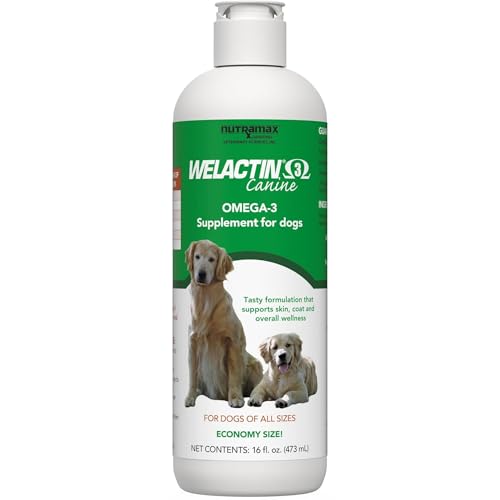 Nutramax Welactin Omega-3 Fish Oil Dog Supplement16 oz (480 mL)3 x 3 x 8.5 inches0.95 poundsCheck on Amazon
Quick answer: Dog dandruff is usually dry or oily skin shedding more flakes than normal. Common causes are dry indoor air, too many or too few baths, allergies, parasites, yeast or bacterial skin infections, poor diet, and hormonal disease. Mild cases often improve with regular brushing, a gentle dog shampoo, omega-3 support approved by your vet, and added humidity. Heavy flaking, itching, odor, or hair loss needs a vet visit.
Last updated: October 2026. Disclosure: some links on this page are affiliate links, and we may earn a commission at no extra cost to you.
What dog dandruff actually is
Dandruff is visible flakes of dead skin cells in the coat, most often along the back, rump, and base of the tail. Skin constantly renews itself. When that cycle speeds up, or when the skin dries out, the shed cells clump together and become easy to see. Veterinary sources describe two broad patterns: dry dandruff, with light, powdery flakes, and oily dandruff, with greasy, yellowish, clumped flakes that may smell musty. Telling which one you are dealing with helps you pick the right care.
Dandruff is not the same as dander. Dander is microscopic skin and allergen particles that float in the air. Dandruff is the part you can see. A dog can shed plenty of dander with no visible flakes at all, and a dog with obvious flakes may have a very different cause from one with allergy-related dander.
Quick facts at a glance
- Flakes alone, with no itch, redness, or odor, are often environmental and mild.
- Flakes plus scratching, red skin, hair loss, or smell point to an underlying problem that needs diagnosis.
- Dry winter air and indoor heating are among the most common triggers.
- Over-bathing can strip natural oils and make flaking worse.
- Some breeds are genetically prone to seborrhea, a condition of abnormal skin oil production and fast skin cell turnover.
- Human dandruff shampoos are generally considered too harsh for dogs.
- Until a vet recommends a specific product, plain lukewarm water is a safer choice than guessing with a new shampoo.
The main causes of dog dandruff
Dry air and weather
Cold weather and indoor heating lower humidity, and skin loses moisture. If the flakes show up every winter and clear up in warmer months, the environment is a likely culprit. A humidifier in the room where your dog sleeps and plenty of fresh drinking water can help. Keep the dog’s bed away from direct heater vents, which blow very dry air onto the coat.
Bathing too often, or not enough
Frequent baths with a harsh shampoo remove the oils that keep the skin barrier healthy. On the other side, dogs that are rarely brushed or bathed can build up dead skin and oil. Dogs with arthritis, pain, or extra weight sometimes cannot groom themselves well, so debris collects along the back and hips.
Allergies
Environmental allergies (pollen, dust mites, molds) and food allergies often show up on the skin. Dandruff is usually just one sign alongside itching, licking paws, rubbing the face, or recurrent ear problems. Allergy flare-ups can be seasonal or year-round, so a pattern in your calendar is a useful clue to share with your vet.
Parasites
Fleas, lice, and mites make skin itchy and flaky. The Cheyletiella mite is nicknamed “walking dandruff” because the flakes appear to move. Mange mites are another possibility. Parasites are diagnosed by your vet, who can also prescribe effective prevention.
Skin infections
Bacterial infections and fungal problems, including Malassezia yeast overgrowth and ringworm, can all cause flaking. Yeast problems often bring greasy skin, a strong odor, and dark or thickened skin in skin folds. These do not clear up with a regular shampoo alone and need veterinary treatment.
Diet and hydration
A diet short on healthy fats, particularly omega-3 fatty acids, can leave skin dry and the coat dull. Dehydration has a similar effect. Switching foods suddenly is not the answer to every case, so talk to your vet before making large changes.
Genetics and seborrhea
Primary seborrhea is inherited and is seen more often in breeds such as Cocker Spaniels, West Highland White Terriers, and Basset Hounds. Dachshunds and German Shepherds are also listed as breeds prone to flaky skin. These dogs usually need ongoing management rather than a one-time fix.
Underlying illness
Hypothyroidism, Cushing’s disease, diabetes, and autoimmune conditions can all change the skin. If dandruff appears together with weight change, low energy, increased thirst, or a thinning coat, a vet check with bloodwork is worthwhile.
Cause chooser: what you see and what it may mean
| What you notice | Possible cause | First step |
|---|---|---|
| Light, powdery flakes in winter, little itching | Dry air, mild dry skin | Humidifier, brushing, gentle shampoo, less frequent bathing |
| Greasy yellowish flakes, musty smell | Oily seborrhea, yeast or bacterial overgrowth | Vet exam; medicated shampoo only as directed |
| Flakes plus heavy scratching or paw licking | Allergies or parasites | Check for fleas, call your vet |
| Moving “flakes” along the back | Cheyletiella mites | Vet diagnosis and treatment |
| Round patches of hair loss with scale | Ringworm, mange, infection | Vet visit; wash hands after handling until diagnosed |
| Flakes with weight change, low energy, thin coat | Hormonal disease | Vet exam and bloodwork |
What helps: a step-by-step plan for mild dandruff
- Rule out the urgent signs first. If you see open sores, a strong smell, widespread hair loss, or constant scratching, skip the home plan and book a vet visit.
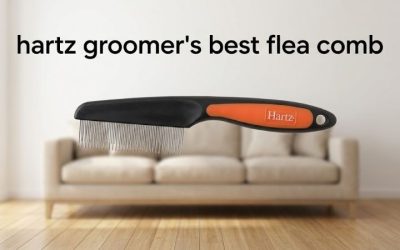
- Check for parasites. Part the coat and use a fine flea comb. Flea dirt looks like black specks that turn reddish when pressed on a damp paper towel.
- Brush regularly. Brushing lifts loose flakes, removes dead hair, and spreads natural oils along the coat. Use a brush suited to the coat and be gentle on irritated skin.
- Bathe with a gentle dog shampoo. Use lukewarm water, work the lather down to the skin, leave it on for the time the label states, and rinse until the water runs clear. Leftover shampoo can itch and flake.
- Do not over-bathe. Follow the label and your vet’s advice. For many dogs with dry skin, once every few weeks is enough; dogs on medicated plans follow the vet’s schedule.
- Add moisture to the air. Run a humidifier in winter and keep your dog away from direct heater vents.
- Support skin from within. Ask your vet about an omega-3 supplement and the right dose for your dog’s weight. Do not use human supplements without veterinary guidance.
- Keep parasite prevention current. Year-round prevention, chosen with your vet, helps keep fleas and mites away.
- Reassess in two to four weeks. If flaking has not clearly improved, or any symptom gets worse, see your vet.
Tools and supplies checklist
| Item | What it does | Note |
|---|---|---|
| Soft slicker or pin brush | Lifts flakes and loose hair, spreads oils | Gentle pressure on irritated skin |
| Fine flea comb | Checks for fleas and flea dirt | Comb near the tail base and belly |
| Dog-formulated shampoo | Cleans without stripping as much oil | Match to dry or oily skin |
| Conditioner or leave-in | Adds moisture after bathing | Dog-specific only |
| Humidifier | Counters dry indoor air | Clean it regularly |
| Fresh water bowl | Supports hydration | Wash daily |
Choosing a shampoo for a flaky dog
The best shampoo depends on the type of dandruff. A gentle, moisturizing formula with oatmeal or aloe suits dry, flaky skin. Oily, seborrheic skin may need a medicated or antiseborrheic product, ideally one your vet recommends. For a deeper comparison, see our guides to the best dog shampoo for dandruff and the best dog shampoo for dandruff and itching.
| Skin type | Look for | Avoid |
|---|---|---|
| Dry, dull coat, fine white flakes | Colloidal oatmeal, aloe, moisturizing conditioner | Harsh degreasers, frequent bathing |
| Oily, yellowish, smelly flakes | Vet-directed medicated or antiseborrheic wash | Heavy oils, skipping the vet |
| Itchy, sensitive skin | Fragrance-light, soap-free formulas | Strong perfumes, human dandruff shampoo |
| Allergy-prone | Hypoallergenic, gentle, easy-rinsing formulas | Trying several new products at once |
Our best dog shampoo for itchy skin roundup covers more options if scratching is part of the picture.
Products that may help
These are examples of common product types. Always patch-test, follow the label, and check with your vet if your dog has a diagnosed skin condition.
Antiseborrheic medicated wash
Veterinary Formula Clinical Care Antiparasitic and Antiseborrheic Wash is a medicated dog shampoo whose listing says it supports dry, irritated skin and helps soothe occasional itchy spots. It fits dogs with flaky, scaly skin when a vet has suggested a medicated approach. The limitation is that medicated washes are not meant for frequent use and can dry some coats, so follow label directions and check with your vet first.
Veterinary Formula Clinical Care Antiparasitic & Antiseborrheic Wash, 16 oz
One of the home product options compared in this guide.
View on AmazonOatmeal shampoo for dry, flaky skin
Warren London Oatmeal Dog Shampoo is aimed at itchy, flaky, dry, and sensitive skin, and the listing mentions vitamins and neem oil. It suits dogs with mild dry-skin dandruff and no signs of infection. One limitation is that it is a general-purpose shampoo with a scent; dogs with very reactive skin may do better with a fragrance-free formula, and it will not treat parasites or infections.

Warren London Oatmeal Dog Shampoo - Soothing Relief for Itchy, Flaky, Dry, & Sensitive Skin - Infused with Vitamins & Neem Oil - Stops Scratching - Made in USA - 17 oz
One of the home product options compared in this guide.
View on AmazonOmega-3 fish oil for skin and coat
Nutramax Welactin is a liquid omega-3 fish oil supplement marketed for skin and coat support in dogs. Omega-3 fatty acids may help support the skin barrier over time, but results take weeks, not days. The main limitation is that dosing depends on your dog’s weight and health, and fish oil can cause loose stools in some dogs, so confirm the amount with your vet.
Nutramax Welactin Omega-3 Fish Oil Dog Supplement, Skin & Coat, Liquid 16oz
One of the home product options compared in this guide.
View on AmazonMistakes to avoid
| Common mistake | Why it backfires | Better approach |
|---|---|---|
| Using human dandruff shampoo | Too harsh for canine skin, can irritate and dry it further | Use a dog-formulated shampoo |
| Bathing every few days | Strips natural oils and increases flaking | Bathe on a measured schedule and brush between baths |
| Poor rinsing | Residue itches and flakes | Rinse until water runs clear |
| Treating infection like dry skin | Delays proper treatment | See your vet for smell, redness, or sores |
| Starting human supplements | Wrong doses or unsafe ingredients | Use dog-formulated products with vet guidance |
| Changing many things at once | Hard to know what helped or caused a reaction | Change one thing at a time |
Breed and coat considerations
Thick double coats (German Shepherds, Huskies) hide flakes and trap moisture, so thorough brushing and rinsing matter more. Short-haired dogs show flakes easily and often have drier skin in winter. Breeds prone to seborrhea, such as Cocker Spaniels and Basset Hounds, may need a lifelong plan with their vet. Wrinkly breeds can develop yeast in skin folds, which needs gentle drying and veterinary care. Puppies and seniors usually have more delicate skin and benefit from milder routines.
When to see a vet or professional groomer
Book a vet visit if you notice any of the following:
- Heavy flaking or crusts that spread or do not improve in two to four weeks.
- Constant scratching, chewing, or rubbing.
- Red, inflamed, or darkened skin, bumps, or open sores.
- A strong odor or greasy feel to the coat.
- Patchy or widespread hair loss.
- Changes in appetite, thirst, weight, or energy.
- Flakes that seem to move, which can mean mites.
Your vet may perform skin scrapings, cytology, or allergy and hormone testing, and can prescribe medicated shampoos, antifungals, or other treatments. A professional groomer can help with thorough brushing, de-shedding, and a proper bath and rinse, but they cannot diagnose or treat skin disease. Tell them about the flaking so they choose gentle products.
Frequently asked questions
Is dog dandruff contagious?
Dandruff itself is not contagious, but some causes are. Cheyletiella mites, fleas, lice, and ringworm can spread between pets and sometimes to people, so see your vet if flaking is paired with itching or hair loss.
What causes sudden dandruff in dogs?
Sudden dandruff is often linked to dry weather, a new shampoo, a diet change, parasites, or allergies. If it came on fast and is paired with itching, odor, or lethargy, have your vet look at it.
Can I use human dandruff shampoo on my dog?
It is best not to. Human dandruff shampoos are considered too harsh for dogs, whose skin has a different pH and is thinner. Choose a dog-formulated product, or ask your vet for a medicated one.
How often should I bathe a dog with dandruff?
It depends on the cause, but bathing too often can worsen dry skin. Many dogs with mild dry skin do well with a bath every few weeks using a gentle shampoo, while medicated plans follow your vet’s schedule.
Does fish oil help dog dandruff?
It may help. Omega-3 fatty acids support the skin barrier and coat, but they are not a cure and take weeks to show effects. Ask your vet to recommend a product and dose for your dog.
Does diet affect dog dandruff?
Yes, it can. A diet lacking healthy fats or a food allergy can lead to dry, flaky skin. Avoid abrupt food changes and discuss an appropriate diet or elimination trial with your vet.
Is dandruff the same as dry skin?
Not exactly. Dry skin is one cause of dandruff, but flakes can also come from oily seborrhea, infection, parasites, or allergies. That is why persistent flaking deserves a proper look.
Can a humidifier help my dog’s dry skin?
It may. Dry indoor air in winter is a common trigger, and added humidity can reduce moisture loss from the skin. Keep the unit clean and out of your dog’s reach.
Bottom line
Most mild dog dandruff is manageable with brushing, a gentle dog shampoo, humidity, careful bathing, and vet-approved nutrition support. The key is knowing when flakes are a symptom of something bigger. Watch for itching, odor, redness, or hair loss, and bring your dog to the vet rather than guessing. Once the cause is known, a steady skin-care routine keeps the coat comfortable and clean.



Write Your Review
No reviews yet. Be the first to share your experience!