
Key takeaways
What's inside
Best pet grooming vacuum systems capture loose hair at the source, pulling it into a canister as you brush rather than letting it settle across the room. This roundup covers suction figures, noise levels, attachments and introduction technique, then compares five systems that genuinely work.
As an Amazon Associate we earn from qualifying purchases.


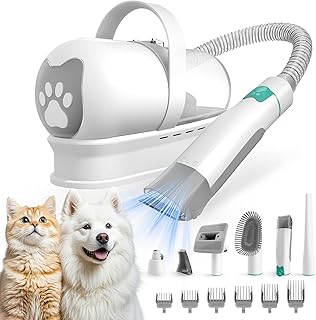


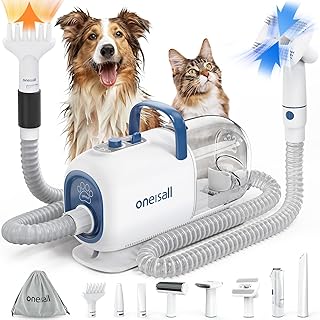

As an Amazon Associate we earn from qualifying purchases.
🛒 Best Price Today on Amazon
Prime members get fast, free shipping on everything above, plus member-only deals. New members get a 30-day free trial — cancel anytime.
How to Choose the Best Pet Grooming Vacuum for Your Dog
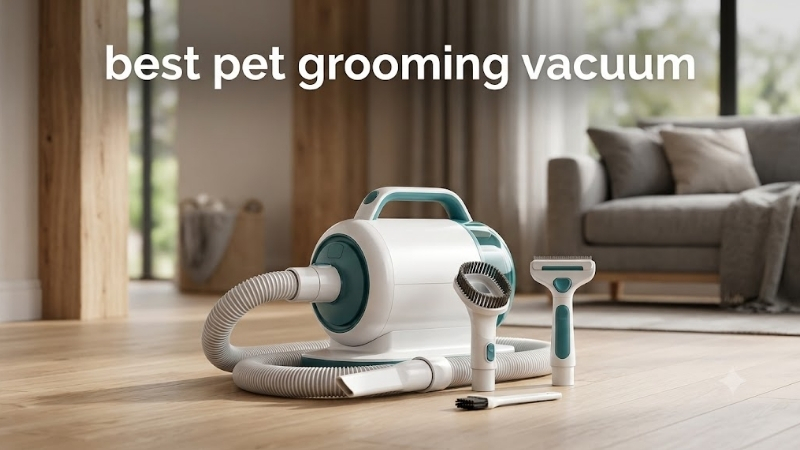
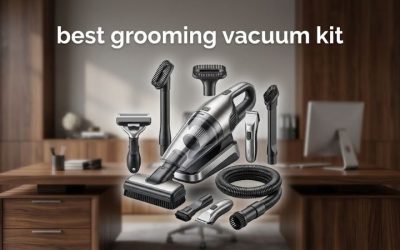
These are not household vacuums with a brush taped on. A grooming vacuum is a low-noise canister with attachments that comb, deshed or clip while suction draws the released hair straight into the bin, which changes shedding season from a cleaning problem into a contained one.
Suction Strength and What the Numbers Mean
Suction on these systems is usually quoted in kilopascals, and most consumer units sit somewhere between roughly 10 and 14 kPa. That is far below a household vacuum, and deliberately so, because the goal is drawing hair off a brush head rather than pulling at the dog’s skin.
Higher figures help on dense double coats where a great deal of undercoat is released at once. On a smooth-coated dog the difference is barely noticeable, so paying for the strongest unit available only makes sense if you own a husky, a retriever or something similarly heavy.
Variable suction is more useful than a high maximum. Being able to drop the power for the face, the belly and the legs while keeping it high across the back and flanks is what makes a session comfortable, and most dogs object to the sensation long before they object to the noise.
Noise Levels and Introducing the System
Noise is the single biggest reason these systems end up in a cupboard. Quieter models sit around the 60 decibel mark, roughly the level of ordinary conversation, and that difference decides whether a dog tolerates the routine or spends the whole session trying to leave the room.
Introduce it over a fortnight rather than in one afternoon. Run the unit across the room during meals, then let the dog investigate the switched-off attachment, then do thirty seconds on the shoulders and stop, building up gradually while good things keep happening alongside it.
Attachments and Which Ones Matter
Kits are sold on the number of attachments, but the best pet grooming vacuum is judged on whether two or three of those heads are genuinely good rather than on whether five of them happen to exist in the box at all. Most kits pad the count with heads nobody uses twice.
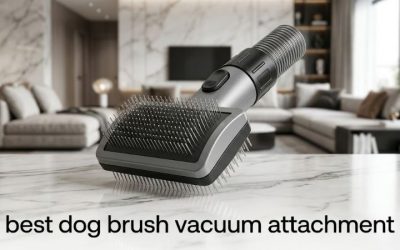
Most kits ship with four or five heads, and only two or three earn their place. The deshedding attachment does the real work on a double coat, the general grooming brush suits short coats, and the flat nozzle handles furniture, car seats and the bed the dog actually sleeps on.
Clipper heads included in these kits are usually modest, with limited power and short blades. They cover paw pads and sanitary tidying adequately, but anyone clipping a doodle or a poodle body coat will want a proper rotary clipper rather than the attachment in the box.
Bin Size, Filters and Maintenance
Maintenance decides whether the best pet grooming vacuum still performs in a year, because these systems collect hair by design, and hair is exactly what clogs a filter fastest in any vacuum ever built. A monthly wash keeps the suction where it started.
Canister capacity typically runs between one and two and a half litres, and a heavy shedding session fills a small bin surprisingly fast. Emptying halfway through is not a problem in itself, but a bin that needs emptying three times will interrupt a dog that had just settled.
Filters clog faster with hair than with dust, and a clogged filter costs suction long before anything looks wrong. Wash the filter monthly during shedding season, dry it completely before refitting, and keep a spare so the system is never out of action waiting for one to dry.
Top Picks: Five Grooming Vacuum Systems Compared
The best pet grooming vacuum for a household depends on coat density, noise tolerance and whether you want a complete system or an attachment for a vacuum you already own. These five cover both approaches, and each entry names a genuine limitation alongside what it does well.
| System | Type | Notable feature | Best for |
|---|---|---|---|
| Neakasa P2 Pro | Full system | Low noise, five attachments | Nervous dogs, double coats |
| oneisall Grooming Vacuum Kit | Full system | Quiet running, large bin | Everyday shedding sessions |
| Homeika Pet Grooming Vacuum | Full system | Value bundle, adjustable suction | Budget-conscious buyers |
| Dyson Pet Grooming Kit | Attachment | Uses an existing Dyson | Households already owning one |
| Bissell Pet Hair Eraser Handheld | Handheld vacuum | Furniture and car seats | Cleaning up rather than grooming |
Neakasa P2 Pro
For a household with a heavy shedder and a nervous dog, this is probably the best pet grooming vacuum on the list, because it manages the rare combination of real suction and genuinely low noise, which is the pairing that decides whether the routine survives past the first fortnight.
This is the system most people end up recommending, largely because the noise level is low enough that dogs accept it far sooner than they accept the alternatives. The deshedding head clears a genuinely impressive volume of undercoat, and adjustable suction covers different body areas.
The bin is on the smaller side for a very heavy shedder, so expect to empty it mid-session on a husky in full coat blow. The included clipper head is also modest, which matters only if you were hoping to replace a proper clipper rather than to supplement your brushing routine.
oneisall Grooming Vacuum Kit
Quiet running is this brand’s consistent strength, and it carries across into their grooming system. For a dog that has already had one bad experience with a noisy machine, starting again with something this quiet is often the difference between progress and permanent refusal.
Suction sits toward the middle of the range, which suits medium coats better than the densest arctic ones. Build quality is reasonable rather than exceptional, and the attachments feel lighter than the premium systems, though they hold up perfectly well under weekly household use.
Homeika Pet Grooming Vacuum
For households unsure whether the format suits their dog, this is the sensible way to find out without spending heavily. The bundle covers the useful attachments, suction is adjustable, and if the dog refuses the whole concept you have lost far less than with a premium system.
Longevity is where the savings show, and heavy weekly users tend to replace it sooner than a better-built unit. Noise sits slightly above the quietest models here, which matters for a sensitive dog and makes the gradual introduction described earlier more important rather than less.
Dyson Pet Grooming Kit
If you already own a compatible Dyson, an attachment costs far less than a complete system and stores in a drawer rather than a cupboard. The slicker-style head retracts to release collected hair into the vacuum, and the suction available is considerably higher than most kits provide.
That strength is also the caution, since full household suction is a lot for a nervous dog and the machine itself is much louder than a dedicated grooming unit. It also only makes sense with a compatible model, so check the fit before ordering rather than assuming it will attach.
Bissell Pet Hair Eraser Handheld
This one grooms nothing, and it is on the list because plenty of households would be better served by it. If your actual problem is hair on the sofa, the stairs and the car rather than hair leaving the dog, a dedicated handheld solves that more directly and for less money.
It will not reduce what the dog sheds, and it does nothing for the grooming routine itself. Think of it as the honest alternative for anyone whose frustration is with cleaning rather than with brushing, since a grooming vacuum is a poor substitute for a decent handheld.
Frequently Asked Questions
Four questions come up constantly before people commit to one of these systems. The best pet grooming vacuum only earns its price if the dog will actually stand for it, which is the theme running through all four of the answers below rather than any question of specification or price.
Will my dog tolerate a grooming vacuum?
Many do, given a fortnight of gradual introduction and a quiet model to start with. Dogs already frightened of the household vacuum need considerably longer, and some never accept it, which is why the return policy is worth checking carefully before buying an expensive system.
Can I use my normal vacuum with a brush attachment?
Only with a purpose-made attachment, since household suction applied directly to skin is uncomfortable and the noise is far higher. Dyson and a few others sell compatible grooming heads, but a plain crevice tool held against a dog is not a substitute for one of those.
Does it replace brushing entirely?
No, and it works best alongside a normal routine. The comb and slicker still handle feathering, tangles and the checking work, while the vacuum captures what the deshedding head releases, so the two approaches complement each other rather than competing for the same job.
How often should I use one?
Weekly outside shedding season and two or three times a week during a coat blow, in sessions of ten to twenty minutes. Longer sessions rarely improve the result and often exhaust the dog’s patience, which makes the next session harder than it ever needed to be.
See More:
- Dog grooming shears best
- Best dog clippers for poodles
- Best dog clippers for doodles
- Best dog brush for poodle
- Best dog brush for great pyrenees
Final Thoughts
The best pet grooming vacuum is a quiet system with adjustable suction, a bin sized for your dog and a deshedding head that suits the coat. Introduce it slowly across a fortnight, keep sessions short, wash the filter monthly, and shedding season stops covering the house in hair.

Write Your Review
No reviews yet. Be the first to share your experience!