
Key takeaways
- Brush a dry, tangle-free coat; work out mats first with a comb or detangler.
- Use short, gentle strokes in the direction of hair growth.
- Avoid sensitive areas such as the belly, legs and tail with fine blade tools.
- Limit deshedding blade sessions to a few minutes per area, about once or twice a week in heavy shedding season.
- Stop if you see redness or the dog shows discomfort.
Shedding season can turn a home into a carpet of fur. A good deshedding brush removes loose undercoat before it lands on the sofa, keeps double-coated breeds comfortable and cuts down on matting. Professional groomers rely on a few specific tool types, and the right one depends on your dog’s coat. Here is how deshedding tools compare and how to use them without irritating the skin.
Deshedding tools compared
| Tool | Best for | How it works | Caution |
|---|---|---|---|
| Deshedding blade tool (fine-toothed edge) | Double coats: huskies, shepherds, retrievers | Reaches through topcoat to pull loose undercoat | Overuse can thin or cut guard hairs |
| Undercoat rake | Thick, long double coats | Long pins remove dense undercoat and small tangles | Choose rounded pins to protect skin |
| Slicker brush | Medium to long coats, finishing | Fine wires lift loose hair and smooth coat | Press lightly; wires can scratch |
| Rubber curry brush / grooming glove | Short coats: labs, beagles, boxers | Grips and lifts loose hair; massages skin | Less effective on long coats |
| Shedding blade (loop blade) | Short and medium coats | Serrated loop pulls loose hair quickly | Too harsh for thin coats |
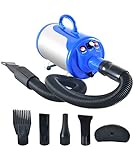
| High-velocity dryer (groomer tool) | Heavy shedders after bathing | Blows out loose undercoat | Noise can stress some dogs |
Match the tool to the coat
Double-coated breeds (huskies, malamutes, German shepherds, golden retrievers) benefit most from an undercoat rake followed by a deshedding blade tool. Short single coats (labs, pit bulls, dachshunds) need a rubber curry brush or shedding blade; fine-toothed deshedding tools can be too much for them. Curly and wire coats (poodles, doodles, terriers) shed little but mat easily; a slicker brush and comb matter more than deshedding tools. Compare dog deshedding tools for undercoat by blade width and coat length.
What groomers look for
Groomers who deshed many dogs a day prioritize comfortable handles, interchangeable blade widths for different body areas, and an easy release button to clear fur. Undercoat rakes with rotating pins glide more gently through dense coats. For heavy shedders, many groomers combine a high-velocity dryer after the bath with a rake, because loosened undercoat comes out faster when the coat is clean and dry.
How to deshed without hurting the skin
- Brush a dry, tangle-free coat; work out mats first with a comb or detangler.
- Use short, gentle strokes in the direction of hair growth.
- Avoid sensitive areas such as the belly, legs and tail with fine blade tools.
- Limit deshedding blade sessions to a few minutes per area, about once or twice a week in heavy shedding season.
- Stop if you see redness or the dog shows discomfort.
A simple shedding routine
During spring and fall coat blows, brushing several times a week keeps fur under control. Bathing with a deshedding shampoo and conditioner, then drying thoroughly, loosens a lot of undercoat at once. A regular routine also lets you check for skin problems, lumps, ticks and fleas. See undercoat rakes with rotating pins for thick-coated breeds.
Common mistakes to avoid
- Using a fine deshedding blade on a short or thin coat.
- Deshedding a wet or matted coat, which pulls painfully.
- Shaving a double-coated breed to stop shedding; the undercoat helps regulate temperature.
- Pressing hard; gentle repeated strokes remove more fur with less irritation.
Which tool suits your dog
Husky, shepherd or golden: undercoat rake plus deshedding blade. Lab or boxer: rubber curry brush or shedding blade. Doodle or poodle: slicker brush and comb. Busy grooming salon: interchangeable-blade tools and a high-velocity dryer.
FAQ
How often should I use a deshedding tool?
Once or twice a week during heavy shedding, less at other times; brush more often with gentler tools.
Can deshedding tools hurt my dog?
Used too often or with pressure they can irritate skin or thin the coat; keep strokes light.
What is the best brush for double-coated dogs?
An undercoat rake to loosen dense undercoat, followed by a deshedding blade tool.
Should I shave my dog to reduce shedding?
Generally not for double-coated breeds; regular brushing works better and protects the coat.




Write Your Review
No reviews yet. Be the first to share your experience!