
Best dog yeast shampoo picks fight Malassezia yeast overgrowth, the cause of that musty, corn-chip smell, itchy paws, and greasy skin. Unlike a plain oatmeal wash, these formulas use antifungal ingredients to actually reduce yeast, but they work best alongside a veterinary diagnosis and a look at the root cause.
Our top picks
 Veterinary Formula Clinical Care Antiseptic & Antifungal
pH-balanced formula is designed to be paraben and soap free
Suitable for use on both dogs and cats over 12 weeks
Twice-weekly use schedule tapers to weekly for maintenance
Requires a 5 to 10 minute soak for full effect
Spot-checking a small area first is recommended
 Douxo S3 PYO Medicated Dog Shampoo with
3% chlorhexidine formula targets bacterial and yeast skin infections
Free from soaps, sulfates, parabens, and phthalates
Ophytrium ingredient is included to help soothe irritated skin
6.7 fl oz size is smaller than many comparable shampoo bottles
Medicated formula suits specific conditions, not everyday washing

 Pet Honesty Chlorhexidine Cat & Dog Seasonal
Veterinary-strength formula is made without sulfates or parabens
Aloe-based formula targets itchy and irritated skin
Works for both dogs and cats in one bottle
Medicated formula is more targeted than an everyday cleansing shampoo
Listing does not specify bottle dimensions or weight

 MiconaHex+Triz Shampoo for Dogs
Single formula works across dogs, cats, and horses
Supports restoring dry, damaged skin in multiple species
Made in the USA
8oz size is small for larger animals or repeated use
Listing provides limited detail on specific active ingredients
 MiconaHex+Triz Shampoo for Dogs
Unscented formula avoids added fragrance for sensitive animals
Helps prevent and treat fungal skin across multiple species
16oz size covers more washes than the smaller bottle
Listing provides limited detail on specific active ingredients
Targeted antifungal formula is not meant for everyday-only washing
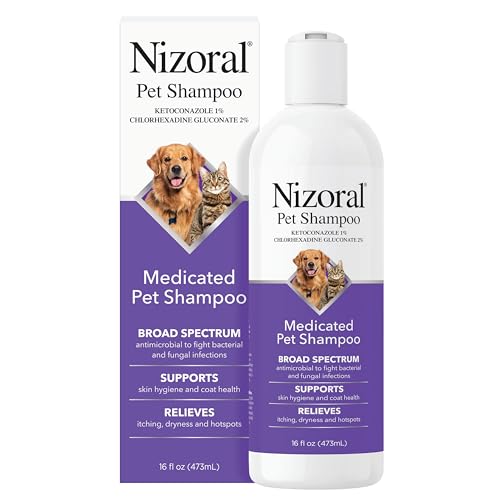 Nizoral Ketoconazole Pet Shampoo
Combines 1% ketoconazole with 2% chlorhexidine for stubborn skin issues
Works across both dogs and cats in one formula
Medicated formula targets hot spots and persistent irritation
Recommended 2-3 times weekly use is more involved than everyday shampoo
Medicated formula suits specific conditions, not daily washing
As an Amazon Associate we earn from qualifying purchases at no extra cost to you.
As an Amazon Associate we earn from qualifying purchases.
By Laura Simmons
🛒 Best Price Today on Amazon
Prime members get fast, free shipping on everything above, plus member-only deals. New members get a 30-day free trial — cancel anytime.
Start 30-Day Prime Free Trial →See Today’s Amazon DealsHow to Choose a Yeast Shampoo for Dogs
Yeast needs an antifungal, not just a soothing rinse, so the best dog yeast shampoo is chosen by ingredient and cause rather than scent. Weigh these four factors, and treat a vet visit as step one.
Antifungal Active Ingredients
Ketoconazole and miconazole are the key antifungals that stop yeast from reproducing, with miconazole especially effective against Malassezia, the most common yeast problem in dogs. Chlorhexidine at two to four percent adds antibacterial and antifungal support, which helps because yeast and bacterial infections often occur together on the same irritated skin.
Plain oatmeal shampoos soothe but provide no antifungal action, and heavy oat formulas may even prolong a severe yeast problem. For yeast, prioritize an antifungal formula over a purely moisturizing one, then layer soothing ingredients on top.
Read the Smell to Find the Cause
A musty, corn-chip, or sour smell returning a day or two after bathing is a reliable sign of yeast overgrowth. A more foul, infected odor may point to a bacterial infection instead, which is where a chlorhexidine-based shampoo and a vet visit come in instead.
Two different smells point to two different first-line shampoos, so matching the product to the actual cause matters most. When in doubt, your vet can confirm with skin cytology, and getting that call right is what makes the best dog yeast shampoo work.
Contact Time and Consistency
Antifungal shampoos need to sit on the skin to work, so lather thoroughly and leave the suds on for the full contact time, often around ten minutes, before rinsing it out. Applying and rinsing immediately wastes the active ingredient before it can work.
Most are used two to three times a week until the odor and itch resolve, but always follow the label and your vet’s plan. Consistency, not strength, is what clears a yeast flare, so skipping baths sets progress back.
Soothing Support and the Whole-Dog Picture
Look for aloe, ceramides, or vitamin E to calm and repair skin, since antifungals and chlorhexidine can be drying. A soap-free, pH-balanced base makes repeated baths gentler on inflamed skin.
Shampoo treats yeast on the surface, but overgrowth often rebounds if the underlying trigger, such as allergies or diet, is not addressed. Lasting relief usually means a whole-dog approach guided by your veterinarian.
Top Picks for the Best Dog Yeast Shampoo
These picks use proven antifungal and antiseptic ingredients for Malassezia yeast, greasy skin, and odor. Prices vary, so treat them as budget, mid, or premium, and confirm the right choice with your vet. Here is a quick comparison of the best dog yeast shampoo contenders.
| Shampoo | Active Ingredients | Best For | Notes |
|---|---|---|---|
| Pet MD Micoseb-CX | Miconazole | Overall value | Fragrance-free, aloe |
| Douxo S3 PYO | 3% chlorhexidine + Ophytrium | Vet-favorite | Barrier support, premium |
| Veterinary Formula Antiseptic & Antifungal | Benzethonium chloride + ketoconazole | Smelly, greasy skin | Budget, deodorizing |
| Dechra MiconaHex+Triz | 2% miconazole + 2% chlorhexidine | Infection + dry skin | Ceramides for barrier |
| Davis Miconazole | 2% miconazole nitrate | Targeted antifungal | Reduces scaling |
| Curaseb Chlorhexidine + Ketoconazole | Chlorhexidine + ketoconazole | Yeast + odor + itch | Aloe-soothing |
Pet MD Micoseb-CX
Our overall value pick pairs potent miconazole, especially effective against Malassezia and ringworm, with a fragrance-free, aloe-infused base that is gentle on sensitive skin. It tackles greasiness, scaling, odor, and hair loss, and is safe for puppies and kittens.
Like all antifungals, it needs consistent use with full contact time to work. For a well-priced, effective everyday yeast shampoo, it is hard to beat for routine control.
Douxo S3 PYO
Frequently recommended by veterinary dermatologists, Douxo S3 PYO combines three percent chlorhexidine with Ophytrium to strengthen the skin barrier while reducing yeast and bacteria, with studies showing lower yeast counts within about a week of consistent use. It is free of soap, sulfates, parabens, and dyes, so it suits regular use.
It sits at a premium price and pairs well with the matching PYO mousse between baths. For recurrent yeast and inflammatory skin, it is a dependable, vet-backed choice worth the higher price.
Veterinary Formula Antiseptic & Antifungal
This budget-friendly formula uses benzethonium chloride and ketoconazole to kill Malassezia yeast and neutralize odor, with aloe to soothe raw, itchy skin. It targets smelly, greasy, red skin patches at an accessible, drugstore-friendly price.
It is paraben- and dye-free but should be used two to three times a week initially for best results. For affordable odor and yeast control, it delivers strong value.
Dechra MiconaHex+Triz
A favorite when a dog has both an infection and dry, damaged skin, this formula combines two percent miconazole and two percent chlorhexidine with barrier-repairing ceramides. It fights yeast and bacteria while adding moisture back to the skin.
It is a step up in price from basic antifungals. For yeast paired with a compromised skin barrier, it is a smart, dual-purpose pick that treats and moisturizes at once.
Davis Miconazole Shampoo
Built around two percent miconazole nitrate, this straightforward antifungal helps eliminate yeast and reduce skin scaling without extra additives. It is a clean, targeted option when miconazole is what your dog needs.
Being a focused formula, it offers less soothing support than blends with aloe or ceramides. For simple, effective antifungal action, it is a reliable choice when plain miconazole is the goal.
Curaseb Chlorhexidine + Ketoconazole
Curaseb blends chlorhexidine and ketoconazole with aloe to fight yeast and bacteria while easing the itch and odor that come with overgrowth. It is a popular pick for smelly, yeasty paws, folds, and recurring paw or ear irritation.
It can be drying with frequent use, so follow the schedule and moisturize between baths. For odor-heavy yeast issues, it rounds out the best dog yeast shampoo list well.
Frequently Asked Questions
Quick answers to common questions about the best dog yeast shampoo and how to use it.
How do I know my dog has a yeast problem?
The classic sign is a musty, corn-chip, or sour smell that returns within a day or two of bathing, often with itchy, red paws, greasy skin, or ear issues. A more foul odor may mean a bacterial infection instead, so ask your vet to confirm with skin cytology and a quick exam.
Will an oatmeal shampoo clear yeast?
No. Oatmeal soothes itch but has no antifungal action, so it will not clear a yeast infection and may even prolong a severe one. For yeast, you need a ketoconazole, miconazole, or chlorhexidine-based shampoo used with the full contact time each bath.
How often should I use a yeast shampoo?
Most are used two to three times a week with about ten minutes of contact time until the odor and itch resolve. Always follow the label and your veterinarian’s plan, since overusing an antifungal can dry out and irritate the skin.
Why does the yeast keep coming back?
Shampoo treats yeast on the skin’s surface, but overgrowth often rebounds if the underlying trigger, such as allergies, ear infections, or diet, is not addressed. Lasting relief usually needs a whole-dog approach and veterinary guidance to find and manage the root cause for good.
See More:
- Best vacuum for pet hair in cars
- Best vacuum for pet hair bagless
- Best bagged vacuum for pet hair
- Best vacuum for pet hair reddit
- Best vacuum for pet hair hardwood and carpet
Final Thoughts
The best dog yeast shampoo is an antifungal formula matched to your dog’s diagnosed problem: miconazole options like Pet MD Micoseb-CX, chlorhexidine picks like Douxo S3 PYO, or a combination product for mixed infections. Use the full contact time, avoid relying on plain oatmeal for yeast, and work with your vet to tackle the underlying cause so the smell and itch stay gone.
Write Your Review
No reviews yet. Be the first to share your experience!