
Our Top Picks
 Miracle Care Kwik Stop Styptic Powder for Dogs1/2 oz (14 g)1.5 x 1.5 x 2.5 Inches0 PoundsCheck on Amazon
Last updated: October 2026
Disclosure: we may earn a commission if you buy through links on this page, at no extra cost to you.
Learning how to trim puppy nails early makes grooming easier for the rest of your dog’s life. Puppy nails are sharp and grow quickly, and a pup that learns to relax during paw handling is much easier to care for as an adult. This guide covers when to start, what tools to use, a gentle step-by-step method, what to do if you nick the quick, and when to hand the job to a groomer or vet.
Quick answer
You can begin handling and trimming a puppy’s nails very early, and many guides suggest starting at around six weeks. Start with paw handling and treats, trim just the tip of one nail at a time with puppy-sized clippers or a quiet grinder, and keep styptic powder nearby. If you are unsure, ask a vet or groomer to demonstrate the first time.
| Question | Short answer |
|---|---|
| When to start | As early as the first weeks at home; get the puppy used to paw handling right away |
| How often | Often weekly at first, since puppy nails grow fast |
| How much to cut | Only a tiny tip; stay well back from the quick |
| Best tool | Small dog or puppy clippers, or a quiet grinder |
| Never use | Human nail clippers, which can crush or split a puppy nail |
Why puppy nail care matters
Long nails can click on the floor, catch on carpet and snag. They can also change how a puppy places their feet. Trimming a little and often keeps nails short, and the experience becomes routine. The bigger benefit is trust: a puppy that learns nail trims are calm and rewarded grows into a dog who tolerates handling at the groomer and the vet.
Understand the nail and the quick
Inside each nail is the quick, a bundle of blood vessels and nerves. Cutting into it hurts and bleeds. In light nails the quick shows as a pink area. In dark nails you cannot see it, so you trim in very small pieces. As you get close, the cut surface changes from dry and chalky to a darker, slightly moist center. Stop as soon as you see that change.
Do not forget the dewclaws on the inside of the legs. They do not touch the ground and can grow long and curl into the skin if ignored.
What you need
- Puppy-sized or small dog nail clippers, or a quiet, low-vibration grinder.
- Styptic powder, plus a soft cloth.
- Small, tasty treats the puppy loves.
- Good lighting, and a non-slip surface or your lap.
- A helper if your puppy wriggles.
Step-by-step: trimming puppy nails
Step 1: Get your puppy used to paw handling
Before any tool appears, spend a few days touching your puppy’s paws during calm moments. Gently hold each paw, press lightly on the toe pads, touch each nail, then give a treat. Keep sessions short and stop while the puppy is still happy.
Step 2: Introduce the tool
Let the puppy sniff the clippers or grinder, then reward. For a grinder, turn it on at a distance so they hear the sound, and bring it closer over several sessions. Do not rush this step.
Step 3: Set up a calm spot
Choose a quiet time, such as after play or a meal when your puppy is tired. Sit on the floor or on a couch with the puppy in your lap or beside you. Have everything within reach before you start.
Step 4: Hold the paw and extend the nail
Hold the paw with your thumb on the pad and your finger just above the nail. Gently press so the nail extends. Keep the hold light but steady, since a tight grip makes puppies pull away.
Step 5: Trim only the tip
With clippers, snip off just the very tip of the nail. Many vets advise taking tiny amounts and leaving a margin before the quick. With a grinder, touch the nail lightly for a second or two at a time, then check. Heat from a grinder can build up, so work in short bursts.
Step 6: Reward and stop early
Treat after each nail. Do one nail on the first day, then two or three, working up to a full paw over time. It is fine to finish over several days. A good mood matters more than a perfect trim.
Step 7: Smooth the edges
Sharp edges can scratch. A light pass with a grinder or a nail file takes the sharpness off after clipping.
What to do if you cut the quick
It happens, even to professionals. Stay calm, because your puppy will take cues from you.
- Apply styptic powder to the nail tip and hold gentle pressure for a moment. Cornstarch or flour is a common household fallback if you have no powder.
- Keep the puppy still and comfort them, then give a treat.
- Do not trim more nails for the day if the puppy is upset.
- Watch the nail for the next few hours to make sure bleeding has stopped.
Call your vet if bleeding does not stop after several minutes of pressure, if the nail is torn or cracked, or if the toe becomes swollen, red or sore.
Clippers or grinder?
| Option | Pros | Cons | Best for |
|---|---|---|---|
| Small clippers | Fast, quiet, no vibration | Easy to cut too much; a pinch can startle a nervous pup | Calm puppies and owners who like quick trims |
| Grinder | Gradual, smooths edges | Noise and vibration; heat if held too long; takes practice | Dark nails, careful owners, puppies introduced to the sound slowly |
| Nail file | Gentle, low risk | Slow | Touch-ups and very wriggly puppies |
Tools worth considering
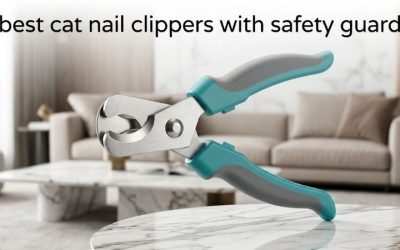
Small-animal nail clippers with a safety guard
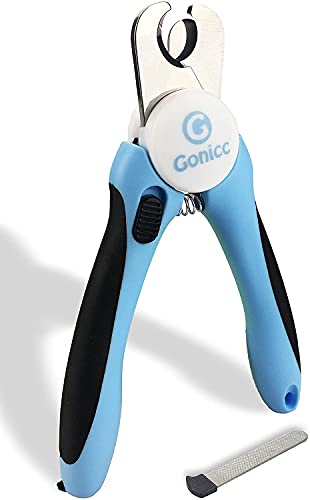
gonicc Professional Dog & Cat, Small Animals Nail Clippers & Trimmers | With Safety Guard to Avoid Overcutting, Free Nail File, Razor Sharp Blade - Ideal Grooming Tool for Dog & Cat, Small Animals
One of the home product options compared in this guide.
View on AmazonThe listing describes clippers for dogs, cats and small animals, with a safety guard to help avoid cutting too much. A guard is not a substitute for care, so still trim tiny amounts. Check the size fits your puppy’s nails, since an oversized tool can crush a small nail.
Small pet nail clippers for tiny paws
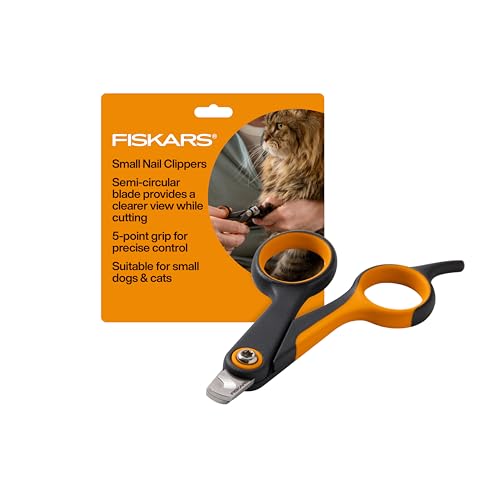
Fiskars Pet Small Nail Clippers, Cat and Dog Trimmers for Grooming, 4.25" | Suitable for Small Dogs & Cats, Semi-Circular Blade for Clear View While Cutting, SoftGrip Handle, Pet Supplies, Black
One of the home product options compared in this guide.
View on AmazonThe listing describes small clippers suited to small dogs and cats. They can suit toy breeds and young puppies with thin nails. Larger pups will outgrow them quickly, so plan to move up in size.
Quiet nail grinder with LED light

Casfuy Dog Nail Grinder Upgraded - Professional 2-Speed Whisper-Quiet Electric Pet Nail Trimmer Painless Paws Grooming & Smoothing for Small Medium Large Dogs & Cats (Dark Blue)
One of the home product options compared in this guide.
View on AmazonA grinder can feel more forgiving than clippers for some owners because it removes a little at a time. The listing describes a two-speed, quiet electric model. Start on the lower speed if available, and introduce the sound with treats first.
Styptic powder for emergencies
Miracle Care Kwik Stop Styptic Powder for Dogs, Cats, and Birds, 0.5 Ounce | Fast Acting Blood Stop Powder with Pain Relieving Benzocaine, For Nail & Claw Clipping, Wing Trimming, or Minor Cuts
One of the home product options compared in this guide.
View on AmazonKeep a bottle within reach every time you trim. The listing describes a fast-acting styptic powder for dogs, cats and birds. Use it only on nails, and ask your vet before using it on other cuts or if bleeding is heavy.
How often should you trim?
Puppy nails grow fast, so a light trim about once a week is common when you are starting out. As they age, many dogs settle into a trim every two to four weeks depending on how much they walk on hard surfaces. A good rule is to trim when you can hear nails clicking on a hard floor or when they extend past the pad when the puppy stands.
Troubleshooting a nervous puppy
- Pulls the paw away. Go back to paw handling with treats and reduce session length.
- Bites or mouths the tool. Let them lick a smear of spreadable treat from a mat while you work.
- Freezes or panics at the grinder. Spend more days on the sound alone, then move to touch without grinding.
- Dark nails you cannot read. Trim in tiny slices, or switch to a grinder and take little off at a time.
When to see a vet or groomer
Ask a professional to help if your puppy is very fearful, if you cannot see where to cut, or if a nail looks injured. See a vet if a nail is cracked, split, bleeding that will not stop, a toe is swollen, or your puppy limps afterward. A dewclaw that has grown into the skin should also be seen by a vet.
FAQ
When can I first trim my puppy’s nails?
You can begin handling paws as soon as the puppy comes home, and many guides suggest starting nail trims around six weeks old. Ask your vet if you are unsure for your puppy.
How much of a puppy’s nail should I cut?
Just the very tip. Trim tiny amounts and leave a safe margin before the quick, especially on dark nails where you cannot see it.
Can I use human nail clippers on a puppy?
It is better not to. Human clippers are shaped for flat nails and can crush or split a puppy’s rounded nail. Use clippers made for small dogs or a grinder.
What if my puppy’s nails are black?
Trim in very small slices and look at the cut end. A grey, chalky look is normal, but a dark, moist center means you are close to the quick. A grinder is another option.
How do I stop my puppy from squirming during nail trims?
Keep sessions short, trim one nail at a time, use high-value treats and pick a time when the puppy is tired. A helper can hold and reward while you trim.
Is a nail grinder safe for puppies?
It can be, with care. Introduce the sound slowly, grind in short bursts to avoid heat, and keep hair away from the head. If your puppy is scared, clippers or a file may suit better.
Can I use dog nail products on a kitten?
Not without checking. Kittens have smaller, more delicate claws, and not every dog product is suitable for cats. Use tools labeled for cats and ask your vet.
Keeping nail care easy as your puppy grows
Puppies change fast, so check your routine every month or so. Nails thicken, paws get bigger, and a tool that fit at eight weeks may be too small at five months. Keep a regular day for trims, such as Sunday evening, so the habit sticks for you as well as the puppy. Pair every session with the same cue word and a favorite treat, and keep the toolkit in one place so you are not hunting for styptic powder when you need it.
Daily walks on pavement help wear nails down a little, but they rarely replace trimming, especially for small breeds and for the dewclaws. Also keep an eye on the fur between the toes, which can hide overgrown nails or trapped debris. If your puppy ever limps, licks a paw obsessively or has a nail that looks different from the others, ask your vet to take a look.
Bottom line
Go slowly, keep it positive and trim only the tip. Start with paw handling and treats, pick a tool that fits your puppy’s size, and keep styptic powder close. A few relaxed minutes each week now builds a dog who accepts nail care for life.




Write Your Review
No reviews yet. Be the first to share your experience!