
Our Top Picks
 Burts Bees for Pets Hypoallergenic Cat Shampoo10 Fl Oz - 1 Pack2.25 x 2.25 x 8.33 inches0.7 PoundsCheck on Amazon
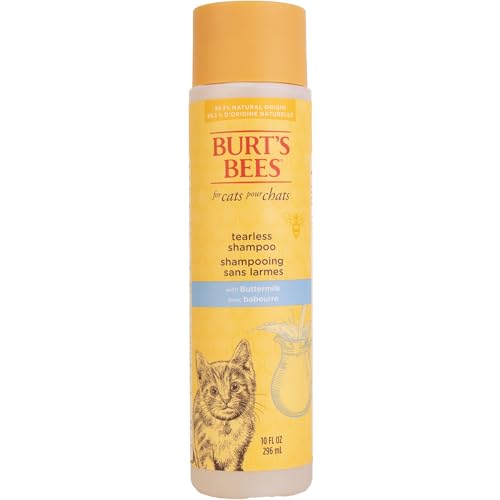 Burts Bees for Pets Tearless Kitten Shampoo with10 Fl Oz (Pack of 1)2.25 x 2.25 x 8.33 Inches0.7 poundsCheck on Amazon
The best cat shampoo for most households is Burt’s Bees Hypoallergenic Cat Shampoo: it is unscented, pH balanced, made for cats, and priced in the budget-to-mid-range band. The runner-up is earthbath Hypoallergenic Cat Shampoo, a fragrance-free bottle in a larger 16 fl oz size for allergy-prone or sensitive-skinned cats. If your cat will not tolerate a bath at all, the best cat shampoo is a no-rinse option such as TropiClean Dander Reducing Waterless Cat Shampoo.
Before you buy anything, remember that most healthy adult cats clean themselves and rarely need shampoo. Shampoo earns its place for a greasy or sticky coat, a long-haired cat that cannot keep up with its own grooming, a senior or overweight cat that cannot reach its back, a hairless breed, or a vet-approved bath for a skin issue. Every pick below is labelled for cats or cats and kittens, and none relies on tea tree oil, essential oils or flea insecticides, which are the ingredients that make dog shampoos risky for cats.
Disclosure: this page contains affiliate links, and we may earn a commission if you buy through them, at no extra cost to you. Our recommendations come from label and listing research, not from paid placement.
Top Picks at a Glance
- Best overall: Burt’s Bees Hypoallergenic Cat Shampoo, a simple unscented formula for everyday baths.
- Best fragrance-free for allergies: earthbath Hypoallergenic Cat Shampoo, 16 fl oz of scent-free cleansing.
- Best value for multi-cat homes: TropiClean Gentle Kitten and Cat Shampoo, a concentrate that stretches across several baths.
- Best for kittens: Burt’s Bees Tearless Kitten Shampoo, a fragrance-free, low-fuss option for first baths.
- Best premium all-in-one: Breezytail PetO’Cera Cat Shampoo and Conditioner for dry, itchy-looking coats.
- Best for long coats: Skout’s Honor Probiotic Cat Shampoo and Conditioner, a 2-in-1 with avocado oil.
- Best waterless: TropiClean No Rinse Waterless Cat Shampoo, Dander Reducing, for cats that refuse a bath.
Cat Shampoo Comparison Table
| Product | Best for | Type | Size (listing) | Scent | Watch for | Price tier |
|---|---|---|---|---|---|---|
| Burt’s Bees Hypoallergenic | Everyday baths, dry or sensitive skin | Rinse-off | 10 fl oz | Unscented | Smaller bottle for long-haired cats | Budget to mid-range |
| earthbath Hypoallergenic | Allergy-prone, sensitive skin | Rinse-off | 16 fl oz | Fragrance-free | Thinner scent cues if you like fragrance | Mid-range |
| TropiClean Gentle Kitten and Cat | Several cats, regular baths | Rinse-off | 12 oz | Light coconut (per maker descriptions) | Dilute exactly as the label says | Budget to mid-range |
| Burt’s Bees Tearless Kitten | Kittens and nervous small cats | Rinse-off | 10 fl oz | Fragrance-free | Low-lather, so rinse by feel | Budget |
| Breezytail PetO’Cera | Dry, itchy-looking coats | Rinse-off 2-in-1 | 10.1 oz | Not listed | Highest cost per ounce here | Premium |
| Skout’s Honor Probiotic | Long or tangled coats | Rinse-off 2-in-1 | 16 oz | Unscented | Conditioner can weigh down fine coats | Premium |
| TropiClean No Rinse Dander Reducing | Bath-averse, seniors, between baths | Waterless | 7.4 oz | Not listed | Spot-cleaning tool, not a deep clean | Mid-range |
1. Burt’s Bees Hypoallergenic Cat Shampoo: Best for Everyday Baths
Burts Bees for Pets Hypoallergenic Cat Shampoo, Unscented, 10 Fl Oz | Gentle shea butter and honey formula for indoor cats with dry or sensitive skin, pH balanced
Chosen because it is hypoallergenic.
View on AmazonKey specs
- Size: 10 fl oz
- Formula: shea butter and honey, unscented, pH balanced
- Made for: indoor cats with dry or sensitive skin (listing wording)
- Type: rinse-off liquid
- Minimum age: not listed in the title, so check the bottle
Best for: an adult cat that needs an occasional bath and has no medical skin problem. Skip if: your cat has a long, dense coat, because 10 fl oz runs out quickly, or if a vet has prescribed a medicated product.
This is the pick we would reach for when someone asks for one bottle that will not cause trouble. The listing describes a gentle shea butter and honey formula for indoor cats with dry or sensitive skin, and it is unscented, which matters more than it sounds: a cat licks whatever stays on its coat, and strong perfume is one more thing to swallow.
Because it is a plain cleanser rather than a treatment, it suits the most common reasons to bathe a cat, such as a greasy patch near the tail, a spill, or a sticky coat after a litter-box mishap. It is not a flea product and it will not fix itching that has a medical cause. If the skin stays red or flaky after a gentle bath, that is a vet question, not a shampoo-switching question.
Use warm water, work the lather in away from the eyes and ears, and then rinse for longer than feels necessary. With any cat shampoo the rinse is what keeps residue off the tongue.
Pros: unscented; pH balanced for gentle use; widely stocked; low price band.
Cons: small bottle for long coats; the lather is mild, so greasy coats may need a second wash.
2. earthbath Hypoallergenic Cat Shampoo: Best Fragrance-Free for Allergy-Prone Cats

earthbath Hypoallergenic Cat Shampoo, Made in USA, 16 fl oz (1 Pack) | Gentle Fragrance Free Cat Shampoo for Allergies and Sensitive Skin
Chosen because it is hypoallergenic.
View on AmazonKey specs
- Size: 16 fl oz
- Formula: fragrance-free, made in the USA (listing)
- Cleansers: third-party guides describe plant-derived coconut cleansers with aloe
- Made for: allergies and sensitive skin (listing wording)
- Minimum age: not listed, so check the bottle
Best for: cats that react to scented products or live in a household where someone is sensitive to fragrance. Skip if: you need a conditioning step for a long coat, or if you want a waterless product.
The larger 16 fl oz bottle is the first practical advantage: a Maine Coon or a Persian can use a fair amount of liquid, and two cats can empty a small bottle in a couple of baths. The listing positions this one for allergies and sensitive skin and lists it as fragrance-free, which keeps the ingredient list short.
Be careful with the word allergies. Shampoo does not treat a food or environmental allergy. What a gentle fragrance-free wash does is avoid adding another irritant while your vet works out the cause. If the cat is scratching hard, losing hair or has crusted skin, book the appointment first and bathe only if the vet agrees.
It also works as a good second bottle for cats that did not do well with a scented formula. Patch-test by wetting a small area of the flank and watching the skin for redness before doing a full bath.
Pros: fragrance-free; larger bottle; designed for cats specifically.
Cons: no built-in conditioner; mid-range cost per bath.
3. TropiClean Gentle Kitten and Cat Shampoo: Best Value for Multi-Cat Homes

TropiClean Gentle Kitten & Cat Shampoo, 12oz
One of the home product options compared in this guide.
View on AmazonKey specs
- Size: 12 oz (listing)
- Formula: third-party guides describe oatmeal and aloe with a light coconut scent
- Dilution: guides describe a 16:1 concentrate; confirm on the bottle
- Made for: kittens and cats
- Minimum age: not listed in the title, so check the bottle
Best for: foster homes, multi-cat households and people who bathe cats a few times a year. Skip if: your cat reacts to any scent, in which case go back to the fragrance-free picks above.
If the maker describes this as a concentrate, as several third-party guides do, then a 12 oz bottle goes much further than the size suggests. That is the case for this pick as the best value: you pre-mix a small amount with water in a squeeze bottle, which also makes it easier to apply evenly and easier to rinse than neat shampoo.
Concentrates are only a bargain if you dilute them correctly. Too strong and the coat feels tacky and hard to rinse; too weak and a greasy coat stays greasy. Follow the ratio printed on your bottle rather than a number from a web page, including this one.
The light scent is the trade-off. It is mild, but an unscented formula is the safer first try for a cat with a history of skin sensitivity.
Pros: concentrated formula can cover several baths; kitten and cat labelling; budget-to-mid band.
Cons: scented; dilution step; a squeeze bottle is required for easy mixing.
4. Burt’s Bees Tearless Kitten Shampoo: Best for Kittens and Nervous Small Cats
Burts Bees for Pets Tearless Kitten Shampoo with Buttermilk, 10 Fl Oz | 99% natural origin formula for sensitive, itchy skin, pH-balanced and fragrance-free for kittens
One of the home product options compared in this guide.
View on AmazonKey specs
- Size: 10 fl oz
- Formula: buttermilk, 99 percent natural origin, pH balanced, fragrance-free (listing)
- Made for: sensitive, itchy skin on kittens
- Type: rinse-off, tearless
- Minimum age: not listed in the title, so check the bottle
Best for: a kitten’s first bath, small cats, and anyone worried about eye sting. Skip if: your kitten is under the age printed on the bottle, or if your kitten has a skin problem a vet is already treating.
A kitten bath is rarely needed. Mothers and, later, the kitten itself do most of the cleaning, and a warm damp cloth often solves a dirty face or bottom. When a full bath is unavoidable, a tearless, fragrance-free formula is the sensible choice because kittens squirm, shake and will inevitably get some water near the face.
Always read the minimum age on the exact bottle. Age limits on pet shampoos vary by product, and third-party guides cite anything from about 6 to 12 weeks for different formulas. Keep the bath short, keep the room warm, and dry the kitten fully, because small bodies lose heat fast.
This is also the second Burt’s Bees pick in this guide, and it is a sensible budget buy for a household that wants to keep the same brand across ages. A kitten that grows up on a gentle formula can move to the adult version later.
Pros: tearless; fragrance-free; low price band; gentle formulation.
Cons: low lather means you may miss soapy areas and under-rinse; not meant for heavy-duty degreasing.
5. Breezytail PetO’Cera All-in-One Cat Shampoo and Conditioner: Best Premium Pick for Dry, Itchy-Looking Coats

Breezytail PetO’Cera All-in-One Cat Shampoo and Conditioner | Hypoallergenic Cat Skin & Coat Care | Itch Relief, Moisturizing & Rejuvenating | Veterinarian Approved and Formulated (10.1oz, 300ml)
Chosen because it is hypoallergenic.
View on AmazonKey specs
- Size: 10.1 oz (300 ml)
- Type: 2-in-1 shampoo and conditioner, hypoallergenic (listing)
- Claims: itch relief, moisturizing; listing says veterinarian approved and formulated
- Scent: not listed
- Minimum age: not listed
Best for: cats with a dull, dry-looking coat where you want shampoo and conditioner in one step. Skip if: you are on a tight budget, or if the skin is red, bald or crusted, which needs a vet visit rather than a premium shampoo.
This is the most expensive per ounce of the rinse-off options here, so it needs to justify itself. The all-in-one design is its main argument: cats dislike long baths, and two products means two rinses. A single product shortens the whole ordeal.
The listing claims itch relief and a veterinarian-approved formulation. Treat those as marketing language, not medical promises. Itching in cats has many causes, from fleas to food allergy, and a shampoo can at best soothe the surface for a short time. If a cat scratches daily, over-grooms or has scabs along the neck and back, shampoo is not the answer.
Where it makes sense is as an occasional treat bath for a cat with a dry coat during heating season, or for a cat whose owner wants a single-bottle routine. As with all cat products, do a short patch test the first time.
Pros: shampoo and conditioner in one step; hypoallergenic positioning; designed for cats.
Cons: premium cost; 10.1 oz does not go far on large long-haired cats; scent not listed.
6. Skout’s Honor Probiotic Cat Shampoo and Conditioner: Best for Long or Tangled Coats

SKOUT'S HONOR Probiotic Cat Shampoo and Conditioner, 16 oz | Natural 2-in-1 with Avocado Oil and Omega-3s, 97% Natural, Cruelty-Free, Paraben and Sulfate-Free, Unscented
One of the home product options compared in this guide.
View on AmazonKey specs
- Size: 16 oz
- Type: 2-in-1 shampoo and conditioner
- Formula: avocado oil and omega-3s, 97 percent natural, paraben and sulfate free, unscented (listing)
- Added: topical probiotic positioning
- Minimum age: not listed
Best for: Persians, Maine Coons, Ragdolls and other long coats that need softening before a comb-through. Skip if: your cat has fine, short hair that loses body easily, or if you expect a probiotic shampoo to fix a skin condition.
Long-haired cats are the biggest winners from a conditioning shampoo, because dry hair tangles faster and tangles tighten when wet. The most important rule is to brush out every knot before the bath, since water makes a mat tighter and harder to remove. If a mat is already close to the skin, do not wash it; see a groomer or vet.
A 16 oz bottle gives you a lot more bath volume than the 10 oz options, and the unscented label is a good fit for cats. The probiotic angle is the least proven part of the pitch. It is an interesting idea for coat and skin care, but it is not a reason to buy on its own, and it is not a treatment.
To keep the coat from feeling heavy, use a pea-sized amount of conditioning product at a time and rinse completely. A well-rinsed cat looks soft; a poorly rinsed cat looks dull and licks the leftovers.
Pros: large bottle; conditioning step built in; unscented; free of parabens and sulfates.
Cons: premium band; conditioning can flatten fine coats; probiotic claims are not a medical benefit.
7. TropiClean No Rinse Waterless Cat Shampoo, Dander Reducing: Best Waterless Option

TropiClean No Rinse Waterless Cat Shampoo, Dander Reducing, 7.4oz
One of the home product options compared in this guide.
View on AmazonKey specs
- Size: 7.4 oz
- Type: no-rinse waterless shampoo, dander reducing (listing)
- Application: guides describe massaging in and brushing out
- Minimum age: guides report 12 weeks and older; confirm on the bottle
- Scent: not listed
Best for: bath-averse cats, senior cats, small messes and between-bath freshening. Skip if: the coat is truly greasy or caked, because waterless products are touch-ups, not deep cleans.
A waterless product removes the biggest barrier to grooming: the bath. It suits cats that panic in water, older cats that tire quickly, and cats that only need a quick cleanup after a vet visit or a dusty day. It also fits owners with allergy concerns who want to reduce loose dander between baths without a stressful wash.
Apply it the way the label says, work it gently down to the skin, and follow with a brush or towel so no excess stays on the coat. Because cats lick, avoid heavy product build-up. This is why we prefer a lick-safe, cat-specific formula to a general-purpose product.
One honest limit: waterless shampoo reduces dander on the surface. It does not remove allergens from your house, and it does not replace brushing, washing bedding and vacuuming.
Pros: no water, no rinse, quick; useful for seniors and anxious cats; dander-focused.
Cons: less cleaning power than a bath; small bottle; minimum age must be checked.
Also Consider
Hartz Groomer’s Best Cat Shampoo, Extra Gentle Hairball Control
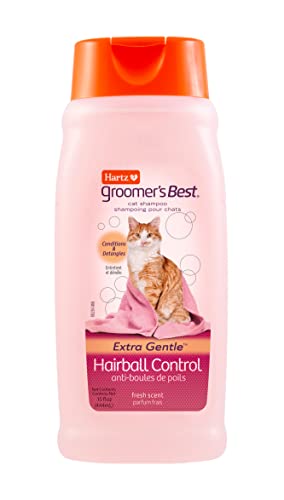
Hartz Groomer's Best Cat Shampoo, Extra Gentle Hairball Control, 15 Ounces
One of the home product options compared in this guide.
View on AmazonBest for budget shedding-season baths: the listing is 15 oz at the lowest price tier here. The trade-off is the hairball claim. No shampoo prevents hairballs by itself, and regular brushing does most of that work, so buy it as a cheap cleanser, not a hairball fix.
Mooncat Waterless Cat Shampoo for Short Hair Cats

Mooncat Waterless Cat Shampoo, Short Hair Cats, No-Rinse Lick Safe Foam | Cat Dry Shampoo Foam, Deodorizing, Hypoallergenic, Alcohol-free, Fresh scent cat wash, For kittens 8+ weeks, 5 fl oz
Chosen because it is hypoallergenic.
View on AmazonBest for short-coated cats needing a quick freshen-up. The listing describes a lick-safe, alcohol-free foam for kittens from 8 weeks, in a 5 fl oz size. The trade-off is volume: 5 fl oz covers only a handful of touch-ups.
Burt’s Bees Waterless Cat Shampoo Spray
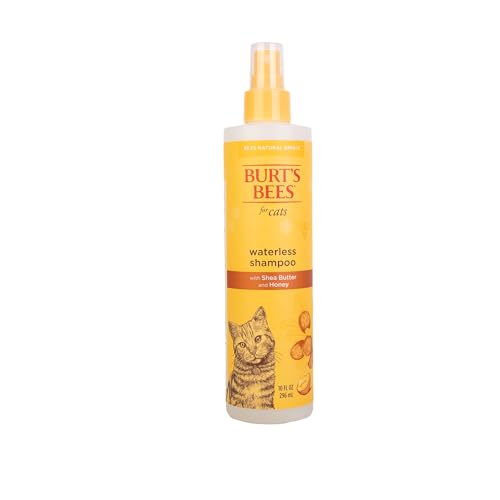
Burt's Bees, Waterless Cat Shampoo, Dry Shampoo Spray, 10 fl oz (296 mL) | Shea butter and honey, 99.3% natural origin, free of sulfates, fragrances, and colorants; no-rinse pump bottle with clear cap
One of the home product options compared in this guide.
View on AmazonBest for spot cleaning on a budget. The listing is a 10 fl oz pump spray with shea butter and honey, 99.3 percent natural origin, and free of sulfates, fragrances and colorants. The trade-off is spray control: spray onto your hand or a cloth rather than near the cat’s face.
How We Chose
These picks are research-based. We did not run product trials on cats. We compared listing titles and descriptions, manufacturer positioning, label wording and published veterinary-style guidance on safe cat bathing, and we cross-checked what several independent buying guides agree on.
The selection criteria were these:
- Made for cats: the product is labelled for cats or for kittens and cats, not for dogs with a cat afterthought.
- No high-risk actives: no flea insecticides, no tea tree or other essential-oil claims in the listing wording.
- Gentle positioning: unscented, fragrance-free or lightly scented, with soap-free or pH-balanced language.
- Clear format: rinse-off, conditioning or waterless, so you can pick the format that fits your cat.
- Tier coverage: at least one budget, mid-range and premium choice, with a maximum of two products per brand among the main picks.
Specs we could not confirm from the listing are marked as not listed. Always read the label on the exact bottle you receive, because formulas and age limits can change.
Cat Shampoo Buying Guide
Check the species statement first
The label should name cats. A line such as for dogs only, or a dog flea formula, is a no for a cat. Flea shampoos that contain permethrin are a serious hazard to cats and can cause tremors and seizures. Do not use them on a cat, and do not let a cat lick a recently treated dog.
Skip the risky ingredients
Avoid tea tree oil, essential oils (citrus, pine, peppermint and similar), phenol-type cleaners and coal tar for cats. A natural label does not mean safe; many natural oils are exactly what a cat’s liver struggles to process.
| Label wording | What it means for a cat | Our take |
|---|---|---|
| For cats or kittens and cats | Formulated with cats in mind | Good starting point |
| For dogs and cats | Check the exact bottle and ingredients | Acceptable only if the label names cats |
| Dogs only | May contain insecticides or oils unsafe for cats | Do not use |
| Hypoallergenic | Marketing term for fewer common irritants | Helpful, not a medical guarantee |
| Tearless | Designed to be gentler near eyes | Still avoid the face |
| Medicated or flea | Contains active ingredients | Use only on vet advice |
| No rinse or waterless | Left on the coat, lick-safe if cat-labelled | Best for touch-ups |
Match the format to your cat
Choose a rinse-off shampoo for a truly dirty or greasy coat, a 2-in-1 for long hair, and a waterless product for cats that fear water or cannot manage a full bath. For a typical short-haired adult, a plain unscented rinse-off shampoo is enough.
Size and dilution thresholds
Use the dose printed on the bottle, and expect a long-haired cat to need noticeably more than a short-haired one. A bottle of about 10 oz is fine for a short coat but will cover only a few baths on a large long-haired cat, so 12 to 16 oz suits those households better. For a concentrate, always dilute to the printed ratio before applying.
Use age rules as a hard limit
Minimum ages vary by product, and guides cite roughly 6 to 12 weeks. If the exact bottle is silent, treat it as a no for young kittens and ask your vet. A warm damp cloth is often safer than a first bath.
Pick a bathing schedule by situation
| Cat situation | Typical bathing approach |
|---|---|
| Healthy short-haired adult | Rarely; only when dirty or greasy |
| Long-haired cat | Occasional bath, only after brushing out every knot |
| Hairless breed (such as a Sphynx) | Regular scheduled washing that can be as frequent as weekly; ask your vet or breeder for the schedule |
| Senior or overweight cat that cannot groom | Spot clean with a waterless product between occasional baths |
| Cat with a skin problem | Only on vet direction |
How to Bathe a Cat Safely, Step by Step
Brush and trim first, because water tightens mats. Warm the room, fill a sink or tub with a few inches of lukewarm water, and put a rubber mat down so the cat can grip. Pre-mix concentrate in a squeeze bottle, wet the coat from the neck down while keeping the face dry, lather gently, and then rinse until the water runs clear and the coat no longer feels slippery. Rinse again. Towel dry, keep the cat in a warm room, and use a low-heat dryer only if the cat is calm with it.
Keep the whole bath as short as you can. If the cat is panicking, stop; a stressed cat can scratch or injure itself, and a waterless clean-up is a perfectly valid option. For a gentle reminder on what not to reach for, our guide on human shampoo for pets explains why people products are the wrong pH, and the same logic applies even more strongly to cats.
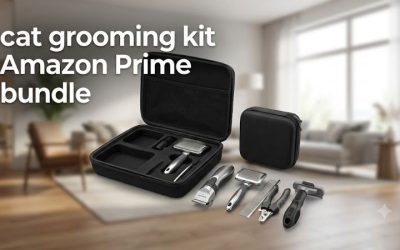
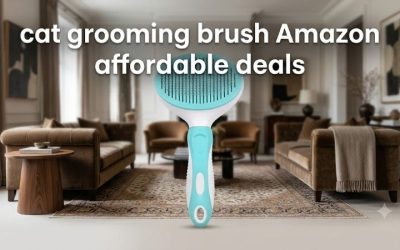
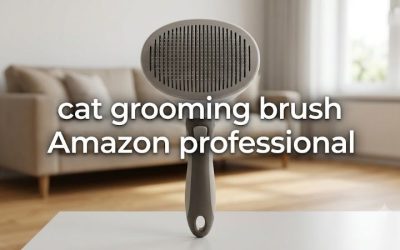
Brushing after the bath keeps the coat from tangling as it dries. If you need a tool, our roundup of the top cat grooming brushes covers coat-by-coat choices, and the guide to affordable cat grooming kits is worth a look if you want a starter set.
When a Vet Visit Beats a New Shampoo
| Sign | What to do |
|---|---|
| Bald patches, thinning fur or clumps | Book a vet visit before bathing |
| Scabs along the neck and back | Possible fleas or allergy; ask your vet |
| Open, weeping or bleeding skin | Vet visit, do not apply shampoo |
| Round, scaly patches | Possible ringworm; vet visit, and wash hands after handling |
| Constant scratching or over-grooming | Vet visit; shampoo will not treat the cause |
| Skin changes with weight loss or lethargy | Prompt vet visit |
No shampoo treats allergies, parasites, fungal infections or hormone disease. Medicated shampoos exist for cats, but they should be chosen by a vet, because the wrong one can be toxic.
Common Cat Shampoo Mistakes to Avoid
- Bathing too often. A healthy cat that is washed every few weeks can end up with dry, flaky skin because shampoo strips the natural oils that protect it. Bathe when there is a reason, not on a calendar.
- Washing a matted coat. Water pulls a mat tighter against the skin. Brush out what you can, and send severe mats to a groomer or vet instead of soaking them.
- Using a leftover dog product. The bottle in the cupboard may be a flea formula. Check the label every time, even for a quick wash.
- Under-rinsing. Residue is the number one reason a cat looks dull or itchy after a bath, and the cat will lick it off. Keep rinsing after you think you are done.
- Wetting the face. Wipe the face with a damp cloth. Never pour water or shampoo over the head, and keep the ears dry.
- Using high heat on a wet cat. A loud, hot dryer frightens most cats and can burn skin. Towel dry first, and use a low, quiet setting only if the cat accepts it.
- Treating a medical sign with shampoo. Scabs, hair loss or constant scratching call for a vet, not for a different bottle.
Who should skip shampoo altogether
If your cat is clean, grooms normally and has healthy skin, you can skip shampoo entirely and rely on brushing. Very young kittens, cats that are unwell or frail, and cats recovering from surgery or a skin condition should only be bathed on veterinary advice. A damp cloth, a soft brush and a waterless cat-labelled product cover most of what these cats need.
Cat Shampoo FAQ
Can I use dog shampoo on my cat?
No, it is best not to. Dog shampoos may contain permethrin, essential oils or tea tree oil, which can be dangerous for cats, and their pH is tuned for a different species. If you have no cat shampoo, plain lukewarm water or a cat-labelled waterless product is safer, and a vet can advise on any one-off exception.
How often should I bathe my cat?
Most healthy cats need few or no baths. Some guides give 4 to 6 weeks as a general maximum, but many vets say routine bathing is unnecessary unless the cat is dirty, smelly, has parasites or has a hairless coat. Ask your vet for a schedule if your cat has a skin condition.
Is waterless cat shampoo as good as a bath?
No, it is a different tool. Waterless products refresh the coat and reduce surface dander, but they do not remove heavy dirt or grease. They are ideal for seniors, anxious cats and spot cleaning.
What is the safest shampoo for a kitten?
Choose a product labelled for kittens, fragrance-free and tearless, and follow the minimum age on the bottle. Many kittens only need a warm damp cloth. If the kitten is very young or unwell, ask your vet first.
Can shampoo fix my cat’s dandruff?
A gentle shampoo or dander-reducing product can remove loose flakes, but it will not fix the cause. Dandruff can come from dry air, diet, obesity that limits grooming, parasites or skin disease. Persistent flakes deserve a vet check.
Do I need to rinse cat shampoo out?
Yes, unless the label says no-rinse. Cats lick their fur, so leftover shampoo ends up in the mouth. Rinse until the coat no longer feels slippery.
Can I use baby shampoo or dish soap on a cat?
Avoid both. Baby shampoo is made for human skin and dish soap strips protective oils. Ask a vet if your cat has been coated in grease or an unknown substance, because that can be an emergency.
Does cat shampoo help with flea problems?
Ordinary cat shampoo only washes off some fleas. It does not prevent re-infestation. Ask your vet for a cat-safe flea treatment and never use a dog flea product on a cat.
Which Cat Shampoo Should You Buy?
- One gentle bottle for an adult cat: Burt’s Bees Hypoallergenic Cat Shampoo.
- Sensitive or scent-averse cat: earthbath Hypoallergenic Cat Shampoo.
- Several cats or a foster home: TropiClean Gentle Kitten and Cat Shampoo, diluted as directed.
- Kitten: Burt’s Bees Tearless Kitten Shampoo, or just a warm damp cloth.
- Long or tangled coat: Skout’s Honor Probiotic Cat Shampoo and Conditioner.
- Dry-looking coat and a single-step routine: Breezytail PetO’Cera.
- Cat that hates water: TropiClean No Rinse Dander Reducing, or the budget Burt’s Bees waterless spray.
If you remember only one rule, make it this: a cat product, a thorough rinse, and a vet visit for anything that looks like a medical skin problem.
Last updated: October 2026


Write Your Review
No reviews yet. Be the first to share your experience!