
Best cat brush for persian cats is really a question about routine rather than about a single tool. A persian carries the densest coat of any domestic cat, and it mats in four predictable places that each need a different approach if you want to avoid an annual shave-down at the vet.
Our top picks
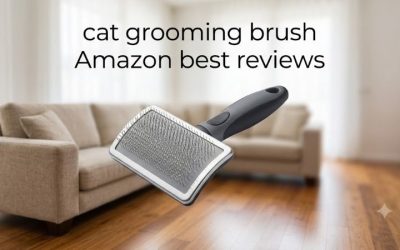
 Aumuca Cat Brush for Shedding
- Hair Type: All
- Item Dimensions L x W x H: 4.05"L x 1.54"W x 9.64"H
- Bristle Material: Stainless Steel
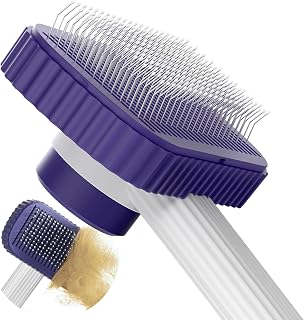


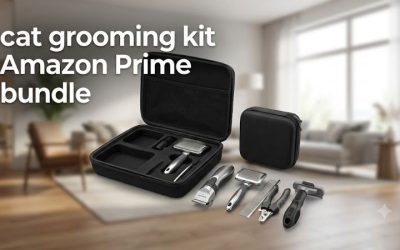
 Professional 3PCS Self Cleaning Slicker Brush &
- 【Professional Pet Grooming Kit 】3 Pet grooming tools…
- 【Why Choose Augwind 3PCS ?】 Augwind Pet Grooming…
- 【Dematting and Deshedding Tools】 Augwind Pet Grooming Rake…
As an Amazon Associate we earn from qualifying purchases at no extra cost to you.
As an Amazon Associate we earn from qualifying purchases.
By Laura Simmons
🛒 Best Price Today on Amazon
Prime members get fast, free shipping on everything above, plus member-only deals. New members get a 30-day free trial — cancel anytime.
Start 30-Day Prime Free Trial →See Today’s Amazon DealsHow to Build a Routine Around the Best Cat Brush for Persian Cats
A persian coat can reach several inches with a thick undercoat beneath it, and the cat cannot maintain it alone no matter how much it grooms. Daily attention is not optional with this breed, and dividing the cat into zones makes the job far quicker than working nose to tail. Zones make an impossible job manageable.
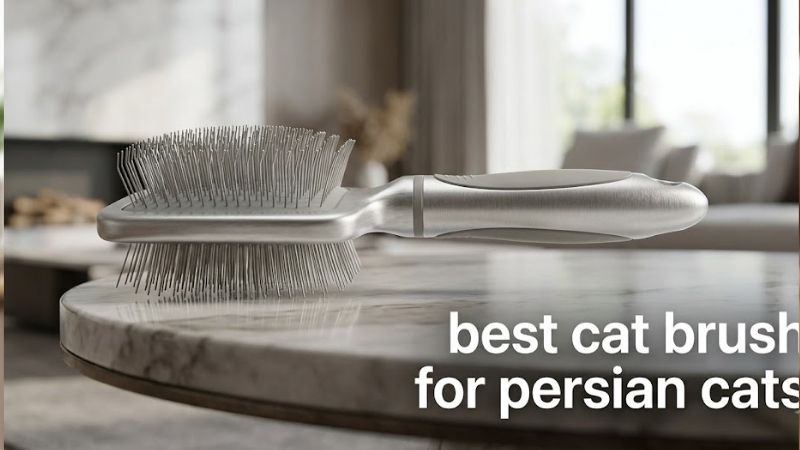
The Four Places Persians Actually Mat
Behind and below the ears, in the armpits, along the britches at the back legs, and under the belly. Those four zones account for the large majority of felting, and they are exactly the places a cat cannot reach and an owner tends to skip because the cat objects. Those four zones are the whole battle.
The body coat over the back and sides is the easy part, and it is where most owners spend their time because the cat tolerates it. Reversing that habit, and doing the difficult zones first while the cat still has patience, changes the outcome enormously. Difficult areas first is the key habit.
Work in short daily sessions rather than one long weekly effort. Two or three minutes covering one zone properly is far more effective than fifteen minutes of a cat losing patience, and it keeps grooming from becoming something the cat learns to avoid. Short and daily beats long and weekly.
Slicker for Volume, Comb for Truth
A self-cleaning slicker lifts loose undercoat efficiently from the body, and the push-button mechanism matters more here than on any other breed because a persian produces an extraordinary volume of shed hair. Clearing the pad by hand every few strokes is what makes owners give up.
The comb is what verifies the work. A slicker smooths the surface while felting can continue underneath, and on a coat this dense that gap is invisible. Run a metal comb from skin to tip after brushing, and treat any snag as work still to do. The comb is the only honest verification.
Face, Eyes, and the Flat Muzzle
Persians have a shortened muzzle and prominent eyes, which means tear staining and debris collecting at the inner corners is routine rather than exceptional. A small fine-toothed comb clears crust before it hardens against the hair, which no amount of wiping alone will manage. Daily attention stops crust hardening.
Do that daily and it stays manageable. If the staining is heavy, sudden, or accompanied by redness, squinting, or discharge, that is a veterinary appointment rather than a grooming problem, since eye and tear duct issues are common in the breed and progress quickly. Eye problems are common in flat-faced cats.
Grooming tool demand peaks during the spring coat change, when increasing daylight triggers the winter undercoat to release over three to six weeks. Buying before that window avoids the seasonal price rise, and discounting on cat grooming tools is deepest around Prime Big Deal Days in October.
What to Do About Mats That Have Already Formed
A small loose tangle can be teased apart by holding the coat at its base so you are not pulling skin, then working from the outer edge inward with a coarse comb. Never cut a mat out with scissors, since cat skin lifts into a mat far more readily than it appears to. Scissors near a mat are genuinely dangerous.
Anything felted tight against the skin belongs with a groomer or veterinarian who can clip it out safely. The skin beneath an established mat is often already inflamed, which turns a persistent brushing attempt into a genuine welfare problem rather than a grooming one. Clipping it out takes seconds in trained hands.
Top Picks: Six Tools for a Persian Routine
The six tools below map onto the zones described above rather than competing with each other. The table lists each tool’s job before the individual assessments, and every entry closes with a real drawback rather than a marketing caveat. No single best cat brush for persian cats covers body, zones, and face together.
| Tool | Type | Zone | Watch Out For |
|---|---|---|---|
| Hertzko Self-Cleaning Slicker | Slicker | Body and sides | Short pins |
| GoPets Dematting Comb | 12 and 20 teeth | Checking and tangles | Needs patience |
| Chris Christensen Baby G | Small slicker | Armpits, behind ears | Firm pins |
| FURminator for Long Hair Cats | Undercoat tool | Coat change weeks | Easy to overuse |
| JW Pet GripSoft Cat Slicker | Soft slicker | Nervous cats, belly | Light removal |
| Fine Stainless Eye Comb | Fine comb | Face and tear stains | Face work only |
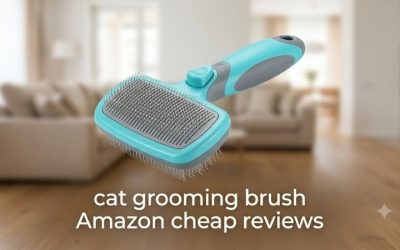
Hertzko Self-Cleaning Slicker Brush
This is the best cat brush for persian cats on the body coat, and the push-button retraction is the feature that makes daily grooming realistic on a persian. Fine angled bristles reach into the undercoat without scratching, and the comfort grip reduces the hand fatigue that ends longer sessions early.
The pins are shorter than a professional slicker’s, so on a full-length persian coat they smooth the surface while the deepest layer stays untouched. That is exactly why the comb check matters, and why this cannot be the only tool in the routine. Pair it with a comb from the first day.
GoPets Dematting Comb
The double-sided layout, with 12 coarse teeth on one side and 20 finer teeth on the other, makes this both the verification tool and the one that opens tangles before they set. Rounded tips reduce scratching, and starting on the coarse side avoids dragging. Coarse first, fine second, every time.
Working a mat out takes patience and the cat’s cooperation, and persians are not always generous with either. Anything felted tight to the skin still belongs with a professional, so treat this as a prevention and early-intervention tool rather than a rescue device. Prevention is where this comb earns its place.
Chris Christensen Baby G
The best cat brush for persian cats in the problem zones measures roughly 2⅜ inches square with 27 mm bent pins, this reaches the armpits, behind the ears, and between the back legs where persians mat first and where a full-size brush cannot be angled safely. It is the tool that addresses the actual problem zones. Nothing larger reaches those areas safely.
The pins are firm and built for dense dog coats, so on cat skin it needs a genuinely light hand and short strokes. It is also expensive for a brush this size, which is only worth it if you are grooming a persian daily as intended. On a daily routine the cost spreads quickly.
FURminator deShedding Tool for Long Hair Cats
During the spring coat change this removes substantially more loose undercoat per stroke than any slicker, and the release button clears the collected hair cleanly. Choose the long-hair version sized to your cat, and reserve it for the weeks when shedding genuinely spikes. Seasonal use makes one tool last for years.
It is very easy to overuse. Repeated passes over one area thin the coat and irritate skin, so limit sessions to once or twice weekly during the shed and stop the moment the tool starts coming back mostly empty rather than pressing harder. Emptiness is the signal to stop entirely.
JW Pet GripSoft Cat Slicker Brush
Softer pins and a rubber-sheathed handle make this the best cat brush for persian cats that resist handling for the belly, the chest, and any persian that has already decided grooming is unpleasant. It is also the right brush for a kitten, where building tolerance matters far more than removing hair. Tolerance built early lasts a lifetime.
Softness limits undercoat removal, so it cannot maintain a persian coat on its own and will fall behind badly during a shed. There is no self-cleaning function either, which slows sessions on a cat that only tolerates a few minutes at a time. Cleanup time comes out of grooming time.
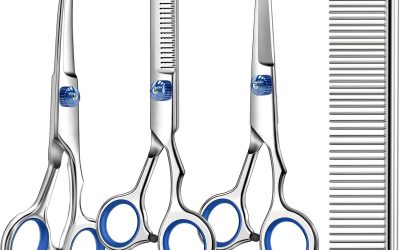
Fine Stainless Steel Eye Comb
A small fine-toothed comb is the daily tool for the inner eye corners and the folds around a flat muzzle, where tear staining and crust collect on a persian more than on any other breed. Used gently every day it keeps the area far cleaner than wiping does. Daily use keeps staining manageable.
It has no role anywhere else on the cat, and fine teeth simply snag in body coat. Persistent heavy staining also warrants a veterinary opinion, since blocked tear ducts and eye irritation are medical issues rather than grooming ones in this breed. A vet check rules out what a comb cannot fix.
Frequently Asked Questions
These questions come up constantly from persian owners, particularly around how much daily grooming is genuinely required and what to do when matting has already started forming near the skin. The answers assume a healthy adult cat and a best cat brush for persian cats used daily.
How often does a persian need brushing?
Every day, without exception, and twice daily during the spring coat change. This is the one breed where weekly grooming is genuinely insufficient, because the undercoat density means felting begins within a couple of days of being left alone. Undercoat density is what drives that pace.
Why does my persian mat even though I brush?
Almost always because the brush is smoothing the surface rather than reaching the skin, and because the difficult zones are being skipped. Do the armpits, britches, and behind the ears first while the cat is still patient, and finish every session with a comb check. Zone order matters as much as tool choice.
Can I cut a mat out myself?
No. Cat skin lifts into a mat far more readily than it looks, and scissor injuries from this are common enough that vets see them regularly. A groomer with clippers removes it safely in seconds, and the skin underneath usually needs checking anyway. Inflamed skin under a mat is very common.
Does brushing reduce hairballs?
Yes, meaningfully. Removing loose undercoat before the cat swallows it during self-grooming is one of the most effective routine interventions available, and persians produce more of that loose hair than almost any other breed given the density of the coat. Swallowed undercoat is what forms hairballs.
See More:
- Best smelling dog shampoo and conditioner
- Best dog mite shampoo
- Hartz Groomer’s Best Soothing Oatmeal Dog Shampoo
- Best professional dog nail grinder
- Best cat brush medium hair
Final Thoughts
The best cat brush for persian cats is never one brush: a self-cleaning slicker for the body, a small firm slicker for the armpits and ears, a comb to verify the work, and a fine comb for the face. Do the difficult zones first and brush every single day.




Write Your Review
No reviews yet. Be the first to share your experience!