
Best dog clippers for home grooming only save money if you actually use them. A coated dog costs a substantial amount a year in salon visits, and a clipper pays for itself within a few grooms, provided you buy one that suits the coat and keep the blades in decent condition rather than letting them dull in a drawer.
Our top picks
 oneisall Dog Clippers Grooming Kit for Dogs
Operates below 50 decibels to avoid startling sensitive pets
Includes 6 guide combs covering a range of trim lengths
One-second blade removal makes cleaning quick between uses
Long, thick coats may need a preliminary trim with scissors first
Charging-while-in-use design still ties the clipper to an outlet at times

 oneisall Dog Clippers for Grooming Thick Heavy
Stainless steel detachable blade is built for thick, matted coats
2000mAh battery delivers up to 240 minutes of cordless use
IPX7 waterproof build allows direct rinsing of the whole clipper
Below 55dB noise level may still startle very sensitive pets
Ten guide combs add setup time to find the right length
 oneisall 4 in 1 Dog Grooming Kit
Single tool replaces four separate grooming devices
Three-speed motor adjusts from sensitive areas to heavy mats
LED battery display shows exact charge percentage
1200mAh battery provides about 2.5 hours of cordless use
Multi-function design means more attachments to keep organized
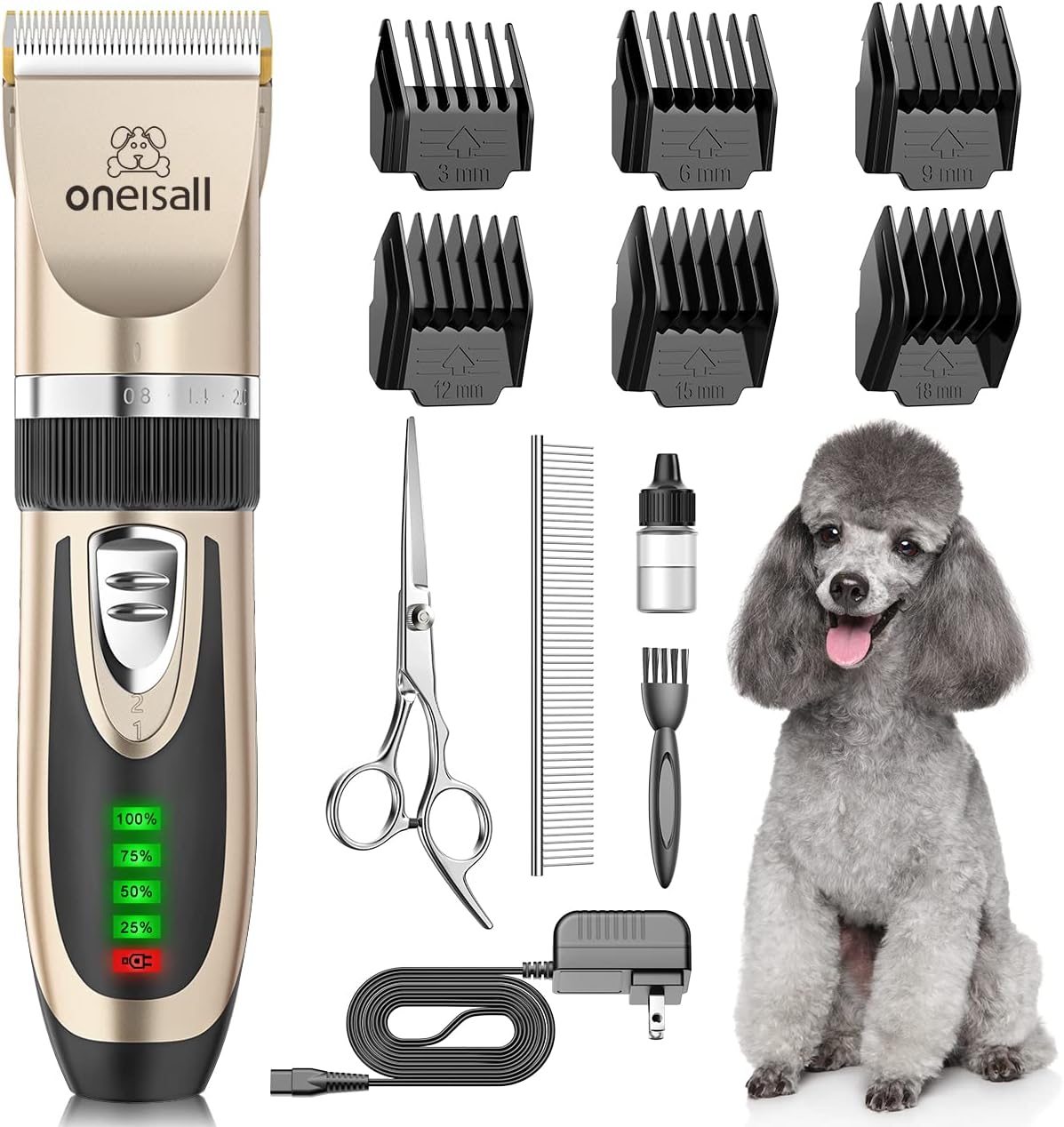 oneisall Dog Grooming Clippers with LED Display
- Recommended Uses For Product: Pet Grooming
- Target Audience: Cat, Dog, Rabbit
- Power Source: Battery Powered
LED battery display removes the guesswork on remaining charge
Ceramic and steel dual-blade system is built for precise trimming
Detachable, waterproof blade head rinses clean under running water
Rated for only 3 to 4 hours before needing a recharge
Below 50dB noise level still may not suit every sensitive pet

 oneisall Dog Clippers and Paw Trimmer Kit
15-piece set bundles clippers, paw trimmer, combs, and scissors together
Works cordless or while charging for uninterrupted sessions
Six guide combs cover a range of trim lengths for different breeds
Battery runtime is about 2.5 hours per full charge
Full kit size may be more than owners of one small dog need
 oneisall Dog Grooming Kit for Thick/Matted Hair
- Target Audience: Dog Owners
- Power Source: Battery Powered
- Are Batteries Required: Yes
Stainless steel blade is designed for thick and matted coats
IPX7 waterproof build allows direct rinsing after use
Cordless design with a locking function suits travel or outdoor use
Below 50dB noise level may still unsettle very anxious pets
Kit includes both clippers and trimmer, adding setup complexity
As an Amazon Associate we earn from qualifying purchases at no extra cost to you.
As an Amazon Associate we earn from qualifying purchases.
By Laura Simmons
🛒 Best Price Today on Amazon
Prime members get fast, free shipping on everything above, plus member-only deals. New members get a 30-day free trial — cancel anytime.
Start 30-Day Prime Free Trial →See Today’s Amazon DealsHow to Choose the Best Dog Clippers for Home Grooming
The money argument for home grooming is real, but only when the clipper matches the job. The best dog clippers for home grooming are the ones that handle your dog’s coat without stalling, take blades you can replace, and are quiet enough that the dog cooperates rather than fighting you every six weeks.
Be Realistic About Which Jobs You Will Do
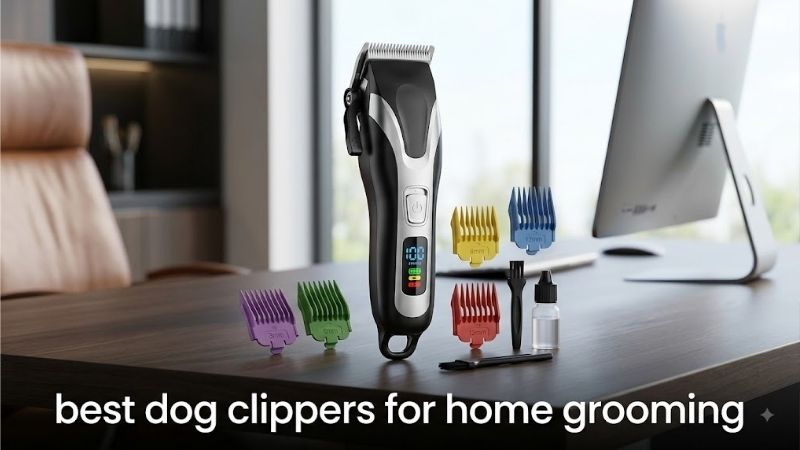
The best dog clippers for home grooming are chosen around the jobs you will actually do. Most owners never attempt a full body groom, and that is fine. Sanitary trims, feet, and tidying around the face account for the majority of the work between salon visits, and doing those yourself extends the interval between appointments from six weeks to eight or ten without much risk.
Full clipping is a bigger commitment. It takes an hour or more on a coated breed, demands a table or a non-slip surface, and produces visible results if you rush it. Deciding up front which category you fall into stops you buying a professional clipper that then lives in a cupboard.
Work Out the Cost Over a Few Years
A mid-range clipper plus a couple of blades costs roughly what two or three salon appointments do, so the break-even point arrives quickly on a dog groomed every six weeks. The ongoing cost after that is blade oil, occasional sharpening, and a replacement blade every year or two.
Cheap clippers distort that maths. A weak motor that stalls in a thick coat gets abandoned, and a blade that dulls within three grooms costs more in frustration than the clipper saved. Buying once at the right level is consistently cheaper than buying twice at the wrong one.
Blade Upkeep Is the Whole Difference
A dull or dirty blade folds hair rather than cutting it, pulls at the skin, and leaves tracked lines that owners usually blame on the clipper. Brushing the blade after every use, oiling along the cutting teeth with the machine running, and storing it dry takes about ninety seconds.
Never clip a dirty coat. Grit blunts an edge within a single groom, which is why blades that should last a year sometimes need sharpening after three sessions. Bathe and dry the dog thoroughly, brush the coat out completely, and only then reach for the clipper.
Watch Blade Heat and Keep Sessions Short
Blades warm quickly under load, and burns most often happen on the belly and around the sanitary area where the skin is thin and you are working slowly. Check the blade against your wrist every few minutes and swap in a spare or use a coolant spray rather than pushing on.
Home grooming demand rises before the December holidays and again in late spring as coats thicken, and clipper pricing follows the usual sale calendar. Buying ahead of the rush costs less than replacing a struggling machine mid-groom with a half-clipped dog standing on the table.
Top Picks: Best Dog Clippers for Home Grooming
The best dog clippers for home grooming are the ones that stay in use, so these six span cordless 5-in-1 units, detachable-blade machines, and two budget kits. Each is judged on what it costs to own over several years rather than on the shelf price alone.
| Clipper | Best For | Blade Type | Key Feature |
|---|---|---|---|
| Wahl Chromado Lithium | Regular home grooms | 5-in-1 adjustable | Cordless, quiet, light |
| Wahl Creativa | Small and fine coats | 5-in-1 adjustable | Very low noise |
| Oster Octane Cordless | Thick and curly coats | Detachable A5 | Strong cordless power |
| Andis eMERGE | Value detachable blades | Detachable | Blade flexibility, low price |
| Sminiker Professional Kit | Occasional tidy-ups | Fixed blade | Complete kit, low cost |
| Bousnic Dog Clippers | Feet and sanitary work | Fixed blade | Quiet, cheap, cordless |
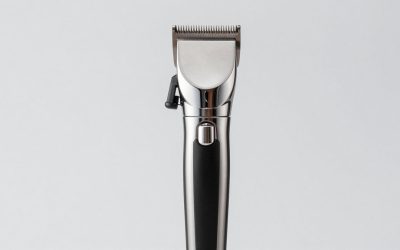
Wahl Chromado Lithium
A cordless 5-in-1 clipper that sits at the practical sweet spot for home grooming: quiet enough for most dogs, light enough for a long session, and powerful enough for fine and medium coats. One adjustable blade covers the useful range without a collection to buy.
The single blade limits you to short lengths, so anything longer needs snap-on guide combs and patience. It is not the machine for a doodle or a thick double coat, where the motor will slow noticeably, and the battery will eventually need replacing after a few years of regular use.
Wahl Creativa
Built around low noise and low vibration, which makes it the pick for a small dog or one that has already had a bad experience with a louder clipper. The 5-in-1 blade covers everyday trimming, and the light body is comfortable during slow work around legs and faces.
Power is modest, so it is genuinely unsuitable for dense coats and will pull rather than cut if pushed. Battery life is adequate rather than generous, and like all fixed-blade clippers it relies entirely on guide combs for anything beyond a short trim.
Oster Octane Cordless
Serious rotary power without a cable, taking standard detachable blades so the full length range is available. On a doodle, a retriever, or any coat with real density, this is the point at which home grooming stops being a struggle and starts producing a result you are happy with.
It is heavy in the hand, noticeably louder than the 5-in-1 clippers, and expensive before you have bought a single blade. Battery packs are a further cost down the line, and the power makes it unforgiving around the face and legs in the hands of a beginner.
Andis eMERGE
A detachable-blade clipper at a price closer to the fixed-blade home units, which makes it a sensible bridge for owners who want blade flexibility without professional spending. It handles medium coats comfortably and takes the blades you will already be buying.
The motor is less powerful than the professional rotary machines, so very dense coats slow it down. Build quality is good rather than exceptional, and it is corded, which means managing a trailing cable around a dog that turns constantly on the table.
Sminiker Professional Grooming Kit
An inexpensive complete kit with guide combs, scissors, and a comb included, aimed at owners doing occasional tidy-ups rather than full grooms. For feet, sanitary areas, and light trimming on a short coat, it does the job perfectly adequately for very little money.
The motor is weak, the blade dulls faster than branded steel, and it is not suitable for a full body groom on a coated breed. Treat it as a starter kit that buys you time to work out whether home grooming suits you, rather than as a long-term clipper you will still be using in five years.
Bousnic Dog Clippers
Very quiet, cordless, and cheap, which makes it useful for the specific jobs most owners actually do between salon visits: paw pads, sanitary trims, and tidying around the rear. Dogs that panic at louder clippers often accept this one without much fuss.
It is not a body clipper for anything beyond a fine coat, battery life is short, and the fixed blade offers little length flexibility. Bought as a maintenance tool that sits alongside professional grooming, though, it earns its keep within a couple of months.
Frequently Asked Questions
These four come up most often from owners weighing up the best dog clippers for home grooming against continuing to pay a salon. The four answers below cover how much you actually save, which breeds should not be clipped at home, how to learn without ruining the coat, and what blades cost to run.
How much does home grooming actually save?
On a coated dog groomed every six weeks, a mid-range clipper usually pays for itself within two or three skipped appointments. The saving continues after that, minus blade sharpening and oil. On a short-coated dog that rarely needs clipping, the saving is minimal and not worth the effort.
Which dogs should not be clipped at home?
Double-coated breeds should not be clipped short at all, since the coat insulates against heat as well as cold and regrowth is often uneven. Heavily matted dogs also need a groomer, because clipping under a felted coat is skilled work with a real risk of catching skin.
How do I learn without ruining the coat?
Start with sanitary areas and feet, where mistakes are invisible, and use a longer guide comb than you think you need. Take a second pass rather than going shorter first time. Watching a groomer work on your own dog once is worth several hours of video.
How much do blades cost to run?
A detachable blade lasts a year or more with light home use and can be professionally sharpened for a fraction of replacement cost. Oil is a few pounds a year. The main variable is whether you clip clean coats, since grit is what actually destroys an edge.
Final Thoughts
The best dog clippers for home grooming are the ones matched to the coat and the jobs you will realistically do. A quiet 5-in-1 cordless covers fine coats and between-groom tidying, a detachable-blade machine is worth it for doodles and thick coats, and a cheap kit is fine for feet and sanitary work. Keep the blades clean and clip only dry, brushed coats.


Write Your Review
No reviews yet. Be the first to share your experience!